How to Blend Espresso Beans: A Practical Guide to Yunnan Beans in Blends
Introduction: Espresso blend beans are the cornerstone of a coffee shop's menu and the art through which professional baristas craft flavor. This article explains the origins of espresso blending, the logic of recipes and key points of flavor design, explores whether Yunnan coffee beans are suitable for blending, and how scientific ratios can achieve the ideal extraction of balanced acidity and sweetness with rich crema, along with references to classic blend formulas.
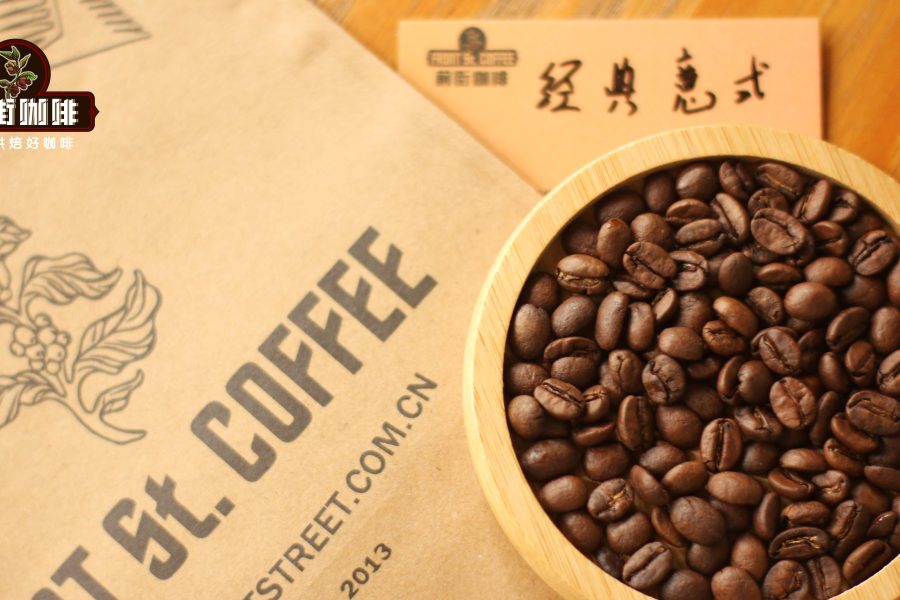
The history of espresso blend beans can be traced back to the 17th century, when people tried mixing Indonesian Java coffee with Yemeni Mocha coffee, giving rise to the classic Mocha-Java combination. This method of combining coffee beans from different origins and varieties in specific proportions has now become the core technique of espresso. Whether it is the Mamba blend (Mandheling + Brazil) pursued for its full-bodied taste or modern recipes focused on balance, the key to blending lies in complementing diverse flavors to create a richer taste experience than a single origin.
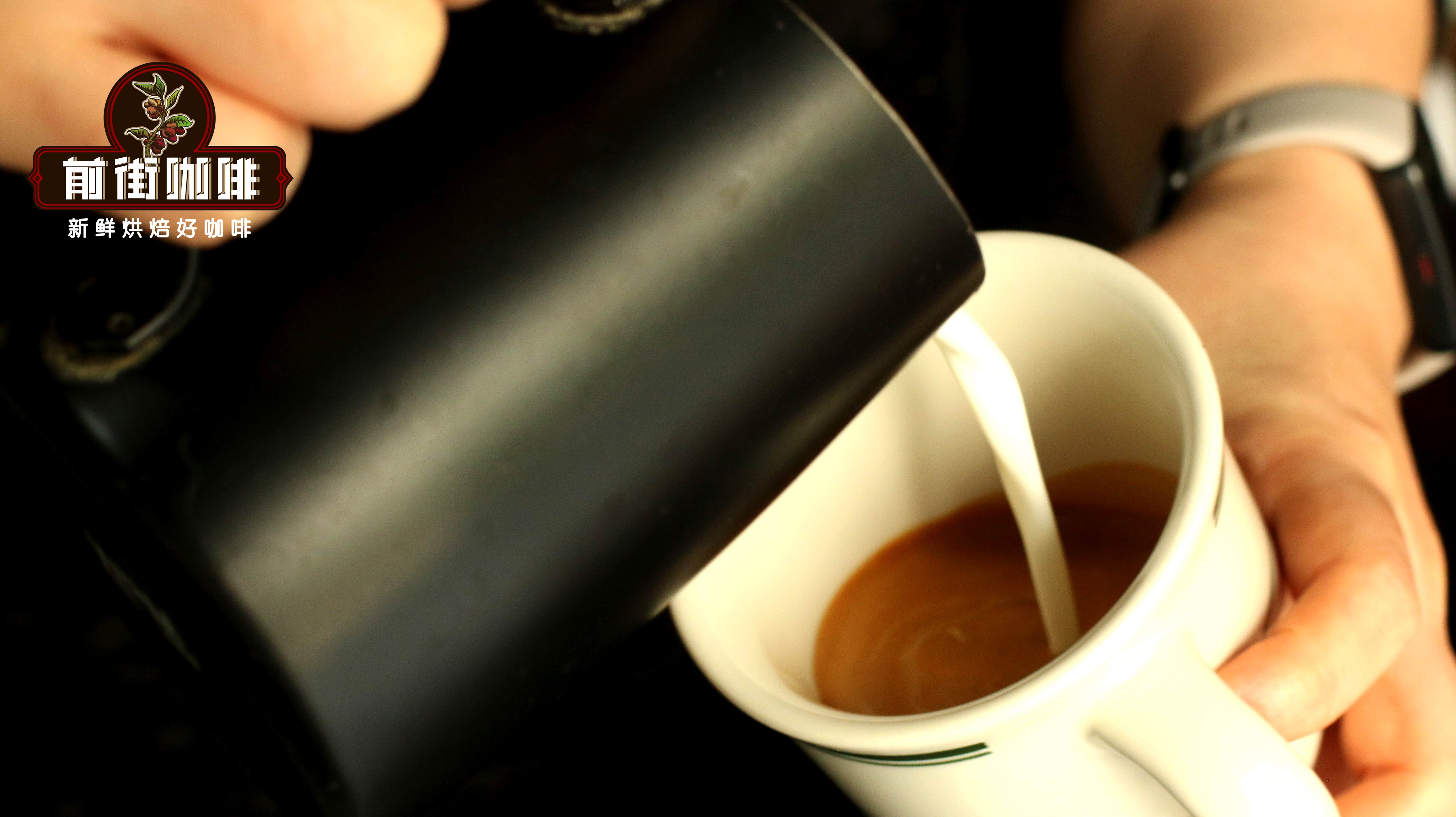
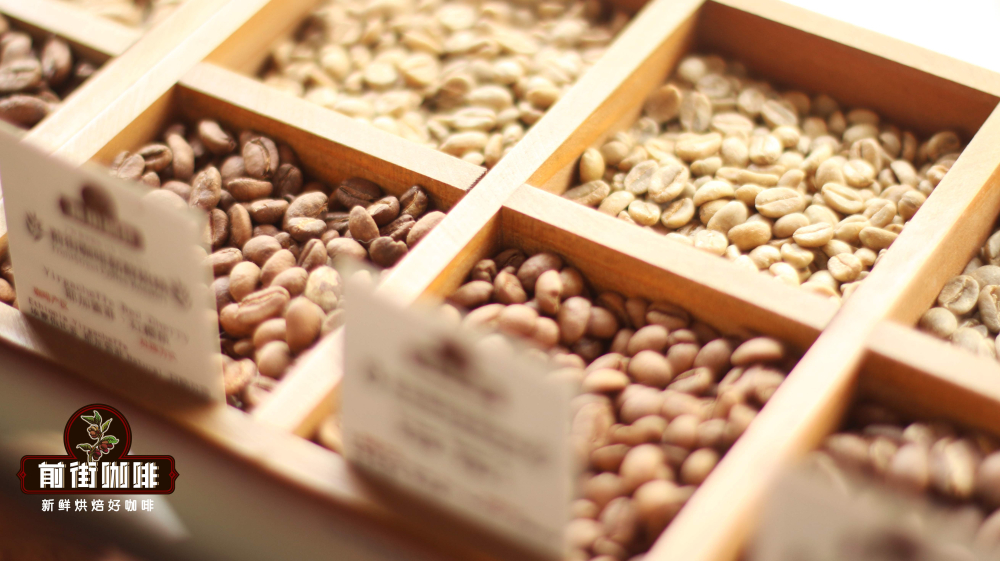
So-called espresso blend beans are essentially 2-6 green coffees (in rare cases roasted beans) from different origins mixed in designed proportions, with the aim of combining each bean's strengths: for example, using a bright high-acidity bean to lift aroma, paired with a full-bodied low-acidity bean to balance the cup, ultimately forming a stable flavor framework. This technique not only highlights a shop's character but also optimizes cost—for instance, adding a small amount of robusta to a traditional recipe enhances the thickness of espresso crema and body, making milk coffee smoother.
An excellent espresso blend should follow five principles: first, the component beans should have distinct personalities, avoiding beans with similar processing methods, origins or flavors (such as stacking two Ethiopian natural beans); second, ratio design should never be a 1:1 even split—clear primary and secondary beans are needed (e.g., 70% base bean + 30% flavor-adjusting bean) to prevent flavors from canceling each other out; third, roasting methods divide into pre-roast blending (mixed at the green bean stage) and post-roast blending (mixed after roasting)—the former favors even development, the latter suits adjusting final balance; fourth, acid-sweet balance is the core, and it is recommended to select 2-4 main beans through cupping, as too many varieties lead to confused flavors; finally, the formula must be determined through multiple ratio trials, recording the extraction parameters and flavor performance of each combination.
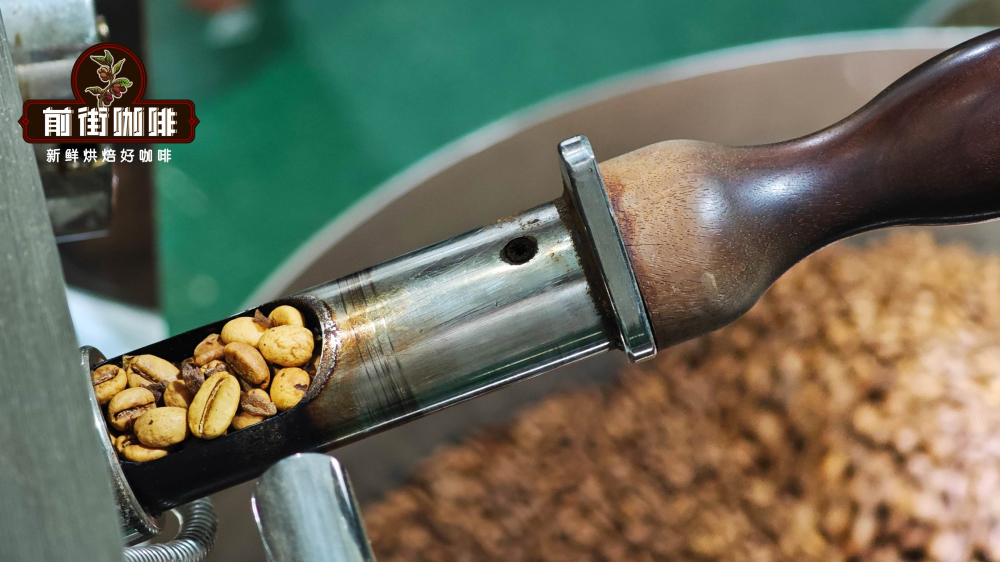
Before formulating a blend, three preparations must be completed: clarify the target flavor (such as a low-acidity, full-bodied milk coffee base), study each bean's characteristics in depth (including the influence of altitude and processing method on acidity/body), and pin down each bean's core contribution (for example, one bean provides sweetness while another supplies the bitter backbone). A special note: Yunnan arabica, because its mainstream variety Catimor contains robusta genes, naturally has high oil potential and is a high-quality choice for improving crema quality in blends.
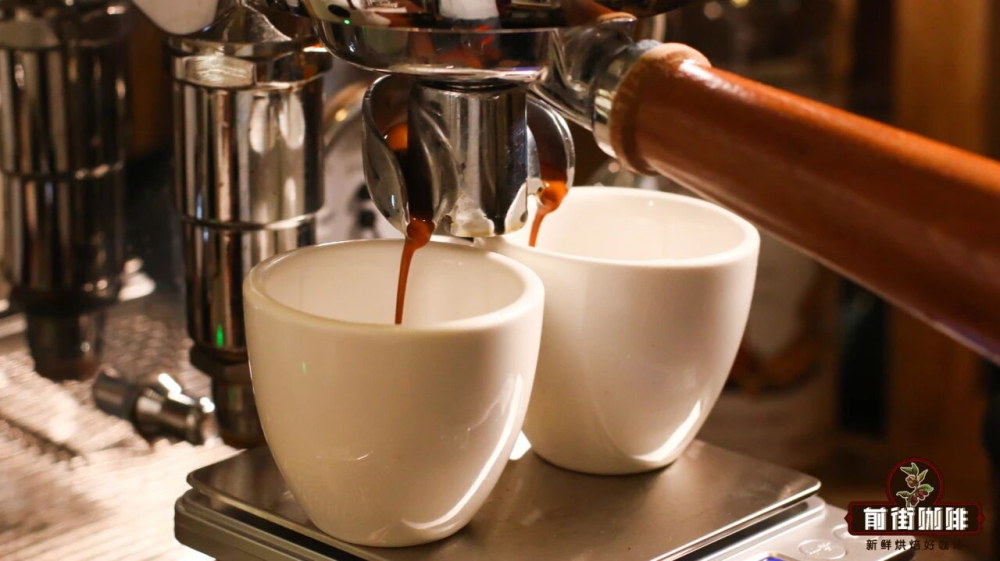
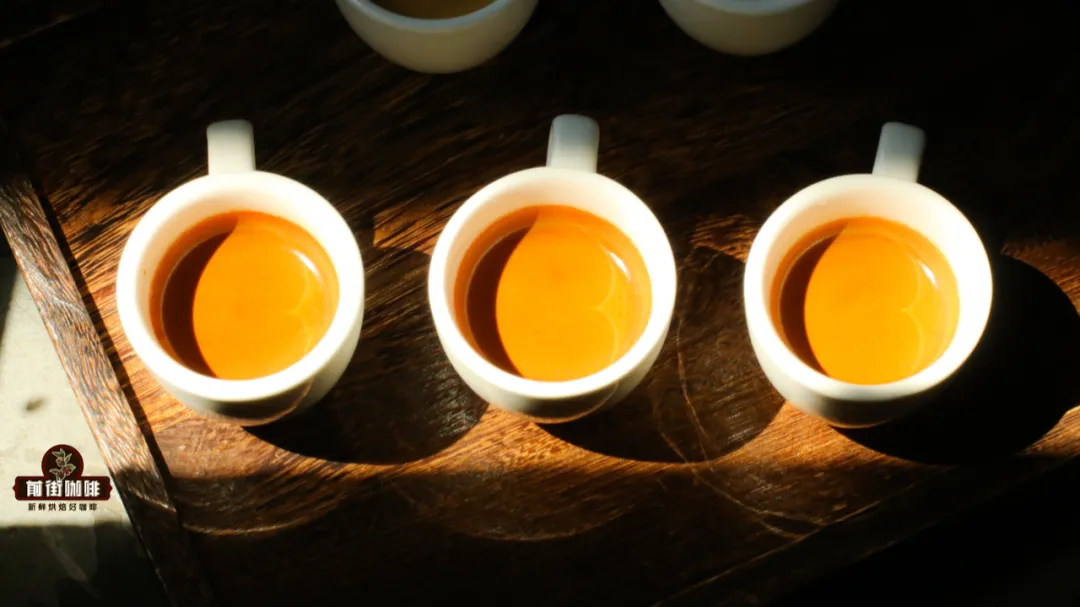
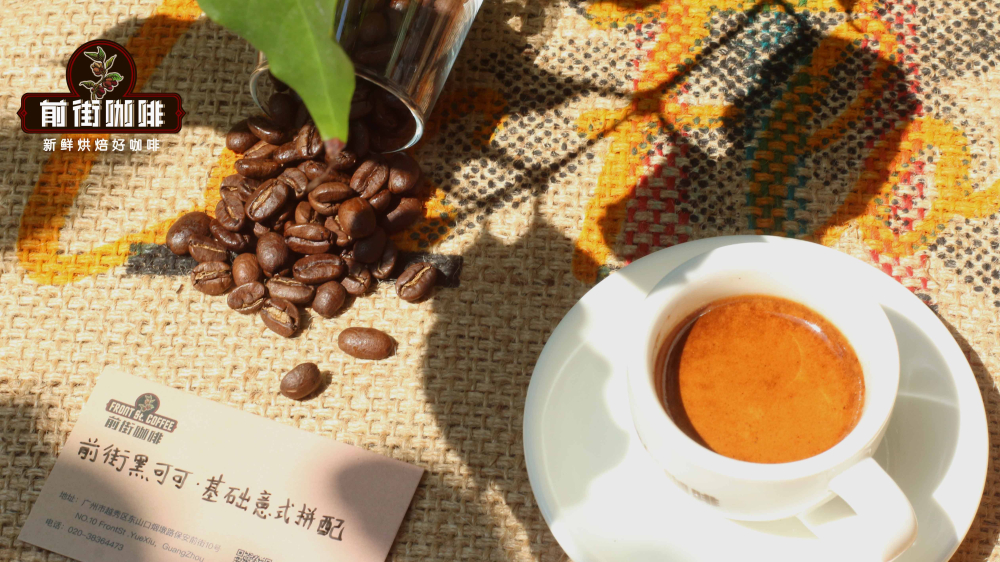
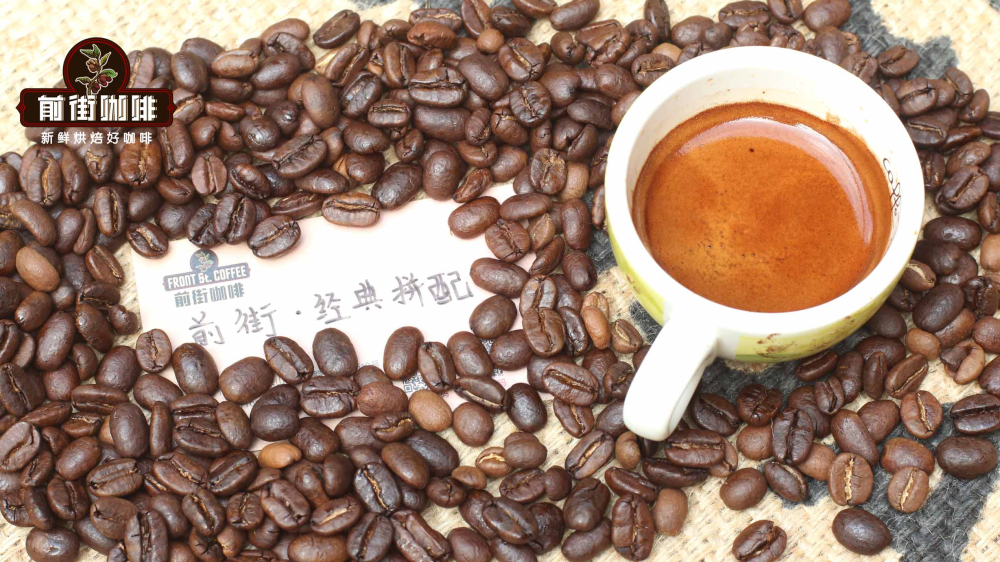
Taking a blend including Yunnan beans as an example, the ideal espresso should present a dense reddish-brown crema (thickness ≥3mm), with an explosion of rich nut and dark chocolate aroma on entry, accompanied by a velvety smooth body. The medium-dark roast characteristics of Yunnan Catimor (moderate density, low acidity) can complement Brazilian beans (good body, balanced bitter-sweetness): when both are medium-dark roasted, Brazil provides caramelized sweetness and Yunnan contributes a stable oil structure, ultimately achieving a balanced state of soft acidity and lasting finish.
Common commercial blend formulas usually include the following types: the classic style mostly uses Brazil (50-60%) + Central and South American beans (30-40%) + a small amount of robusta (0-10%), highlighting a nutty-chocolate base and full body; advanced versions may add Ethiopian natural beans to lift fruity layers, or Vietnamese robusta to boost crema; special-requirement formulas (such as decaf) require adjusted variety combinations. The key is verification through cupping: recommended extraction parameters are a medium-fine grind (e.g., 1.6-2.0 setting), water temperature 92-94°C, and a powder-to-water ratio of 1:2, observing whether crema formation and flavor layers meet standards.
For home users, it is recommended to start with a three-origin basic formula: choose one Brazil (providing a full-bodied base), one Colombia (adding acid-sweet balance) and a small amount of Yunnan/robusta (boosting crema). Keep roast level uniformly at medium-dark (Agtron value about 45-55), and grind to suit a home semi-automatic espresso machine (recommended 1.5-1.8 setting). During extraction, note a 3-second pre-infusion, maintain 9 bar pressure for 25-30 seconds to yield 40ml, and the ideal flavor should include distinct caramel sweetness, mild fruit acidity and a persistent nutty finish.
Professional barista testing shows that the crema of a high-quality espresso blend should remain intact within 30 seconds after extraction, with flavor release showing a distinct three-stage pattern: initial citrus/caramel notes, mid-palate nuts and chocolate, and a finish of dark chocolate and smokiness. If sharp acidity or a thin mouthfeel appears, check whether the ratio leans toward high-acidity beans or the roast level is insufficient; if bitterness is excessive, the robusta proportion may be too high or the roast overdone. It is recommended to calibrate the grinder regularly and record the hopper ratio and extraction data of each blend.
Appendix: basic extraction parameter reference (applicable to most medium-dark roast blends): when using a conical filter basket, adjust the grind to a fine-sugar texture, dose 18-20g, water temperature 93±1°C, maintain 9 bar pressure, and produce 40ml of espresso in about 25 seconds total. Under these conditions, a high-quality blend should show balanced body, clear flavor layers and crema stability lasting at least 20 seconds. In practice, fine-tune according to equipment differences, focusing on the uniformity of flow rate and the color of the crema (ideally hazelnut brown to dark brown).
Finally, a reminder: blending is not a fixed formula but a dynamic creation. The same recipe may need annual adjustment due to origin vintage differences, so it is recommended to keep samples of each batch and build flavor archives. For the use of Yunnan beans, prioritize suppliers with stable processing methods (such as washed or honey-processed Catimor), and verify compatibility with the main beans through small-batch trials. Remember, an excellent espresso blend always serves the final drinking experience—whether it is a classic coffee pursued for its full-bodied taste or a creative specialty drink emphasizing fruity notes.