Espresso extraction guide: parameters, flavor and how it differs from Americano
Introduction: Learn the standard espresso extraction process and key parameters, and master the technique of extracting an ideal shot within 20 to 30 seconds. This article explores the essential differences between espresso and Americano in depth, covering everything from machine principles and extraction factors to practical details such as dose-to-yield ratio, water temperature and pressure, helping you easily tell them apart and enjoy different flavor experiences.
In recent years, coffee consumption in China has continued to heat up, and walking into any café, espresso drinks are always a staple on the menu. Among the many choices, Americano, as a derivative of espresso, often leaves people wondering what exactly the difference is between the two. In fact, understanding the extraction standards for espresso is the key to solving this puzzle.
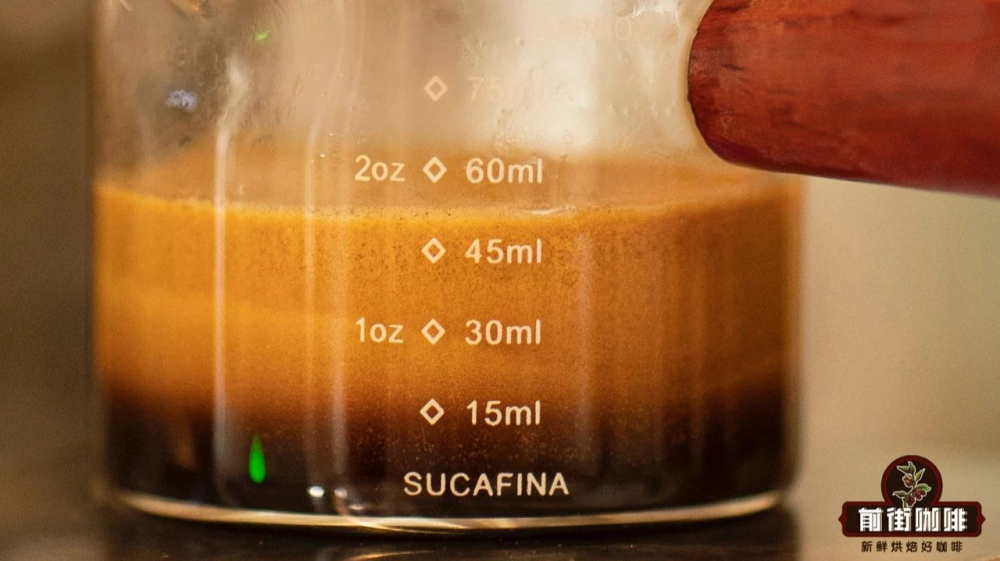
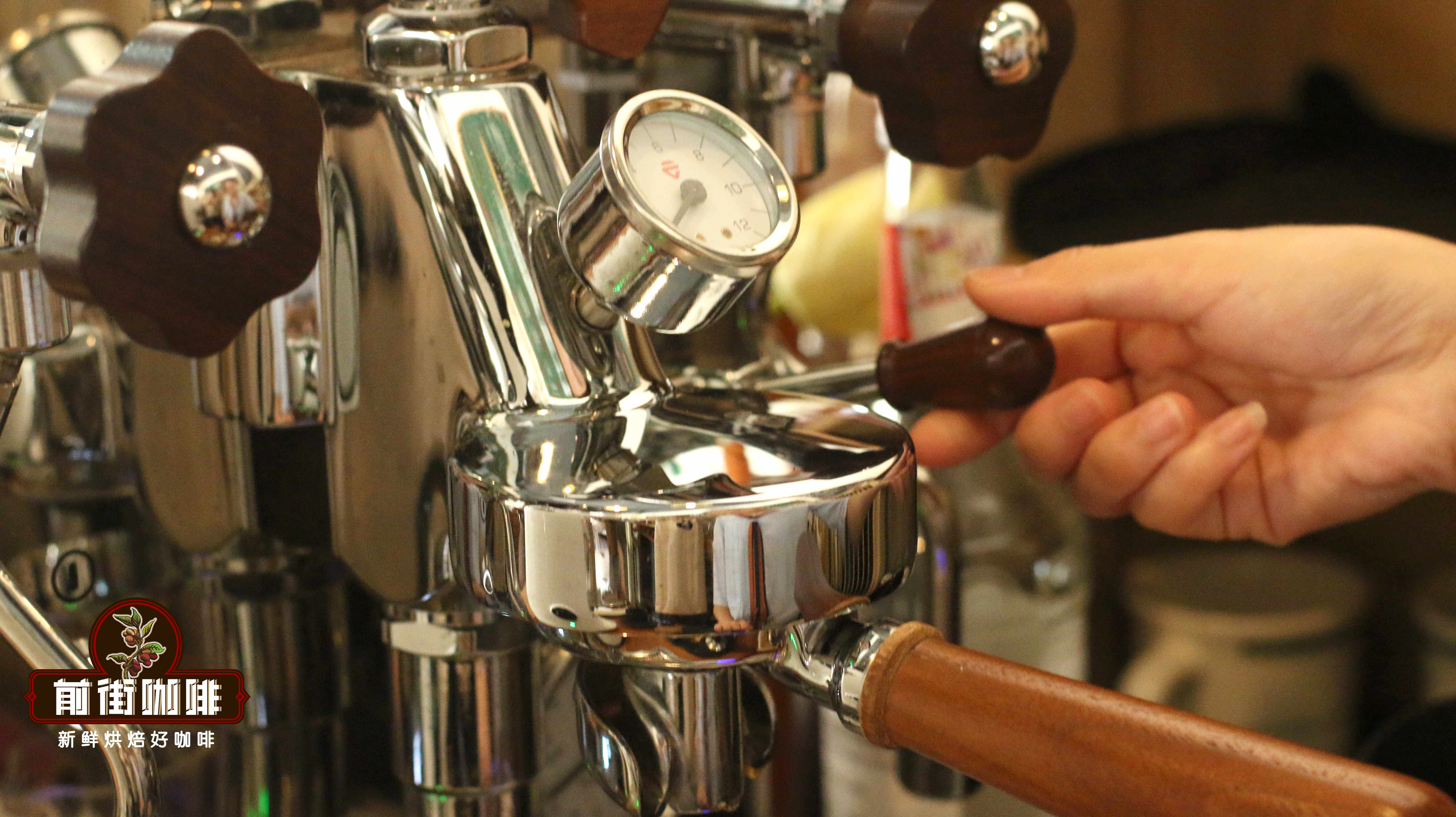
In all kinds of cafés, one of the most common and most important pieces of equipment is the semi-automatic espresso machine. This heavy-looking, precisely built machine is the foundation for making all espresso-based drinks, including espresso, latte, cappuccino and more. It can be said that without espresso, there would be no rich and varied espresso drinks.
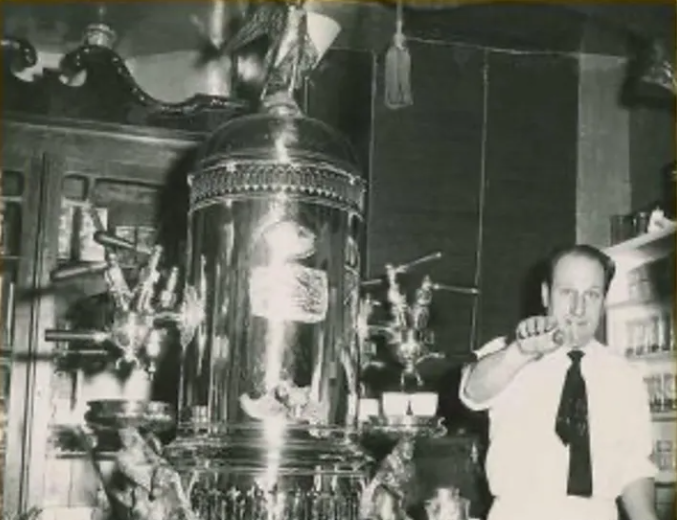
The core of espresso lies in the combination of high-pressure, high-temperature water flow and short extraction time. According to industry sources, the earliest espresso machine was born in 1884, invented and patented by Angelo Moriondo of Turin, Italy. Unlike modern machines, the machines of that time had multiple spouts, aimed at improving serving efficiency and meeting the demand for several people to drink at the same time.
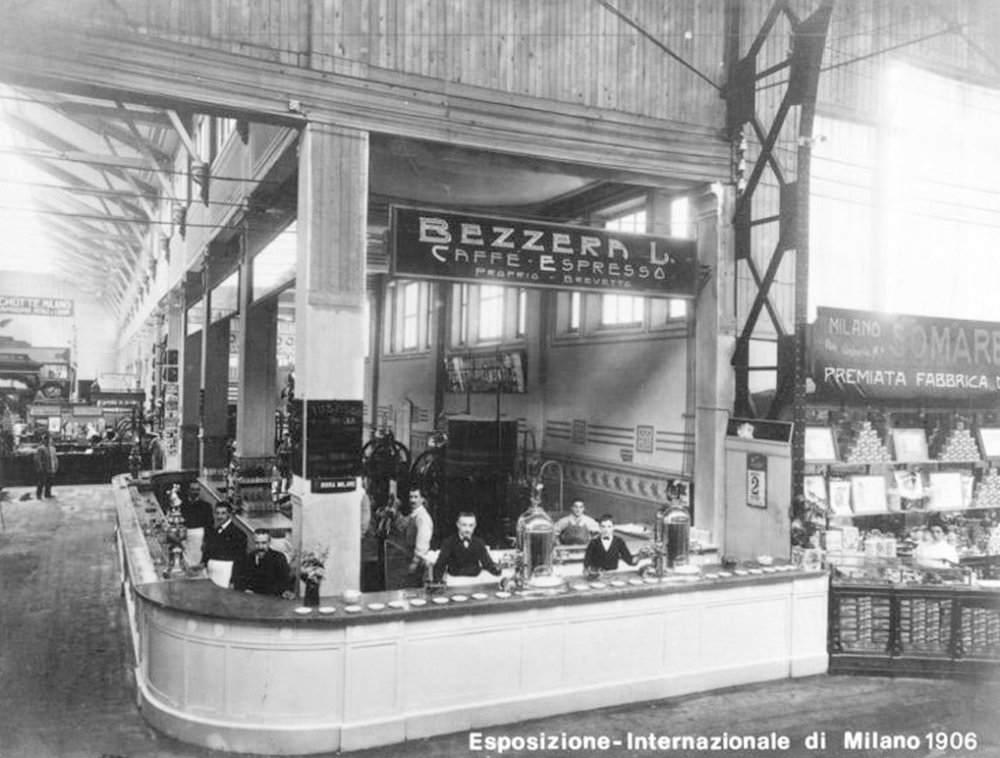
Entering the 20th century, espresso machine technology gradually improved. In 1901, Luigi Bezzera of Milan introduced an improved model with four spouts. In 1903, Desiderio Pavoni acquired the relevant patent and founded a company in 1905 to begin mass production. However, limited by the craftsmanship of the time, the machines then often had relatively low pressure and relatively high temperature, and the coffee extracted was closer in flavor to American drip coffee.
It was not until 1961, when Faema released the E61 model, that the foundation of the modern espresso machine was truly laid. This was the world's first semi-automatic espresso machine, allowing baristas to adjust pressure and time independently, greatly improving the precision and flexibility of extraction, and it is known as the "father of the modern espresso machine."
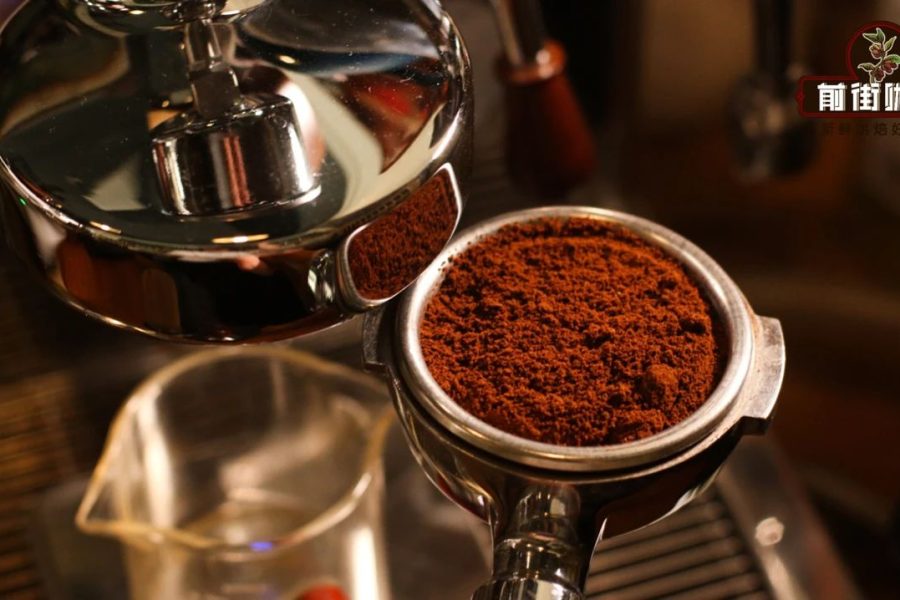
Today, although equipment continues to evolve, the basic espresso-making process remains stable, mainly consisting of four steps: dosing, distributing, tamping and extraction. Among these, the setting of extraction parameters has an enormous impact on the final flavor and is also the key to distinguishing professionals from amateurs.
The internationally accepted standard parameters for espresso extraction are: about 7 grams of coffee grounds, water temperature 92°C, extraction pressure 9 Bar, time controlled at 20 to 30 seconds, and finally extracting 20 to 30 milliliters of thick coffee liquid. These values work together to ensure the coffee has a rich crema and a balanced mouthfeel.
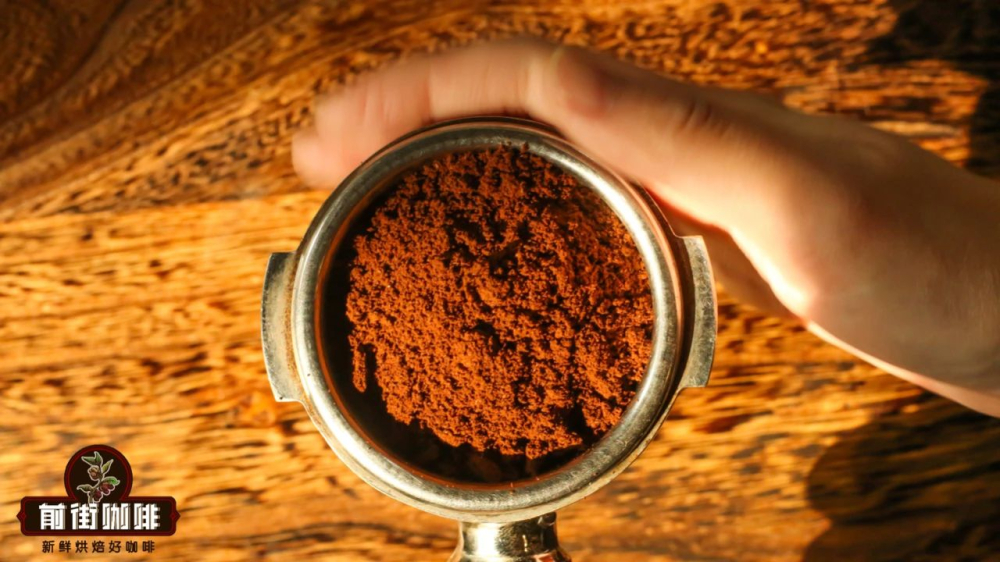
But in actual practice, these parameters are often adjusted according to differences in equipment, bean type and needs:
Dose is usually determined by the capacity of the filter basket; common household or commercial baskets are around 20 grams, and it should not be too small or too large, so as not to affect extraction uniformity.
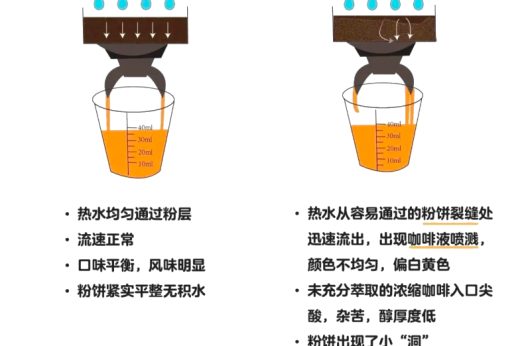
Dose-to-yield ratio is recommended to stay between 1:1.5 and 1:2.5, with the most commonly used ratio being 1:2. A ratio that is too low will make the coffee too strong and bitter, while a ratio that is too high may make it weak and flavorless or even sharp and sour.
Extraction time is affected by both grind size and dose-to-yield ratio. A large dose-to-yield ratio or too fine a grind will both prolong extraction time, easily leading to over-extraction.
Extraction pressure is best at 9 Bar, which can form an ideal crema layer. If the pressure is too low, the crema will be thin; if too high, it may damage the coffee structure and cause over-extraction.
Water temperature is generally controlled in the range of 90 to 94°C. If the temperature is too high, it easily triggers the release of bitter substances; if too low, it will lead to prominent acidity and under-extraction.
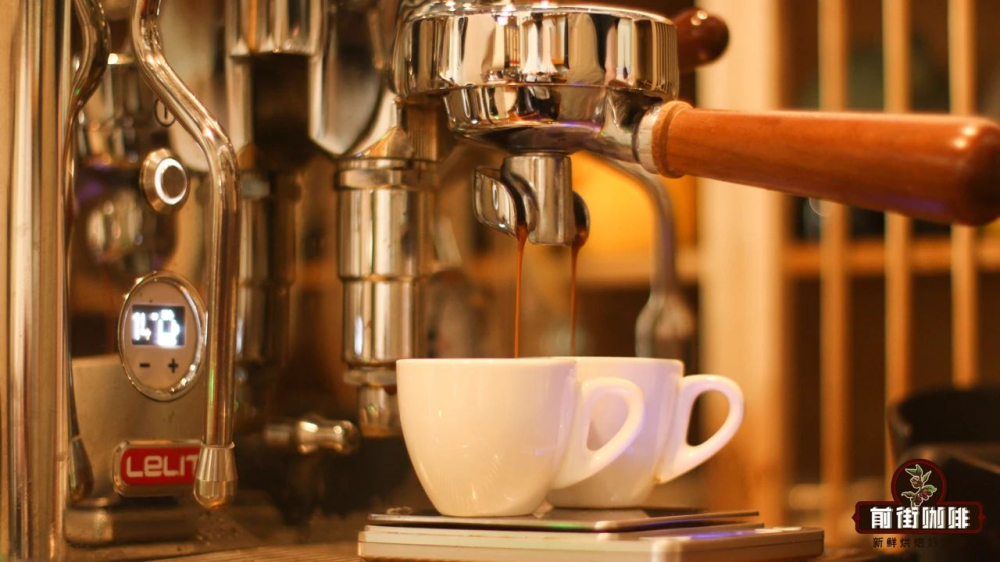
Taking a common commercial semi-automatic espresso machine as an example, when using a 20-gram basket, set the water temperature at around 92°C, with a medium grind, and extract for 26 to 28 seconds to finally obtain about 35 to 40 milliliters of coffee liquid; this is a fairly typical commercial parameter setting. But note that these are only reference values, and in practice they should be fine-tuned according to bean characteristics, equipment differences and personal taste.
As for the choice of espresso beans, blending is the mainstream approach. An excellent espresso blend usually balances acidity, sweetness and body, and can show layered flavors under high-pressure extraction. For example, some blends combine coffee beans from different origins to bring a balance of berry-like acidity and a chocolate finish, while also having good crema performance and aftertaste.
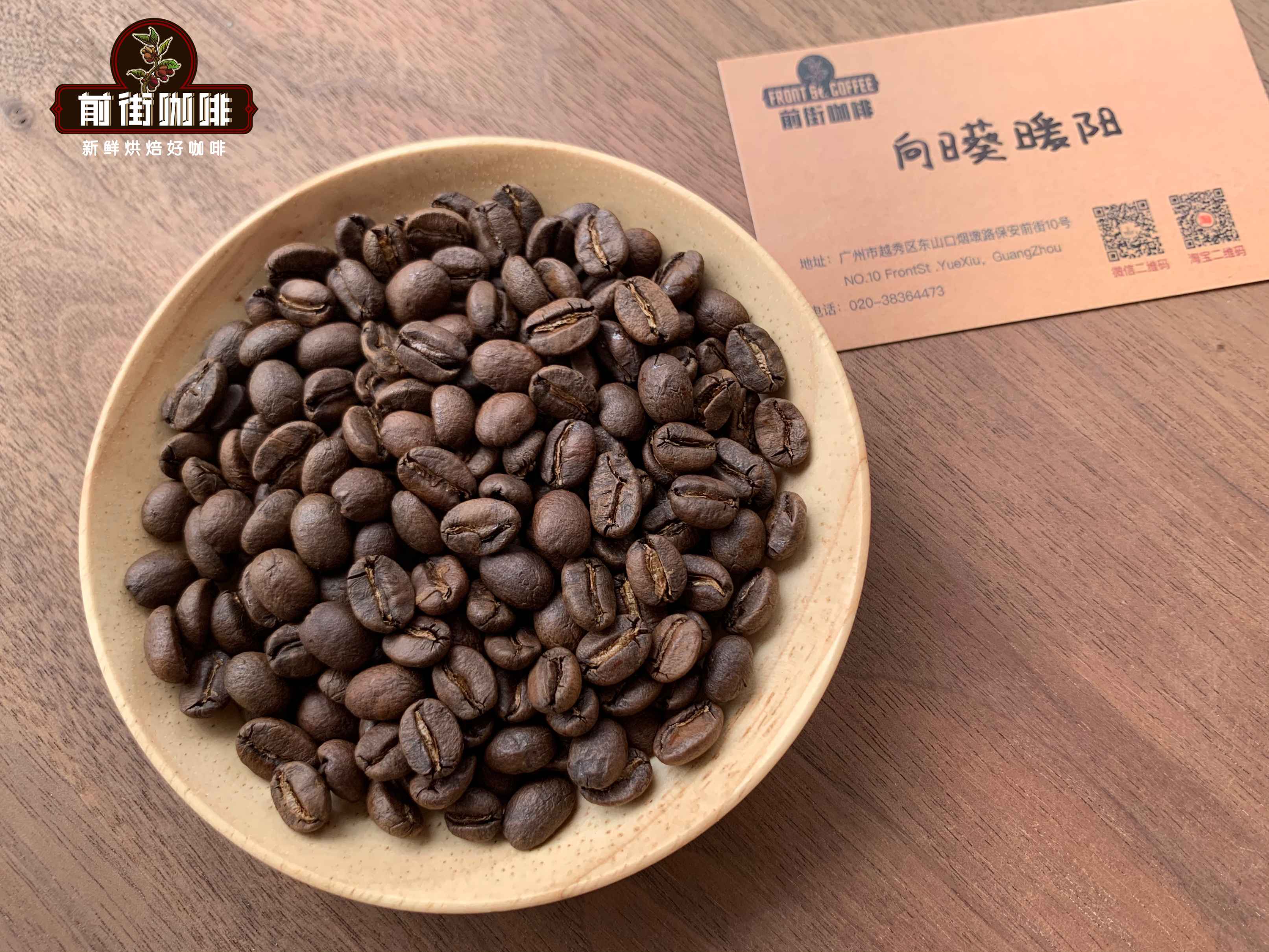
It should be noted that espresso blends and pour-over coffee beans have significant differences in roast level and flavor orientation. Espresso beans usually use a medium-dark roast, emphasizing body, balance and crema performance, while pour-over beans focus more on clear floral and fruity acidity and regional characteristics. Therefore, it is not recommended to simply mix the two types of beans, otherwise it will be difficult to achieve the expected flavor.
In cafés, Americano is usually made by diluting espresso with water. According to common recipes, adding about 240 milliliters of hot water at a 1:6 ratio to a shot of about 30 to 40 milliliters of espresso yields a standard Americano. This method retains the main flavor of the espresso while reducing the concentration, making it suitable for everyday drinking.
In addition, there are also "American coffees" on the market made directly with American drip machines; these products usually have a lighter flavor and lack the richness and layers of espresso, being closer to the taste of traditional filtered coffee.
In summary, the difference between espresso and Americano lies not only in the way they are made, but also in their mouthfeel, flavor and production craft. Mastering the extraction standards for espresso and understanding how each parameter affects flavor will not only help you enjoy coffee better, but also give you more direction when choosing and tasting.