The Complete Guide to Espresso Extraction: Mastering Time, Flow Rate, and Brew Ratio
Introduction: Mastering espresso extraction hinges on understanding the delicate balance of time, flow rate, and brew ratio. This article breaks down the complete process from coffee bean selection to the final cup, focusing on the scientific basis for the 20–30 second extraction time, the flexible application of the 1:2 golden brew ratio, and how to judge extraction status by flow rate. Whether you are a coffee novice or a professional looking to refine your craft, these practical details will help you consistently produce balanced espresso.
Making espresso may seem to involve only a few simple steps, but each stage directly affects the final extraction quality. From selecting coffee beans to controlling the final flow rate, every step requires precise handling.
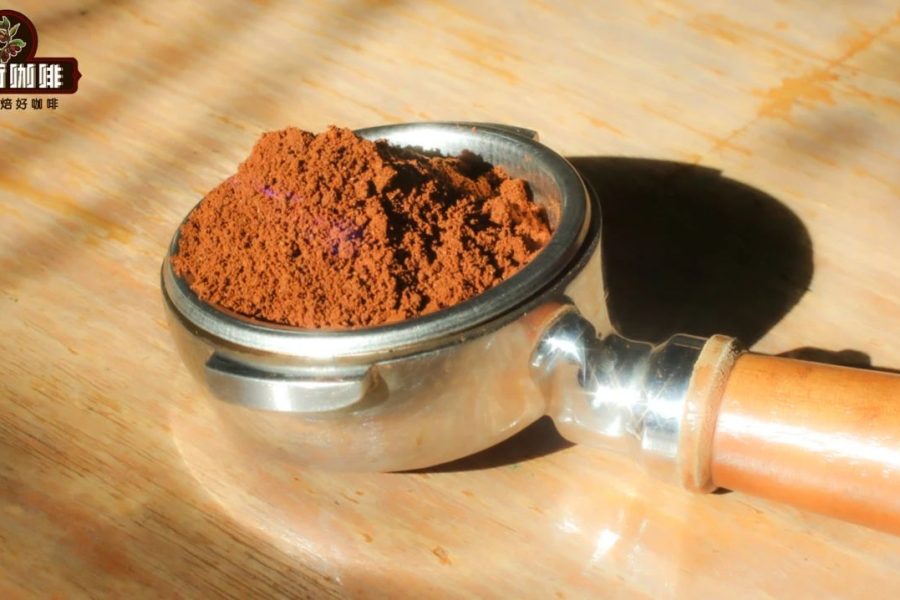
Freshness management is the first key. Espresso places strict demands on coffee bean freshness—beans shipped within 5 days of roasting are fresh, but extracting them directly is actually detrimental. The large amount of carbon dioxide produced during roasting needs time to release; without an adequate resting period (7 days after roasting is recommended), these gases interfere with the water flow path and hinder the release of flavor compounds, leading to uneven or over-extraction. The optimal flavor window falls within 30 days after resting is complete, with flavor preservation limited to 45 days after roasting.
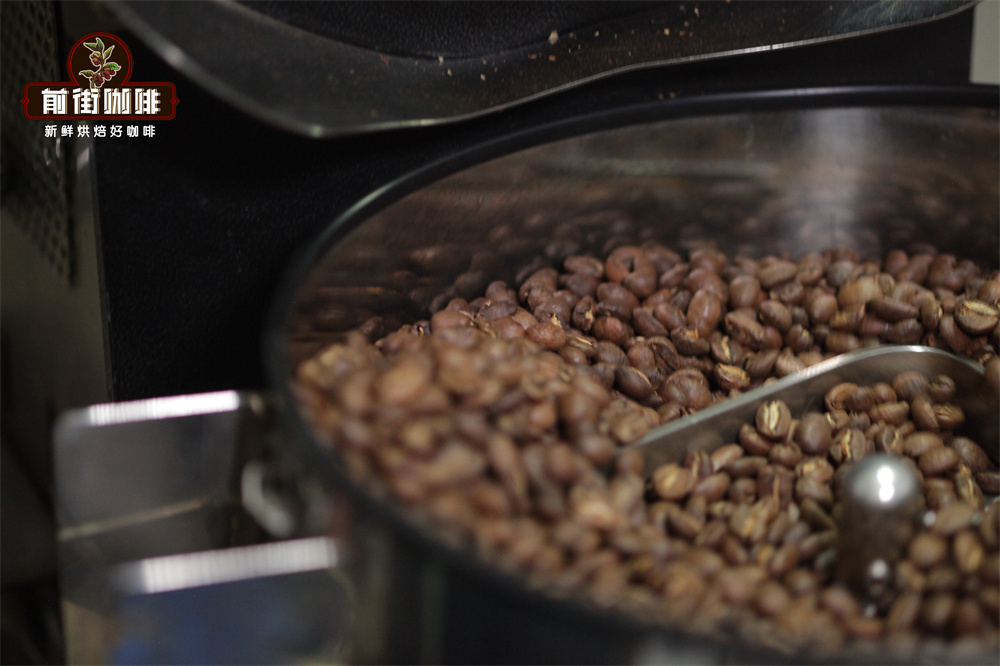
The choice of roast level is equally important. The pressurized extraction of an espresso machine amplifies all flavor characteristics; compared with light roasts with pronounced acidity, medium-dark roasts (such as blends containing Sumatra Mandheling, Brazil, and other origins) better present a balanced mouthfeel. These beans typically develop rich caramelized compounds that form a thick crema and bring a warm finish reminiscent of dark chocolate and butter.
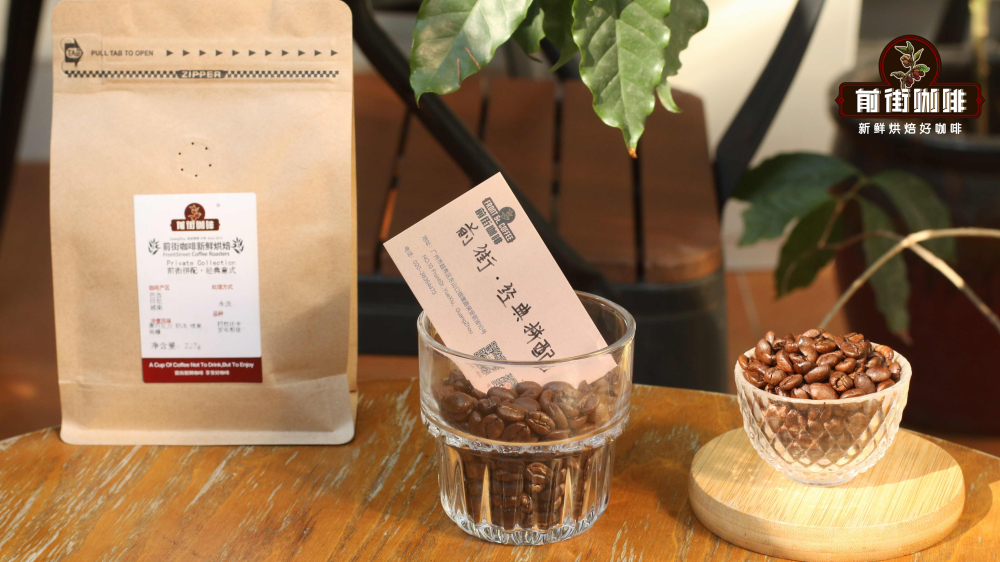
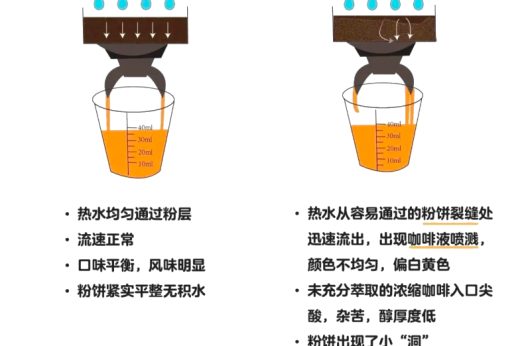
Grind adjustment is the core technique for precise extraction. Espresso requires a very fine grind, but the specific setting must be calibrated against the standard of "20 grams of coffee extracting 40 grams of liquid in 23–30 seconds." In practice, focus more on flavor balance—if there is noticeable burnt bitterness, adjust the grind 1–2 steps coarser; if it is sharply acidic and stings the tongue, adjust finer. Watch for localized over-extraction caused by channeling.
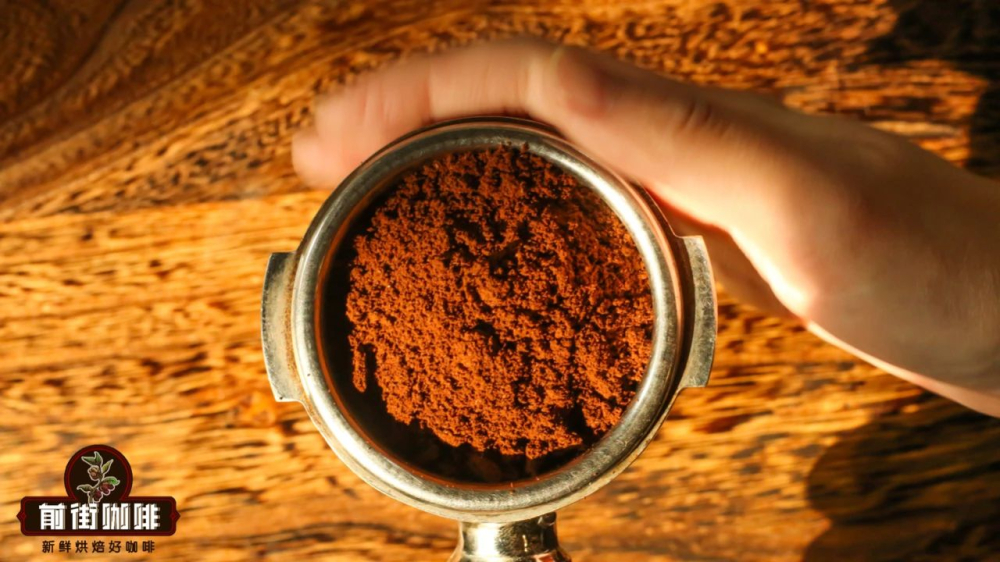
The distribution step is often underestimated but is crucial. An evenly distributed bed of grounds prevents the formation of localized high-pressure zones. Using a professional distribution tool is recommended to ensure every particle contacts the basket evenly; when distributing manually, work in radial motions centered on the middle. A deviation in bed thickness exceeding 10% will significantly affect extraction uniformity.
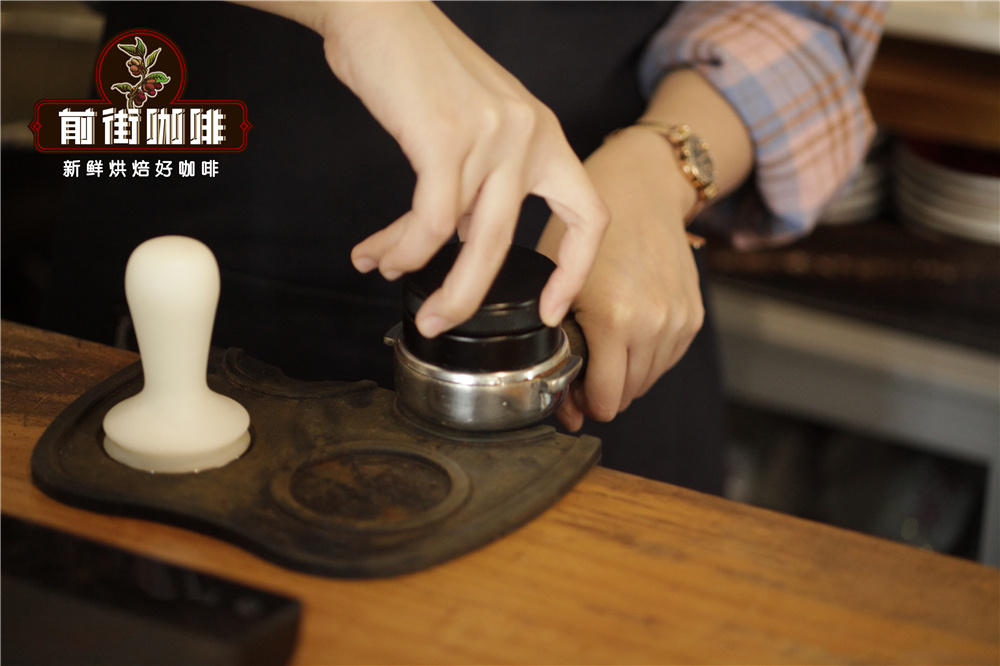
Tamping force and levelness directly affect water penetration efficiency. The puck must withstand a sustained 9–10 atmospheres of pressure, so gaps between particles must be eliminated. Press the tamper straight down until the puck is level with the basket rim, and check whether the surface forms a perfectly level plane—any height difference of more than 1 millimeter will cause water to preferentially flow through the lower areas, causing one-sided over-extraction.
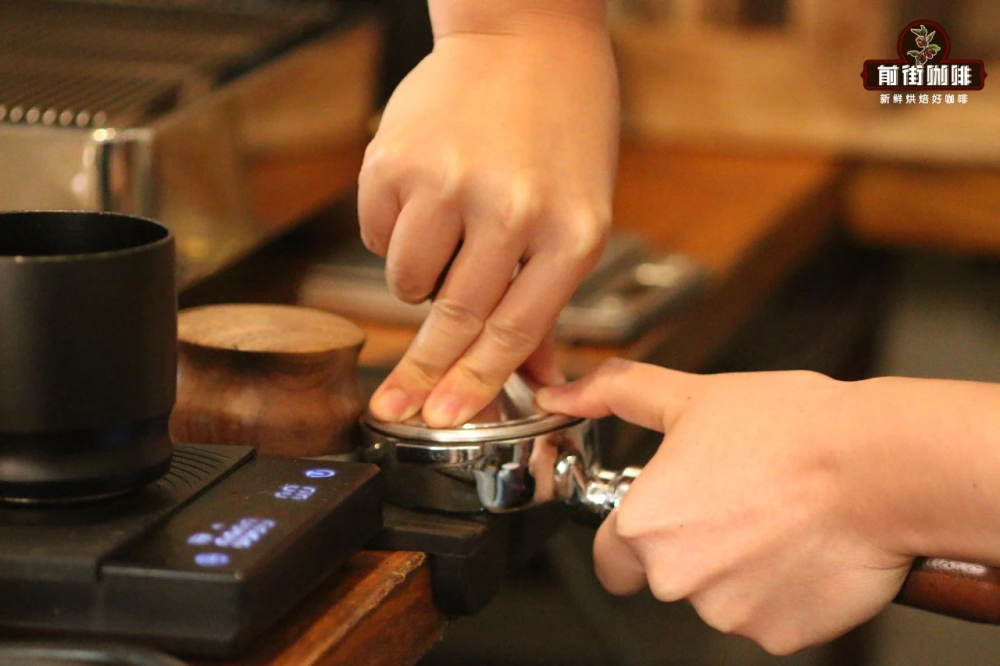
The standard espresso extraction parameters are: 20–30 seconds extraction time, 1:2 brew ratio (for example, 18 grams of coffee yielding 36 milliliters of espresso). Specialty coffee shops often fine-tune this according to the drink—for example, extending to 36 milliliters of liquid can strengthen the base concentration of an Americano. Note, however, that a brew ratio exceeding 1:2.5 leads to over-extraction, while below 1:1.5 the flavor is thin.
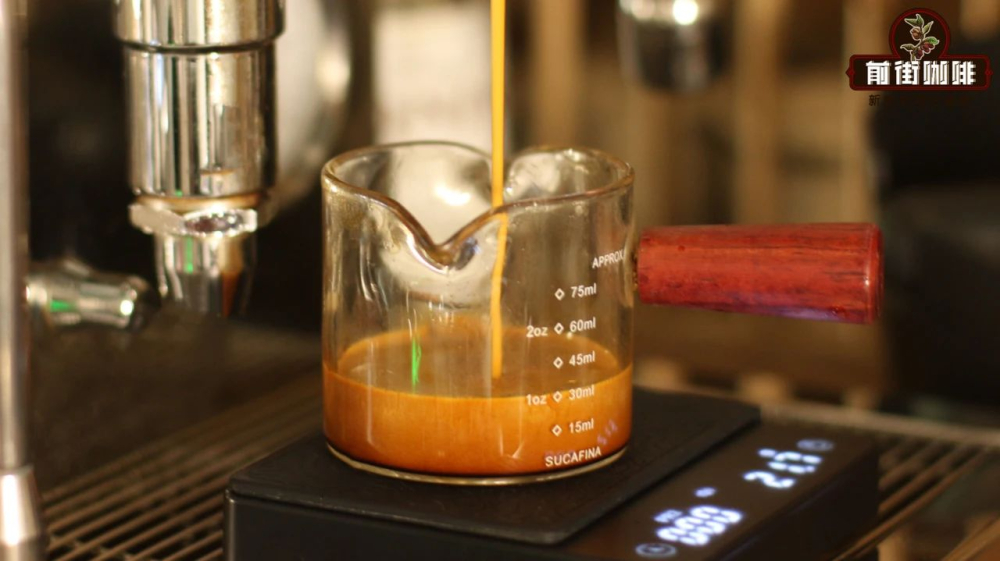
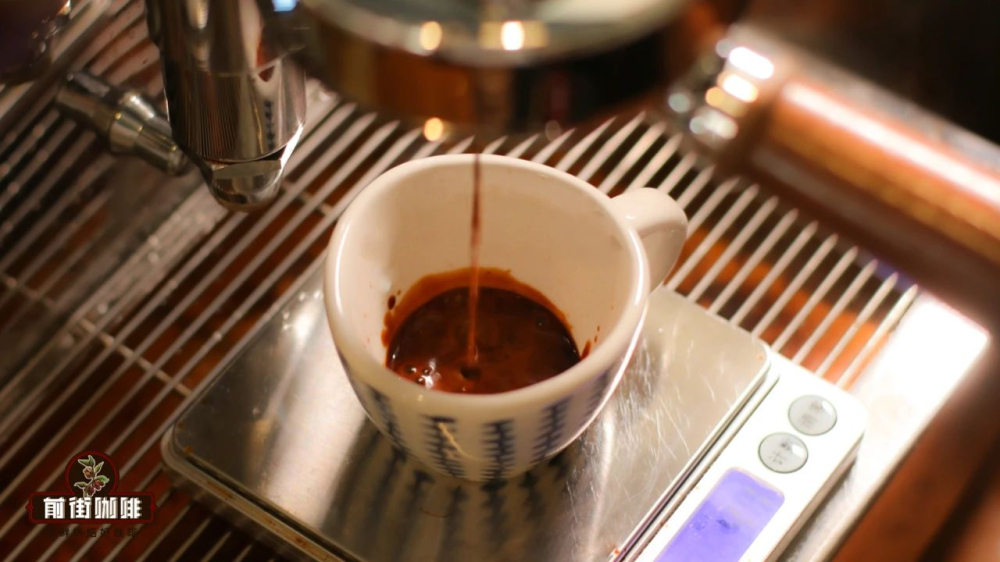
Observing flow rate is the most intuitive basis for judging quality: when using a 1:2 ratio, if extraction takes less than 20 seconds, the flow is too fast; common symptoms include prominent acidity, loss of aroma, and a thin mouthfeel. This can be corrected by increasing the dose by 0.3–0.5 grams or adjusting the grind 1–2 steps finer. Conversely, a slow flow exceeding 35 seconds accompanied by intense bitterness indicates over-extraction; the solution is to reduce the dose or adjust the grind coarser. With a stable 9–10 bar pump pressure, the ideal flow should appear as a continuous honey-like stream rather than intermittent droplets.