Espresso Brew Ratio and Grind Size: A Practical Guide from Parameters to Flavor
Introduction: The flavor expression of espresso is closely tied to core parameters such as brew ratio and grind size. This article systematically explains the standard parameter ranges for single and double shots, analyzes in depth how variables such as dose, ratio, time and flow rate interact, and offers adaptation advice for beans of different roast levels. By mastering these key elements, coffee professionals and enthusiasts can adjust extraction plans more precisely and balance body and complexity.
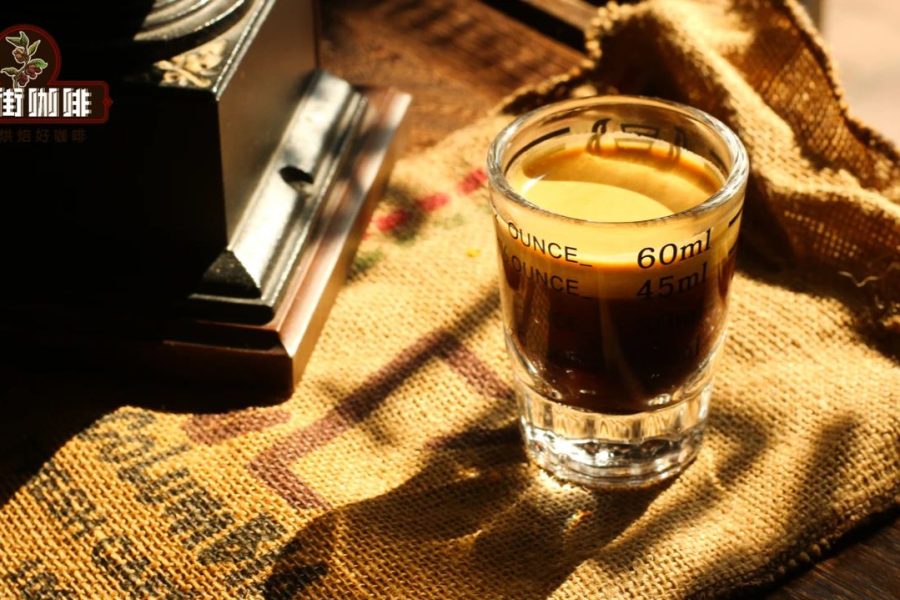
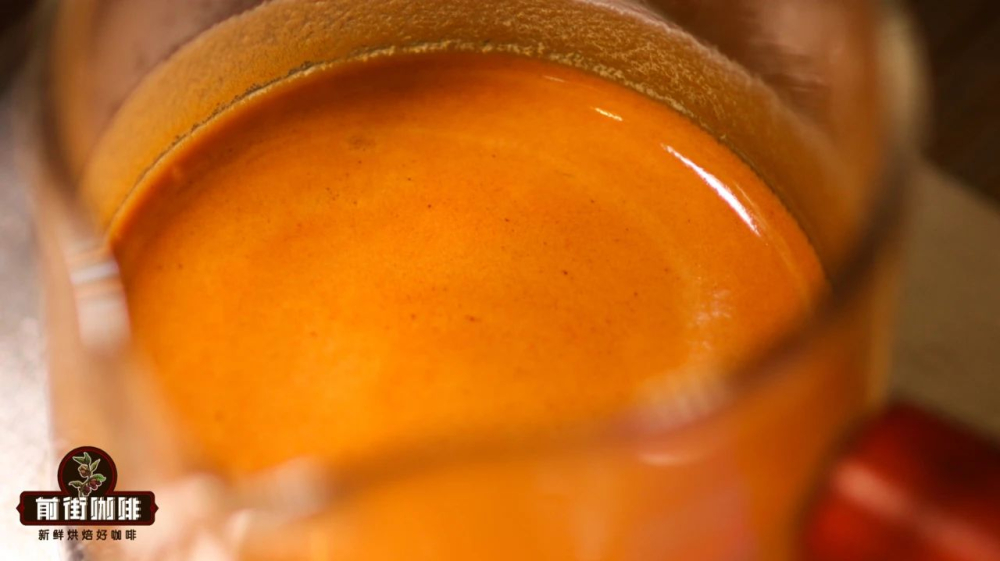
Espresso is a type of coffee rapidly extracted under roughly 9 bar of high pressure within 25-30 seconds; a traditional single shot is about 30 ml (1 oz), and a double about 60 ml. In contemporary specialty coffee, the same bean can present completely different flavor characteristics depending on parameter adjustments—for example, dark-roast blends are often adjusted via the brew ratio to highlight caramel notes or reduce bitterness.
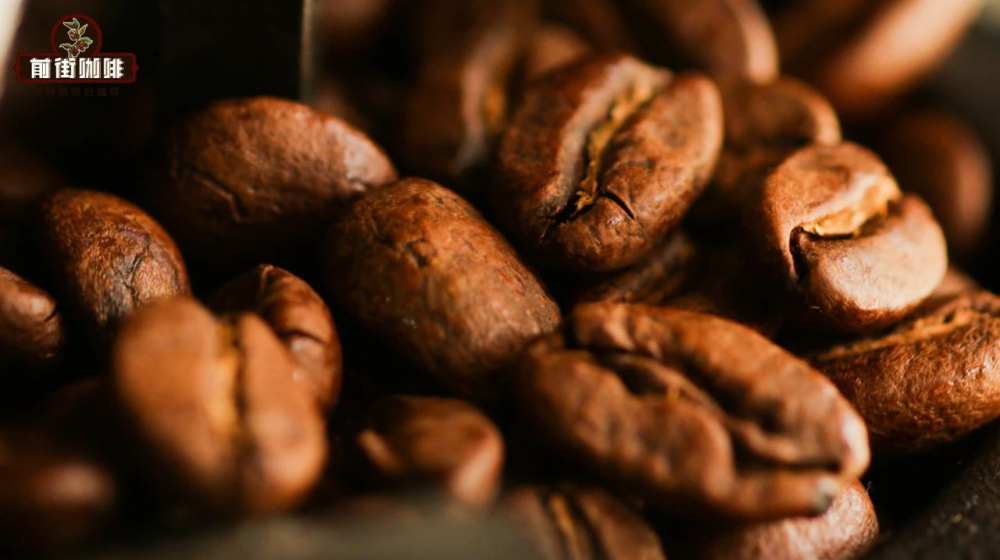
Freshly roasted coffee beans contain a large amount of carbon dioxide, which impedes water flow through the puck and affects crema stability. It is recommended that dark-roast beans rest for at least 7 days, during which parameters need slight daily adjustment: in the first 3 days, carbon dioxide release is vigorous, so shorten extraction time and raise water temperature; from days 4-7, flavor gradually balances and standard parameters can be gradually restored. Even with a fixed recipe, daily differences in temperature and humidity in the bean hopper environment can cause flow rate fluctuations.
In practice, it is recommended to prioritize optimizing the base parameters of the shop's main beverages: if lattes account for over 40% of sales, use the balance of a double shot (dose 18-20 g → 36-40 ml extracted liquid) as the baseline; if Americanos dominate, extend extraction time to over 30 seconds to increase strength. This strategic adjustment avoids disrupting the overall recipe harmony in pursuit of a single espresso's flavor.
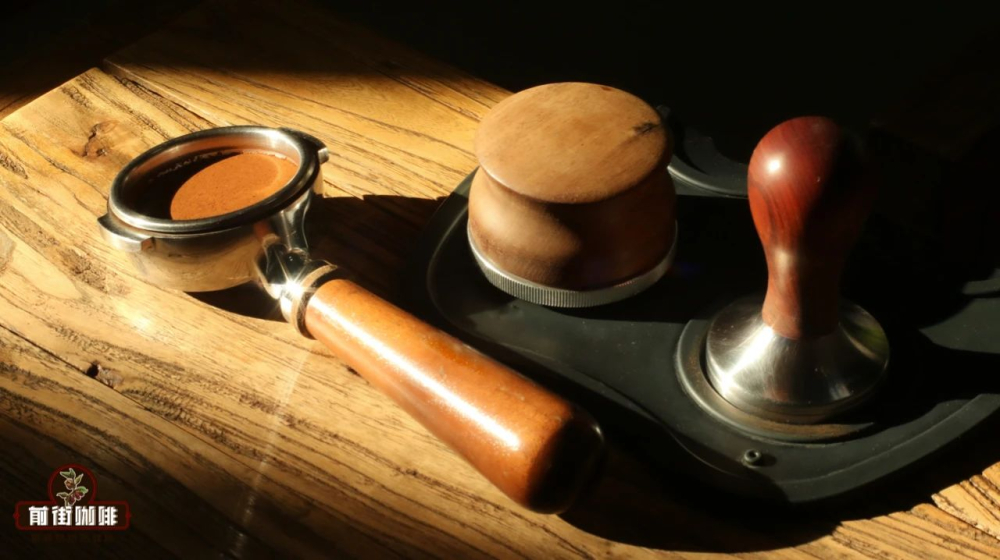
Key parameters in detail:
• Dose selection: a standard double basket accommodates 18-22 g (puck thickness after tamping about 5-6 mm); singles commonly use 7-9 g. Too little dose leads to channeling (flow rate > 3 seconds/drop); too much easily blocks water flow.
• Golden brew ratio: the mainstream range is 1:1.8 to 1:2.2 (e.g., 20 g dose → 36-44 ml liquid), with 1:2 as the balance point. Below 1:1.5 results in over-extraction (prominent bitterness); above 1:2.5 means under-extraction (obvious sharp acidity).
• Time control: ideal duration for a double is 25-30 seconds, for a single 15-18 seconds. Over 35 seconds usually means the grind is too fine or tamping too tight.
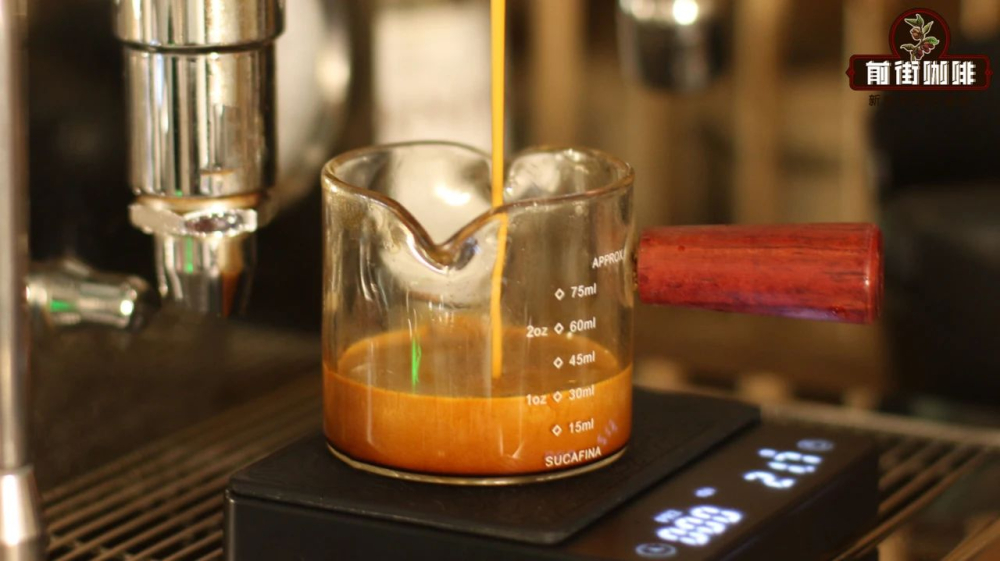
• Flow observation: the first drop should appear 4-5 seconds after extraction starts; the ideal is a continuous thin stream with about 60% of total volume accumulated by 20 seconds. If the initial flow is too fast (dripping within 3 seconds), grind finer or increase tamping pressure; if intermittent, puck density may be uneven.
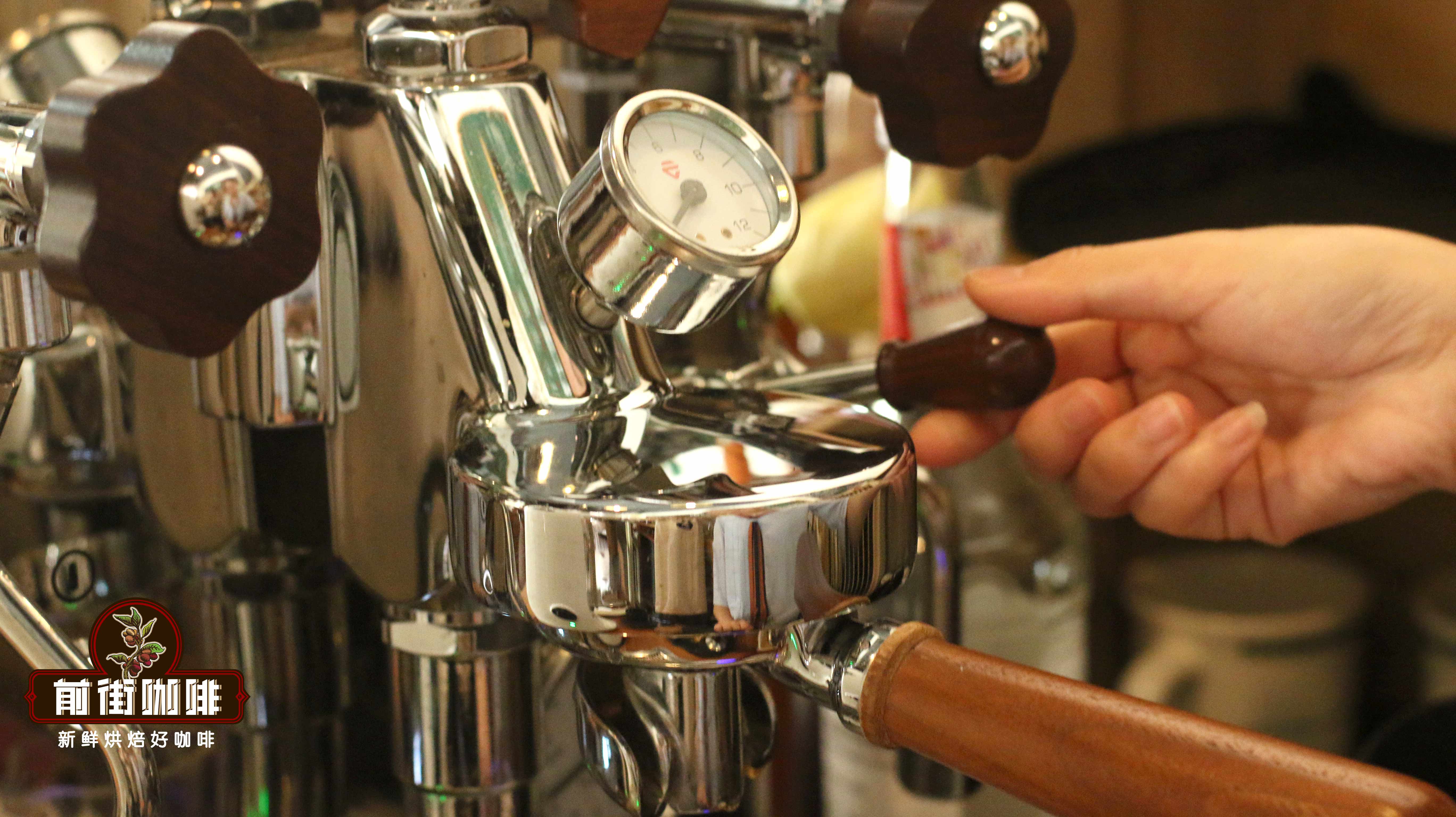
• Equipment parameters: commercial machines should maintain working pressure steadily in the 8.5-9.5 bar range; home machines are advised to be no lower than 8 bar. Water temperature fluctuation should be controlled within ±1°C (90-93°C for dark-roast beans; 94-96°C can be tried for light roasts).
Common pitfalls:
1. Blindly pursuing high concentration (e.g., a 1:1 ratio) leads to over-extraction and actually loses sweetness;
2. Using worn grinder burrs (wear > 0.1 mm) disrupts grind uniformity, making stable output difficult even with parameter adjustments;
3. For every 5°C rise in ambient temperature, lower the water temperature by 1-2°C accordingly to prevent over-extraction.
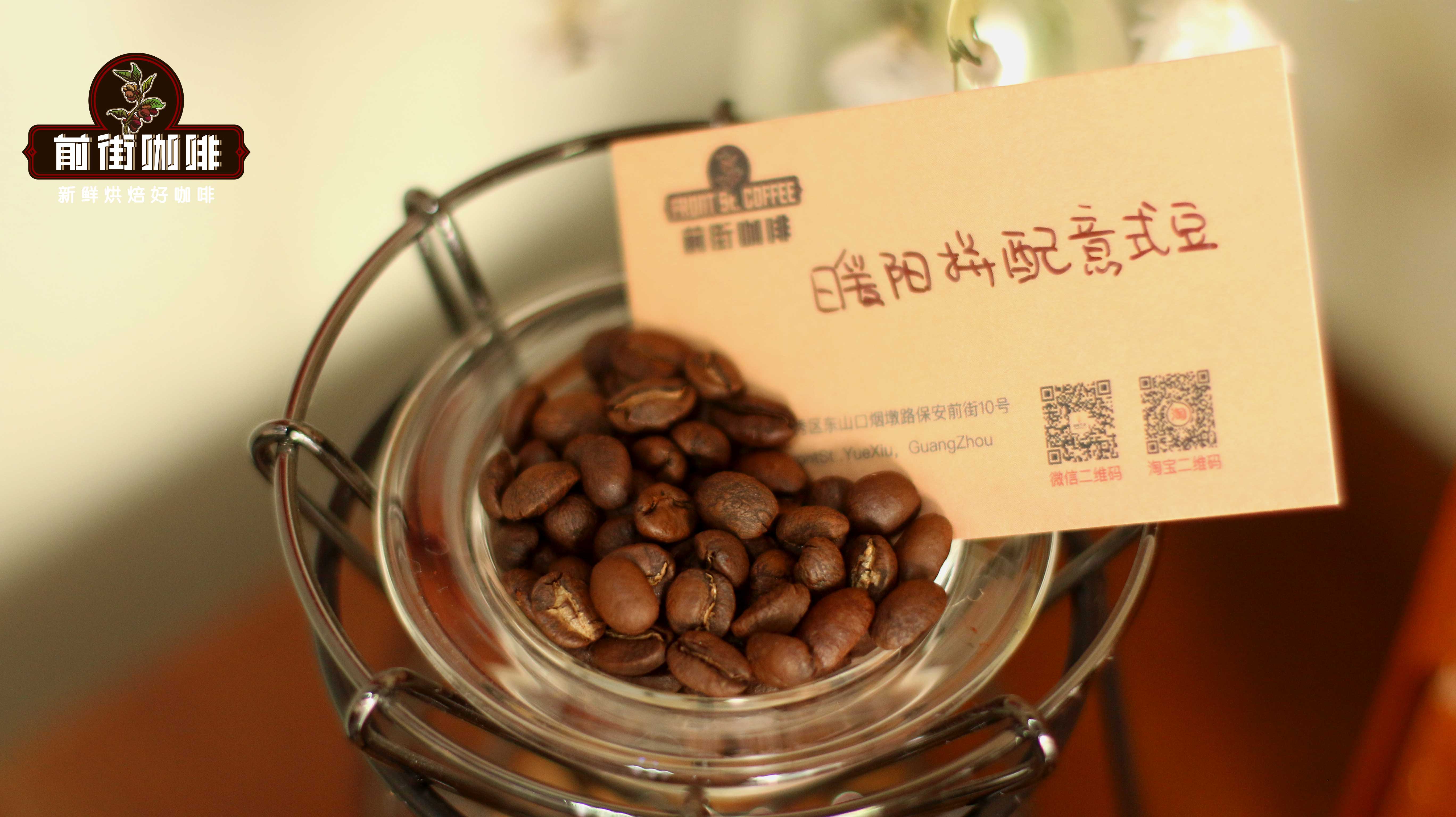
Advanced application example: for medium-dark roast blends (e.g., containing over 50% robusta or natural-process beans), a slightly coarser grind (close to granulated sugar texture) with a 1:2.1 brew ratio is recommended, extending extraction time to 32-35 seconds to bring out nutty and caramel finish notes. After opening each day, first rinse the portafilter with a little hot water to preheat the basket, and pull 1-2 test shots to calibrate parameters before official service.


