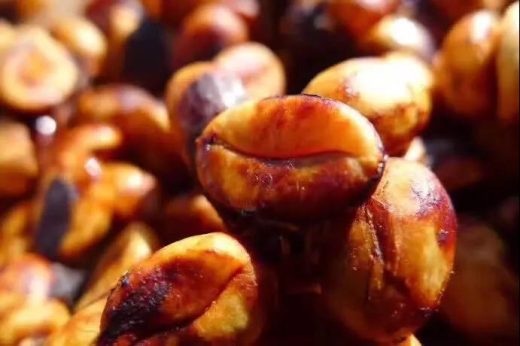
Kenya AA Coffee Beans: Origin Terroir and Light Roast Pour-Over Guide

Introduction: From AA-grade washed beans nurtured in the volcanic soil of Mount Kenya to the multi-layered flavors revealed by light, medium and dark roasts, this article systematically analyzes the core regional characteristics, grading standards and optimal brewing methods of Kenyan coffee. By comparing the sweet-acid balance at different roast levels, it guides you through the pour-over parameters and flavor evolution of this classic African bean, making it especially suited to specialty coffee enthusiasts who pursue bright fruit acidity and complexity.
[Regional Geography and the Code of Terroir] Kenya's finest coffees grow in the high-altitude zone between Mount Kenya and Mount Elgon, where elevations of 1,500–2,100 meters create a microclimate with pronounced day-night temperature swings. The volcanic soil here is rich in minerals such as potassium and phosphorus, and combined with abundant annual rainfall of 1,500–2,000 mm, it provides an ideal growing environment for Arabica coffee trees.
The Grading Code of Kenya AA
As the highest grade established by the Kenya Coffee Board (Grade AA), its screening standards are extremely stringent: only extra-large beans with a diameter of ≥17/64 inch (about 6.75 mm) are selected, and the beans must be plump and round with a defect rate below 3%. This grading system not only ensures the physical quality of the beans but also, through the auction system, directly connects farmers with international buyers, allowing high-quality estate beans to command a reasonable premium.
The Essence of Washed Processing
Using the traditional Kenyan washing method (fermentation time of 16–36 hours), with repeated soaking in fresh water and manual removal of floating beans, the beans ultimately take on a blue-green luster. This processing method fully preserves the sweetness compounds transformed from the pectin layer while strengthening the bright citrus acidity, creating the clean cup and clearly layered flavor profile characteristic of Kenyan beans.
Deconstructing the Light Roast
When the roast is controlled at City level (Agtron approximately 65–70), the dry aroma presents spicy notes of cinnamon and clove. Recommended pour-over parameters: water temperature 92–94°C, 1:15 coffee-to-water ratio, V60 dripper with staged pouring (first 30 g bloom for 30 seconds, then circular pouring up to 225 ml). Flavor profile: the opening segment leads with the sharp acidity of grapefruit peel and red currant, the mid-palate transitions to honey sweetness and a black tea texture, and the finish reveals lingering blackberry jam and a cooling mint note.
The Art of Balance in Medium-Dark Roasting
If switched to a medium-dark roast (Agtron approximately 50–55), the bean surface begins to show a slight sheen, and a French press is then more suitable (93°C water, 4-minute steep). The flavor shifts toward a mellow base of caramelized hazelnut and milk chocolate, the acidity turns into a soft apricot sweetness, and the persistence of the malt-sugar finish increases markedly. Take care to avoid over-roasting, which leads to smoky off-flavors.
Professional advice: light-roasted Kenyan beans are best consumed within 7–21 days after roasting, and a pre-infusion pour-over or a Clever Dripper better showcases their lively layers of fruit acidity. For storage, use an aluminum foil bag with a one-way degassing valve, keep it in a light-protected environment at 10–20°C, and maintain relative humidity below 50%.