Kenya Specialty Coffee Regions Guide: Washed vs Natural Flavors and Varieties

Introduction: Kenya, one of the world's top specialty coffee regions, is known for its bright acidity and complex layers. This article takes an in-depth look at the geography of Kenya's main coffee regions, the distinctive flavors of the dominant SL28/SL34 varieties, the signature 72-hour washed process, and the flavor differences between washed and natural beans. Practical parameters such as regional altitude and harvest seasons are included to help coffee lovers choose precisely and master the key brewing points.
Kenya's coffee industry is supported by nearly 700,000 smallholder farmers, with cultivation concentrated in the highlands at 1,400-2,000 meters. The main regions include the central highlands of Nyeri, Kirinyaga and Muranga, as well as Kericho on the slopes of Mount Elgon in the west. The volcanic-soil areas above 1,500 meters produce the most representative specialty beans, and harvesting is divided into two seasons, October-January and April-June.
Regional microclimates create distinct local character: Nyeri coffee is known for the fresh acidity of white grape and tomato, accompanied by caramel sweetness; the Thika region shows bright citrus, apple and plum acidity with excellent balance between sweetness and acidity. Kirinyaga coffees often carry a honeyed texture and a black-tea finish, while Embu's chocolate and berry flavors offer greater depth and complexity.
Kenya's signature flavor comes from two core varieties—SL28 and SL34. These disease-resistant varieties, bred by the Scott Laboratories, adapt perfectly to the cool high-altitude climate and preserve vivid citric acidity, berry notes and a full-bodied, wine-like mouthfeel. The supporting varieties Ruiru 11 and Batian are more resistant to leaf rust, but their flavor complexity is usually slightly lower.
Kenya's original K72 washed process is key to its quality: high-quality coffee cherries are sorted on the day of picking and, after pulping, undergo three 24-hour cycles of fermentation and clean-water rinsing (72 hours in total), with slow fermentation throughout at a low temperature of 15-20°C. This process fully breaks down the pectin without damaging acidity, creating the characteristic "bright, clean yet full" flavor structure. In the common washing-station grading, AA TOP represents the largest-screen lots with the lowest defect rate, usually from above 1,700 meters.
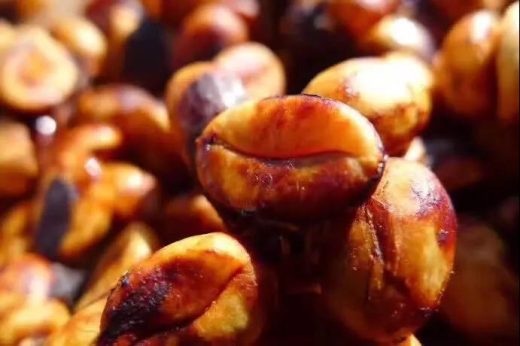
Naturally processed Kenyan beans are relatively rare, because of high losses and dependence on stable dry weather. Traditional natural processing sun-dries the beans in parchment directly, naturally drying them for 14-21 days to concentrate sugars and give Bourbon its original fermented aroma. For example, the French Mission Bourbon natural, though irregular in bean appearance with a higher defect rate, offers rich sweetness of caramel, jackfruit and tropical fruit, with a distinctive spice note in the finish—suited to advanced drinkers seeking unusual flavors.
Brewing advice: for light-roasted Kenyan washed beans, the ideal water temperature is 88-90°C, with a medium-fine grind (75-80% passing a Chinese standard No. 20 sieve), avoiding over-extraction that causes sharp acidity. For a V60, use 15 g of coffee to 240 ml of water, complete the first pour within 30 seconds, and aim for a total extraction time of about 2 minutes 10 seconds. If a grassy taste appears, check whether the roast is too light or the water temperature too low; if bitterness is obvious, the grind may be too fine or the bloom too long.
For Kenyan natural beans, the water temperature can be raised to 90-92°C to bring out sweetness; a French press or Clever Dripper is recommended to extend extraction and fully release the full-bodied texture. Store away from light in a sealed container, and drink within two weeks of opening to keep the flavors fresh.