Kenya Coffee Bean Grading System and Pour-Over Guide

Introduction: This article takes an in-depth look at the official grading standards and flavor characteristics of Kenyan coffee beans and explains the unique advantages of the washed processing method. It provides practical pour-over parameters for AA-grade beans, including the optimal grind size, water temperature control and brewing techniques, and reveals Kenya's end-to-end quality control system from cultivation to auction, helping you precisely capture the appeal of this classic bean.
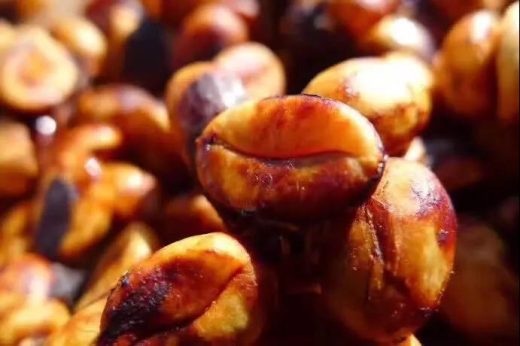
Kenyan AA-grade coffee beans are known for their plump, rounded structure and thick flesh. These beans are dense and absorb heat evenly, and after washed processing they present a brighter acidity. In the light to medium roast range (an Agtron reading of 65-75 is recommended), their citrus flavors and red-wine notes are especially prominent; extracted with a precise water temperature of 90-93°C, they can intensify the layered berry aroma and honey finish.
The legend of Kenyan coffee began in the late 19th century. Although Ethiopian coffee was initially introduced indirectly via South Yemen, the true foundation of the industry was laid in the early 20th century by the Bourbon varieties brought by the St. Austin Mission. Today the main growing belt lies in volcanic soil areas at 1,500-2,100 meters above sea level. With two harvest seasons each year, from October to December and from April to June, pickers may sort the same plant for ripeness as many as seven times, ensuring every coffee cherry that reaches the factory is in optimal condition.
The smallholder cooperative model is the cornerstone of Kenya's stable coffee quality: after the fruit pulp is removed, the fresh cherries become "parchment coffee," which is dried uniformly at cooperative washing stations across the country to a moisture content of 11-12%. These green beans, still wrapped in the endocarp, are sent to regional cooperatives for secondary grading and are ultimately settled with growers at a uniform average price—a trading mechanism that balances efficiency and fairness and has operated for nearly a century.
The Kenyan government enforces the world's strictest quality control through the Coffee Board of Kenya (CBK): all export beans must pass cupping and grading, and a law strictly prohibiting the felling of coffee trees safeguards the ecological sustainability of the growing regions.The highest grade in the auction system is round beans (PB), followed in order by AA++, AA+, AA and AB; the AA grade requires a bean screen size of ≥8.2 mm and a defect rate below 3%. Notably, the weekly Nairobi auction uses blind-tasting competitive bidding, and sample boxes carrying grower information allow buyers to precisely match flavor needs.
For washed Kenyan AA beans, a V60 dripper with a coffee-to-water ratio of 1:15-16 is recommended. A medium-fine grind is suggested (similar to fine granulated sugar, with about 75% passing through a No. 20 sieve). When pouring, use a three-stage extraction with a central radiating pattern: first pour 30% of the total water for a 30-second bloom, then pour in circles until reaching 125% of the water amount and pause for 30 seconds, and finally complete the remaining pour. Keep the whole process within 2:10 to 2:30 to effectively balance the bright citric acidity with the blackcurrant finish.
Professional roasters recommend controlling the development time (from the end of dehydration to first crack) at a ratio of 1:15-1:30 so that the Kenyan beans' distinctive jasmine aroma and grapefruit notes fully develop. For storage, note the moisture resistance of parchment packaging; after opening, green beans are best kept at below 15°C for no more than 3 months, while roasted beans are at their best 7-21 days after roasting.