How to Roast Yirgacheffe Coffee Beans: Light-Medium Roast Flavors and Roast Curves Explained
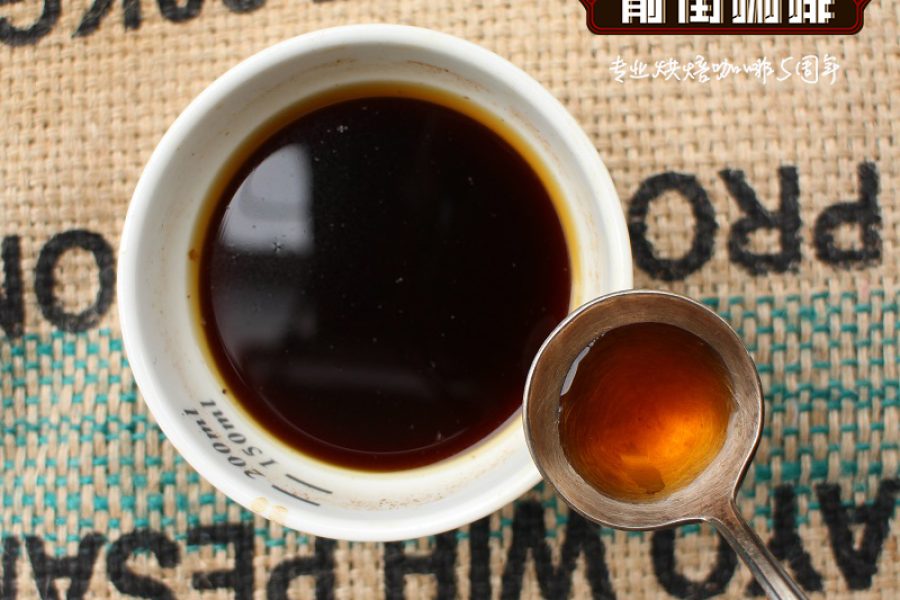
Introduction: As Ethiopia's most representative specialty coffee region, Yirgacheffe is beloved by coffee enthusiasts for its distinctive floral and citrus notes. But do you know how to bring out its best flavors through roast level? This article takes a deep dive into the suitable roast levels for washed and natural Yirgacheffe beans, reveals how drop temperature affects flavor, and provides professional roast curve references to help you find your own flavor balance point.
Ethiopia, the birthplace of coffee, has eight well-known regions. Yirgacheffe (Yirgacheffe) is located in the Gedeo (Gedeo) region in the south, and together with neighboring regions such as Kochere (Kochere) it forms a star region in the global specialty coffee market. Although administrative boundaries were redrawn after 2009, Yirgacheffe remains independent as a region thanks to its signature high-altitude wetland growing environment (about 1,900 meters) and unique flavors—the coffee produced here is known for bright acidity, delicate florals and citrus character. Even within the same region, microclimate differences between washing stations or cooperatives create subtle flavor variations.
Grading in this region uses a defect-count standard: mainstream washed beans are mostly G1-G2, while natural processing is commonly G3 and above (in recent years there have also been innovative cases of natural G1-G2). It is worth noting that the more than 4,000 unnamed native varieties locally are usually labeled collectively as "Heirloom," and a single batch may contain more than ten varieties—a system completely different from the clearly identified varieties of Central and South America. Although single-variety projects (such as the VARON series) have been launched in recent years, their heavy spice profile remains a niche choice.
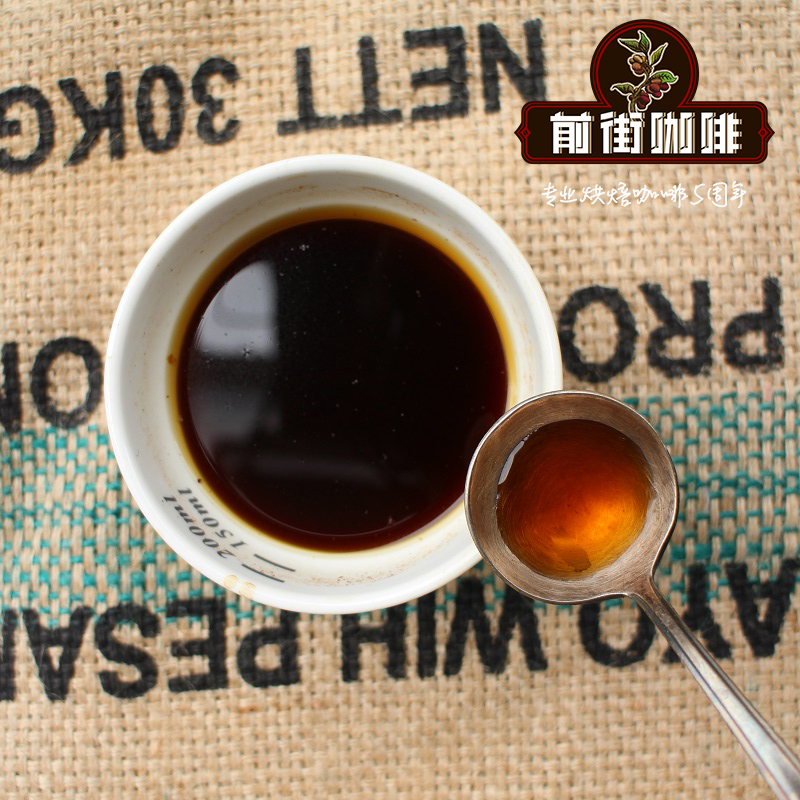
Regarding roast level selection, washed Yirgacheffe shows clear flavor tendencies: when pursuing a floral explosion and bright fruit acidity, a light roast (dense first crack to early development) preserves the highest proportion of volatile aromatic compounds; consumers who prefer sweetness balance can choose a medium roast (1-2 minutes of development after first crack), when sucrose caramelization begins to enhance sweetness without destroying the acidity structure. If you value a fuller body more, a medium-dark roast (development time over 2 minutes) will reduce acidity but can develop nutty and caramel layers—though beware the risk of woody flavors from over-roasting.
Natural-process Yirgacheffe gains extra fruitiness and sugar accumulation from the fermentation process, making its flavors more forgiving: a medium-light roast can already present rich fruit notes such as blueberry and tropical fruit, while the acidity is softer than the washed version; its dark-roast potential lies in intensifying black chocolate and caramel flavors. The key difference is that natural beans' inherently lower acidity baseline makes them more balanced than washed beans at the same roast level.
Roasters should pay particular attention to the decisive influence of drop temperature on flavor—this parameter directly affects the progress of sucrose caramelization (160-200°C range) and pyrolysis (above 200°C). Experimental data shows: when drop temperature is controlled in the 195-202°C range, Yirgacheffe achieves its best flavor balance: ensuring full conversion of floral and fruity aromatic compounds (such as phenylethanol, which contributes rose aroma) while avoiding smoky off-flavors from excessive pyrolysis. Below 190°C tends to leave green, grassy notes in the beans, while above 205°C accelerates the loss of aromatics and produces burnt bitterness.
Professional roast curve recommendations (using a 12kg semi-direct-fire roaster as an example):
- Drying phase: raise temperature at 5-8°C/minute in the 140-160°C range to ensure even moisture loss
- Before first crack: maintain a steady rate of rise (about 3°C/minute) from 160-190°C to promote the onset of Maillard reactions
- First crack phase: charge beans when density drops to 0.68g/cm³; first crack starts at about 195°C
- Development phase: for washed beans, 45-60 seconds of development after first crack is recommended (corresponding to drop at 202-204°C); for natural beans it can be extended to 70-90 seconds (204-206°C)
Brewing parameters for reference (key to enhancing flavor expression): when using a V60 dripper, use a coffee-to-water ratio of 1:15-1:16, water temperature 89-92°C (choose the lower end for light roasts), and a grind size equivalent to fine granulated sugar (about 75% passing a No. 20 sieve). When pouring, use a central circular motion; the first pour of 30% of the total water for a 30-second bloom effectively awakens floral and fruity aromatics. Common pitfalls to avoid: over-grinding leading to over-extraction (which amplifies sharp acidity and astringency), or insufficient water temperature resulting in a dull flavor.


