Yirgacheffe Coffee Bean Flavor Analysis and Pour-Over Guide: Washed vs Natural and Grind Advice
Introduction: An in-depth analysis of the core flavor characteristics of Ethiopian Yirgacheffe coffee beans, comparing the process differences and cup profiles of washed and natural processing methods. From the growing environment at 1,700-2,300 meters to the 1:15 golden coffee-to-water ratio, we provide professional-grade pour-over parameters (91-93°C water temperature / 80% grind through a No. 20 sieve), along with a detailed bloom and pouring plan, to help you precisely capture the layered changes of lemon black tea notes and berry fermentation aromas.
 As Ethiopia's most representative specialty coffee region, Yirgacheffe's 2,300-meter high altitude nurtures a distinctive citrus character. The area is shrouded year-round in mist formed by Lake Turkana, and the day-night temperature difference together with mineral-rich volcanic soil shapes its signature bright acidity—both the crispness of freshly bloomed jasmine and the rounded lingering finish of honey-soaked berries.
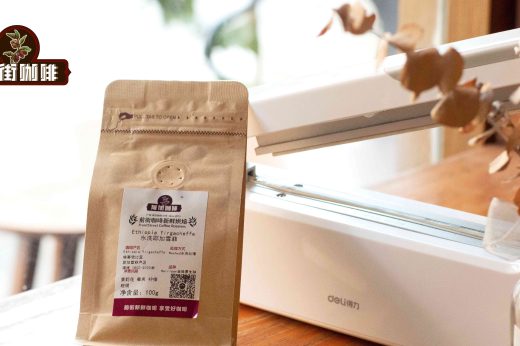
The diversity of the region's microclimate extends into three adjacent sub-regions: Wenago, Kochere, and Gelena Abaya. Among them, Kochere is often included in the broad Yirgacheffe category due to its similar misty valley terrain. Farmers mostly use a mixed backyard planting model, growing coffee trees together with crops such as bananas, which both ensures ecological balance and stabilizes annual income. The harvested coffee cherries are processed collectively by cooperatives, so retail bean bags usually list the processing station name rather than a specific estate.
 The Red Cherry Project was a key turning point in improving quality. Launched in 2007 by a Dutch trading company as a technical improvement project, it strictly selects fully red ripe fruit, pairs this with a precise microclimate zoning harvest strategy (single-season output controlled at 1.5-3 tons), and brings in a professional cupping team to guide processing. The project not only promoted the standardization of the washed process but also established Yirgacheffe's position as a global specialty coffee benchmark.
The native Heirloom variety is the soul of Yirgacheffe. Among the nearly 2,000 genetic variants formed through thousands of years of natural hybridization, although only 1,927 native varieties have been officially recorded, their complex genetic background creates an unrepeatable floral and fruity character. To protect biodiversity, the government has not disclosed detailed variety information, and beans sold on the market under the general name Heirloom actually carry the essence of Ethiopia's coffee gene pool.
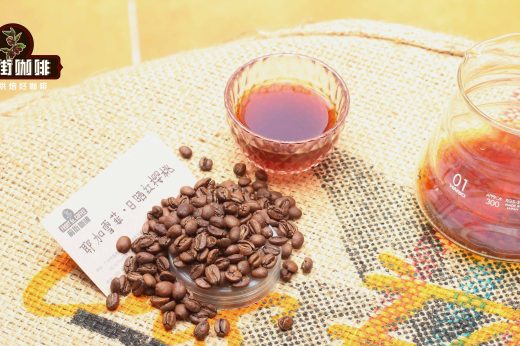
Processing differences directly influence flavor direction: The washed process removes the pectin layer completely through 18-hour fermentation, producing clear citrus acidity and tea-like notes, suitable for drinkers who prefer a clean cup; the natural process extends the contact time with the fruit pulp, developing wine-like fermentation layers and caramel sweetness. The Red Cherry Project specifically requires fully red cherry harvest and manual turning with temperature control, increasing sweetness by more than 30%. The water use of the two processes contrasts sharply—washing consumes 40-50 liters per kilogram, while natural processing requires only natural evaporation.
 Professional-grade pour-over parameters: use a V60 dripper (grind with 80% passing through a No. 20 sieve) with 91-93°C hot water; a 1:15 coffee-to-water ratio balances strength and flavor development. For staged extraction, first bloom with 2 times the coffee weight in water (e.g., 30 ml for 15 g of beans) for 30 seconds to activate carbon dioxide, then pour in a small stream in circles to 125 ml as the first stage, continue pouring to a total water volume of 225 ml, and finish extraction (about 2 minutes total).
 Note that each 1°C increase in water temperature sharpens the acidity, while lowering it highlights nutty notes.
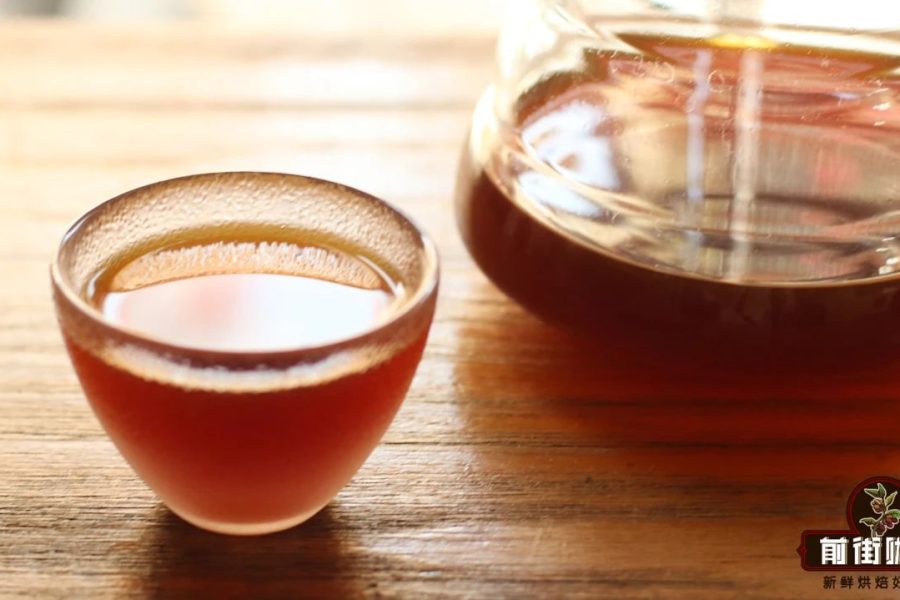
The flavor wheel shows a clear divide by processing method: The washed version is dominated by high-acid fruits such as lemon and pineapple, accompanied by a black tea finish and lingering citrus aroma; the natural version combines strawberry fermented wine aromas with a creamy texture, with sweetness coverage above 60%.
 Grinding too fine can easily cause over-extraction and astringency. It is recommended to judge the adjustment direction by the state of the oils within 2 minutes after brewing—a golden oily film indicates full extraction, while too much white foam means the grind should be coarsened.
Store in a dark, sealed container, with relative humidity recommended at 55%-65%.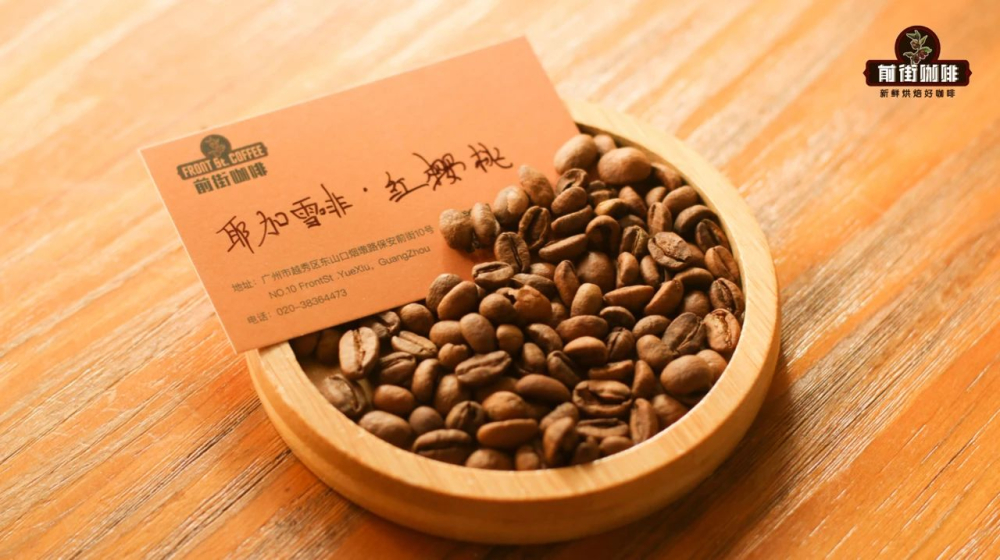 Freshly roasted beans perform best during the degassing period (7-14 days after roasting), when citrus aromatic compounds and sugar conversion reach a golden balance point. Comparative experiments show that under proper storage conditions, Yirgacheffe's flavor peak can last 3-4 weeks.