The Complete Guide to Espresso Tamping: Scientific Control of Puck Density and Extraction
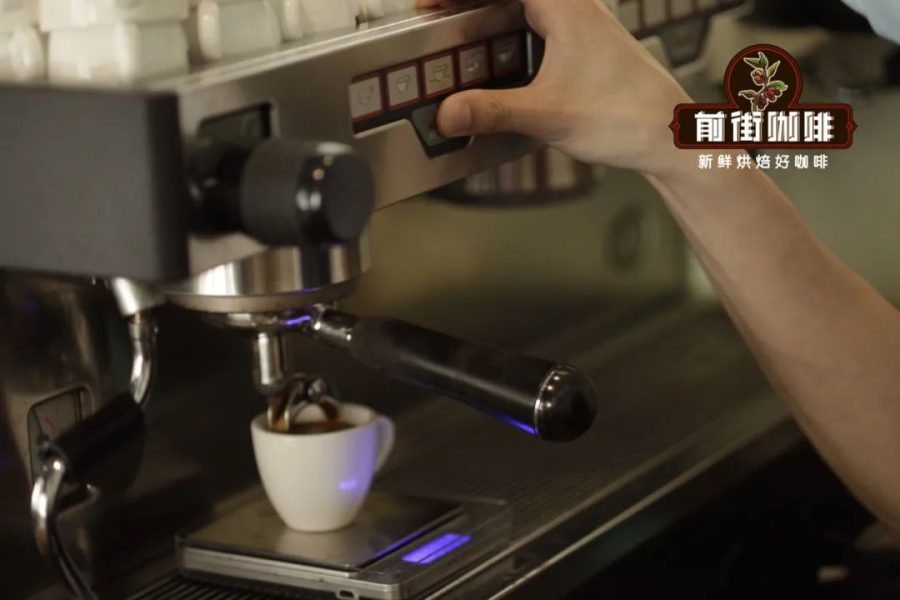
Introduction: Mastering espresso tamping technique is key to producing stable extraction. This article explains in detail the complete process of even coffee grounds distribution, tamping pressure control, and puck formation, analyzes the impact of overly loose or overly tight pucks on water flow paths, provides professional-level tamping techniques (such as the spin-leveling technique), and compares the applicable scenarios of light tamping and heavy tamping. By adjusting puck density under 9 Bar pressure, it helps baristas avoid pucks with holes and achieve balanced flavor extraction.
When making high-quality espresso, the quality of coffee grounds tamping directly affects the final extraction result. An ideal puck should have uniform density and a level surface, ensuring that hot water at 9 atmospheres of pressure can penetrate the coffee bed at a stable flow rate and fully extract aromatic compounds. If done improperly, whether the puck is too loose or too tight, the water flow balance will be disrupted.
When coffee grounds are tamped too loosely, the high-pressure water flow preferentially passes through the loose areas with the least resistance, forming visible depressed holes. This uneven extraction leads to a coexistence of localized over-extraction and under-extraction, not only losing the core flavor layers but also potentially producing burnt, bitter off-flavors. Experimental observations show that the perforation locations in loose pucks tend to concentrate in the center or at the edges of the puck.
Conversely, an overly compacted puck forms an almost sealed hard block structure. Even under standard 9 Bar pressure, water struggles to break through the dense coffee bed, which may extend extraction time to more than 30 seconds. The resulting coffee liquid is not only small in volume and light in color, but also flat in flavor due to insufficient channeling. In some cases, an overly tight puck can even develop localized perforations in the area contacting the inner wall of the portafilter basket.
The professional-level tamping process includes three key steps: first, use the natural weight of the tamper to complete initial leveling; then apply a vertical downward main tamping force (recommended 15-20 kg of pressure); finally, correct the puck surface with a horizontal rotation. In practice, you can first place the tamper gently on the surface of the coffee bed to eliminate obvious unevenness, then press down at a uniform speed to the set depth. Advanced techniques include rotating the tamper clockwise for 3 turns and then counterclockwise for 1 turn; this action can make the surface of the approximately 58 mm diameter puck smoother and reduce random channeling deviations during subsequent extraction.
With the spin-leveling technique, pay attention to force control—beginners are advised to first reduce the rotation range (e.g., 1 turn each way), and increase the number of rotations after becoming proficient. If obvious ridges are found at the edge of the puck, you can gently tap the outside of the portafilter basket with the edge of the tamper to help shape it.
In industry practice, tamping methods are divided into two categories: light tamping and heavy tamping. Light tamping relies on the tamper's own weight (about 5-8 kg) and is suitable for scenarios pursuing operational consistency; heavy tamping requires additional manual pressure and, although it can increase puck density, involves more variables. Data shows that in shops using tamper-weight tamping, the daily flavor stability of their output is about 37% higher than with manual heavy tamping. A special reminder: after completing tamping, be sure to remove the tamper promptly to avoid residual pressure causing the puck structure to loosen over time.
Maintenance recommendations: regularly check the wear condition of the portafilter basket (especially metal deformation in the 9 Bar pressure area), and ensure the basket temperature reaches the 90-96°C working range before use. For beginners, you can first use a small amount of clean water to test the puck's permeability and observe whether the water flow spreads evenly in a radial pattern.