A Complete Espresso Extraction Guide: Parameters and Flavor Balance
Introduction: Mastering espresso comes down to precise control of extraction parameters and flavor layers. This article details the full workflow from calculating the dose-to-yield ratio and adjusting grind to avoiding channeling, using science-backed parameter ranges (such as 9 bar pressure / 94°C water temperature / 1:1.7–2 brew ratio) and hands-on details (checking tamping evenness, observing flow rate) to help coffee professionals and enthusiasts understand how to achieve an ideal extraction state through variable adjustment, with solutions to common problems from a professional barista's perspective.
 The quality of espresso directly determines the final performance of milk-based coffee drinks. Many beginners mistakenly treat latte art technique as the core, but in fact a stable espresso base is the key. A high-quality espresso should present a full-bodied mouthfeel and clear layers; if the base's flavor is unbalanced, even the finest milk foam cannot save the overall performance.
 Blended coffee beans have a significant advantage in espresso production. Beans from a single origin are greatly affected by seasonal climate, and flavor fluctuates noticeably from batch to batch; a scientifically proportioned blend can complement the characteristics of beans from different origins to ensure flavor stability. For example, mixing high-acidity light-roast beans with dark-roast beans in a specific ratio preserves a bright fruity acidity base while enhancing the full-bodied finish.
 In a practical case, a 3:7 blend of naturally processed Ethiopian beans and Honduras Sherry-barrel fermented beans, extracted at 9 bar pressure, presents a three-stage flavor evolution: the initial stage brings out a fresh citrus note, the middle stage turns to caramel sweetness, and the final stage retains a finish of dark chocolate and nuts. This structured flavor design effectively supports the layered performance of milk coffee.
Particular attention must be paid to the necessity of daily parameter calibration. Coffee beans continue to release carbon dioxide after roasting; for about 14 days they are in a flavor development period, during which density and porosity keep changing. Even with the same equipment, bean batches of different freshness can differ by up to 15% in their response to pressure (standard 9 bar) and water temperature (recommended range 92–96°C). Professional advice is to use a brew ratio of 1:1.7 to 1:2 as the baseline, with a double espresso (20 g dose) targeting a yield of 40±2 ml, and dynamically adjust with total time kept in the 25–30 second range.
The standard procedure begins with equipment preparation: when removing the portafilter, keep it in close contact with the preheated group head to avoid temperature loss from metal heat conduction. Before the first flush, be sure to run the group head cleaning routine—turn on the extraction key and rotate the portafilter horizontally 360° for 10 seconds to rinse away residual oils. This step can eliminate about 60% of the risk of channeling while preventing odors from the hot copper surface from contaminating fresh coffee grounds.
The basket preparation stage requires strict moisture control: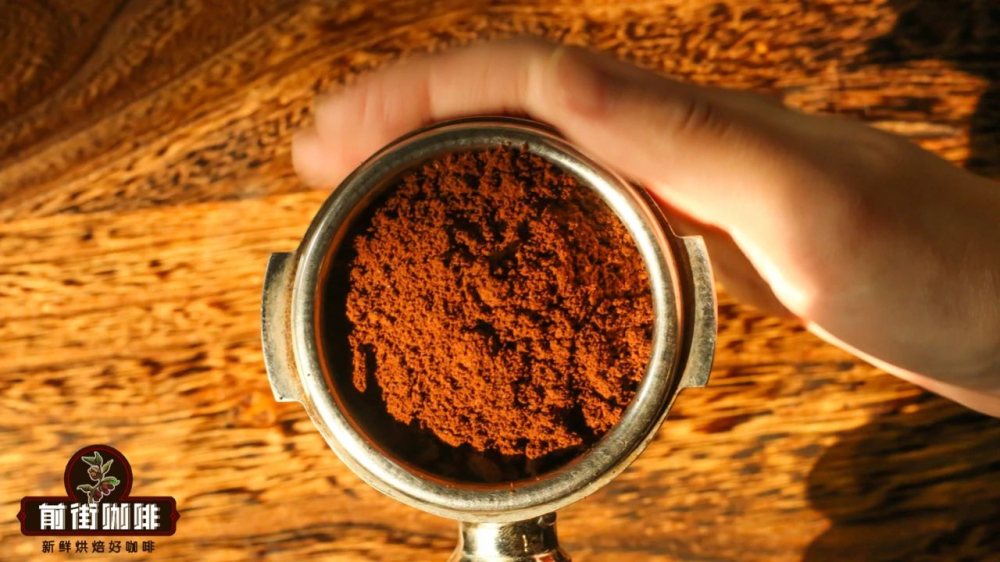 use a dry burlap cloth to thoroughly wipe the inside of the filter basket, focusing on the area around the outlet holes. Ground coffee should be used immediately after grinding; a staged loading method is recommended: first add 70% of the dose and lightly tap the edge of the basket to settle the particles, then add the remainder. This method can keep the puck density error below 5%, significantly improving extraction uniformity.
Distribution and tamping directly affect flow stability. A professional distributor should be pressed down vertically to form a level bed matching the basket diameter (error ≤1 mm). Tamping is done in two stages: the initial press uses 20 kg of force to form a basic dense layer, and the final press applies 30 kg to ensure uniform puck density (verifiable with the coin-edge test—the puck surface should evenly support a coin without sinking). Note that extraction must be completed within 90 seconds after tamping to prevent excessive oxidation of the coffee grounds in the hot environment.
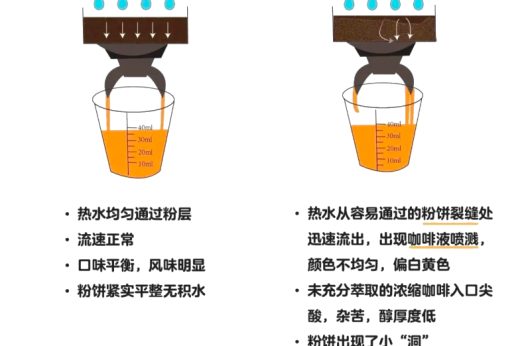
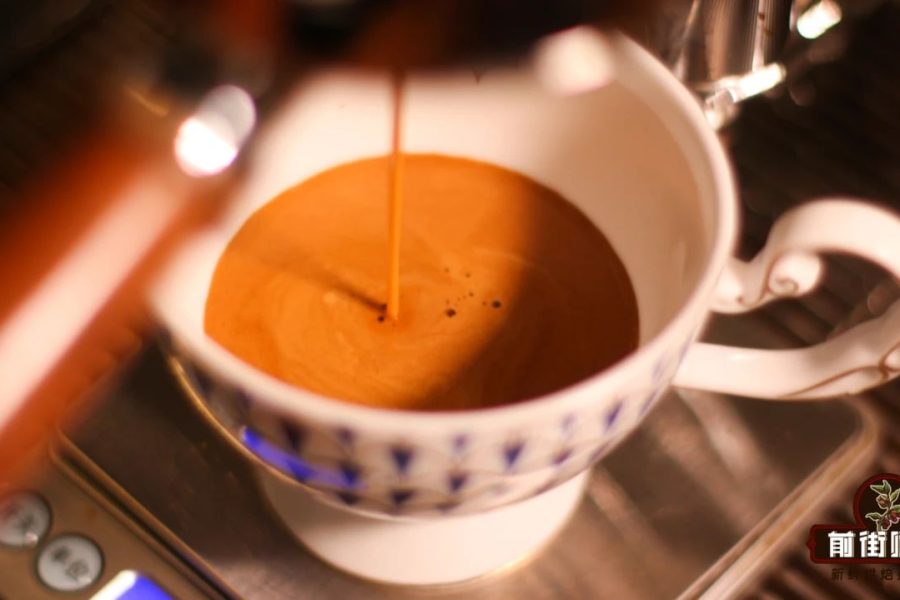
Extraction monitoring requires observing three indicators simultaneously: the ideal flow should be a continuous honey-like stream at 2–3 drops per second. If a spraying flow appears (>5 drops/second), the grind is too coarse or the tamping force insufficient; if it comes out as single drops (<1 drop/second), the grind needs to be finer or the tamping lighter. An advanced technique is to sense the puck cracking by the stethoscope principle—an even puck should produce a steady hissing sound, and abnormal popping sounds indicate channeling.
Quality verification uses a dual standard: first check puck integrity—after removing the portafilter, the puck surface should show a complete mirror-like face with no local collapse (a depression deeper than 1 mm means tamping failed). Second, perform a dilution test: add an equal amount of 93°C hot water to the extraction to make an Americano; a high-quality espresso should show a clean mouthfeel, with bitterness fading in less than 3 seconds and no rough, grainy texture. During batch production, make 8 or more consecutive shots while keeping parameter variation ≤±0.5 seconds.
 Common troubleshooting solutions include: when the flow is too fast, first fine-tune the grind setting (1/8 turn at a time is recommended), then check tamping evenness; a sharp sourness may come from water temperature too high (above 96°C) or insufficient pre-infusion, which can be improved by extending the bloom time (2–3 seconds); a persistent over-extraction problem (bitter finish) requires checking whether the brew ratio exceeds 1:2.2 or the extraction time crosses the 35-second threshold.