Espresso troubleshooting guide: common problems and brewing tips
Introduction: Making an excellent espresso is not easy; from crema appearance to water flow, every detail can affect the final flavor. This article takes an in-depth look at four typical problems in espresso making, including unstable crema, uneven extraction, and abnormal water flow, and offers practical solutions and operating advice to help coffee lovers master key techniques and improve coffee quality at home or in the shop.
Espresso quality often depends on precise control of several key factors. Many coffee lovers think making espresso is simple, but consistently delivering the ideal flavor and mouthfeel requires a deep understanding of the craft. This article focuses on the most common problems in espresso making, helping you troubleshoot and optimize them one by one to improve the performance of every cup.
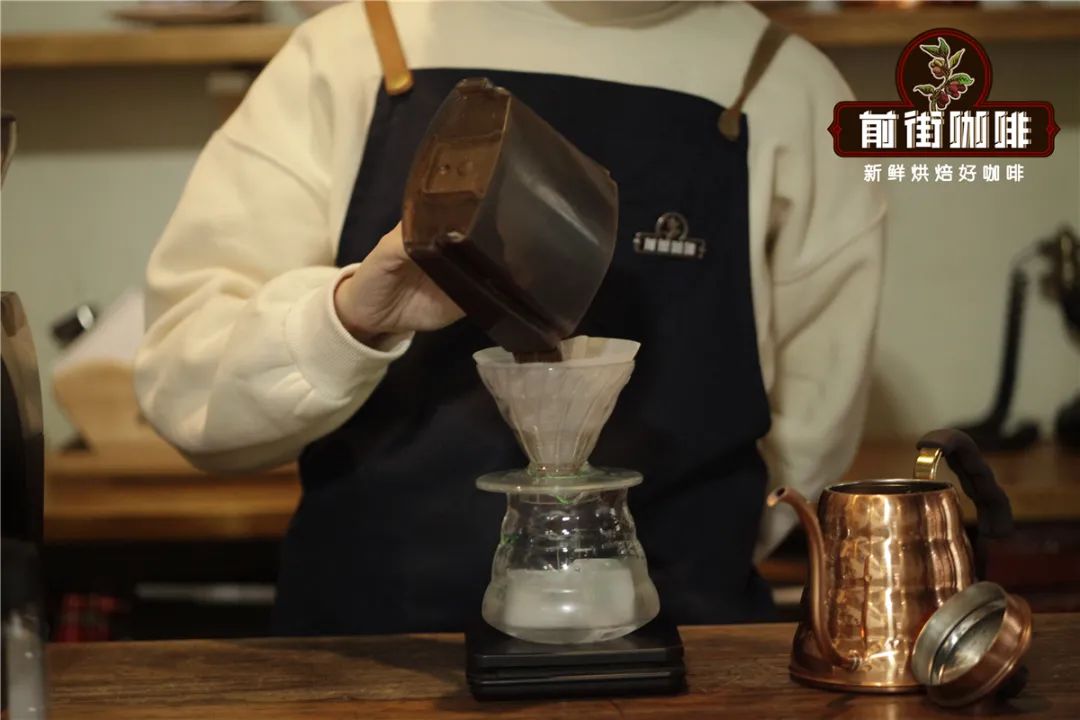
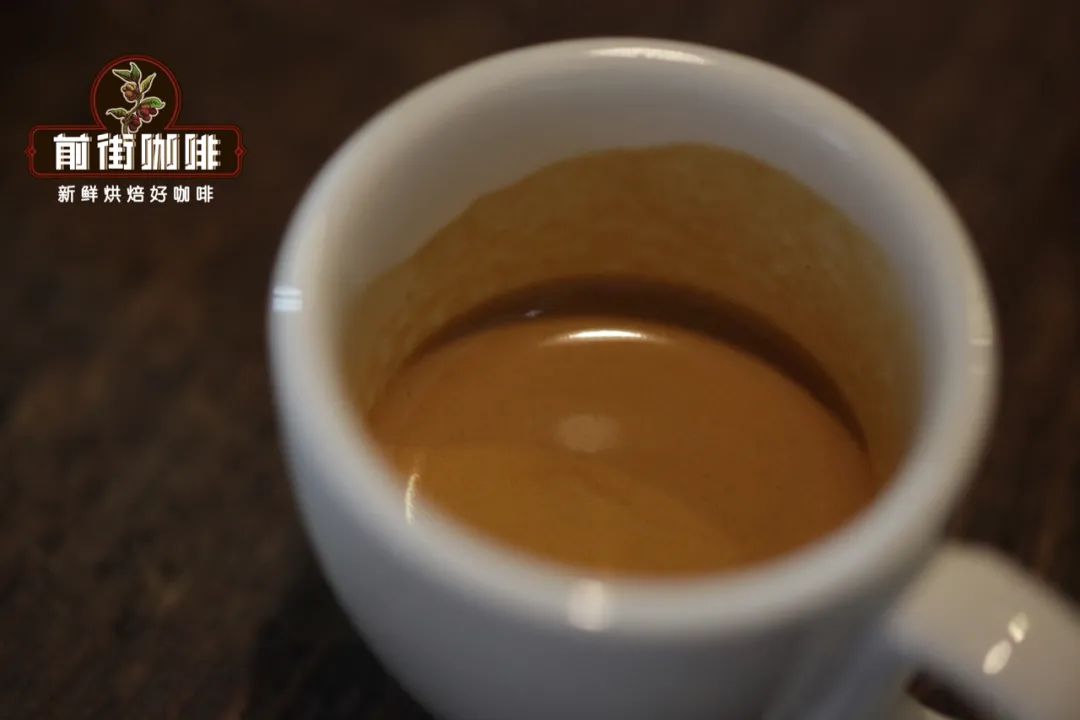
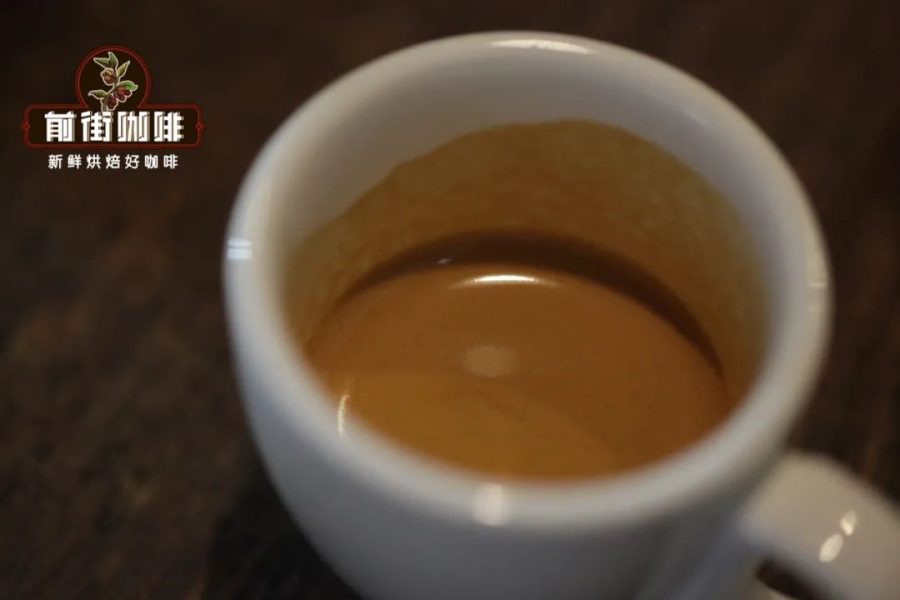
Problem 1: Large crema bubbles with poor persistence
When the crema from your extraction has large bubbles that do not last, first pay attention to the roast date of the coffee beans. Freshly roasted beans release a large amount of carbon dioxide; if the beans are very recently roasted (usually within 1–3 days after roasting), these gases have not fully escaped, which easily leads to larger but loosely structured crema that struggles to maintain a fine, dense texture. It is recommended to let newly roasted beans rest for at least 4 days to "degas," allowing internal gases to escape naturally; the crema's texture and stability will then be better. Note, however, that the peak flavor period of coffee beans generally does not exceed 21 days; storing them too long causes aroma loss and noticeably poorer crema. In addition, as the beans continue to degas, their flavor characteristics gradually change, so it is advisable to plan the use cycle reasonably according to actual needs.
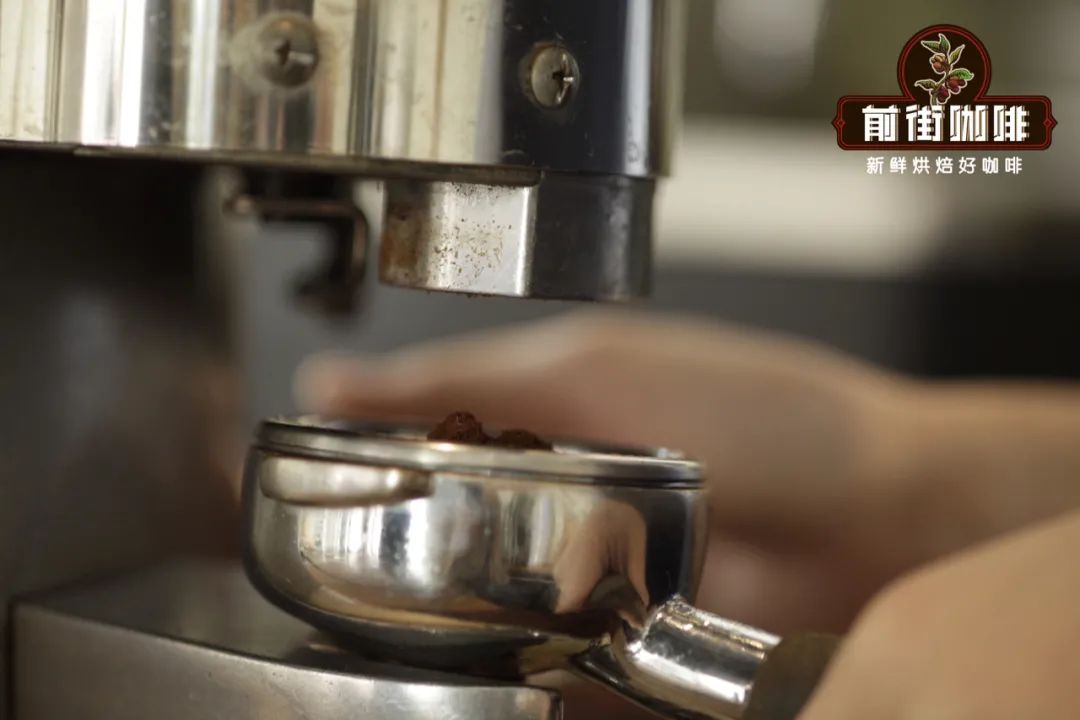
Problem 2: Coffee completely lacks crema
If the extracted espresso has almost no crema on the surface, two causes are possible: first, the coffee beans are past their freshness period, and the crema components have naturally broken down after long storage; second, the crema forms and then quickly dissipates, which is usually related to insufficient resting. If you confirm the beans are within their freshness period (recommended use within 7–21 days after roasting) but there is still no crema, check the storage conditions—coffee beans should be stored in a cool, dry environment, away from direct sunlight, high temperatures, or humidity, and especially must not be put in the refrigerator, otherwise temperature fluctuations and moisture will accelerate flavor deterioration. In addition, ensuring the beans are well sealed to reduce contact with air is also key to maintaining crema performance.
Problem 3: Extraction water flow splits
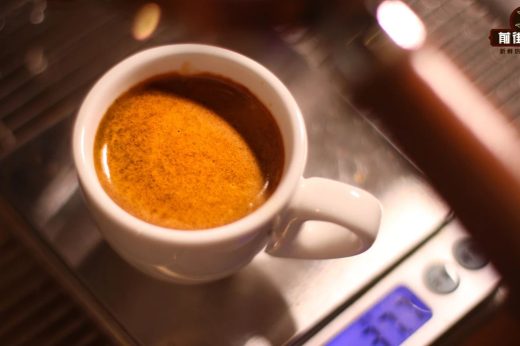
In an ideal espresso extraction, water should pass evenly through the coffee puck under 9–10 atmospheres of pressure, forming a stable central flow. If the flow splits (that is, the flow leans to one side or breaks into multiple thin streams), it indicates uneven coffee distribution or inadequate tamping, causing some areas to have too little resistance so water preferentially takes these "shortcuts." To improve this problem, note the following: first, ensure an accurate dose when weighing coffee (usually about 7–9 grams for a single espresso and about 18–20 grams for a double), and distribute it evenly into the filter basket to avoid local gaps; second, make sure the portafilter is dry before use, as residual moisture reduces puck density and affects flow uniformity; third, apply even pressure when tamping (recommended 30–40 pounds of pressure, about 13–18 kilograms), avoiding areas that are too loose or too firm; finally, after tamping there is no need to knock the edge of the portafilter, as excessive knocking can loosen the puck structure and instead worsen flow splitting.
Problem 4: Extraction flow changes color too quickly
Normally, espresso extraction should show an even amber gradient. If the flow color quickly becomes lighter in a short time (for example, from dark brown to pale yellow), it usually means under-extraction: the soluble substances in the coffee have not fully dissolved, resulting in a thin body, insufficient sweetness, and even obvious bitterness or an earthy taste. The flow changing color too quickly may be related to three major factors: first, insufficient bean freshness, with gases released too early affecting extraction efficiency; second, an improper grind setting, as too coarse a grind causes water to pass through too quickly and shortens extraction time; third, an insufficient dose of coffee, which cannot form enough resistance. It is recommended to check the grinder's setting (espresso grind is usually fine, close to the texture of fine granulated sugar) and adjust tamping pressure according to the dose, ensuring extraction time stays within 25–30 seconds to achieve a balanced flavor.
Beyond the operational details above, the stability of the espresso machine is also an important factor affecting espresso quality. Temperature fluctuations directly affect extraction efficiency and flavor balance. It is recommended to choose a machine with constant-temperature control (especially multi-boiler system models), which can more precisely maintain the extraction water temperature within the ideal range of 90–96°C. Although single-boiler models cost less, the water temperature is easily affected by steam or hot-water functions during heating, leading to unstable extraction temperature and thereby affecting the coffee's overall performance.