The Complete Guide to Italian Coffee: Extraction Parameters and Flavor Analysis from Espresso to Milk Coffee
Introduction: This article systematically analyzes the core categories of Italian coffee, its brewing principles, and home brewing techniques, covering the standardized parameters for classic espresso and milk coffee combinations (such as dose, water temperature, and pressure), and compares the influence of different extraction methods on flavor. By explaining in detail the formation mechanism of crema and the logic for choosing between blended beans and SOE, it helps coffee enthusiasts precisely master the essentials of making everything from a single Espresso to a Flat White.
Italian coffee is characterized by high-pressure extraction, which must be completed with an espresso machine at 9-10 atmospheres of pressure. Its essence is the synergistic effect of high temperature (90-96°C) and high pressure to rapidly extract soluble substances from the coffee grounds, forming a high-concentration essence. Traditional Italian recipes mostly use multi-origin blended beans to balance acidity and bitterness, but under the specialty coffee trend of recent years, single-origin (SOE) espresso has gradually become popular, as it can more clearly present the terroir characteristics of a specific origin.
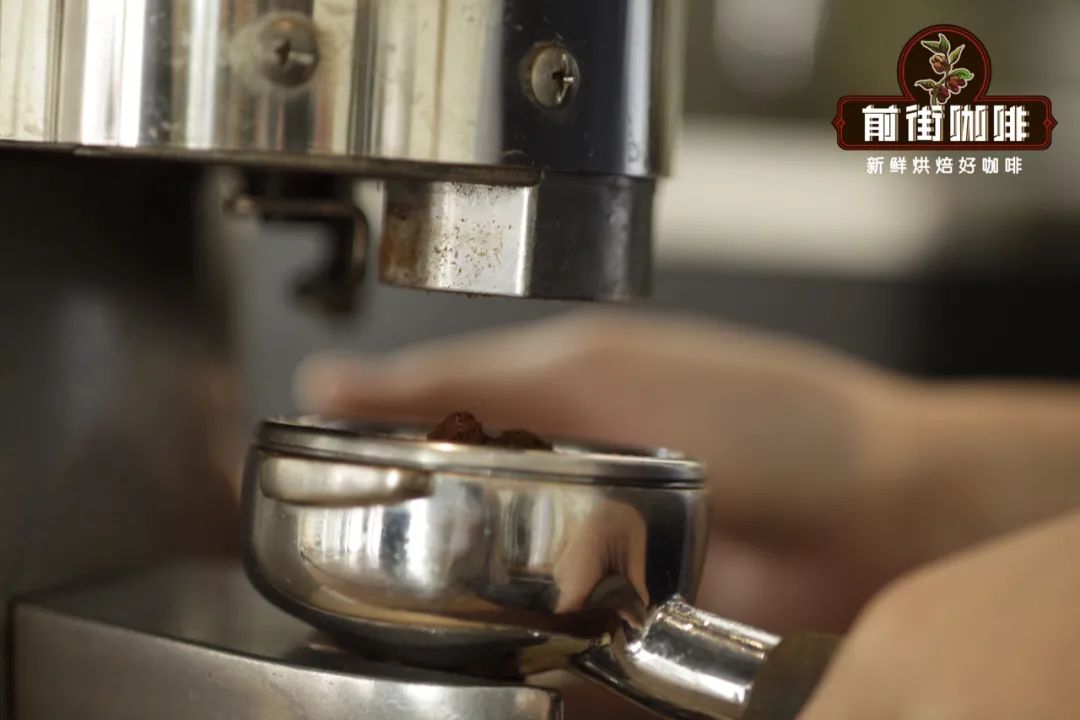
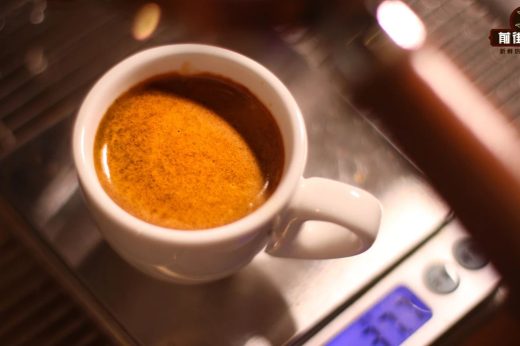
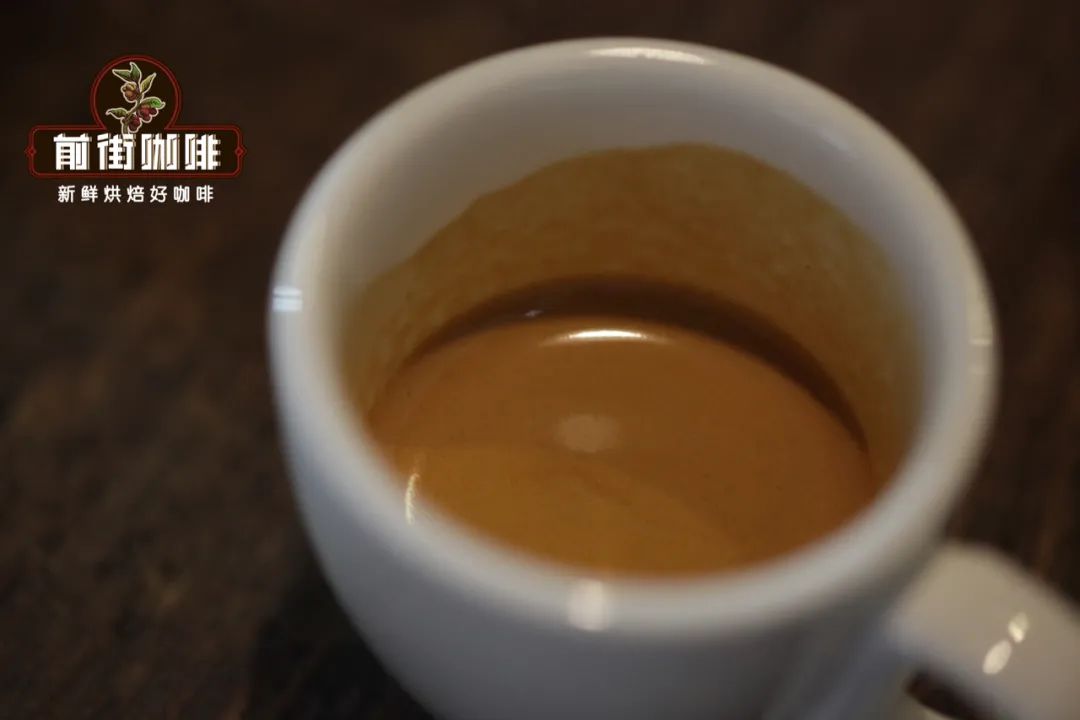
The soul of Italian coffee is Espresso—each standard serving uses a dose of 7±0.5g, with extraction time controlled at 20-30 seconds, ultimately producing 25-35ml (about 1oz) of dark liquid. During this process, the carbon dioxide in the coffee grounds expands under pressure and adheres to the surface of the liquid to form a golden-brown foam layer, namely Crema. Freshly roasted beans, due to their high carbon dioxide content (usually 1-1.5ml per gram), can generate a thicker (3-5mm) and more persistent crema, which is an important indicator for judging bean freshness.
Several classic variations have developed based on Espresso: Ristretto (the restricted-flow version) uses the same dose but shortens the extraction time to 15-20 seconds, producing only 15-20ml of espresso, with a richer and more concentrated mouthfeel; Lungo (long extraction) extends the extraction to 30-40 seconds, expanding the coffee-to-water ratio to more than 1:5, with a concentration close to Americano but retaining more oils; Americano is made by pouring 60-100ml of hot water into a single Espresso to dilute it, restoring a lighter mouthfeel similar to drip coffee; note that the water temperature should not exceed 93°C to avoid over-extraction.
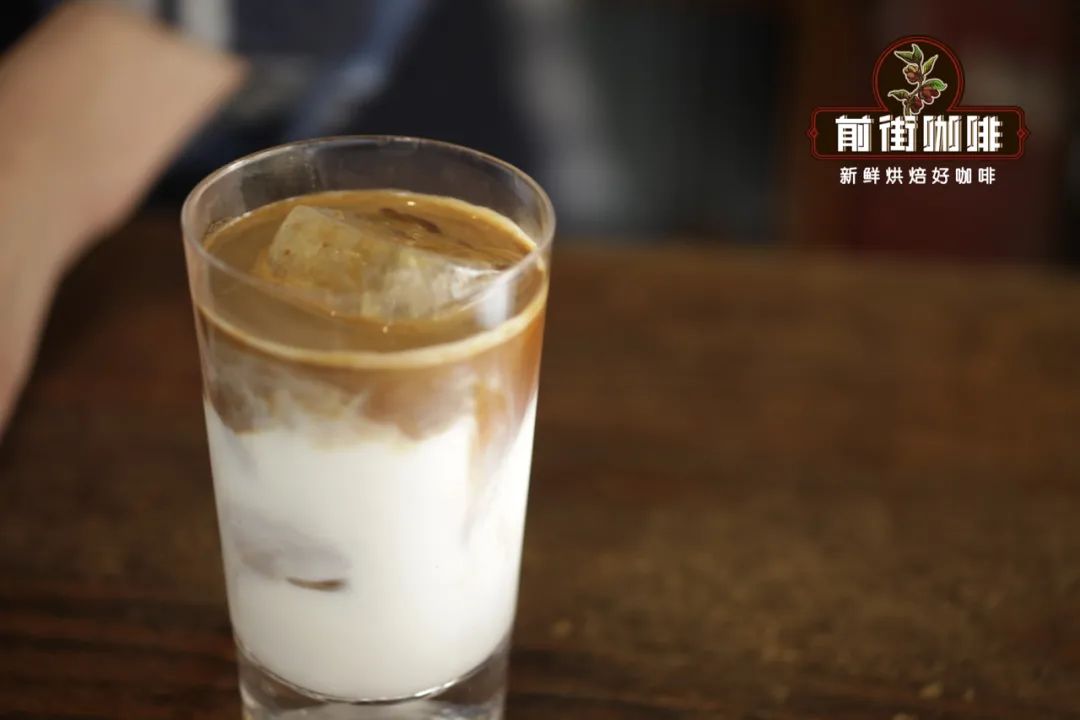
The milk coffee family uses Espresso as its base and derives diverse flavors by adjusting the milk ratio and steaming state: Macchiato adds only 10-15ml of microfoam (with a texture as fine as velvet), creating a "marked" effect on the surface of the espresso; Con Panna is topped with 15-20g of refrigerated light cream (fat content 30-35%), suitable for consumers who like the aroma of fats. A standard Cappuccino requires a 1:1:1 ratio (espresso:steamed milk:milk foam), with a milk foam layer 2-2.5cm thick; Flat White reduces the amount of milk foam (0.5-1cm), emphasizing the integration of milk and coffee, and places higher demands on steam wand temperature control (55-65°C). Latte uses 200-250ml of milk as its base, with milk foam as fine as silk; the mini version Piccolo uses Ristretto espresso paired with 50-80ml of milk, suitable for drinkers who prefer a strong coffee flavor.
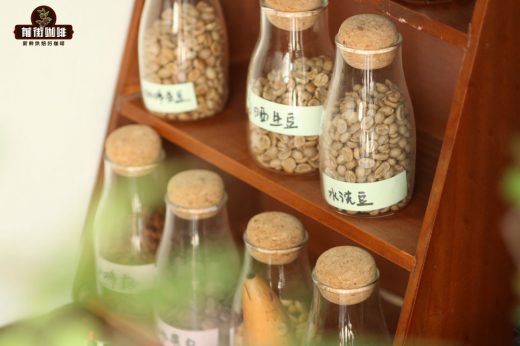
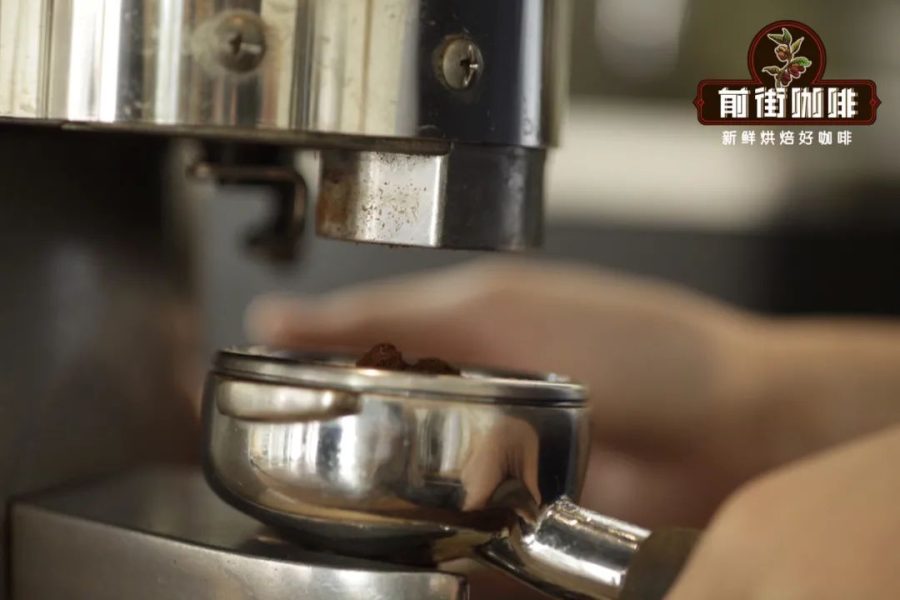
For home preparation, note the following: for blended beans, choose a medium-dark roast level (with sufficient caramelization) to ensure crema stability, while for SOE, give priority to a medium roast (to highlight fruity acidity and floral-fruity notes). The grind size needs to match the machine pressure, usually from extremely fine granulated sugar to flour-like (200-300 microns), and freshness is best within 7-21 days after roasting. Before extraction, ensure the puck is tamped evenly (with a force of 30-40 pounds) to avoid channeling that causes uneven extraction.