Cold Drip vs Cold Brew: Grind Size Guide and Flavor Comparison
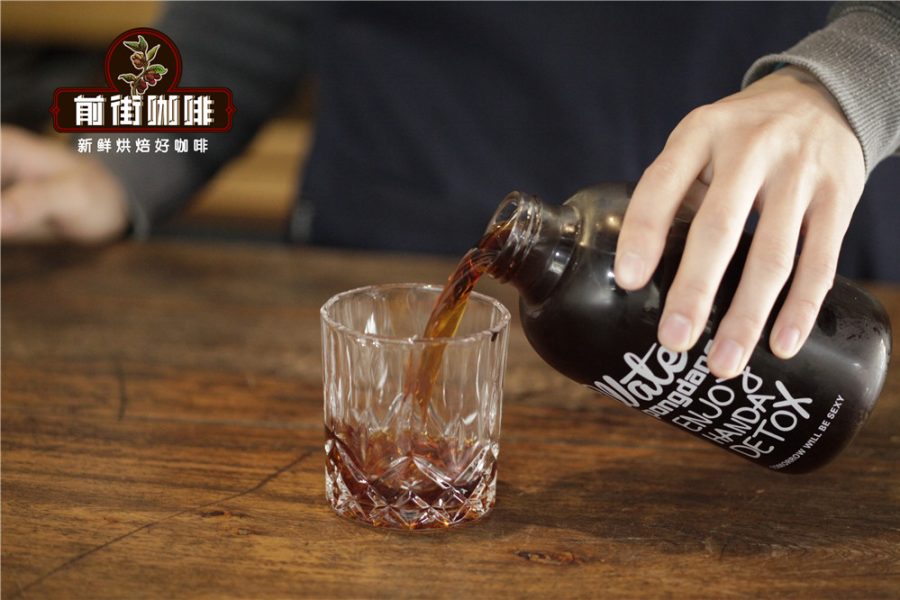
Introduction: Cold drip and cold brew are popular low-temperature extraction methods in summer, and their grind size choices and taste differences are often discussed. This article explains the core principles of both extraction methods, the optimal grind coarseness (75% passing rate through a No. 20 sieve), practical parameters (coffee-to-water ratio/time/valve speed), and compares the flavor performance of the same beans under different processes, helping you accurately grasp the entry points of these two "slow extraction" coffees.
As summer approaches, demand for low-temperature extracted coffee rises significantly. Whether cold drip or cold brew, both use slow extraction to preserve coffee's fresh acidity and floral-fruity notes, making them ideal choices for hot weather. Although both methods belong to low-temperature extraction, they differ significantly in extraction method, flavor presentation, and operational details.
The essential difference between cold drip and cold brew lies in the extraction form: cold drip uses a drip-filtration method, controlling the water flow rate (water height and flow) so that water droplets continuously penetrate the coffee grounds layer, a process that gives the coffee more pronounced layers; cold brew is an immersion method, mixing coffee grounds directly with cold water and letting it stand, which extracts flavor compounds more fully and ultimately presents a fuller, richer body. Understanding this basic difference is the first step in choosing what suits your taste.
So-called low-temperature extraction uses a low-temperature environment to slow the breakdown of oils, acids, and sugars in coffee. At low temperatures, flavor molecules do not volatilize easily but remain in the coffee liquid—when the drink's temperature rises, these "locked-in" aromas are released in concentration. The advantage of this method is avoiding over-extraction of bitter compounds, but the drawback is also obvious: complete extraction requires more than 6 hours, placing higher demands on patience and time planning.
When making cold drip and cold brew, it is recommended to prioritize light-roast coffee beans. Light-roast beans usually have prominent sweetness and acidity, which fits better with the characteristics of low-temperature extraction. Regarding grind size, no complicated adjustment is needed; use the same coarseness as for pour-over light-roast beans: a 75% passing rate through a No. 20 standard sieve (about 10 grams of grounds yielding 7.5 grams after sieving), with particles similar in size to fine granulated sugar. In practice, if using a conical burr grinder, refer to a setting of around 9.5.
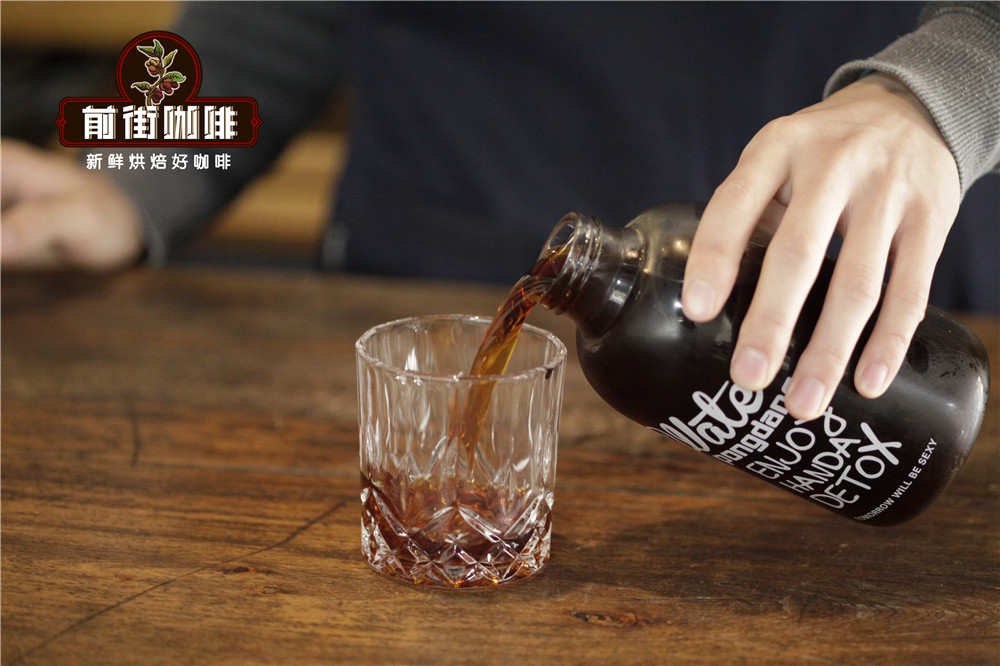
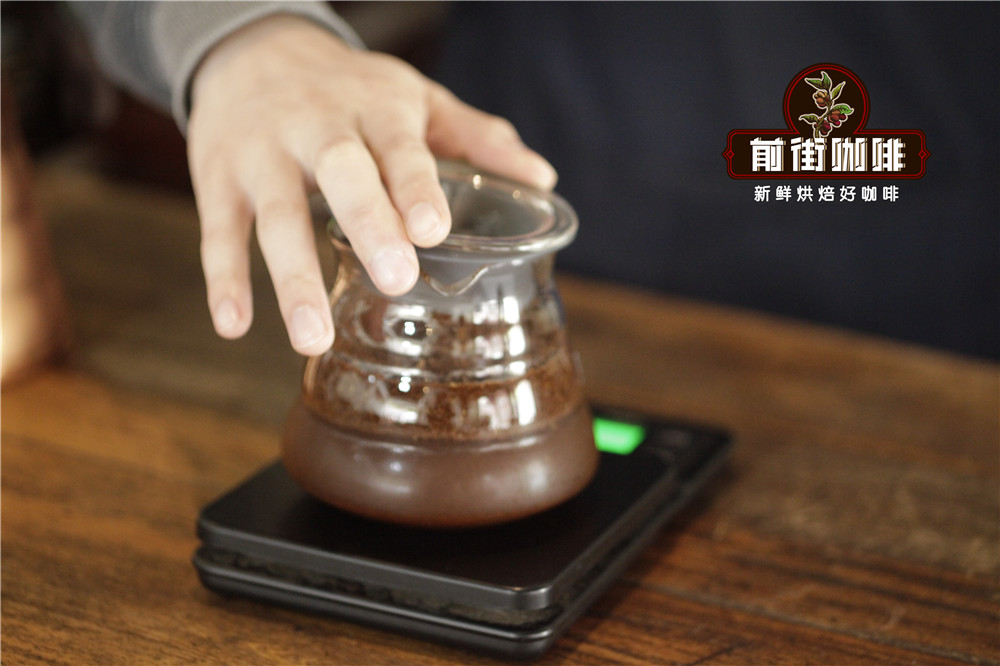
Making cold brew coffee at home is very simple and requires no special tools. Taking 30 grams of coffee grounds as an example (at a 1:15 coffee-to-water ratio), grind the beans to the coarseness above, then mix with 300 grams of ice water in a clean sealed container. Stir thoroughly so the grounds and water contact evenly, cover, and place in the refrigerator, letting it stand for 12 to 24 hours (too short and the flavor is insufficient; too long and it may over-extract). After completion, filter out the coffee grounds and drink; the taste is clean and refreshing, suitable for those who prefer a light experience.
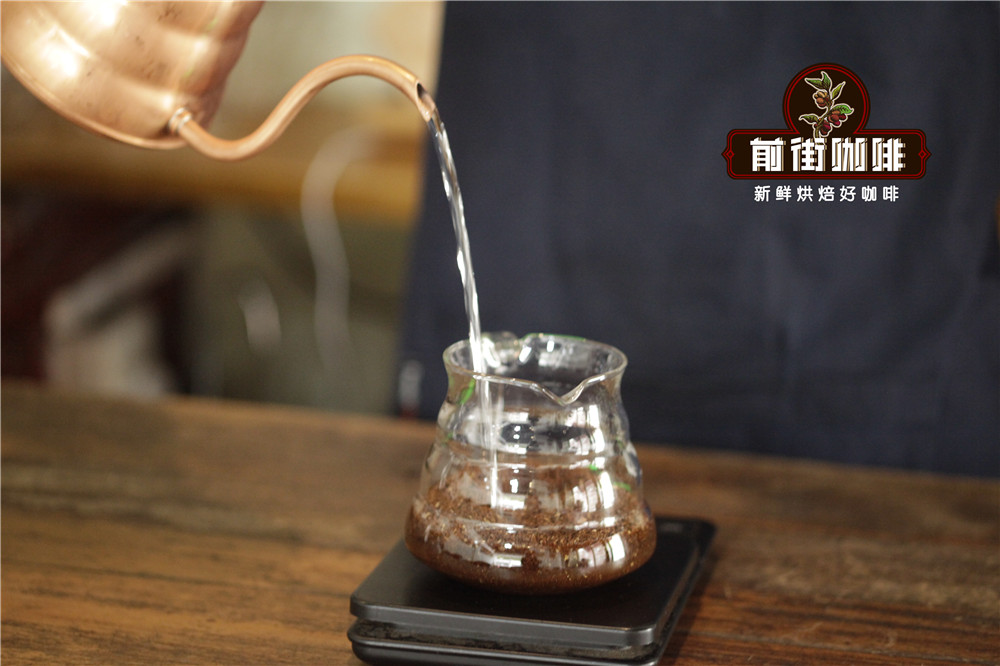
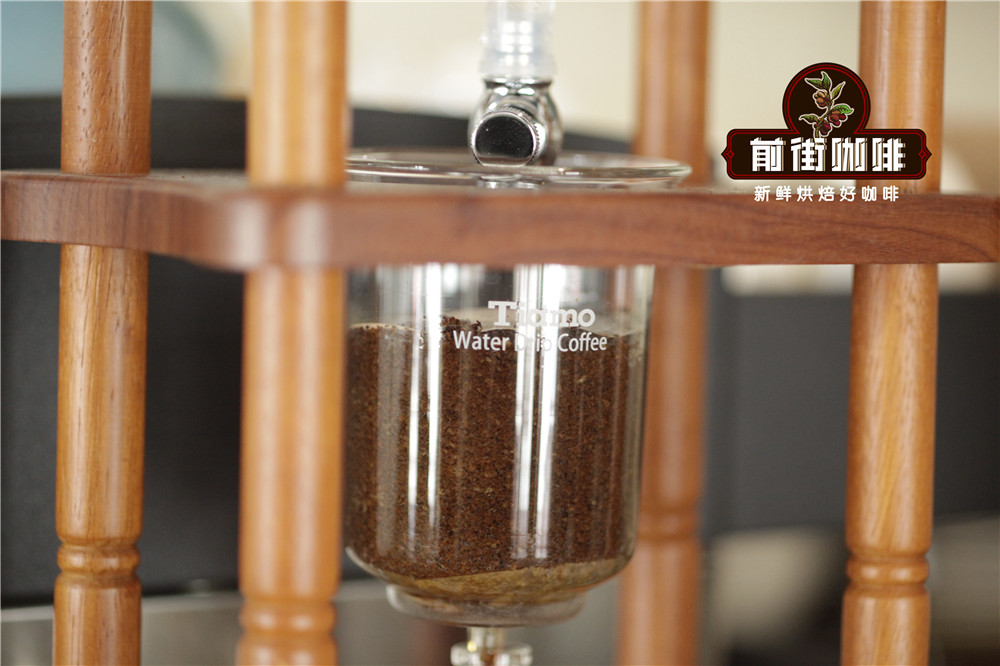
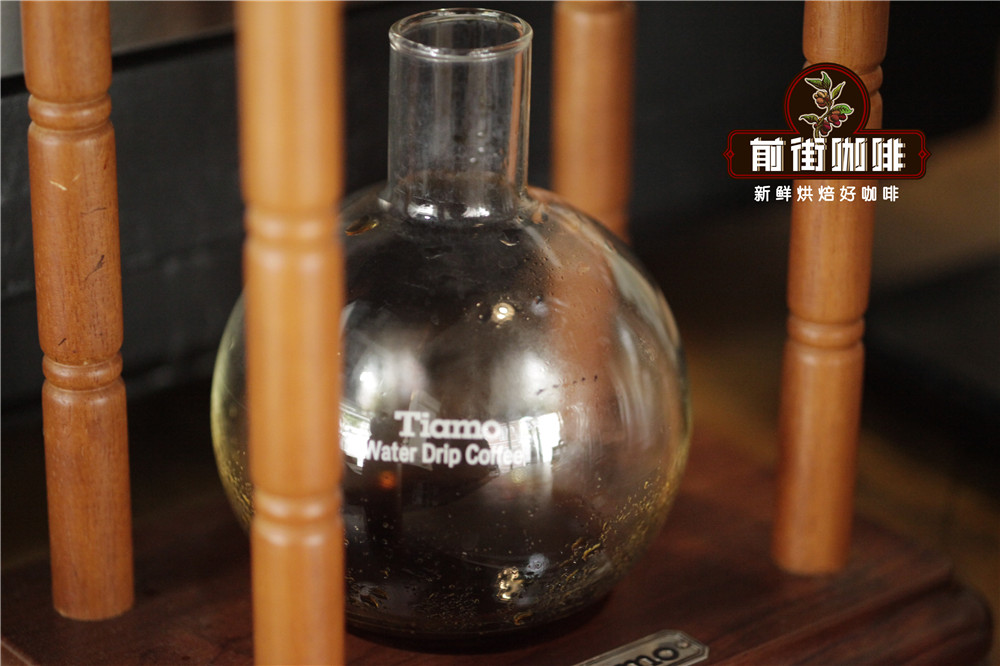
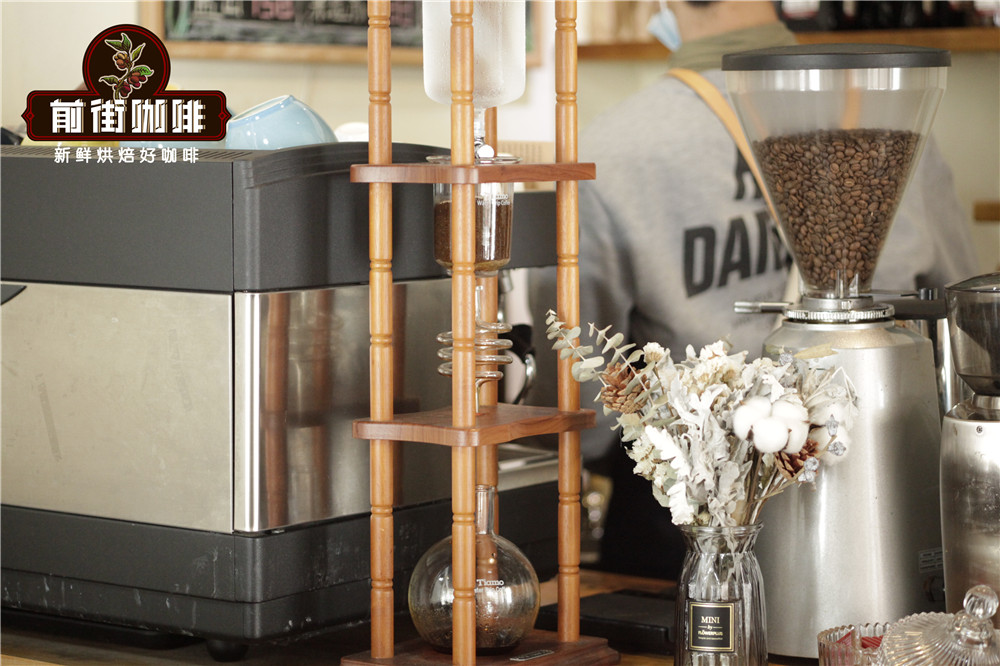
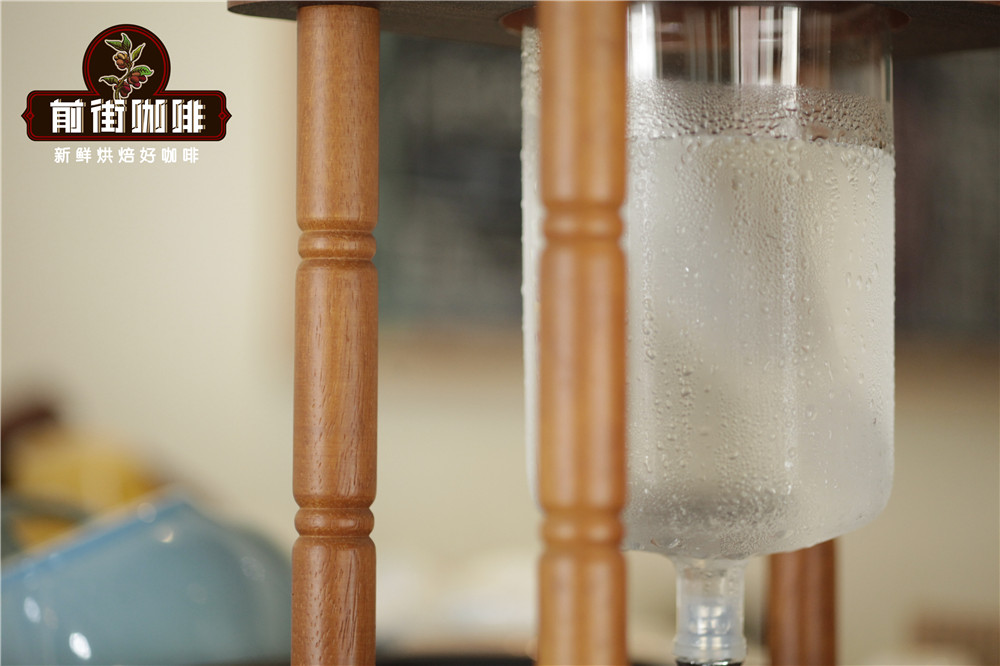
Cold drip coffee is relatively more complex to operate and relies on a dedicated cold drip brewer. Taking 60 grams of coffee grounds as an example (1:13 coffee-to-water ratio), first place a round filter paper at the bottom of the second-layer powder cup (wet it with water to adhere to the cup wall), pour in the ground coffee and shake it level; you may lightly press or use the weight of a tamper to level it, then cover the top of the grounds layer with another layer of filter paper—the tension of the filter paper ensures even water distribution, preventing long-term dripping from causing local depressions that affect extraction uniformity. The pre-infusion stage requires "blooming" the grounds layer with ice water (similar to pour-over blooming); at this time, add water in small amounts multiple times to prevent the powder surface from denting and causing uneven extraction. During formal extraction, adjust the drip speed valve to about 7 drops per 10 seconds, and continue dripping until 780 milliliters of coffee liquid is obtained. Note that freshly completed cold drip coffee has not yet fully released its flavor; it is recommended to let it rest in the refrigerator for more than 8 hours to let carbon dioxide pressure promote the integration of aromatic substances and oils, further enhancing the taste layers.
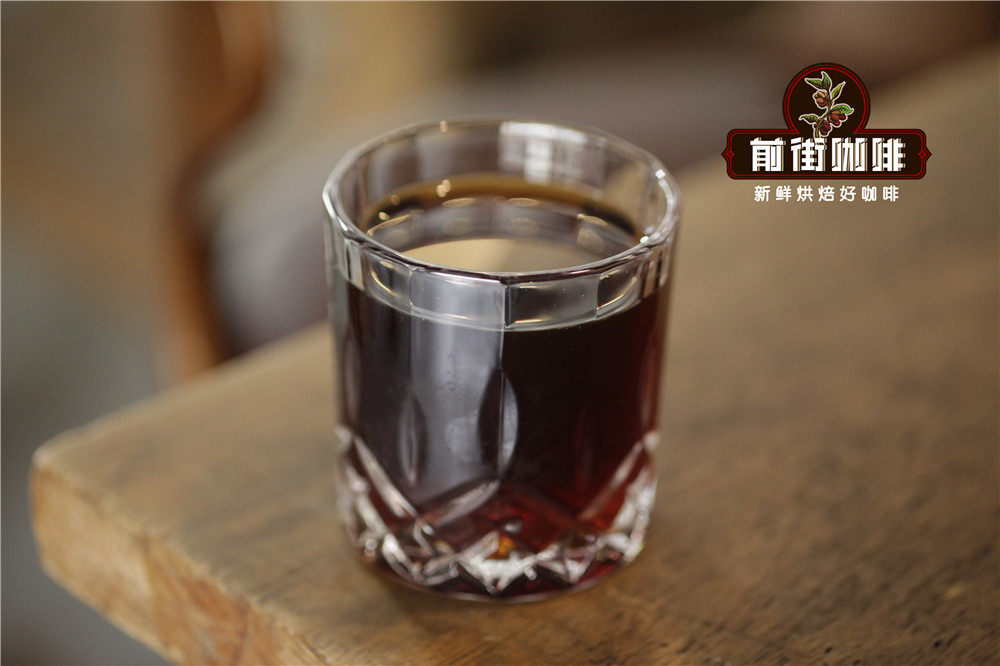
When the same coffee beans (for example, a sun-dried Red Cherry variety) are made using cold drip and cold brew, the flavor differences are especially obvious. The cold drip version presents a sweet-and-sour base of mixed berries with a slight fermented sensation, and the overall taste is fresh, clean, and smooth; the cold brew version highlights a full berry juice sensation, with more prominent fermented flavors and significantly higher body. If you seek a pure and refreshing iced coffee experience, cold drip is the preferred choice; if you prefer a rich and full-bodied taste, cold brew better meets the need.