Drip Bag Coffee Brewing Guide: Quick and Pour-Over Parameters
Introduction: Drip bag coffee is a coffee format that combines convenience with flavor, suited both to the daily commute and to home tasting. This article explains the origins and principles of drip bag coffee and two mainstream brewing methods (a quick version and a standard pour-over parameters version), covering key elements such as water temperature control, pouring technique and timing, plus flavor preservation tips and reminders of common mistakes, to help you easily extract a layered, richly flavored coffee experience.
In 2001, Japan's UCC Ueshima Coffee invented and patented drip bag coffee, an innovative format called in Japanese "one-cup extraction coffee." Its design is ingenious: the coffee grounds are sealed inside a non-woven fabric or cotton paper filter bag, with two foldable paper supports on the outside. When in use, the supports are unfolded and hung on the rim of the cup, as if "adding ears" to the cup, hence the name. Compared with instant coffee, drip bags extract by drip filtration, which more fully preserves the coffee beans' original aroma; the body is mellow and the barrier to entry extremely low.
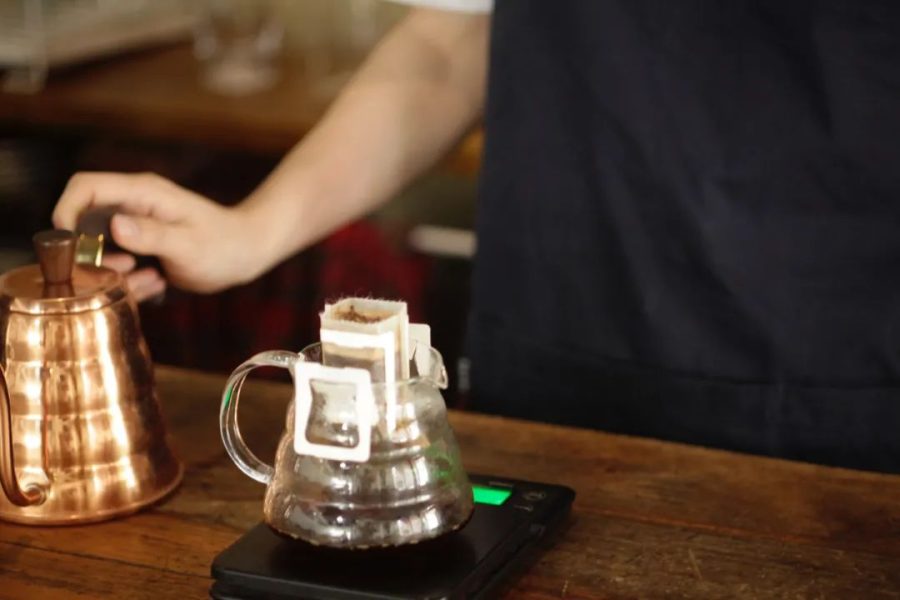
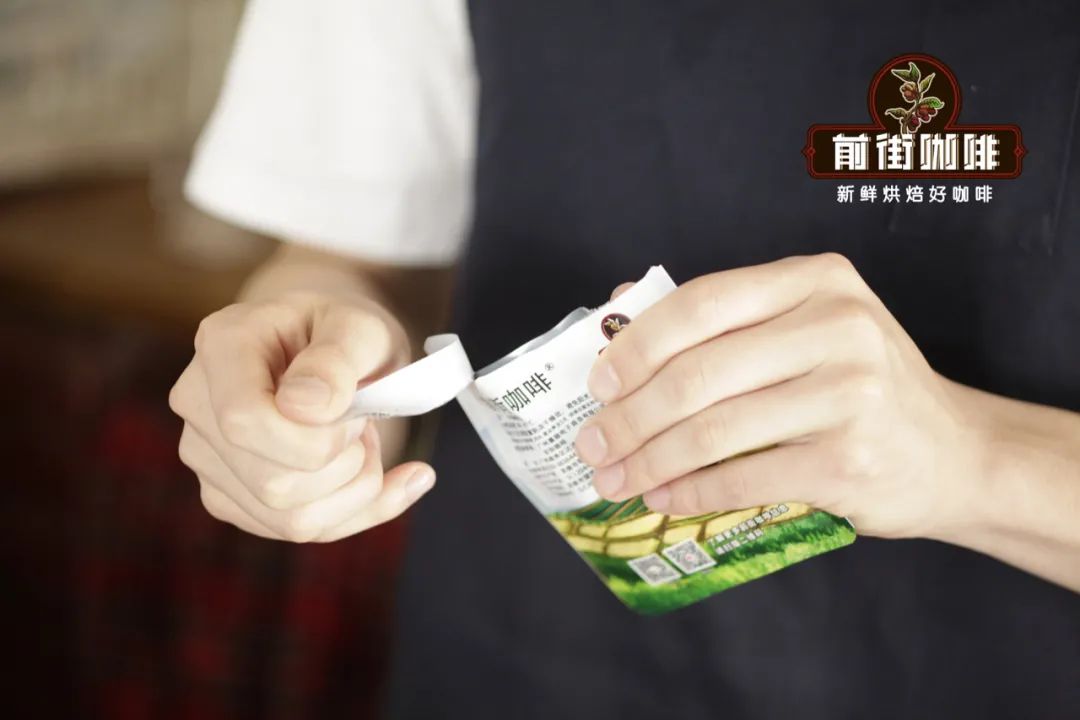
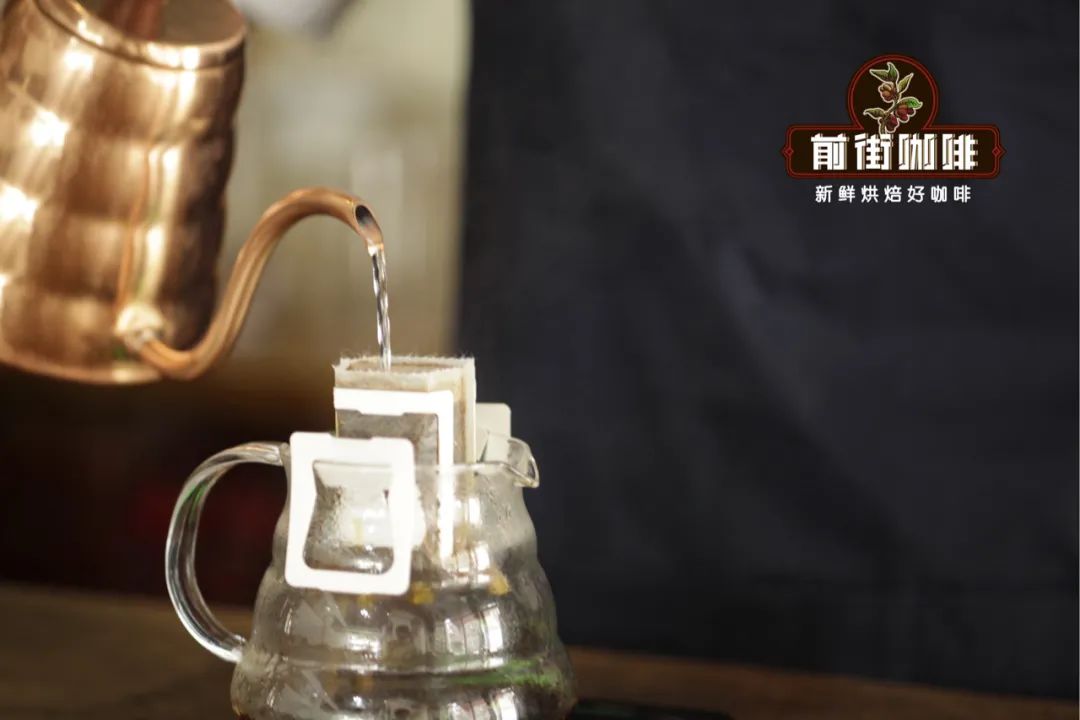
For busy office workers or travelers, the quick brewing method for drip bag coffee is a lifesaver. The tools required are extremely simple: boiled hot water, a drip bag and any mug. The steps are: first let the boiling water sit and cool for about 1 minute (to avoid high temperatures damaging the flavor), then tear open the inner and outer packaging seals along the edge of the drip bag; steady the two "ears" on the rim of the cup, first pour in a small amount of hot water (about 10-15ml) to saturate the coffee bed, and wait 10-15 seconds until the bed sinks slightly; then pour hot water in stages until the drip bag is eight-tenths full (20-30ml per pour is recommended), and after the coffee liquid has slowly dripped through, repeat the pouring until the cup is full and ready to enjoy. No complicated tools are needed throughout, and within 3 minutes you can have a steaming cup of pour-over-grade coffee.
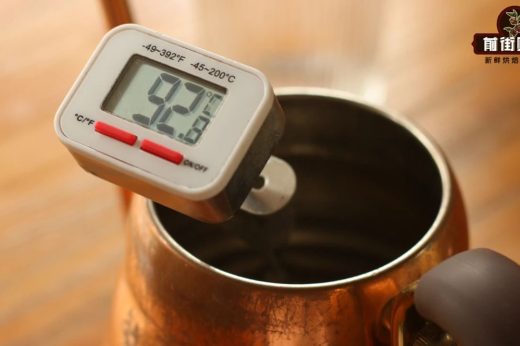
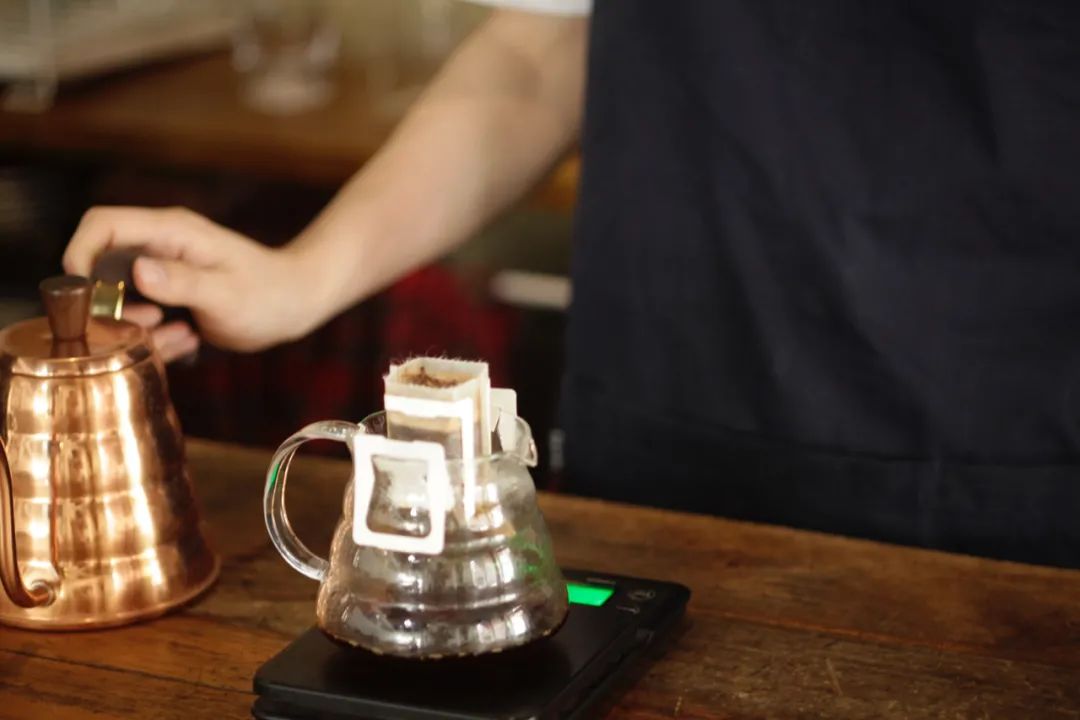
If you seek a more precise flavor presentation, follow standard pour-over parameters for refined operation. A digital scale (accurate to the gram), a thermometer (to monitor water temperature), a timer and a fine-spout pouring kettle are the basic setup. First place the drip bag steadily on a sharing pot or mug, and with hot water at about 90°C first pour 20 grams (about 20ml) to saturate all the coffee grounds, and let it bloom for 20-40 seconds—this step fully releases the aromatic substances in the coffee grounds, bringing out native flavors such as citrus and nuts. After the bloom, follow the golden 1:15 coffee-to-water ratio (for example, with 10 grams of coffee grounds, the total water should reach 150 milliliters) and pour in stages: the second pour adds 65 grams of hot water to bring the cumulative amount to 85 grams, and the third pour adds another 65 grams to a total of 150 grams. Throughout, keep the total extraction time at 1 minute 40 seconds, maintaining a steady flow (1-2 drops per second is recommended), and finally lift the drip bag gently to finish brewing. Note that for a stronger body you can reduce the total water to 130-140 milliliters, and for a lighter flavor you can extend it to 160-170 milliliters, adjusting flexibly to meet individual needs.
Regarding the storage and flavor preservation of drip bag coffee, a few key details are often overlooked: once coffee beans are ground into powder, the volatilization of carbon dioxide and aromatic substances speeds up significantly, which is why freshly ground coffee usually reaches its flavor peak within 15 minutes of brewing. Likewise, the best-tasting period for drip bag coffee is also within 15 days of grinding—beyond this period, the coffee's bright fruit acidity, sweetness layers and lingering finish all decline noticeably. It is recommended to drink it as soon as possible after opening; unused drip bags should be sealed and stored in a cool, dark place (avoid refrigerating, which can cause dampness and odor transfer). In addition, when pouring, keep the water stream from hitting the edge of the filter bag directly, to prevent paper fibers from mixing into the coffee liquid; if brewing into a thermos, it is recommended to let it cool to a drinkable temperature before enjoying, as long soaking at high temperatures easily leads to over-extraction and a bitter taste.