Latte Recipe Revealed: Espresso Ratio and Milk Flavor Pairing Guide

Introduction: Want to know how much espresso a standard latte actually requires? What are the essential differences in taste and preparation between a latte and a cappuccino? This article analyzes the components of classic Italian milk coffee from a professional perspective, detailing the standard espresso dosage, the golden ratio of milk to milk foam, and exploring how different coffee beans affect flavor. It also includes key extraction parameters and practical brewing advice to help you precisely master the core differences between these two Italian coffees.
In the Italian coffee family, latte and cappuccino are the most representative types of milk coffee. Although both are based on espresso, adjusting the ratio of milk to milk foam results in distinctly different flavor layers. Want to know how much espresso a proper latte contains? And what is the caffeine content of this classic drink? We will start with the basic recipe and break down these common questions step by step.

As a representative of traditional Italian coffee, cappuccino's standard recipe consists of equal parts espresso, steamed milk, and milk foam—the classic 1:1:1 ratio. Based on the thickness of the milk foam, it can be divided into dry cappuccino and wet cappuccino. The former uses a thicker foam layer, giving a richer, more robust mouthfeel; the latter reduces the foam to highlight the milk's aroma. Note that common domestic practices tend toward the dry cappuccino style, combining thicker foam with a moderate amount of milk to create a velvety drinking experience.

The name latte comes from the Italian word "Latte," which literally translates to milk. The modern latte developed after the spread of espresso machines, and its core feature is diluting espresso with a large amount of steamed milk. Compared to cappuccino, latte has a significantly higher proportion of milk, making the overall coffee taste softer and smoother. It is worth noting that due to differences in coffee bean varieties, milk quality, and the ratio of espresso to milk, even the same latte can exhibit a wide range of flavor expressions.

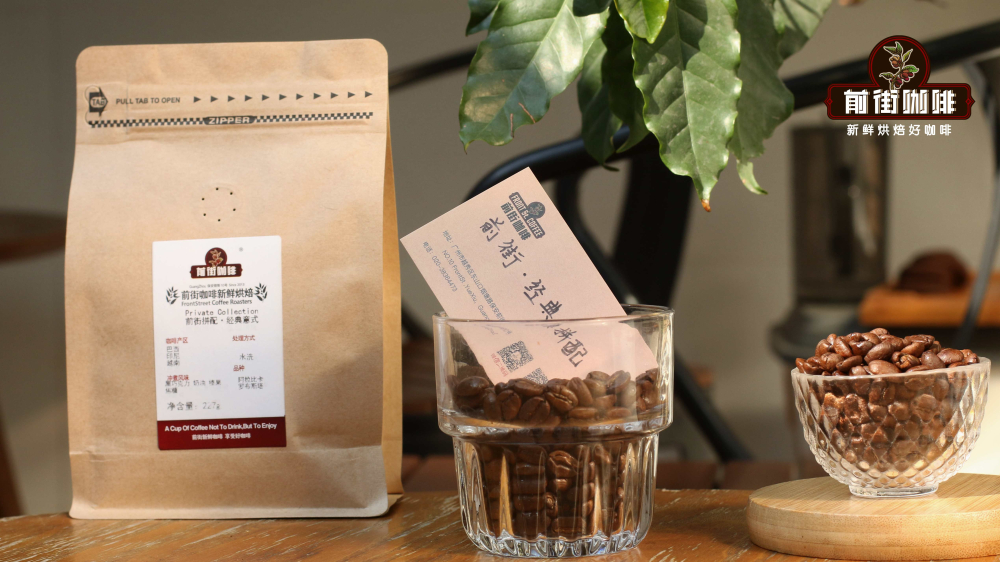
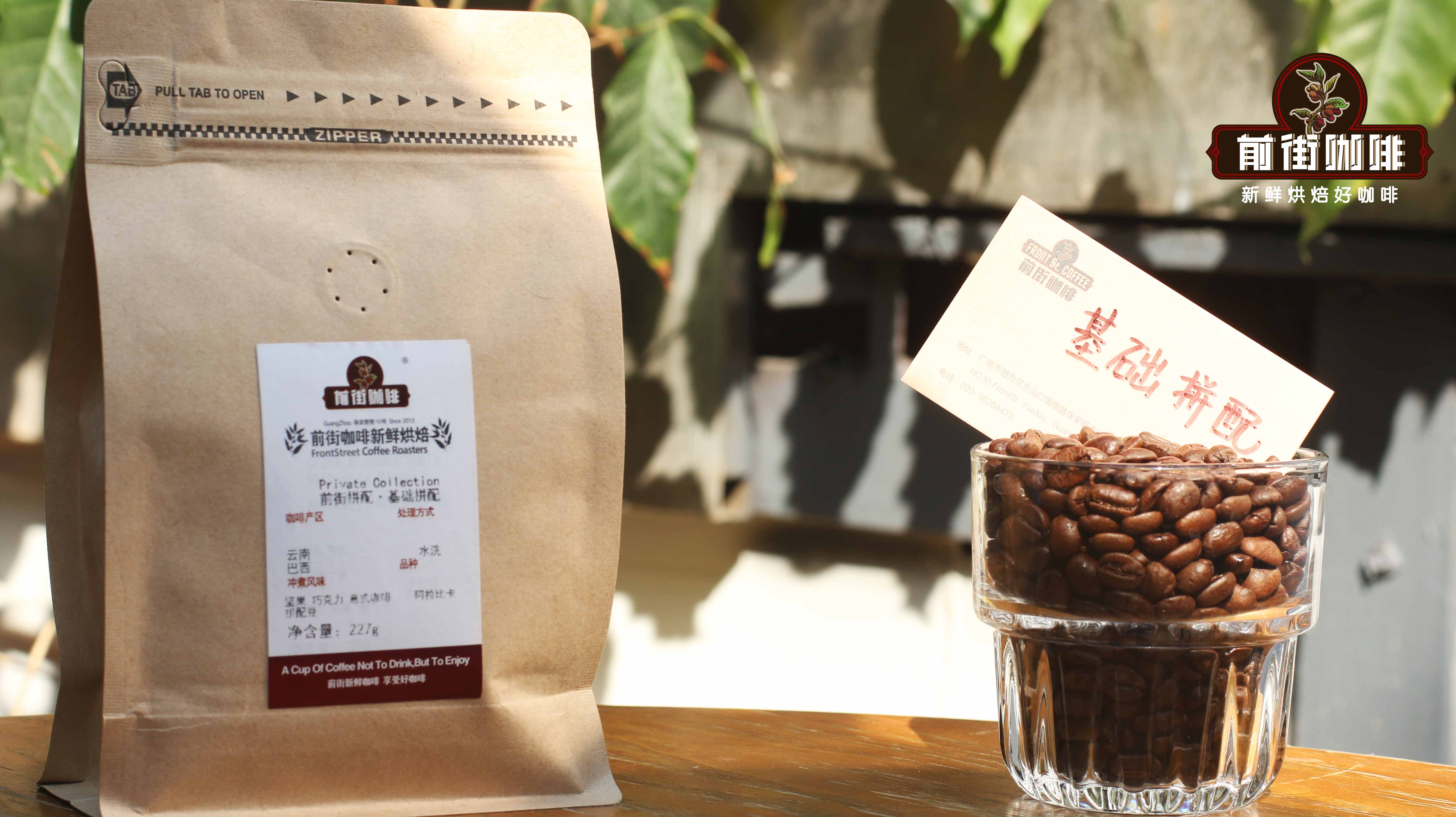
The key to making quality Italian coffee lies in the quality of the espresso. Coffee beans from different origins and processing methods bring unique flavor characteristics to the final milk coffee after espresso extraction. Commercial espresso blends typically combine beans from multiple origins in specific proportions, balancing acidity, sweetness, and body. For consumers who prefer a rich taste, medium-dark to dark roast blends are recommended, as these beans interact more harmoniously with milk.

Professional baristas particularly emphasize the impact of freshness on coffee flavor. Roasted coffee beans are at their flavor peak within the first 45 days, and the optimal drinking window is generally recommended within 10 days after roasting. During this period, the beans not only retain the richest aromatic compounds but also display the fullest flavor spectrum during extraction. Proper storage conditions are equally important; it is recommended to store beans in an airtight container away from light at room temperature to maintain optimal condition.
From a technical parameters perspective, the standard espresso extraction scheme typically includes the following key indicators: using 9 bar pressure, at a temperature range of 90.5 to 96 degrees Celsius, with a coffee-to-water ratio of 1:1.7 to 1:2 for 20 to 30 seconds. For a double shot, this means using about 20 grams of coffee grounds to obtain 40 milliliters of highly concentrated coffee liquid. This extraction method fully reveals the coffee's nutty tones, caramel sweetness, and dark chocolate richness, laying the flavor foundation for subsequent blending with milk.

The standard cappuccino recipe follows the classic 1:1:1 ratio: 33% espresso, 33% steamed milk, and 33% milk foam. Dry cappuccino features a thicker foam layer, while wet cappuccino reduces foam to highlight the milk's natural flavor. During preparation, pay attention to milk temperature control; the ideal steaming temperature range is 50 to 60 degrees Celsius, which fully releases the natural sweetness of lactose while avoiding protein denaturation caused by high temperatures. The ideal foam thickness should be about 1 centimeter, a standard that also distinguishes cappuccino from flat white.
The core of latte preparation lies in the precise ratio of coffee to milk. Professional recommendations suggest a golden ratio of 1:6.5, meaning 40 milliliters of double espresso paired with 260 milliliters of hot steamed milk. This ratio ensures the milk's sweetness perfectly complements the espresso's flavor without masking the coffee's characteristics. Through a circular pouring technique, the milk and espresso form a perfect emulsified layer, resulting in a silky, delicate mouthfeel. A latte with this ratio typically exhibits buttery aroma, nutty finish, and the natural sweetness brought by milk.

Regarding caffeine content, it must be judged based on the specific coffee bean variety used. For common Arabica beans, caffeine content typically ranges from 0.9% to 1.2%, a relatively mild range. For most adults, a daily caffeine intake of 400 milligrams is considered a safe upper limit. Note that actual caffeine content is influenced by roast level, brewing method, and serving size, so it is advisable to adjust consumption based on individual tolerance.

In terms of craftsmanship, both latte and cappuccino rely on high-quality steamed milk techniques. The steaming temperature and foam texture directly affect the final mouthfeel. Ideal steamed milk should have a fine, velvety microfoam structure with a smooth surface free of large bubbles. Temperature control is crucial; too low a temperature results in insufficient milk sweetness, while too high a temperature damages protein structure and creates a rough texture. For coffee enthusiasts seeking perfect flavor, using a thermometer to precisely control the steamed milk temperature range is recommended.

In summary, the main difference between latte and cappuccino lies in the ratio of milk to milk foam. Latte creates a softer, smoother mouthfeel with a higher milk proportion, while cappuccino maintains a more pronounced coffee character through its balanced three-part ratio. Understanding these basic ratio principles, combined with quality coffee bean selection and precise extraction techniques, allows you to replicate classic Italian milk coffee close to professional cafe quality at home. Remember, freshness, ratio precision, and temperature control are the three key factors determining the final flavor expression.