Typica Coffee Beans: Flavor Differences and Variety Traits from Blue Mountain to Yunnan
Introduction: As the oldest Arabica coffee variety, Typica laid the foundation for many classic coffee flavors. This article takes an in-depth look at the botanical characteristics and flavor traits of the Typica variety, as well as its connection to well-known origins such as Blue Mountain, Kona, Yunnan, and Mandheling. By comparing how Typica performs across different origins, it helps you understand how variety, terroir, and processing together shape the unique character of a cup of coffee, while also offering practical reference for variety identification and flavor tasting.
Typica is the "founding father" variety of the global Arabica coffee family; most surviving Arabica variants (such as Bourbon and Caturra) are directly or indirectly derived from it. This ancient coffee tree not only carries the original genes of coffee flavor, but also, thanks to its distinctive plant form and flavor characteristics, serves as an important sample for coffee enthusiasts exploring varietal differences.
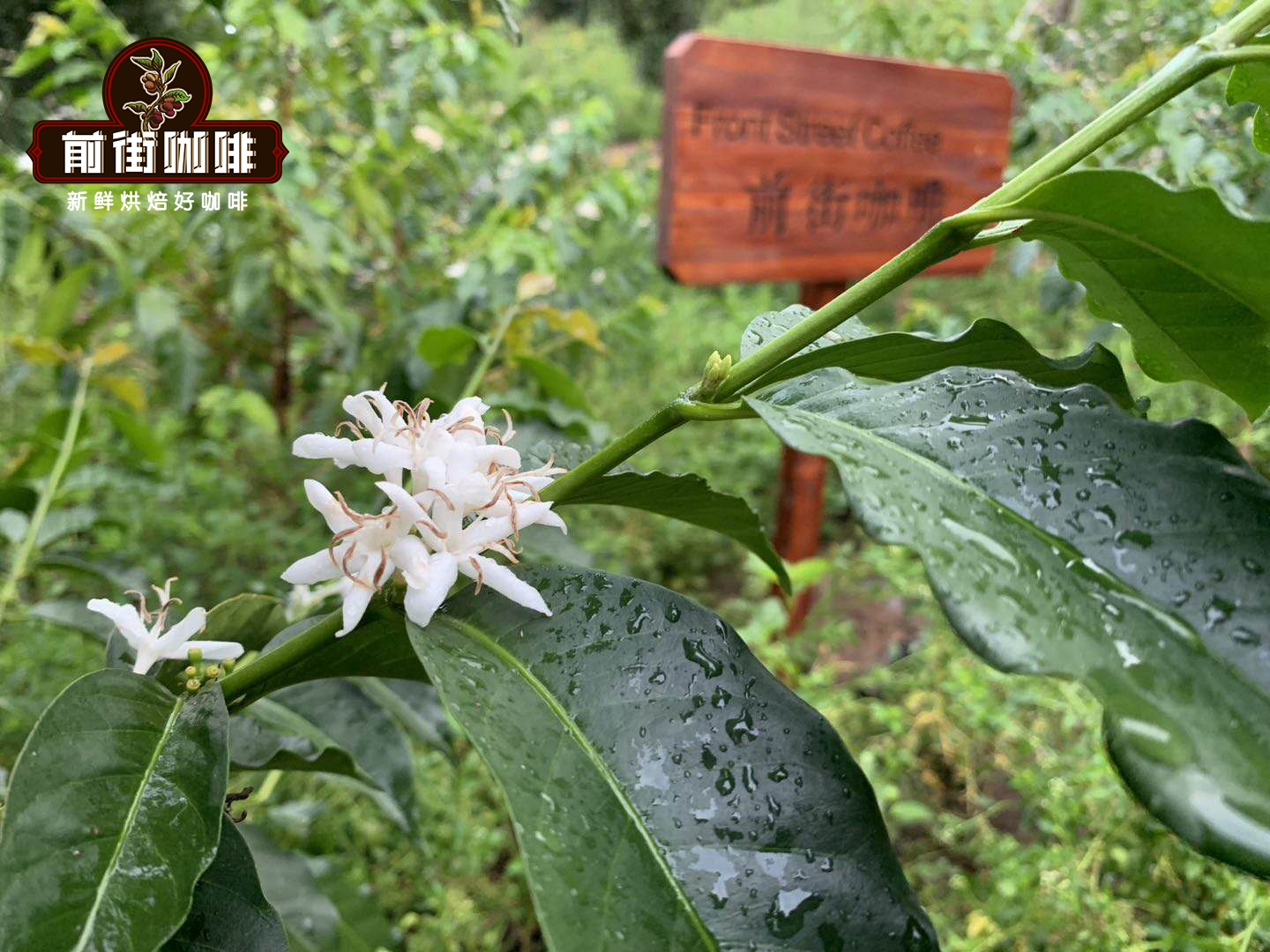 As the native representative of Arabica, Typica's flavor centers on "clarity and cleanliness"—bright but not sharp acidity, often with the light, airy quality of citrus fruits; gentle sweetness with a long finish, and a balanced, delicate mouthfeel. However, its disease resistance is weak, and it is especially susceptible to leaf rust, causing its planting range to be gradually replaced by more resistant derived varieties (such as Caturra and Catuai). Yet in high-altitude, carefully managed origins, Typica can still display an irreplaceable flavor appeal.
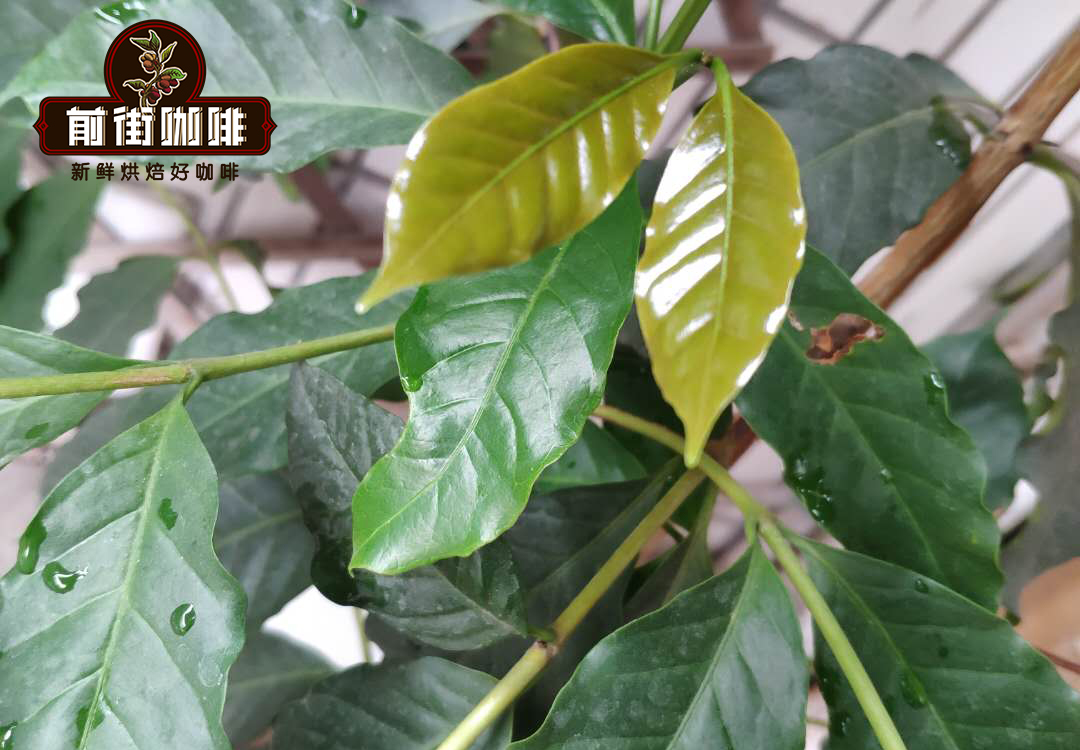 The Typica coffee tree is highly recognizable: the tree has a standard conical shape, with a straight, upright trunk, and mature trees can reach 5 meters in height (far taller than the 2–3 meters of ordinary Arabica varieties). Its branch spacing is relatively wide, and the leaves, fruit, and green beans all present an elongated form; the tips of young leaf buds are a distinctive bronze color (green in most varieties); the leaf surface is smooth and flat, with inconspicuous wavy edges. The most iconic feature is the bronze-colored terminal bud; ripe coffee cherries are bright red, and the beans are relatively large with a pointed oval shape (commonly known as "red top coffee").
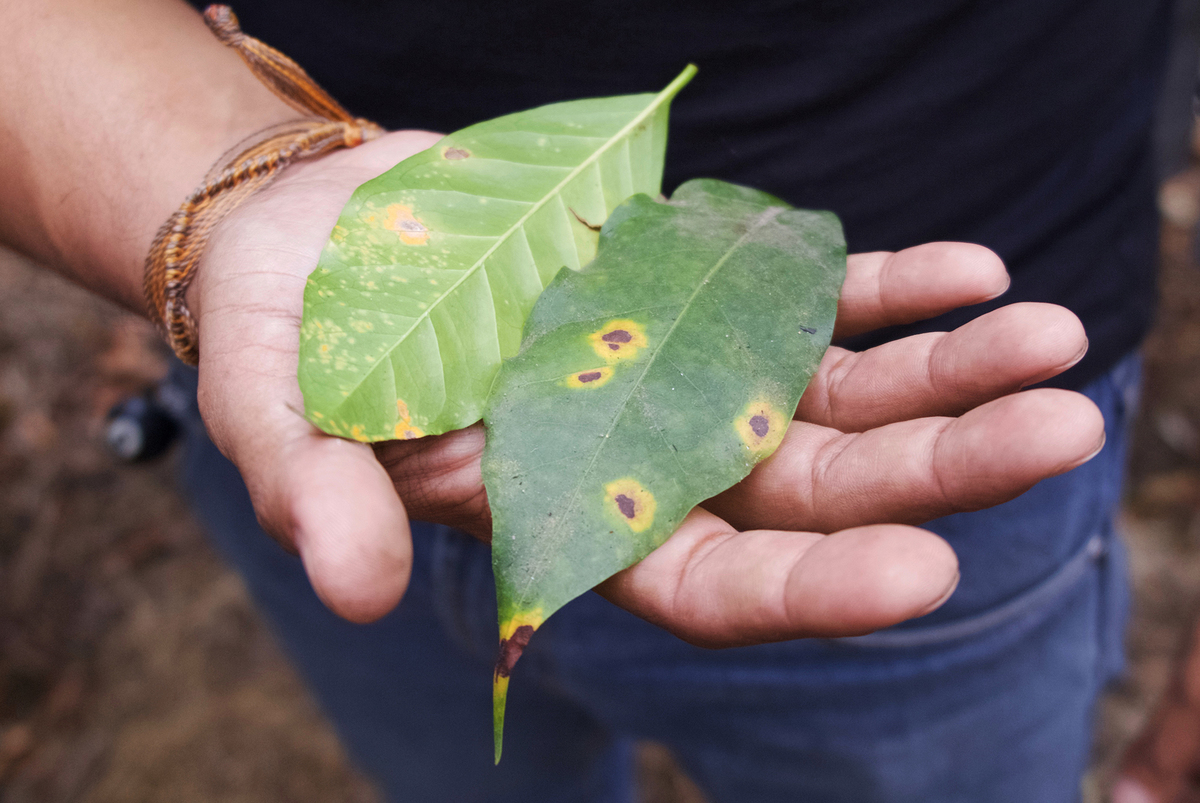
Leaf rust can be called the "number one natural enemy" of the coffee-growing industry. This fungal disease was first discovered in 1861 in the Lake Victoria region of East Africa, swept through Sri Lanka in 1867 and nearly destroyed the local coffee industry, and then spread to Southeast Asia and the central and western producing regions of Africa. Before 1970, there were no records of leaf rust on the American continent, but the outbreak in Bahia, Brazil, that year marked the completion of its global spread. The pathogen appears as yellow spots at the leaf tips, eventually developing into orange-yellow powdery rust material (resembling metallic rust), and can spread rapidly through wind and rain, clothing, and even tools. It is precisely because Typica is extremely sensitive to leaf rust that research institutions used it as a foundation to breed new disease-resistant varieties (such as Catimor), which indirectly confirms the excellence of its flavor.
 Typica coffee's flavor base is distinguished by "purity" and "balance": fresh, soft acidity resembling the citrus notes of lemon or bergamot; natural, not cloying sweetness, with a finish that often carries a gentle caramel-like aftertaste. The microclimate of different origins (such as altitude and temperature variation), soil composition, and processing methods further shape differentiated expressions—for example, Typica from high-altitude origins usually has brighter acidity, while lower-altitude areas may emphasize nutty or caramel flavors.
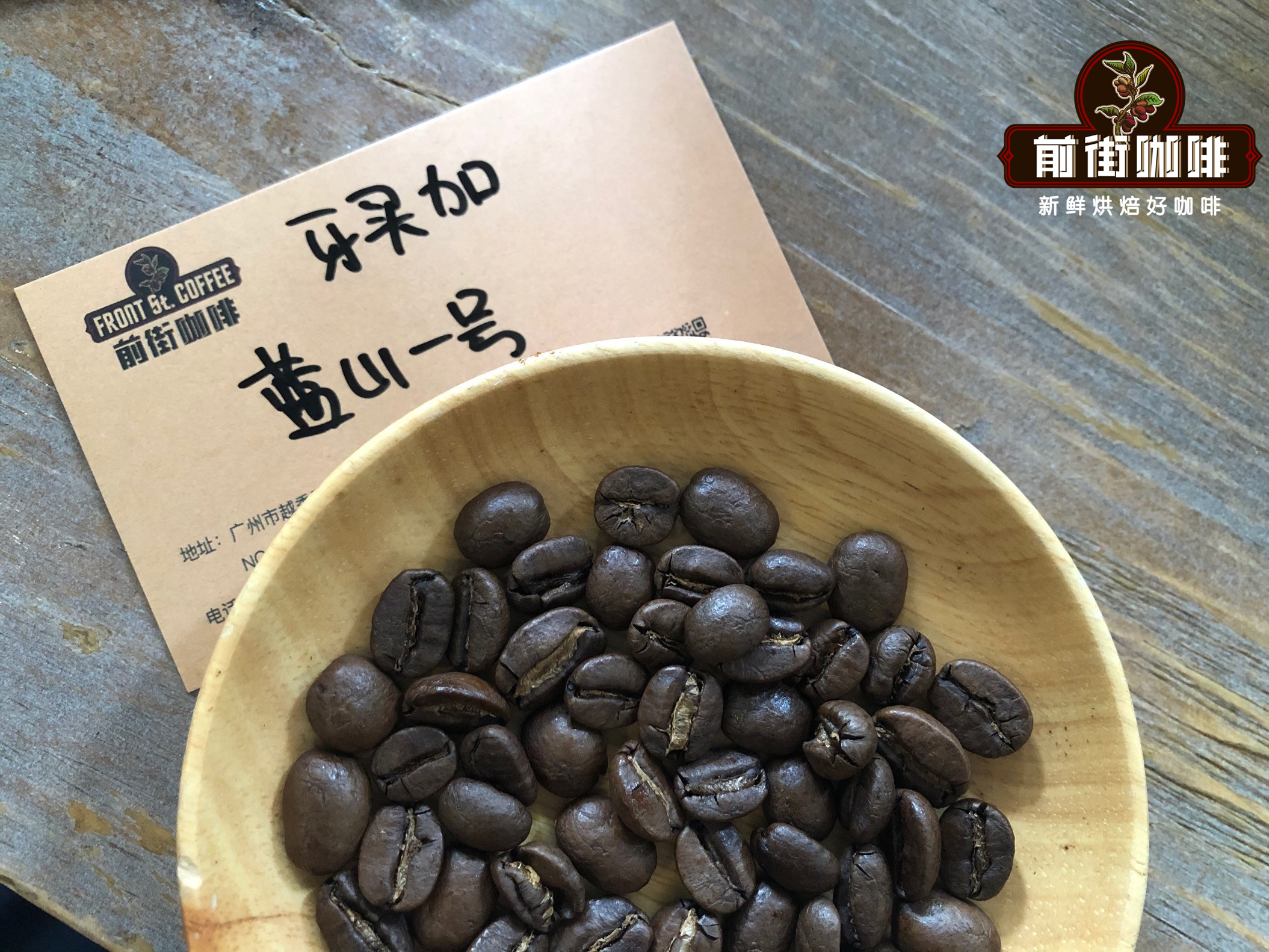
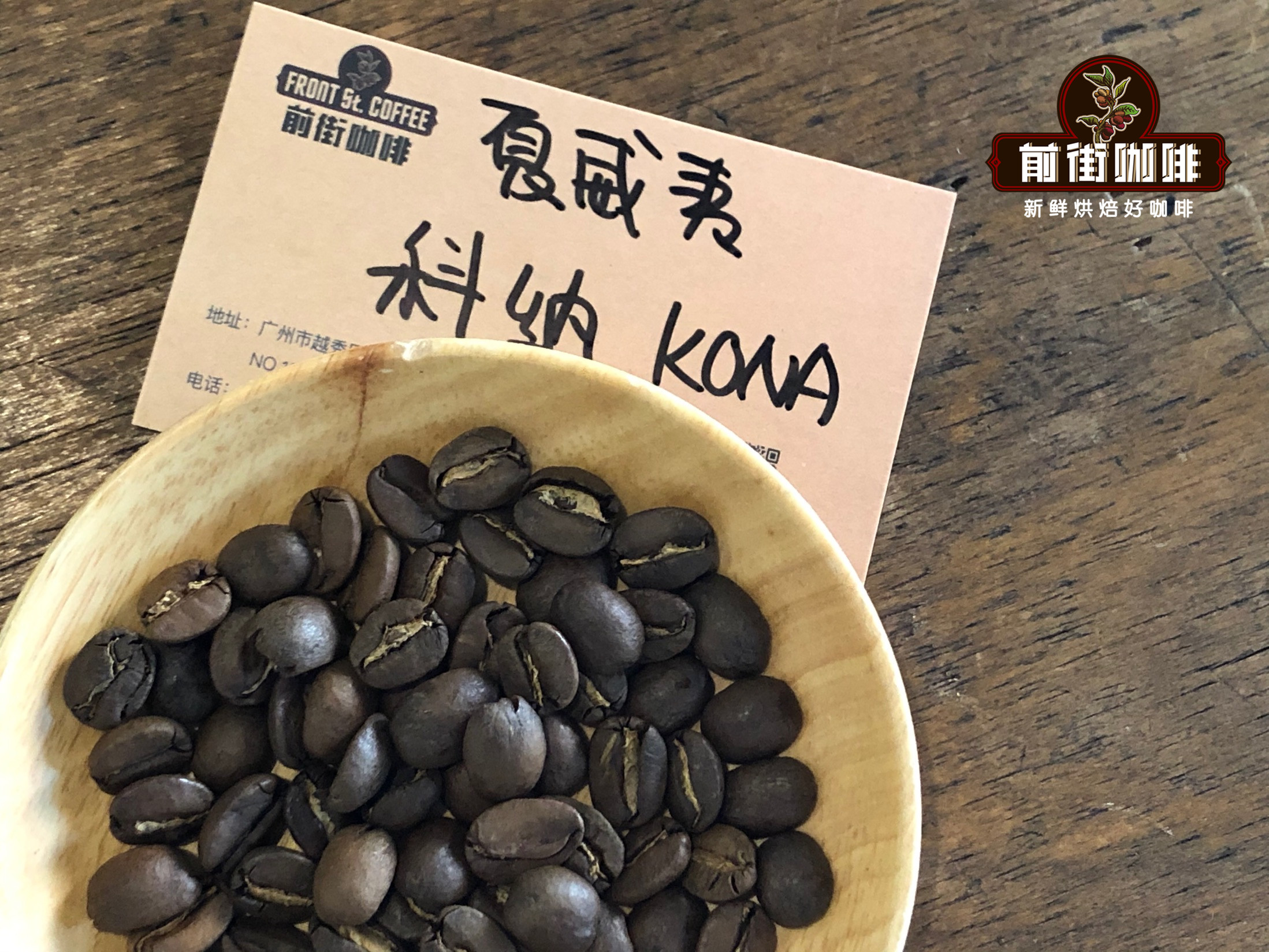
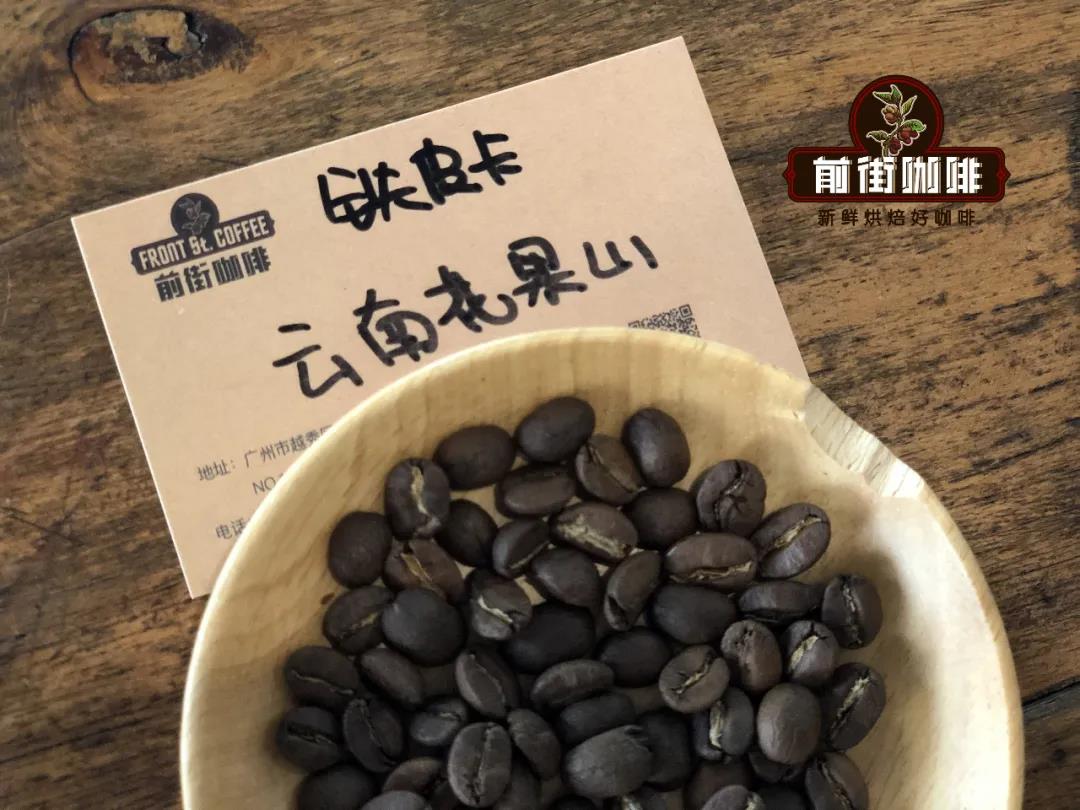
 Below is a flavor comparison of Typica coffee from four typical origins (based on conventional washed or traditional processing methods): Blue Mountain coffee (Jamaica, altitude 1310 meters) is known for its complex aroma of dark chocolate, nuts, and cream, with a nearly perfect ratio of acidity, sweetness, and bitterness; Kona coffee (Hawaii, altitude 1100 meters), due to volcanic soil and a maritime climate, presents a distinctive osmanthus fragrance, mulberry juice-like quality, and malt sweetness; Yunnan Baoshan Typica (altitude 1450–1550 meters) combines fruit acidity such as citrus and plum with the mellow depth of brown sugar and black tea; Sumatra Lintong Mandheling (a mix of Typica and Caturra, altitude 1100–1600 meters), after wet-hulling, highlights the rich flavors of baked toast, pine, and herbs.
For coffee enthusiasts, by observing plant characteristics (such as bronze terminal buds and elongated beans), understanding origin terroir conditions (altitude and processing methods), and tasting key flavor indicators (acidity type and sweetness intensity), one can more precisely identify the unique appeal of the Typica variety. Whether pursuing an elegant, balanced classic flavor or exploring the flavor diversity of regional characteristics, Typica is a category not to be missed.