Costa Rica Tarrazú Honey-Process Coffee: Flavor Analysis and Pour-Over Guide
Introduction: An in-depth look at the unique appeal of honey-process coffee from Costa Rica's Tarrazú region, from processing methods to flavor characteristics to brewing recipes. A comprehensive explanation of the differences from white honey to black honey, the advantages of high-altitude growing, and how to bring out raisin and fermented aromas through precise parameters. Whether you are a beginner or an experienced enthusiast, you will gain practical references for bean selection and brewing.
When it comes to specialty coffees with outstanding sweetness, honey-process beans from Costa Rica's Tarrazú region always draw attention.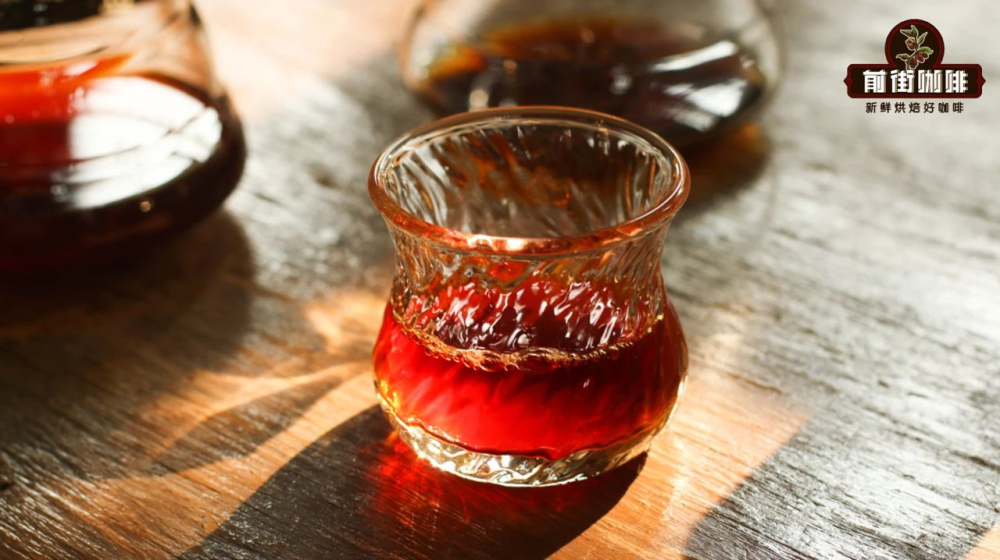 These coffees often carry a rich fermented aroma reminiscent of candied fruit and a raisiny sweetness, a style partly rooted in the special anaerobic honey process. But many people mistakenly believe honey processing actually adds honey—in fact, the "honey" comes from the viscous mucilage retained during the drying stage, and its sugar infiltration gives the coffee its natural sweetness.
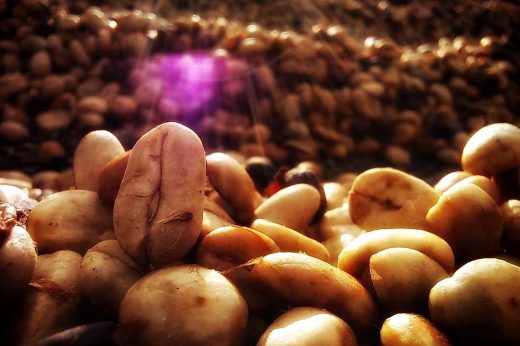
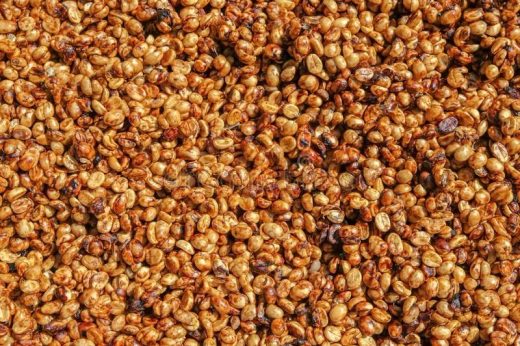
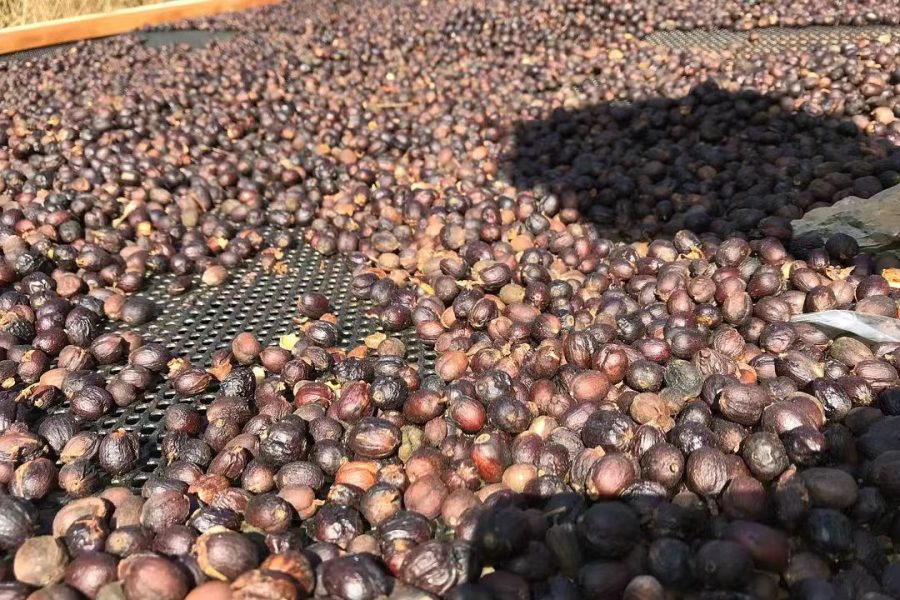
The term "honey process" is translated from the Spanish "Miel Process" and was first promoted in Central and South America. Unlike traditional washed processing, this method removes the skin but deliberately retains part or all of the mucilage layer, allowing the mucilage and green beans to ferment together under the sun.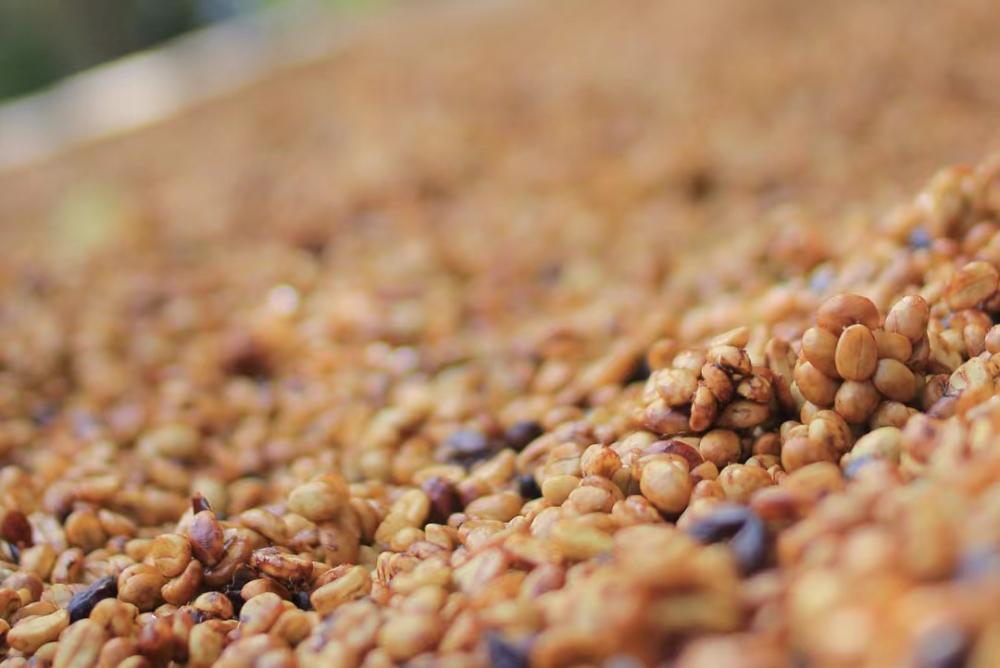 Depending on how much mucilage is retained, it can be divided into four categories: white honey (40%–50%), yellow honey (60%–70%), red honey (80%) and black honey (nearly 100%). The more mucilage retained, the stronger the fermented flavor, but the drying time must be extended—for example, black honey usually needs more than 14 days of drying in a shaded environment to prevent over-fermentation.
Costa Rica's mountainous terrain has made honey processing the mainstream.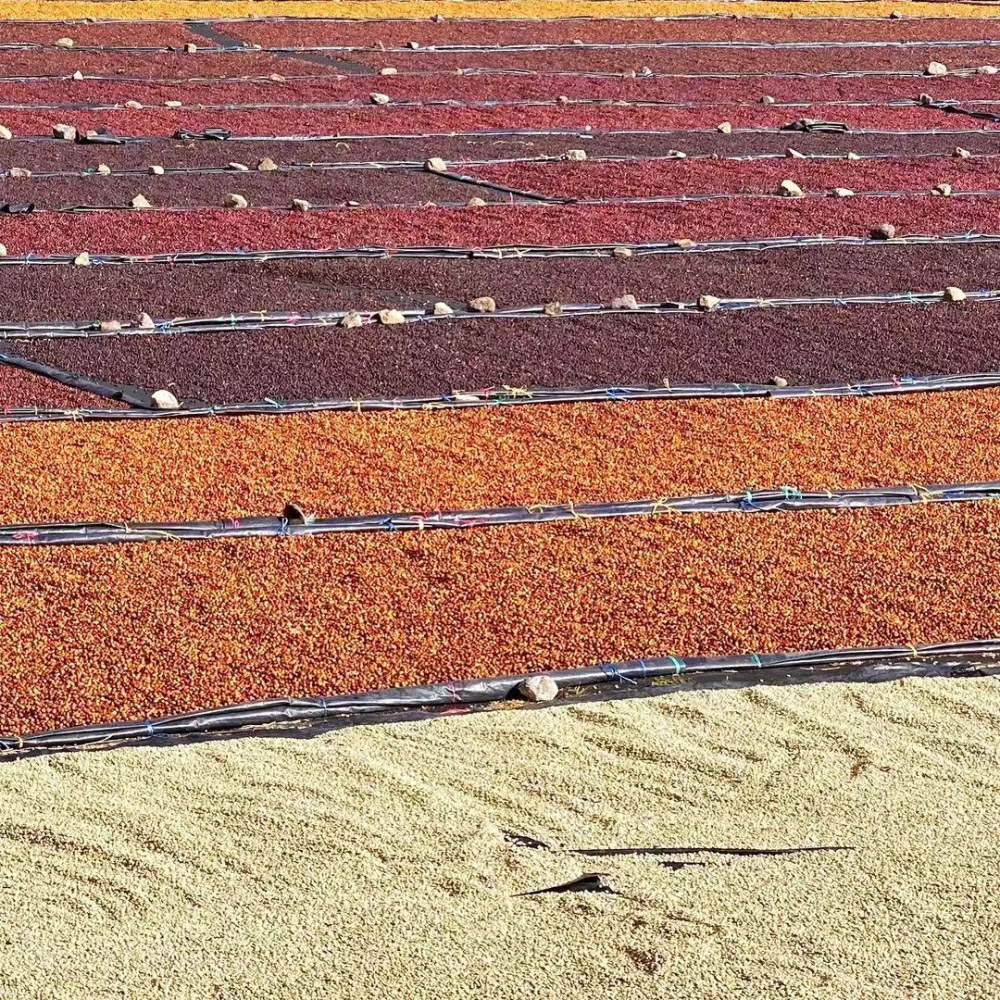 The country's main producing regions are distributed across the Talamanca mountain range at altitudes of 1,200–2,000 meters. The water-scarce environment makes traditional washed processing difficult to support, and the brief sunshine is also unsuitable for direct sun-drying. The local adaptation of Brazil's semi-washed technique: first gently remove the skin, then balance drying efficiency and flavor development by controlling the amount of residual mucilage. Among these, anaerobic honey processing is even more innovative—fermenting first in an oxygen-free environment, then retaining a small amount of mucilage for drying, which can intensify complex aromas without relying on a high mucilage content.
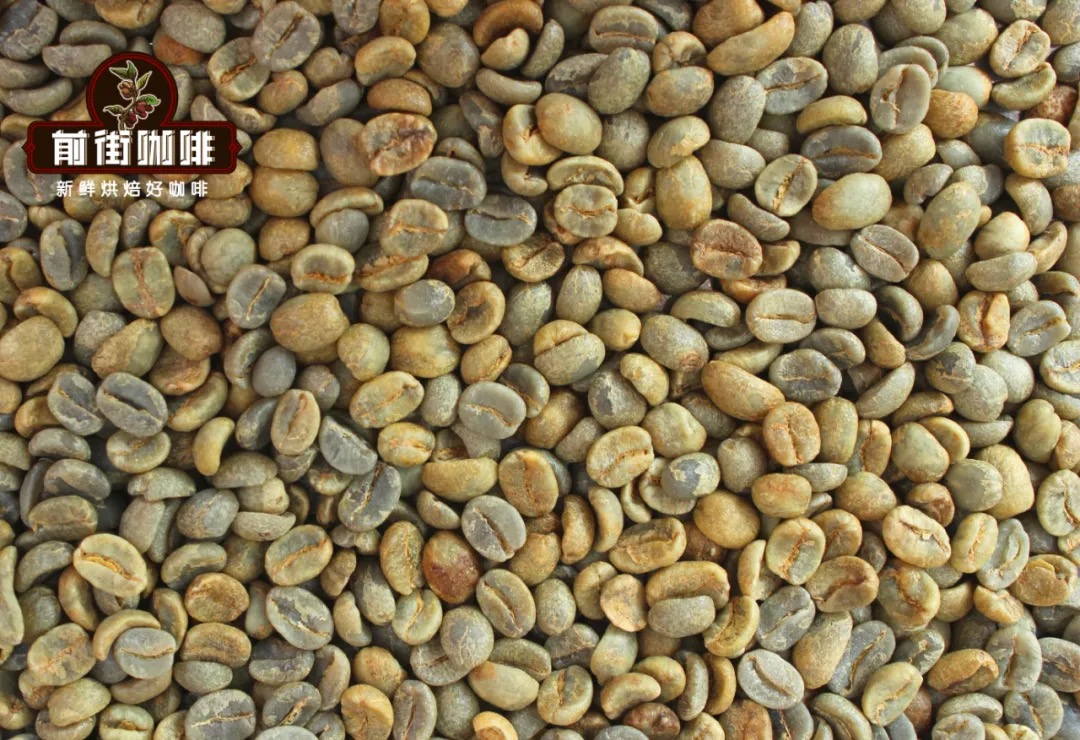 Among Tarrazú's many sub-regions, the Mozart plantation at 1,800 meters stands out in particular. The area averages 1,500–2,000 meters in altitude, with large day-night temperature differences that slow coffee growth and allow more flavor compounds to accumulate. Combined with anaerobic honey processing, its flavor presents layers reminiscent of classical music: on a base of bright acidity, fermented aromas intertwine with tropical fruit notes. Professional roasting suggests a medium roast, extending the time from the yellowing point to first crack, enhancing sweetness complexity through the Maillard reaction.
For actual brewing, a V60 #01 dripper can be used to bring out the details.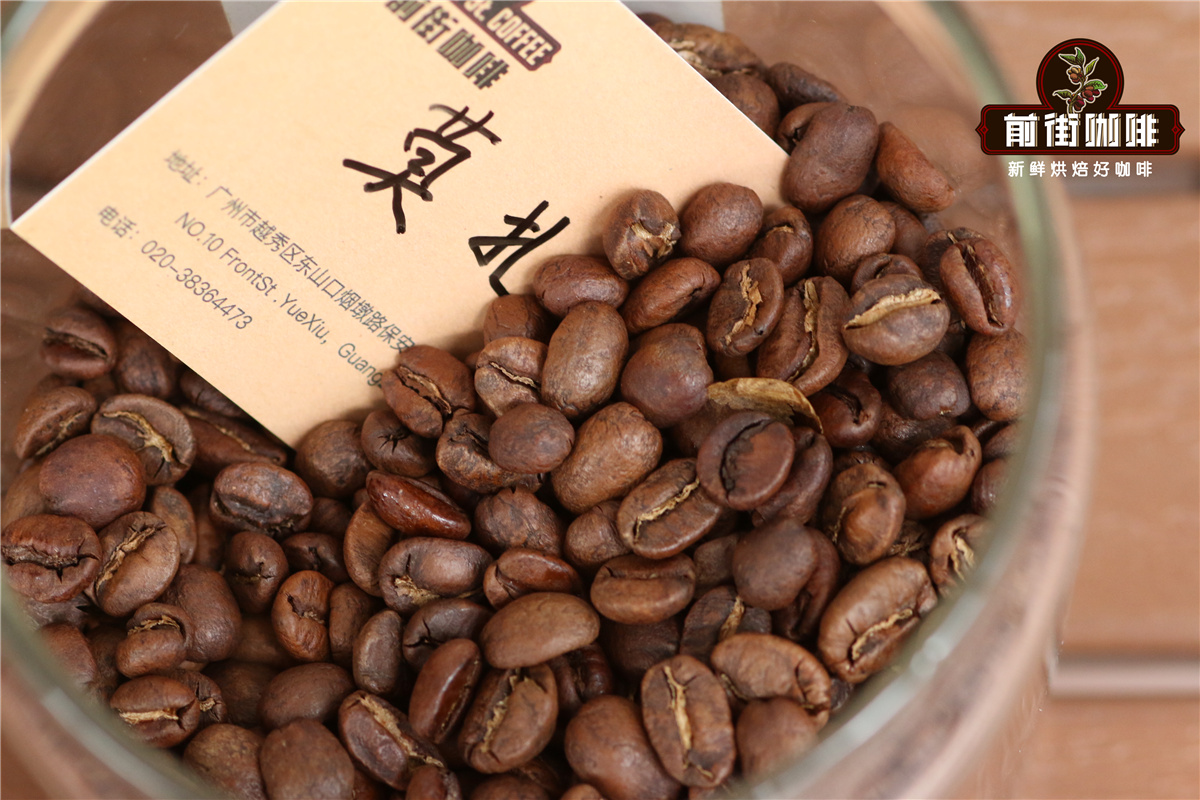 Recommended parameters: 15 grams medium-fine grind (about 80% passing a No. 20 sieve), 1:15 coffee-to-water ratio, 91°C water temperature. Use a three-stage pour: first 30 grams of water for a 30-second bloom, then a small stream in circular pours until 125 grams, then continue pouring to 225 grams once the water level drops to the visible coffee bed, with total extraction time controlled at around 1 minute 50 seconds. This recipe highlights the signature flavor combination of raisin, osmanthus and pineapple.
It is worth noting that different honey processing levels suit different scenarios: white honey suits those who prefer crisp fruit acidity, red honey balances sweetness and body, while black honey is better for those seeking intense fermented aromas.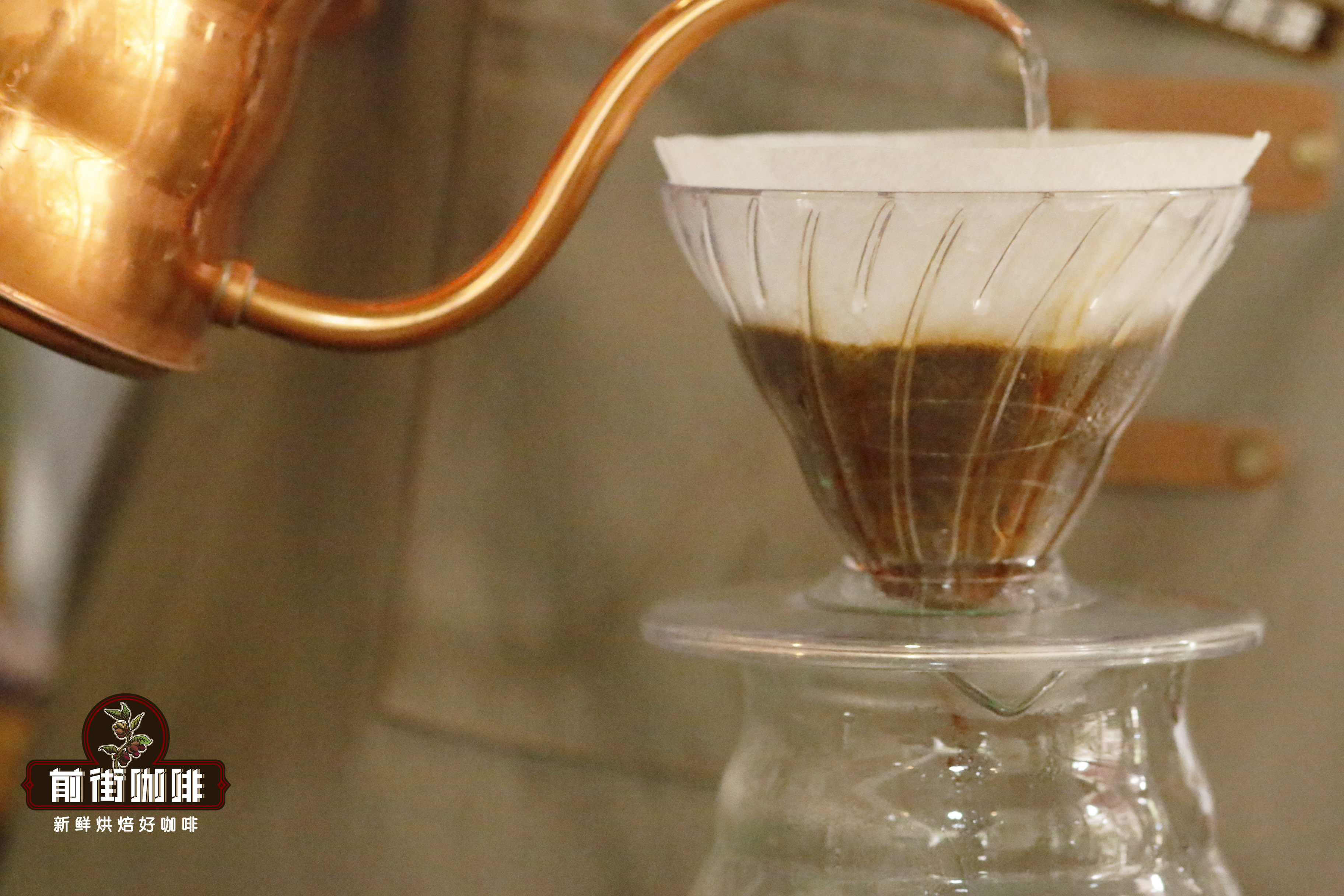 The combination of the Tarrazú region's high-altitude environment and honey processing has created this classic bean that combines bright acidity with syrup-like sweetness, providing a typical sample for understanding Central American coffee processing methods.