Costa Rica Sarchimor Coffee: Flavor, Processing and Pour-Over Guide
Introduction: This article provides a comprehensive introduction to the distinctive Costa Rican coffee variety Sarchimor, from its varietal origins and disease-resistant genetic background to the details of honey processing, with a focus on the unique flavor layers formed through the red honey method. It also offers professional roasting curve references and a precise pour-over plan, including key parameters such as grind size, water temperature and coffee-to-water ratio, and explains the balanced sweet-and-sour taste characteristics, helping coffee lovers gain a deeper understanding of this moderately disease-resistant variety's cultivation value and brewing performance.
The honey processing method widely used in Costa Rica is essentially an innovative technique between washed and natural. By retaining part of the mucilage for sun drying, it inherits the clean base of the washed method while using the mucilage's sugar conversion potential of up to 80% to significantly enhance the coffee's sweetness and caramelized flavors. Depending on the proportion of mucilage retained, three typical processing styles have emerged: yellow honey (60%), red honey (75%) and black honey (nearly 100%). Among them, red honey, which requires shade netting to slow the drying speed (about 12 days), is the core process shaping Sarchimor coffee's mellow finish.
The breeding history of the Sarchimor variety can be traced back to a Portuguese agricultural research institution; its genetic makeup combines the leaf-rust-resistant Timor hybrid lineage with the high-quality-flavor Villa Sarchi lineage. As one of the world's two main disease-resistant varieties (the other being Catimor), it is planted on a smaller scale than Catimor but performs outstandingly in Costa Rica's high-altitude growing regions. Notably, improved varieties derived from it, such as Cuscatleco and IAPAR 59, further strengthen the balance between disease resistance and flavor performance.
Given the characteristics of new-season Sarchimor green beans (medium bean size/density/moisture content), a segmented temperature-controlled roasting strategy is recommended: set the charge temperature at 200°C with high heat (160°C), and dynamically adjust the heat by observing the yellowing point (about 5 minutes). When the bean surface turns yellow and the grassy smell fades (5:06), lower the heat to 130°C and open the damper to position 4 to accelerate moisture loss. The key checkpoint is before first crack (8:10), when the wrinkling of the bean surface and the shift to a toasted-bread aroma must be closely monitored; finally, after first crack begins (8:26), maintain a 1 minute 30 second development period and drop precisely at 193.2°C. These parameters effectively preserve the bright citric acid base.
Actual roasting data shows: with a 600g Yangjia semi-direct-fire model, the first 30 seconds require damper position 3 with 160°C heat for rapid temperature rise, with the turning point controlled at 1:35. During the drying phase (completed at 7:50), pay special attention to stepwise heat reduction—gradually from 130°C down to 80°C, combined with damper positions 4-5, to avoid scorching the bean surface from localized overheating. The roasted beans produced by this process undergo Maillard reactions 15%-20% faster than conventional varieties, so the drying time must be shortened (by about 2 minutes compared with the standard procedure) to balance acidity retention.
The sensory evaluation presents a three-tier flavor structure: the front is dominated by citrus acidity (citric acid about 40%, malic acid 30%), the middle transitions into the slight bitterness characteristic of grapefruit peel (with a significant contribution from quinic acid), and the back reveals caramel sweetness (maltose to glucose ratio 3:2) and a sunflower-seed-like nutty finish. When verifying by cupping, note the golden ratio of sweetness to acidity of 1:1.2; repeated brewing tests have confirmed this value as the optimal balance point.
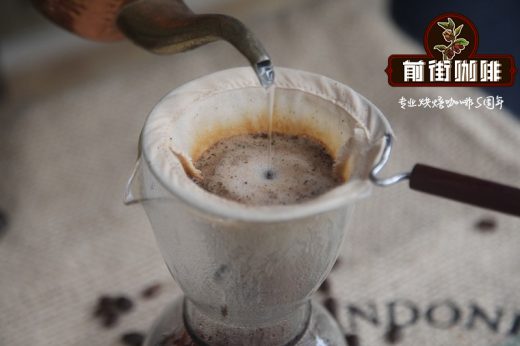
Pour-over optimization suggestions:
• Equipment combination: V60 dripper + Fuji Royal grinder at setting 3.5 (medium-fine grind, about 800-900μm particle size)
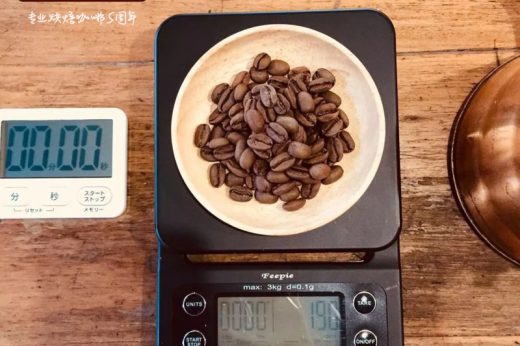
• Parameters: 15g dose / water temperature 90±1°C / coffee-to-water ratio 1:15 (total water 225g)
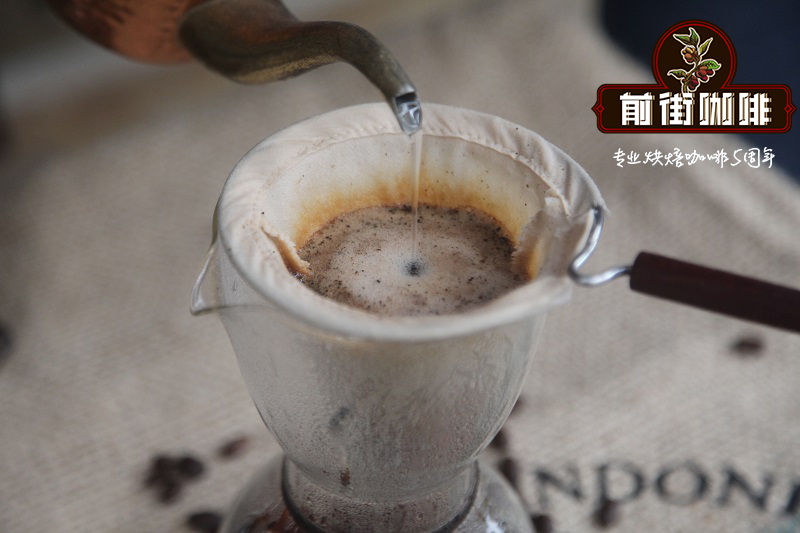
• Staged pouring: first stage 30g bloom for 30 seconds (to release carbon dioxide) → second stage add 90g to reach 120g (flow rate controlled at 2g per second) → final stage add 105g to fill to 225g
• Time management: total 2 minutes 05 seconds ±10 seconds; focus on monitoring flow-rate stability within 1 minute after the second pour is completed
Common mistakes to avoid:
1. Never extract honey-processed beans at high temperature for a long time (above 93°C will cause burnt bitterness)
2. Too fine a grind easily causes channeling (check that the percentage passing a No. 20 sieve is ≥85%)
3. Water hardness must be <150ppm (ideal range 80-120ppm) to avoid minerals interfering with sweetness expression
Note: This variety is sensitive to storage conditions; after opening, store in a one-way valve sealed container in a cool place at 18-22°C, with the best flavor period within 21 days.