Colombia Huila Donald Typica Pour-Over Guide: Micro-Lot Parameters and Flavor
Introduction: This micro-lot Typica coffee from Colombia's Huila region, grown at high altitude and carefully washed, shows a distinctive citrus character and layers of flavor. This article details its origin advantages, processing method and a professional pour-over recipe, from grind size and water temperature to pouring rhythm, providing repeatable extraction parameters and explaining flavor notes such as citrus and green tea, to help you fully draw out this specialty bean's potential.
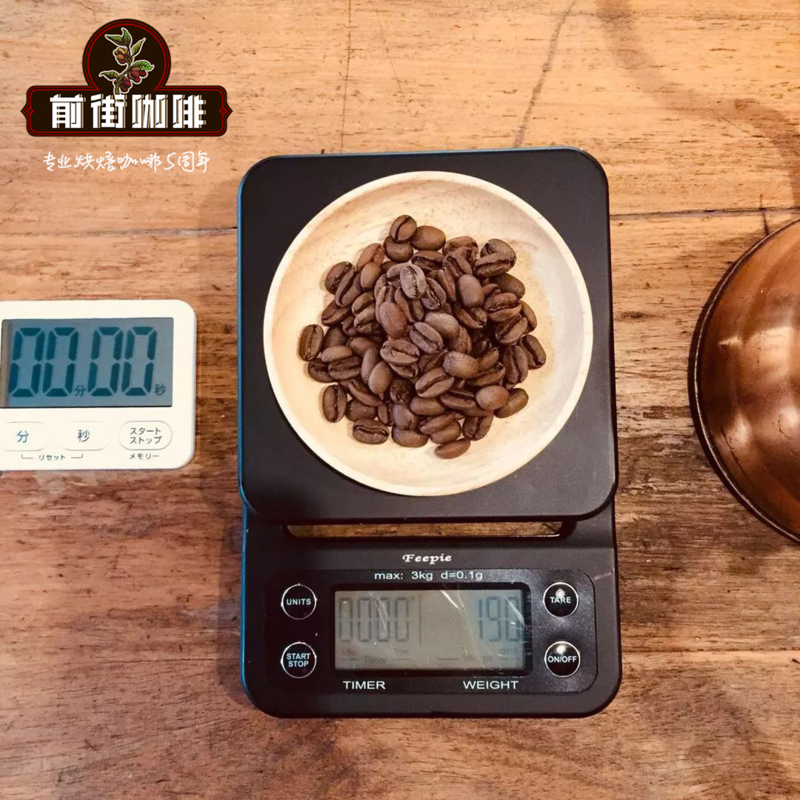
In the specialty coffee world, micro-lots represent the pursuit of higher quality. These coffees are not ordinary mass-produced beans, but the premium portion strictly selected from an original lot, with both scarce yields and superior flavor expression. Today we take an in-depth look at a Typica micro-lot from Colombia's Huila region—Donald—grown at altitudes above 1,500 meters, where the exceptional natural environment gives it unique flavor potential.
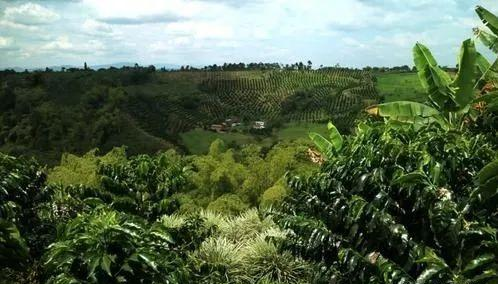
The Huila region lies in Colombia's southern Central Cordillera, surrounded by mountains with generally high growing altitudes, where major rivers converge to bring abundant moisture. Unlike the balanced, full-bodied style associated with traditional Colombian coffee, many smallholder micro-lots carry distinct regional character. The Donald beans are grown on hillside farms at 1,500–2,000 meters; the day-night temperature difference at high altitude effectively slows the beans' growth, allowing natural sugars in the fruit to accumulate fully and forming complex, elegant layers of flavor.
In recent years, as international demand for specialty coffee has risen, Colombia has gradually abandoned traditional bean-size grading in favor of a micro-lot model centered on micro-regions and smallholder organizations. Under this model, dozens of smallholders typically contribute their harvests, which are pooled into a single independent micro-lot for sale and screened one by one through professional cupping to ensure every lot meets high quality standards.
In terms of processing, most Colombian coffee is washed. Smallholder families usually have small dedicated processing equipment; after harvesting the cherries, they first remove the skin, pulp and most of the mucilage with the equipment, using only a small amount of water. The parchment beans with a little residual mucilage are then placed in cement tanks or stainless steel containers for overnight fermentation to loosen the remaining mucilage, and finally rinsed clean with water to complete processing. Drying is adjusted flexibly to the weather: on sunny days natural sun-drying is preferred, with shade frames built where possible; in rainy weather, ground drying or professional dryers may be used, with dryer inlet air temperature generally controlled at around 50°C.
Micro-lot coffee is a special category within specialty coffee, usually sourced from a smaller area—perhaps an individual smallholder within a cooperative, or a specific plot on an estate. The classification is based entirely on cupping results, and each lot is typically packaged independently in 10 kg jute sacks to ensure consistency and uniqueness of quality.
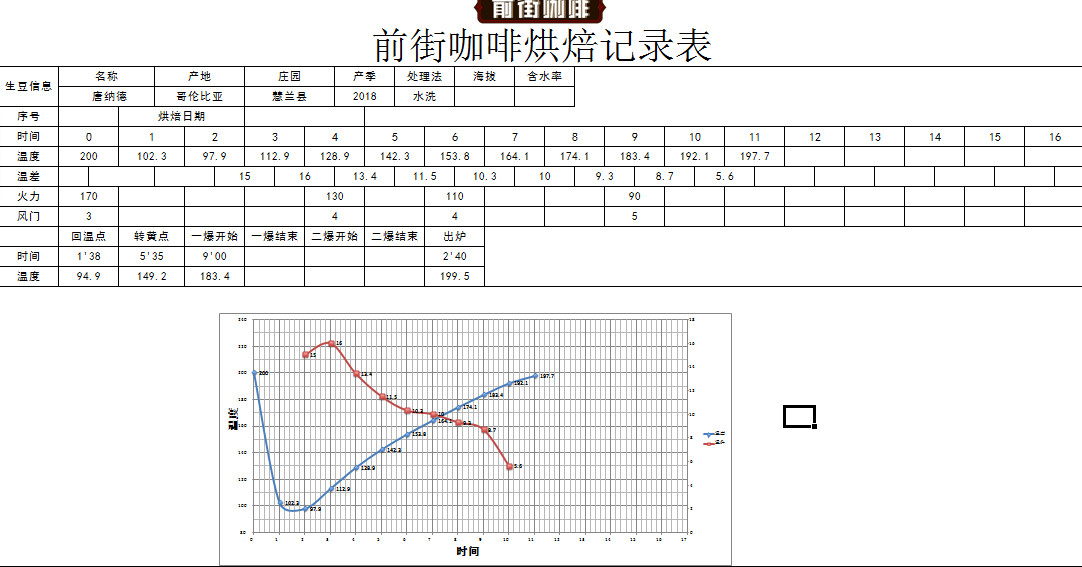
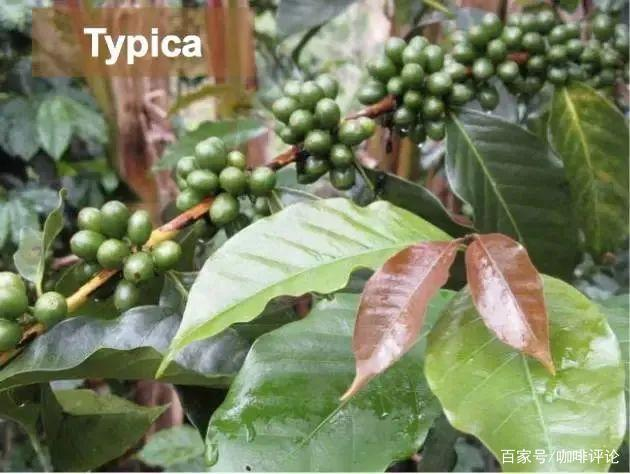
This Donald coffee is of the traditional Typica variety. Although in recent years Colombia has widely planted more disease-resistant hybrids such as Catimor, Typica is still favored by some growers for its elegant flavor characteristics. In roasting, a medium roast best highlights its full, rounded, nutty character. The specific roasting parameters are: charge at 170°C, initial damper 3, maintain heat after 30 seconds, turning point at about 1 minute 38 seconds; when the temperature drops to 165°C adjust the heat, as the bean surface turns yellow and the grassy smell disappears completely, entering the dehydration phase; then adjust the damper to 4 and lower the heat to 130°C; at about 8 minutes 30 seconds the bean surface wrinkles and shows dark patches, the toasty bread aroma gradually turns to coffee aroma, signaling that first crack is about to begin; at 9 minutes first crack formally begins, at which point reduce the heat to 60°C and open the damper fully, continuing for 2 minutes 40 seconds after first crack, and finally dropping the beans at 199.5°C.
Cupping results show that this medium-roast Colombian coffee has a moderate pomelo-peel bitterness, balanced acidity and sweetness, with the roasted aromas of chocolate and caramel, and a cooling mint sensation in the finish; the overall aftertaste is persistently sweet, with mint-chocolate aroma and cooling sensation in harmony.
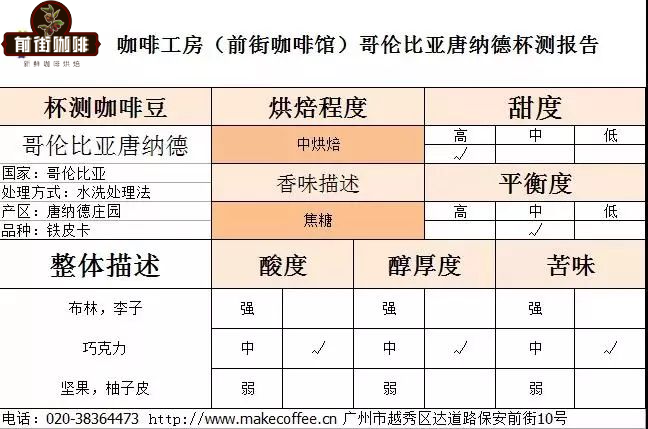
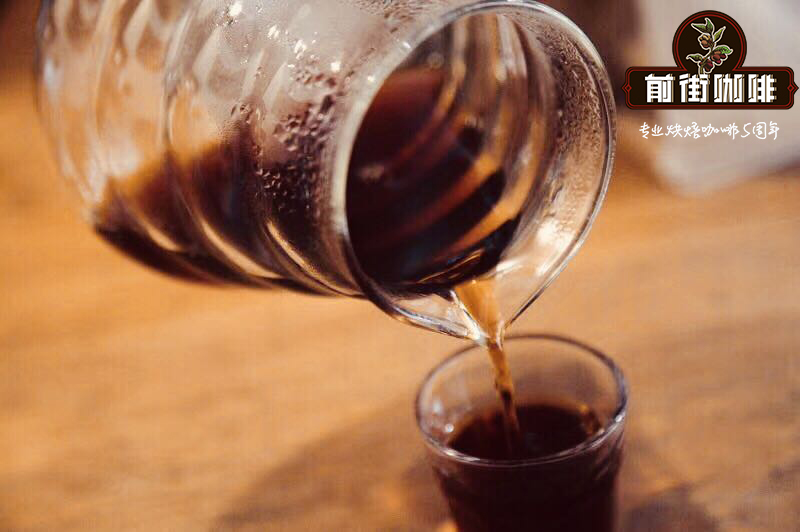
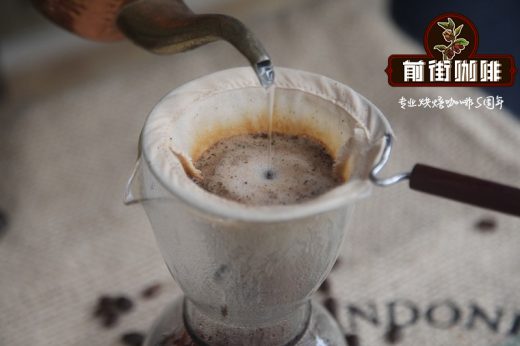
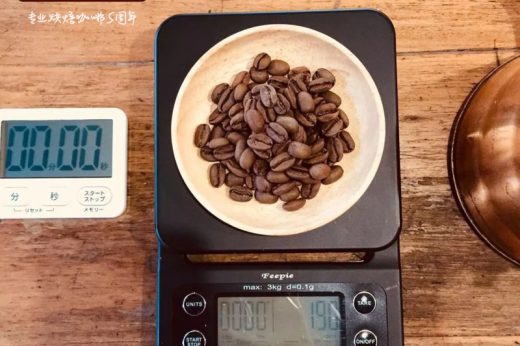
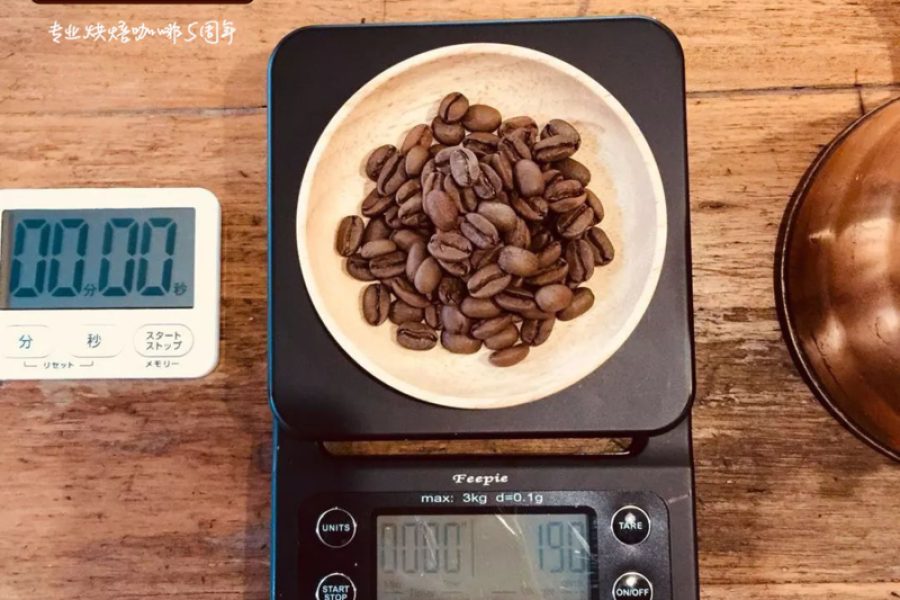
For pour-over enthusiasts, this coffee's brewing parameters are worth referencing. A V60 dripper is recommended, with water at 88°C, a grind equivalent to BG-6L (or Chinese standard No. 4), and a coffee-to-water ratio close to 1:15. The specific procedure: take 15 g of ground coffee, first pour 28 g of water for a 26-second bloom; then pour in stages, first to 120 ml and pause, then once the flow stabilizes continue slowly pouring to a total of 230 ml, with an overall brew time of about 1 minute 40 seconds. This combination of parameters fully brings out the coffee's citrus fruit flavors—the fresh aromas of lemon, orange peel, grapefruit and orange—along with the sweet-tart sensation of lime and citrus juice; in the middle palate there are green tea notes and a delicate coffee-flower aroma, the acidity is soft and malic, and the overall flavor is rounded and balanced.
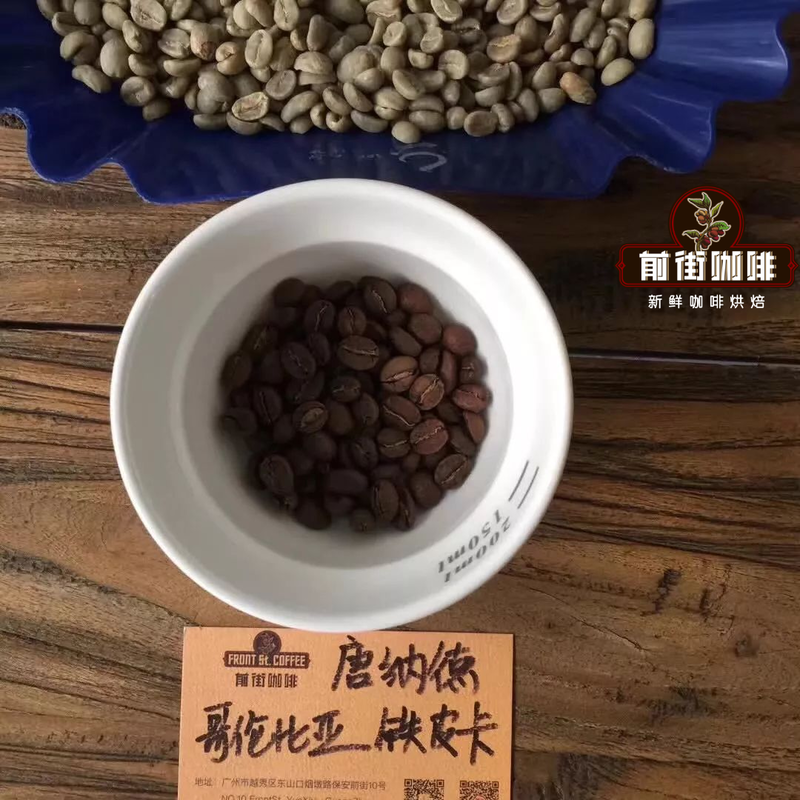
In the dry aroma, this coffee gives off pronounced citrus and caramel notes, an important hint of its flavor profile. When sipping, the freshness of citrus fruit stands out, accompanied by a soft balance of acidity and sweetness. The green tea notes and coffee-flower aroma in the middle palate add layers to the overall flavor, while the moderate acidity and persistent sweet aftertaste demonstrate the refined craftsmanship and regional character of this micro-lot coffee.