Ice Drip vs. Cold Brew Coffee Guide: Ratio, Brewing and Flavor
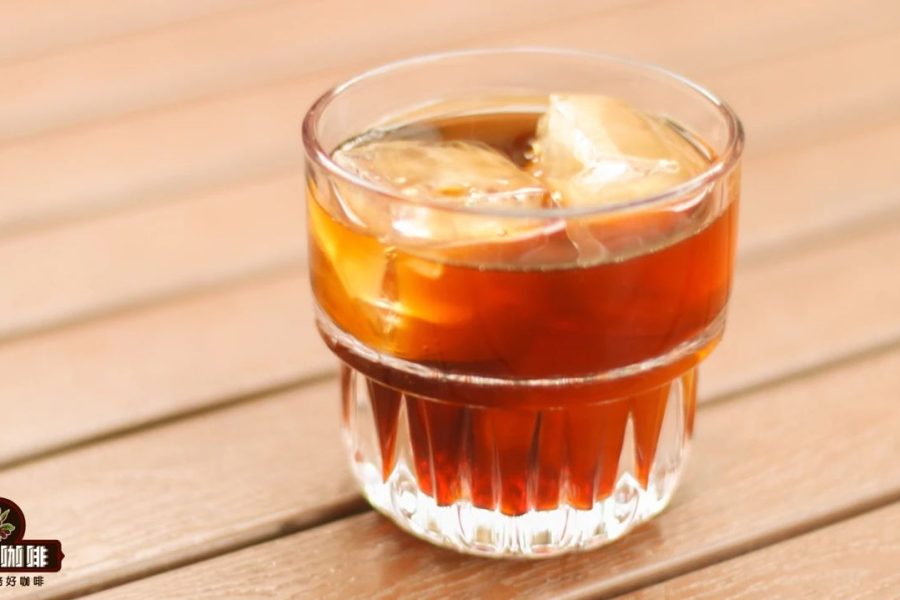
Introduction: Ice drip coffee and cold brew coffee, both popular low-temperature extraction coffees for summer, are often compared by enthusiasts. The two have their own characteristics in terms of production methods, taste performance, and suitable scenarios. This article will detail the definitions, production processes, optimal coffee-to-water ratios, flavor differences, and suitable coffee bean types for ice drip and cold brew coffee, to help you choose the appropriate brewing method according to your personal taste.
Among the diverse ways of drinking coffee, ice drip and cold brew coffee have become summer favorites for many coffee lovers due to their unique low-temperature extraction processes. Neither method uses hot water; instead, they bring a more refreshing, less bitter coffee experience through long, low-temperature extraction. So, what exactly is the difference between them? What coffee-to-water ratio can extract the ideal flavor? Next, we will comprehensively analyze these two coffees from definition and production methods to flavor characteristics.
1. What is cold brew coffee?
Cold brew coffee is a coffee-making method that extracts flavor by soaking coffee grounds in cold water for a long time. Specifically, ground coffee is mixed with cold water in a certain ratio, placed in a sealed container, and left in the refrigerator for 12 to 24 hours. This process requires no heating and relies on cold water to slowly extract the flavor compounds from the coffee. Compared with other brewing methods, cold brew is simpler to operate and suitable for daily home preparation.

2. What is ice drip coffee?
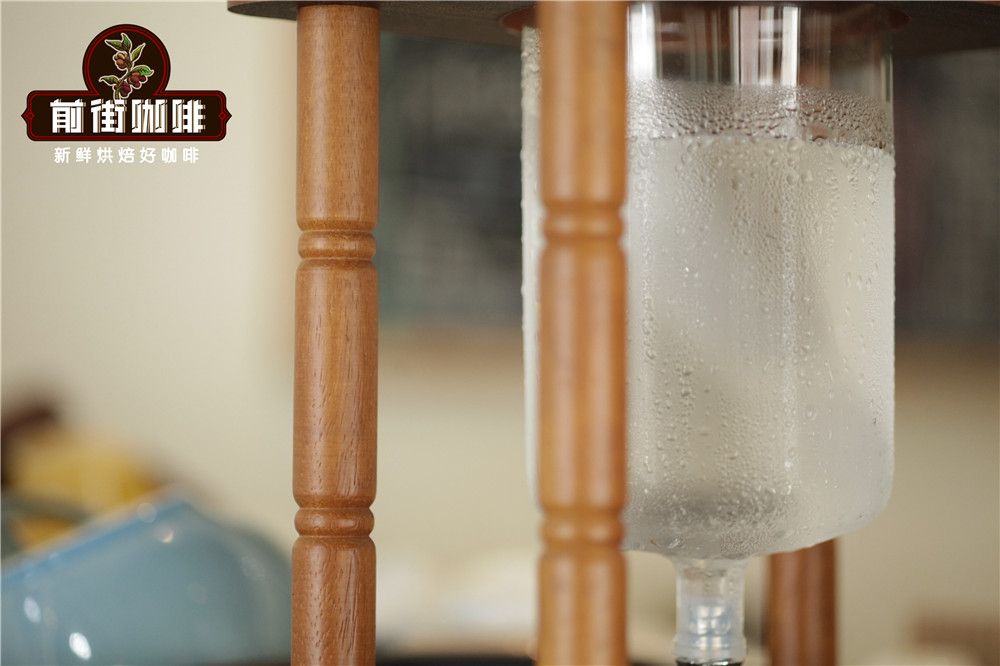
Ice drip coffee uses a more refined and time-consuming drip filtration method. It slowly drips ice water onto coffee grounds at a rate of a few drops per minute, and through a long drip process (usually 6 to 8 hours), gradually extracts the coffee's flavor. Ice drip coffee generally uses a special ice drip pot, which usually includes a water container, a coffee grounds cup, a valve to control the drip rate, and a container to collect the coffee liquid. The entire process simulates an extremely slow extraction environment, thereby obtaining a purer, clearer coffee liquid.
3. What advantages do cold brew and ice drip have over pour-over?
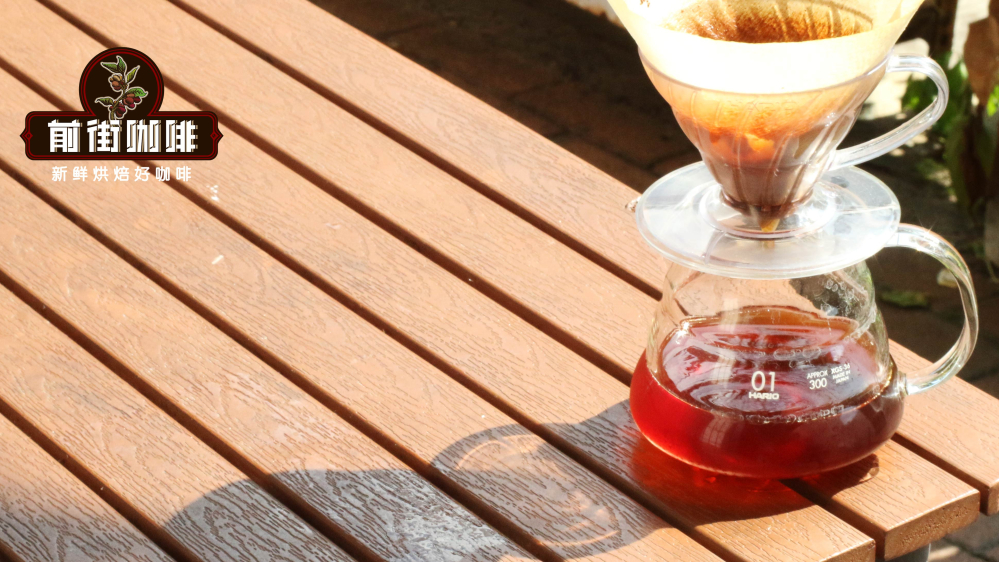
Traditional pour-over coffee usually uses hot water for high-temperature extraction. Although it can quickly release the coffee's aroma, it is also prone to bringing excessive bitterness and impurities due to water temperature being too high or improper time control. In contrast, cold brew and ice drip use low-temperature extraction, which can slow the release rate of flavor compounds, reduce the risk of bitterness and over-extraction, and avoid extracting the rough woody fiber taste in coffee, making the final coffee smoother and more refreshing, with softer and more unified flavor layers.
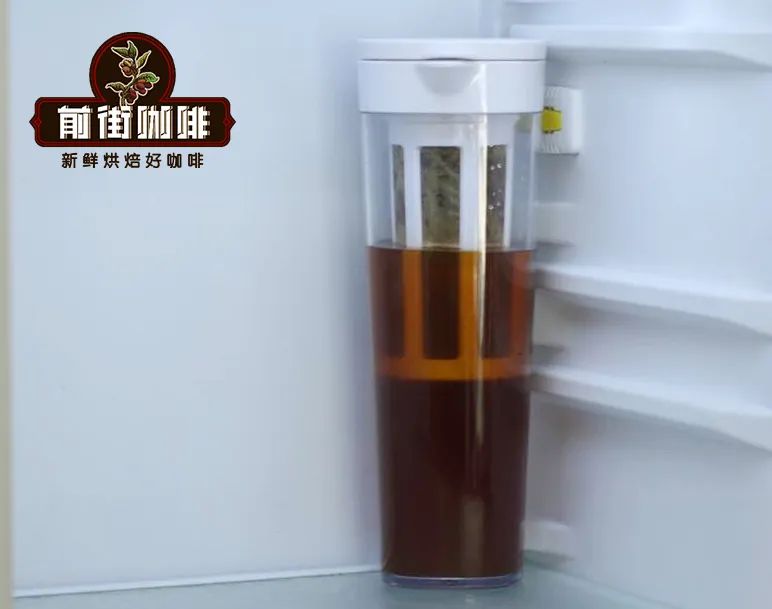
4. Cold brew coffee production method and parameters
To make cold brew coffee, you need to prepare freshly roasted coffee beans, a clean container with a lid, ice water, and filter paper or a filter mesh. It is recommended to use medium-fine ground coffee, with a grind size of about 75% passing through a 0.85mm sieve. A commonly used coffee-to-water ratio is 1:10, for example, using 50 grams of coffee grounds with 500 milliliters of ice water. After mixing the coffee grounds with ice water, stir thoroughly, then seal and place in the refrigerator for 12 to 24 hours. After extraction is complete, filter out the coffee grounds with filter paper or a filter mesh, pour the coffee liquid into a clean container, and it is recommended to finish drinking within 72 hours for the best flavor.
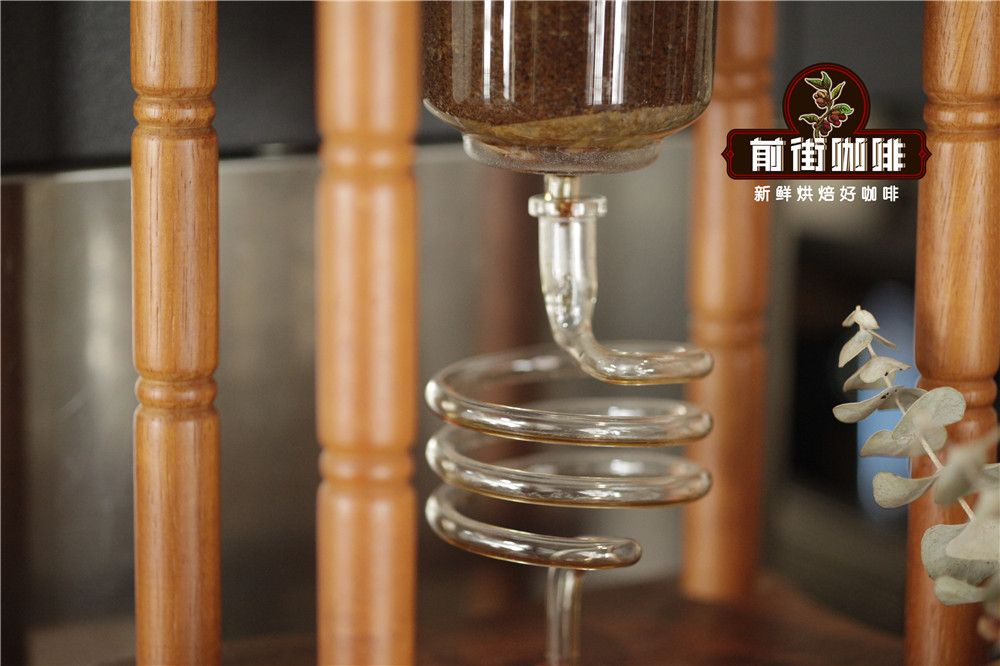
5. Ice drip coffee production process and suggestions
Ice drip coffee is relatively more complicated to make and requires a special ice drip pot. It is usually recommended to use 60 grams of medium-fine ground coffee, also using a 1:10 coffee-to-water ratio, that is, extracting about 600 milliliters of coffee liquid. The drip rate of ice drip is controlled at about 3 drops every 10 seconds, and the whole process lasts 5 to 8 hours. After extraction is complete, the coffee liquid usually does not immediately show rich flavor. It is recommended to seal it and place it in the refrigerator for more than 8 hours to let the carbon dioxide in the coffee liquid release naturally and further stimulate the flavor. Similarly, it is recommended to drink within 72 hours after production to ensure fresh flavor.
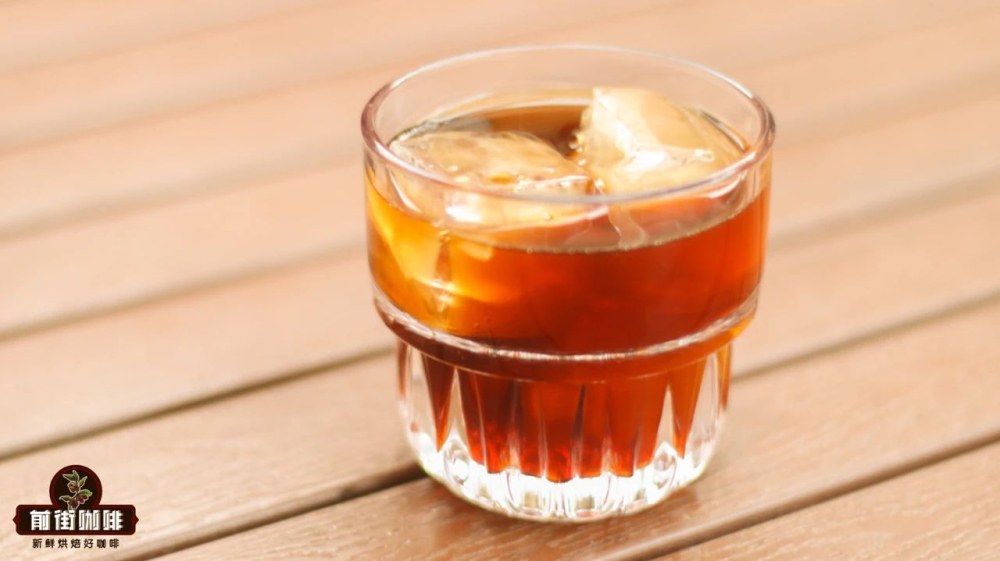
6. Flavor differences between ice drip and cold brew
In terms of taste, because ice drip coffee is a drip filtration method, the coffee liquid is usually clearer and more transparent, with a refreshing, pure taste, and distinct, clean flavor layers. Cold brew coffee, because it uses a soaking method, often appears slightly cloudy, sometimes with a small amount of oil on the surface, and has a fuller, rounder taste, with balanced and smooth flavor. Each has its own merits and suits drinkers with different preferences.
7. Suitable coffee bean choices
When making cold brew and ice drip coffee, light-roasted coffee beans are usually recommended. Light-roasted beans retain more acidity and fruit flavors and can better show a fresh and bright taste under low-temperature extraction. If you like iced coffee with prominent fruit acidity, you can choose beans with distinct citrus or berry notes; if you prefer fermented flavors such as winey or tropical fruit aromas, you can also choose coffee beans with such characteristics. These beans not only perform well under long low-temperature extraction but are also suitable for other cold brew-type drinks, such as iced pour-over.


