Drip Bag Coffee Brewing Guide: Brands and Cold Brew Tips
Introduction: From the invention of drip bag coffee to home brewing techniques, this article gives a full analysis of how to choose a suitable drip bag coffee brand and provides detailed pour-over and cold brew steps. Whether you are an office worker seeking convenience or a coffee lover wanting to try different flavors, you can find the flavor and technique that suits you.
The same coffee beans, when freshly ground and brewed directly versus made into drip bag coffee, show clear differences in flavor. Once coffee grounds are exposed to air, aromatic compounds volatilize quickly, which is why many seasoned coffee drinkers recommend grinding and brewing fresh. However, for consumers who are short on time yet want hand-brewed quality, drip bag coffee is a good compromise.
The drip bag coffees on the market cover the characteristics of many coffee regions, such as Ethiopia's Yirgacheffe, Brazil's Cerrado, Kenya's tomato-like flavor, and blended drip bags combining multiple varieties. Consumers can also customize drip bag coffee to personal preference, for example turning single-origin beans of a specific roast level into drip bag form to meet diverse drinking needs.
The birth of drip bag coffee is closely tied to Japan's fast-paced life. In the 1990s, Japanese office workers' need to simplify the cumbersome steps of pour-over coffee gave rise to the early drip bag prototype. Although early products did not become widespread due to structural flaws, after technical improvements, the improved drip bag of 1998 solved the problems of load-bearing and balance by widening the filter bag handles, finally forming the modern drip bag form. Compared with instant coffee, drip bags retain the complete extraction process of coffee grounds, giving richer flavor layers.
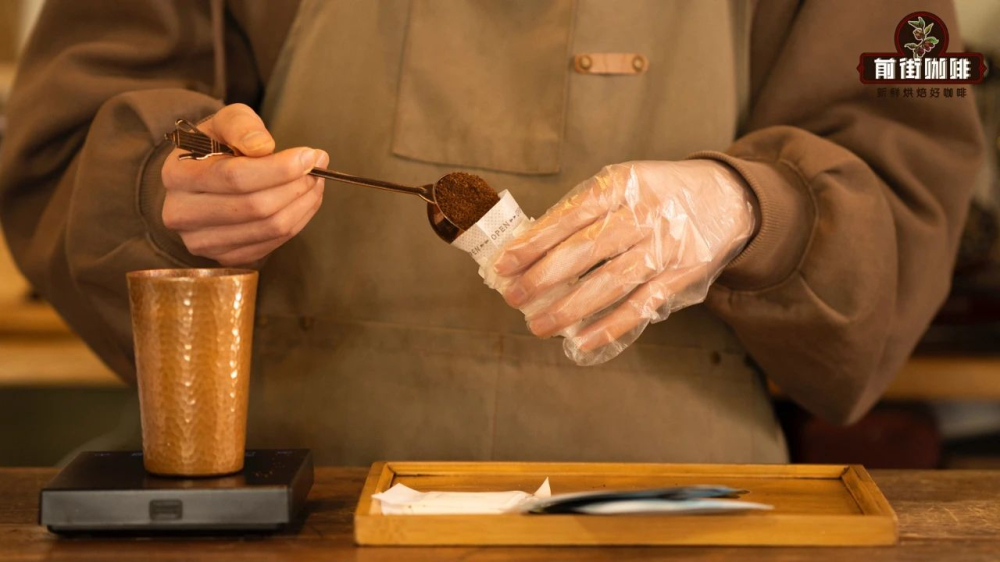
The core advantage of drip bag coffee lies in simplifying equipment needs. Traditional pour-over requires at least five tools such as a grinder, digital scale, thermometer, dripper and filter paper, while drip bag coffee has the grind size preset and replaces the professional dripper with a folded filter bag. Users only need hot water at about 90°C and a cup, and can complete extraction following a basic coffee-to-water ratio of 1:15 (for example, 10 g of grounds to 150 ml of water), which is especially suitable for office or travel scenarios.
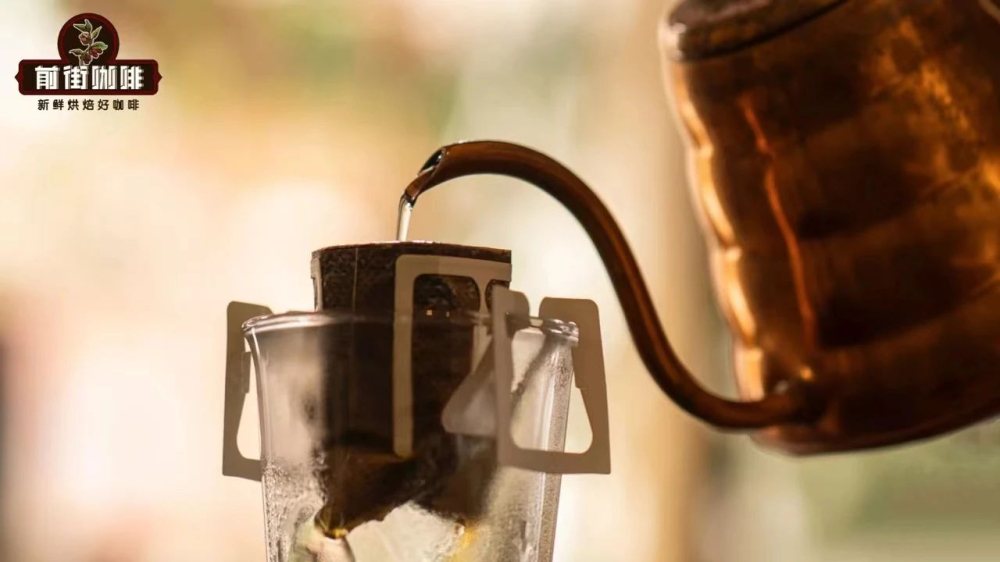
The standard brewing process is divided into four steps:
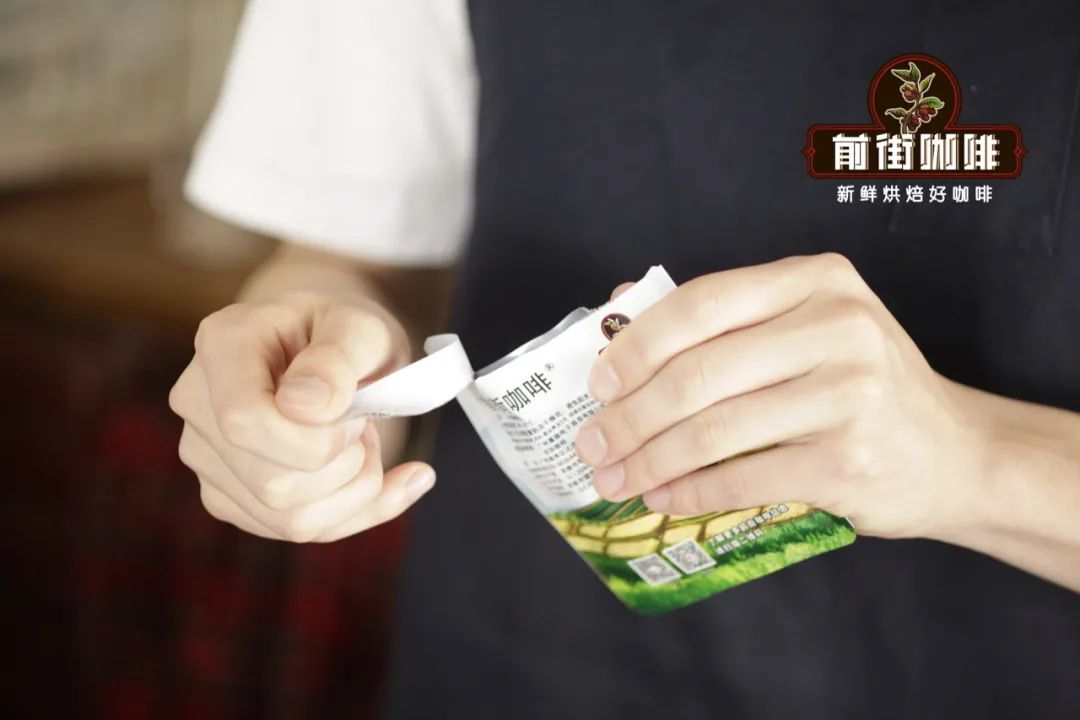
1. After tearing open the package, check the integrity of the filter bag; a mug with a moderate mouth diameter is recommended;
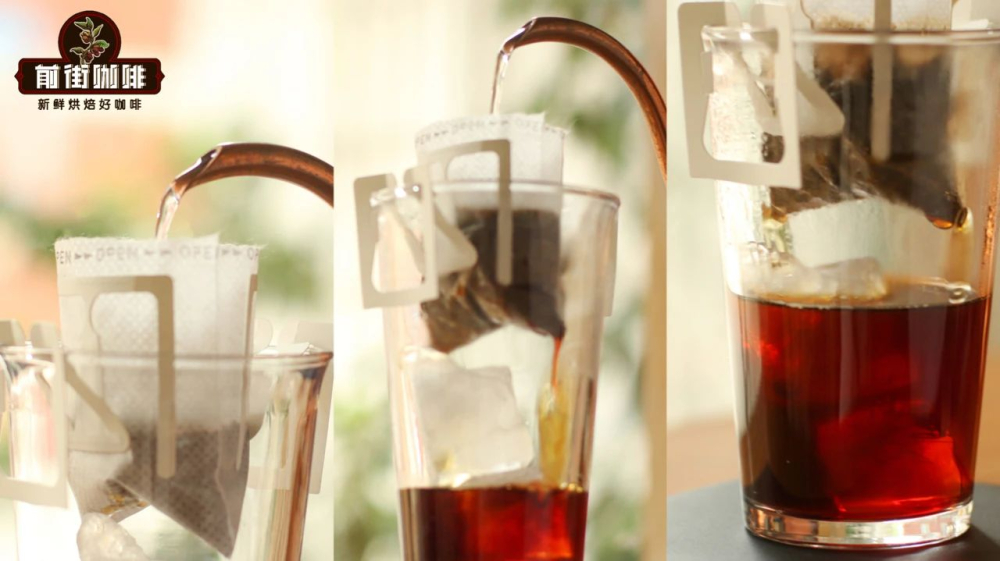
2. Pour in a small amount of hot water to wet the coffee grounds and let it sit for 20-45 seconds to bloom; this step releases aroma molecules;
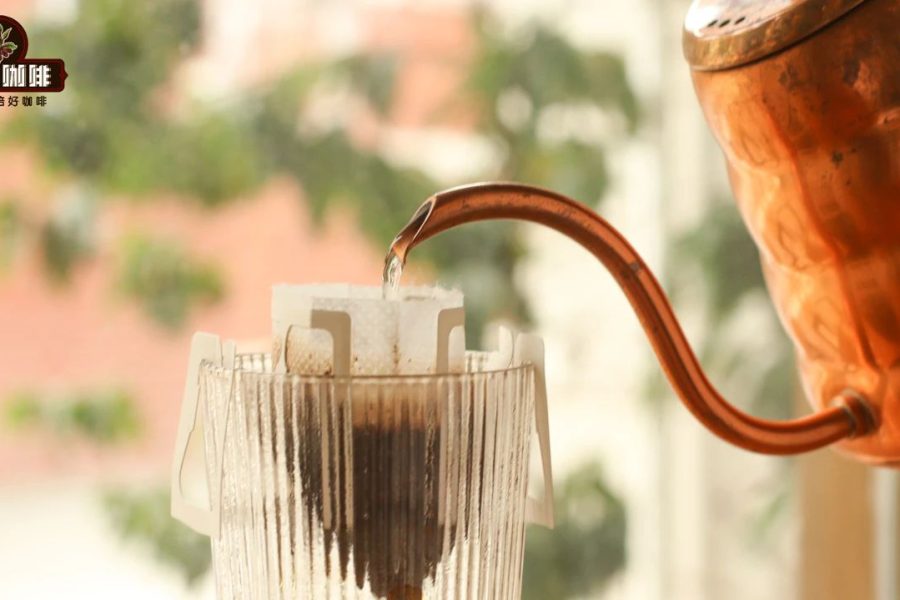
3. Continue pouring slowly in a circular motion up to the target volume, with the flow controlled at 3-5 ml per second;
4. After drip filtration is complete, remove the filter bag and add milk or sugar to taste. Pouring in stages is not essential; a steady pour better ensures even extraction.
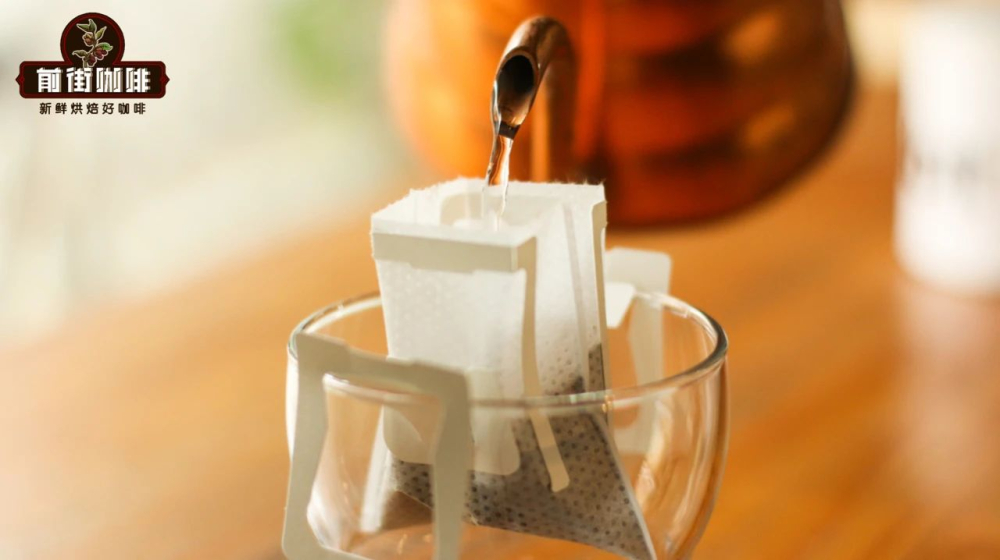
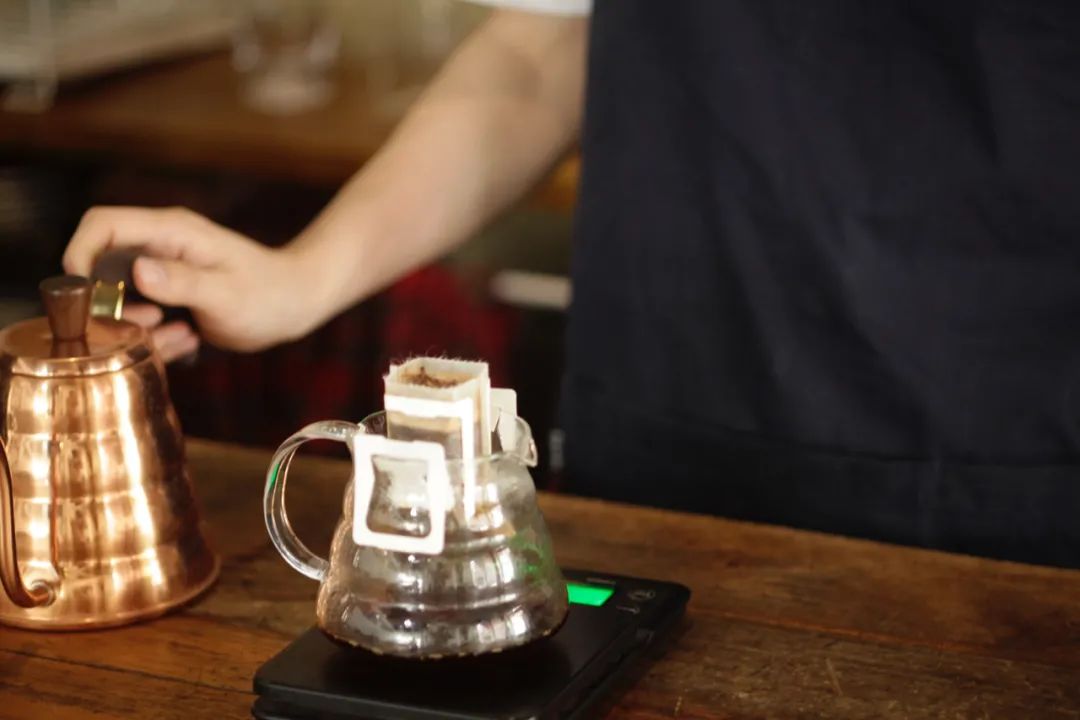
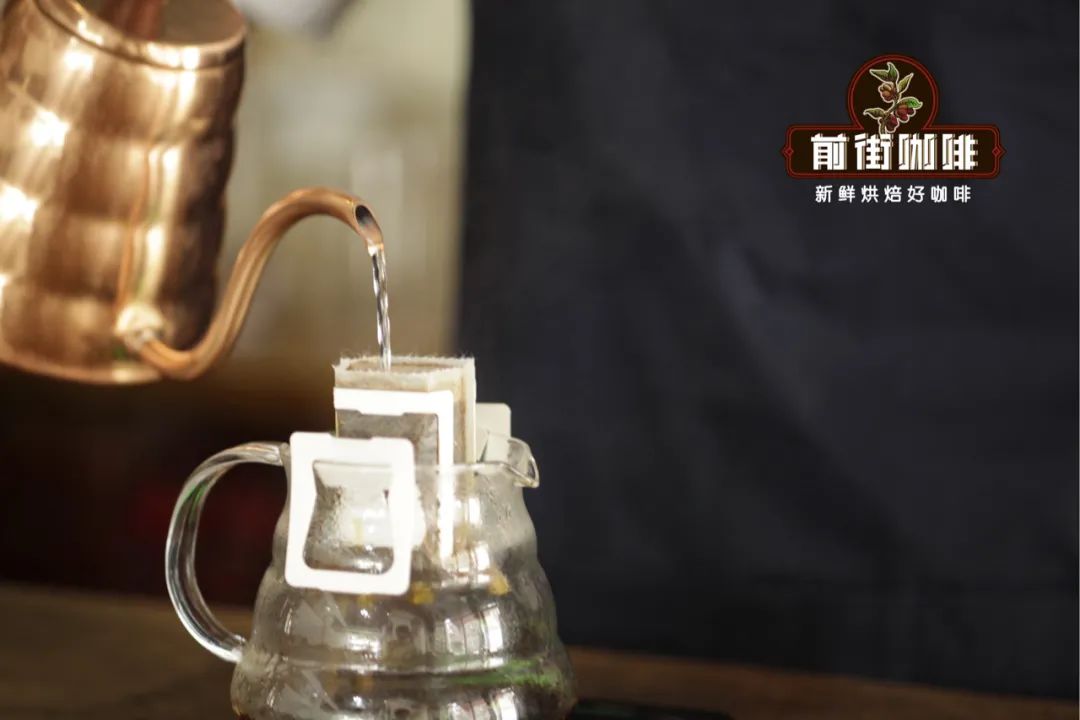
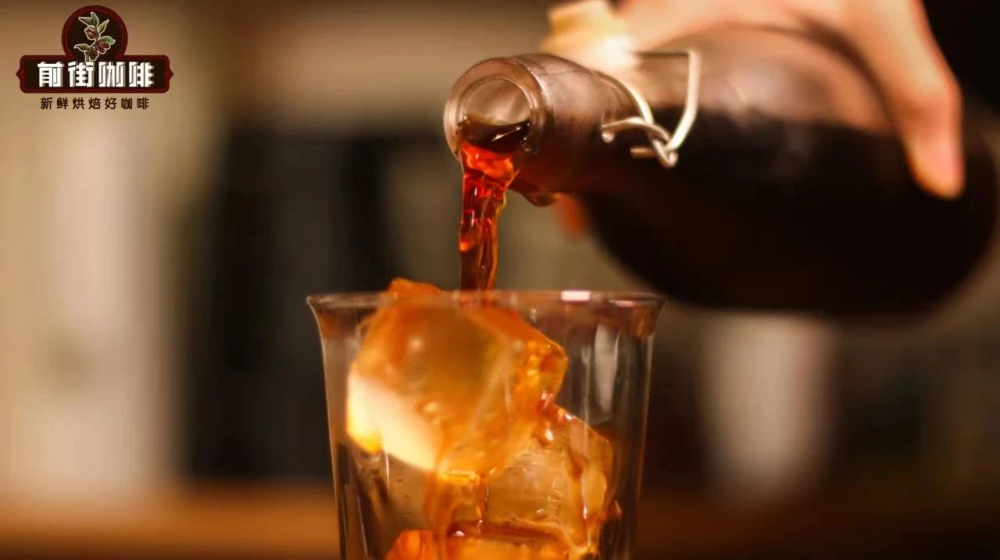
Making iced drip bag coffee requires adjusting the parameters: first soak the filter bag in 93°C hot water at a 1:10 coffee-to-water ratio (10 g of grounds to 100 ml of water) for 3 minutes, then pour the concentrated coffee liquid into a glass filled with ice cubes. This avoids the ice diluting the flavor too quickly and draws out more floral and fruity aromas through expansion and contraction. Tests show that using stainless steel ice spheres instead of ordinary ice cubes slows melting and keeps the coffee's taste stable.
When choosing drip bag coffee, consider the following dimensions:
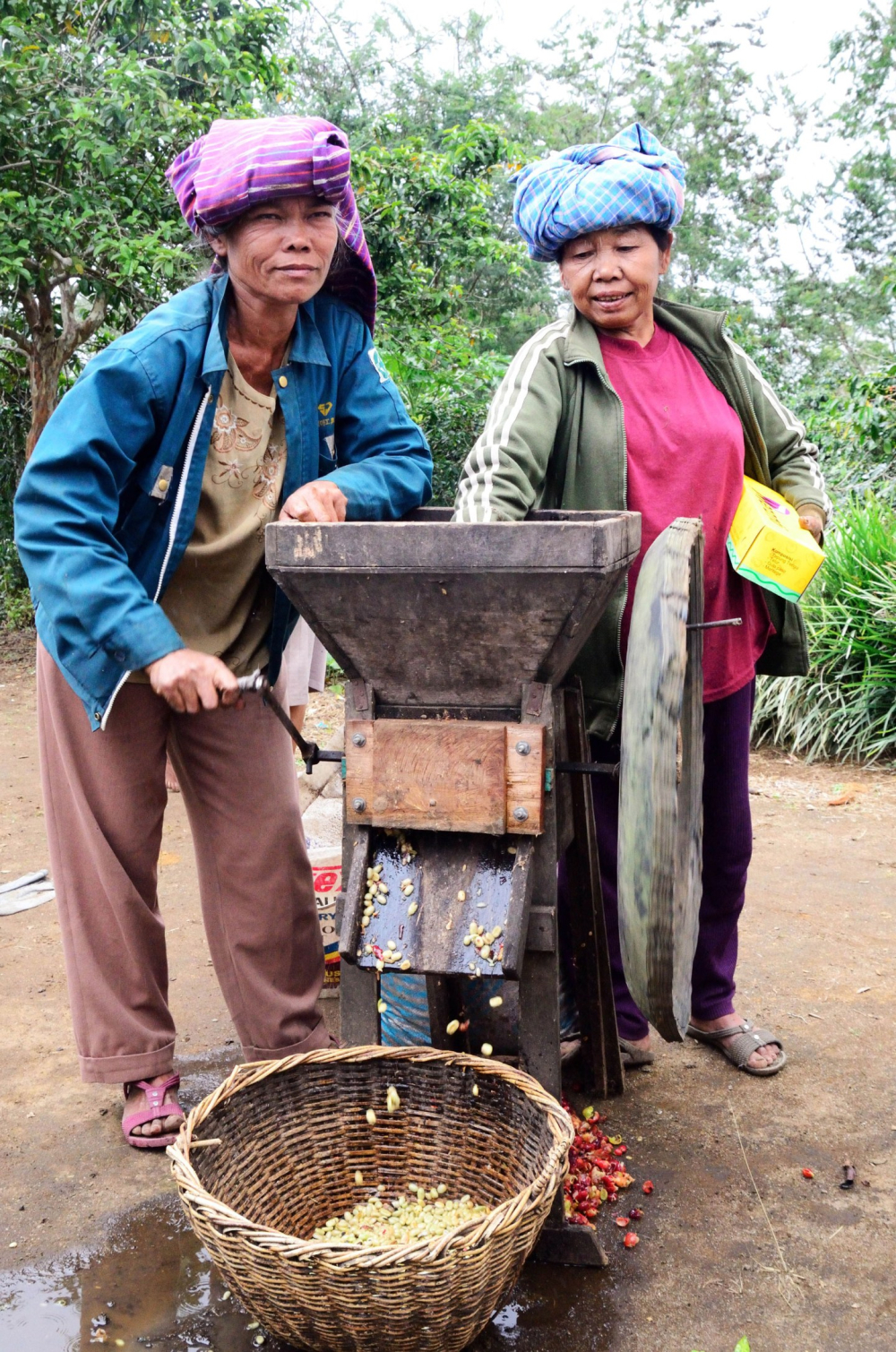
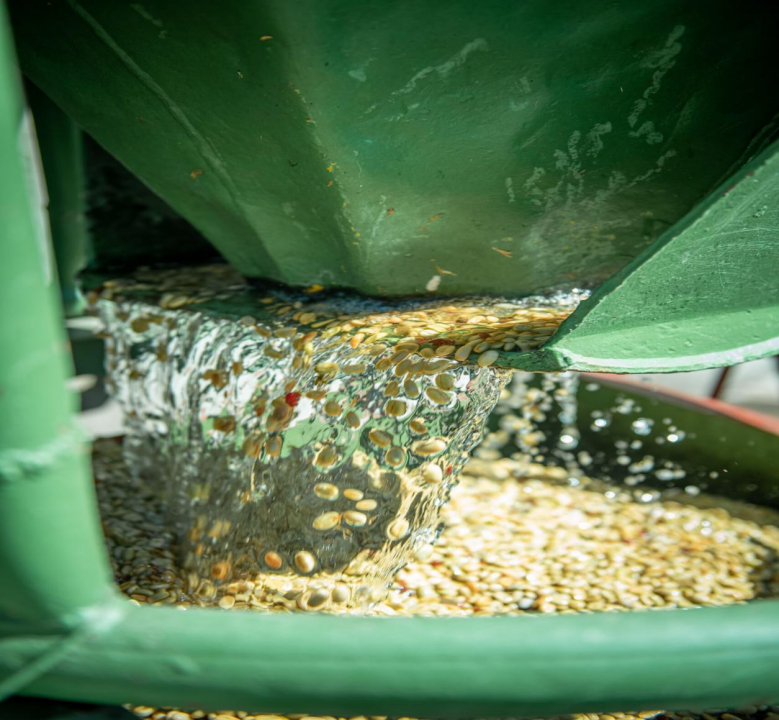
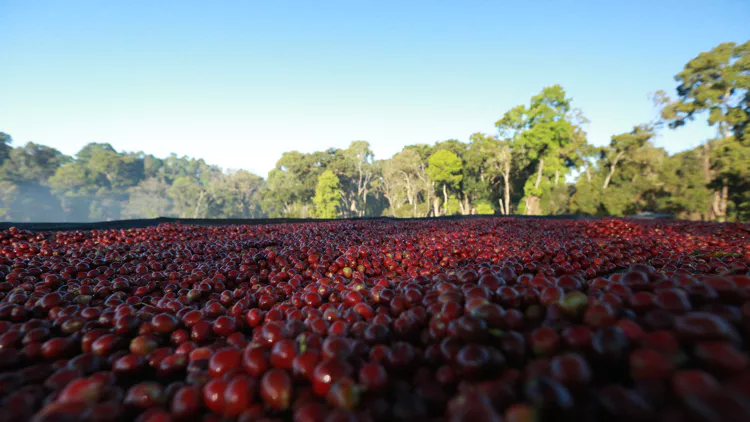
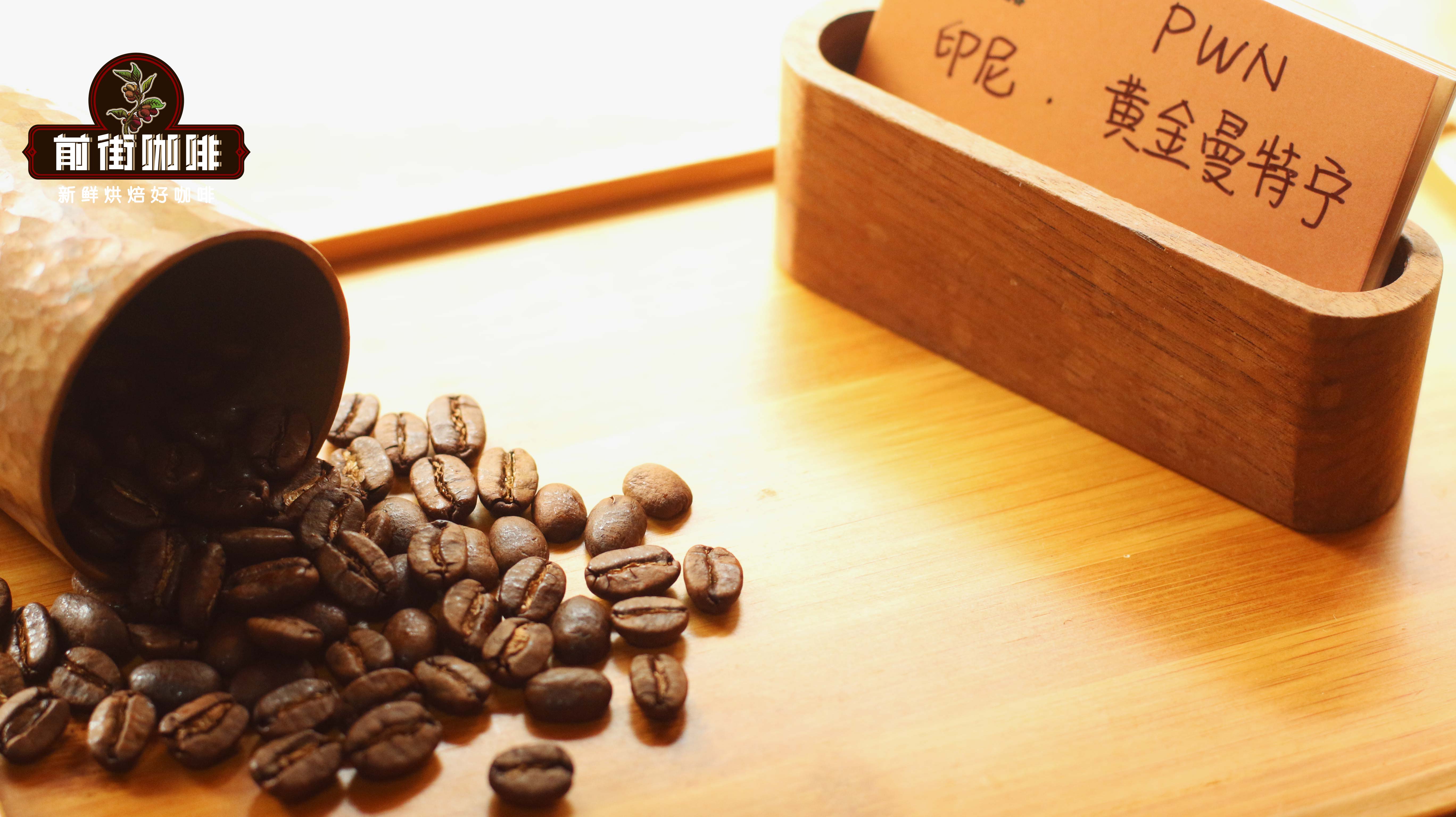
- Processing method: natural process brings rich sweetness but slightly lower cleanliness; washed process usually presents bright acidity; Indonesian beans processed with the wet-hulled method combine body with a distinctive herbal character
- Roast level: medium-light roast highlights floral and fruity notes; medium-dark roast strengthens caramel and nutty flavors
- Origin characteristics: Ethiopian beans are mainly citrus-toned, Brazilian beans often have a chocolate-nut base, Colombian beans are excellently balanced
- Freshness: choose products with a roast date within 14 days, and store sealed and away from light after opening