Papua New Guinea Bird of Paradise Coffee Grading Guide: Flavor and Pour-Over Parameters
Introduction: Papua New Guinea's coffee named after its national bird, the Bird of Paradise, carries Jamaican Blue Mountain Typica lineage and comes from Sigri Estate in the Western Highlands. This article analyzes its AA specialty grading standards, three-stage washed process, and the floral and nutty notes from 1600-1800m elevation, and provides professional pour-over recipes and roasting advice to help you precisely capture this island coffee's unique flavor.
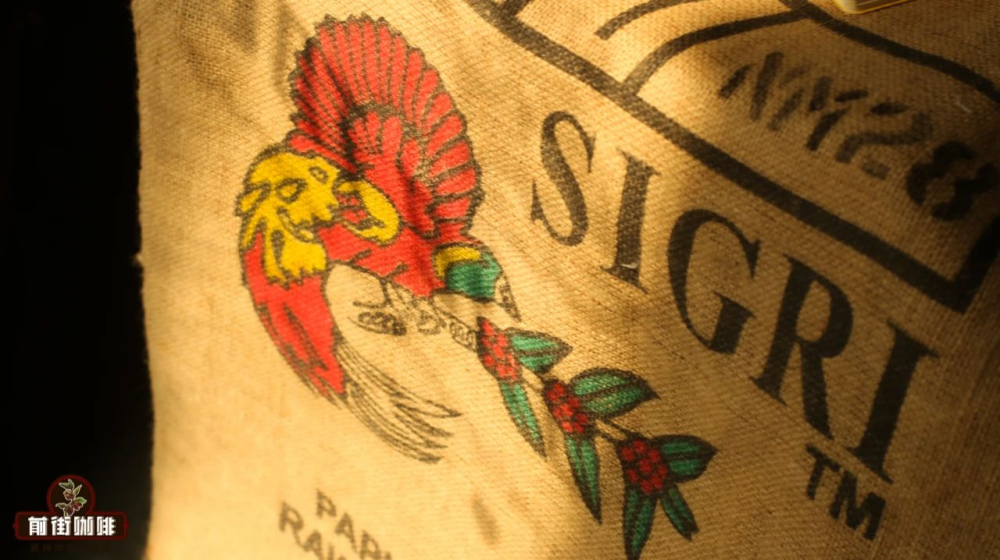
 In Papua New Guinea's coffee landscape, one bean named after the national bird, the Bird of Paradise, stands out—it is not only the country's most representative export coffee but also carries the ancient genes of Jamaican Blue Mountain Typica. This Arabica bean, called 'Sigri Estate AA,' with its clean acidity and layered sweetness, has become a preferred choice for specialty coffee lovers worldwide exploring island flavors.
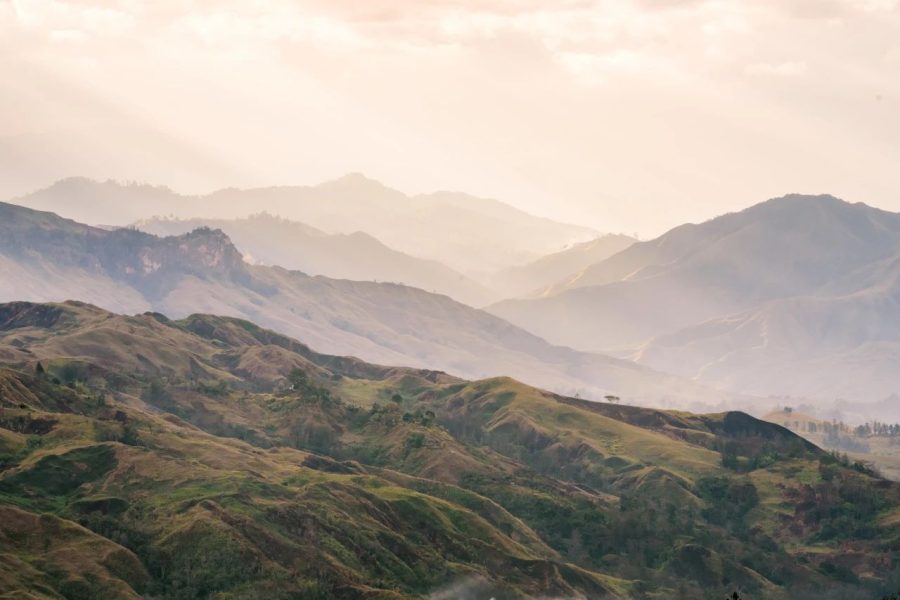
 Papua New Guinea is an island group between Oceania and Indonesia, and about 95% of the country's coffee comes from highlands above 1500 meters. Smallholders here grow 90% of the nation's coffee trees, supporting the livelihoods of nearly 400,000 families. Sigri Estate, a benchmark plantation in the Waghi Valley of the Western Highlands, has focused on cultivating Arabica varieties since the 1950s. Its core growing area reaches 1600-1800 meters, where the year-round cool, humid climate and fertile volcanic soil provide an ideal growing environment for coffee trees.
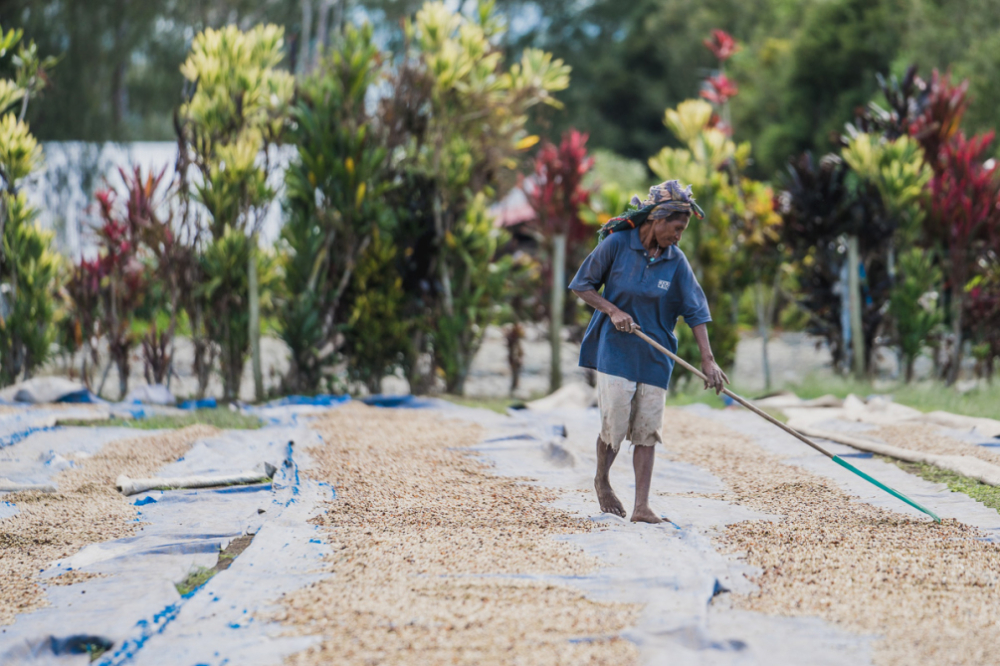
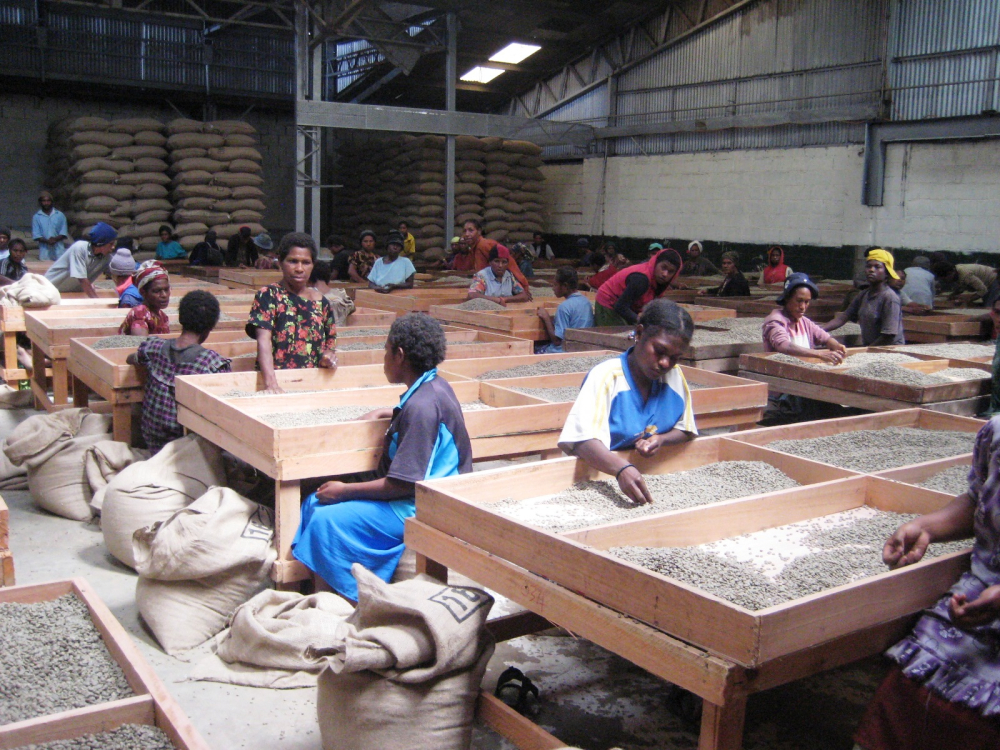
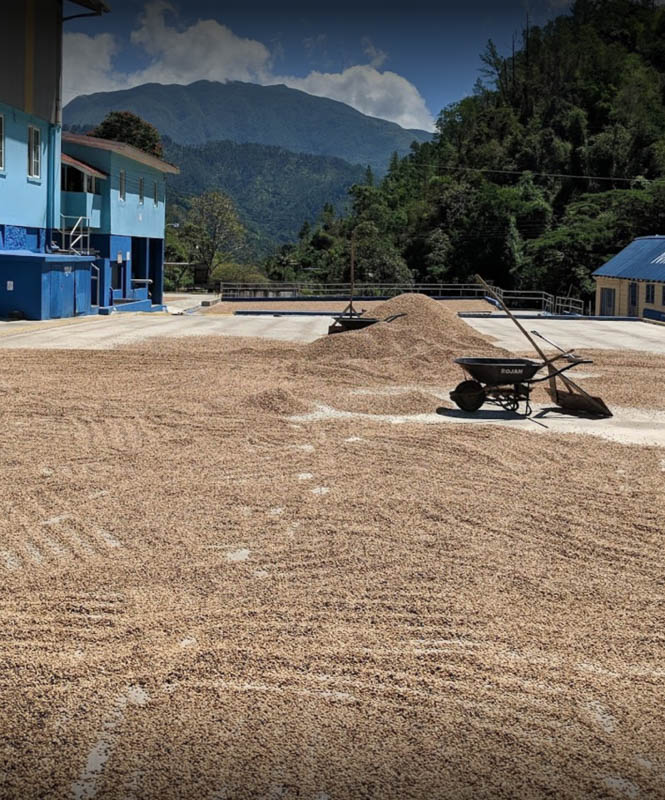
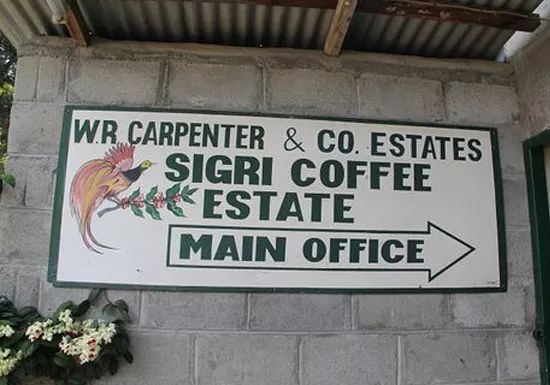 Sigri Estate mainly grows three classic varieties: Arusha, Bourbon, and Typica, among which the core Typica originates from transplanted Jamaican native Blue Mountain seedlings. After crossing the ocean, these seedlings still retain the delicate mouthfeel and low-density characteristics typical of the Typica line. The estate strictly follows traditional processing: only fully red ripe cherries are selected at harvest, then three 24-hour washed fermentations (with water changed each time to control the flavor direction), followed by natural sun drying, ultimately forming a balance of bright fruit acidity and full sweetness.
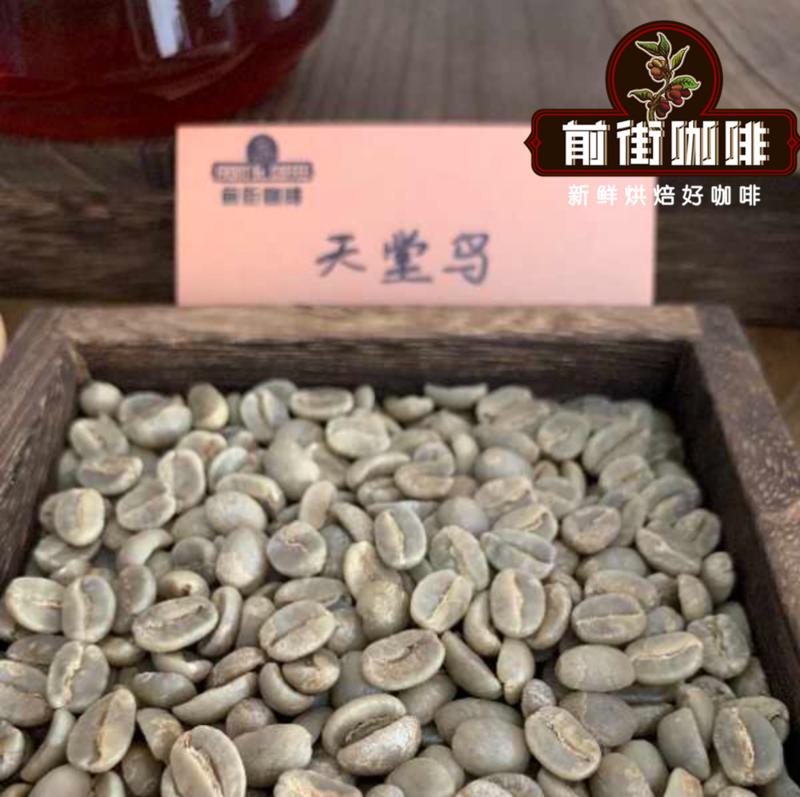
 As the top tier in Papua New Guinea's coffee grading system, AA beans must meet multiple strict standards—no more than 10 defective beans per kilogram, a plump oval bean shape (screen size above 18), and a unique pale green color with a blue tint in the raw bean. This grade mainly comes from large estates like Sigri, and its flavor profile is: nutty and woody aromas on entry (dry fragrance layer), sugarcane sweetness and toasted bread notes emerging in the wet aroma (first crack stage), soft berry-like acidity on the palate, and a long sweet finish with a faint spiciness.
 Tracing its lineage deeper, Typica, one of the world's oldest Arabica varieties, was first introduced by the Dutch from Ethiopia to Java, then brought by French missionaries to the Caribbean, and eventually spread to Central America. But the long migration left its Central and South American descendants genetically uniform, weak in disease resistance, and low in yield. In contrast, Sigri Estate's Typica directly inherits the Jamaican Blue Mountain mother plants, retaining the classic flavor while being better adapted to Papua New Guinea's highland ecology.
 Papua New Guinea's coffee processing has a distinctive regional character: unlike conventional single-fermentation washing, the local method uses a 'three-stage washed process'—fermenting for 24 hours each time with a complete water change, precisely regulating pectin breakdown; after pulping, natural sun drying (avoiding rapid water loss at high temperatures) allows the beans to dehydrate evenly and lock in flavor compounds. Sigri Estate further implements ecological principles in cultivation, planting shade trees to protect biodiversity; records show more than 90 bird species, including the Bird of Paradise, inhabit its area, and chemical pesticides and artificial fertilizers are completely prohibited.
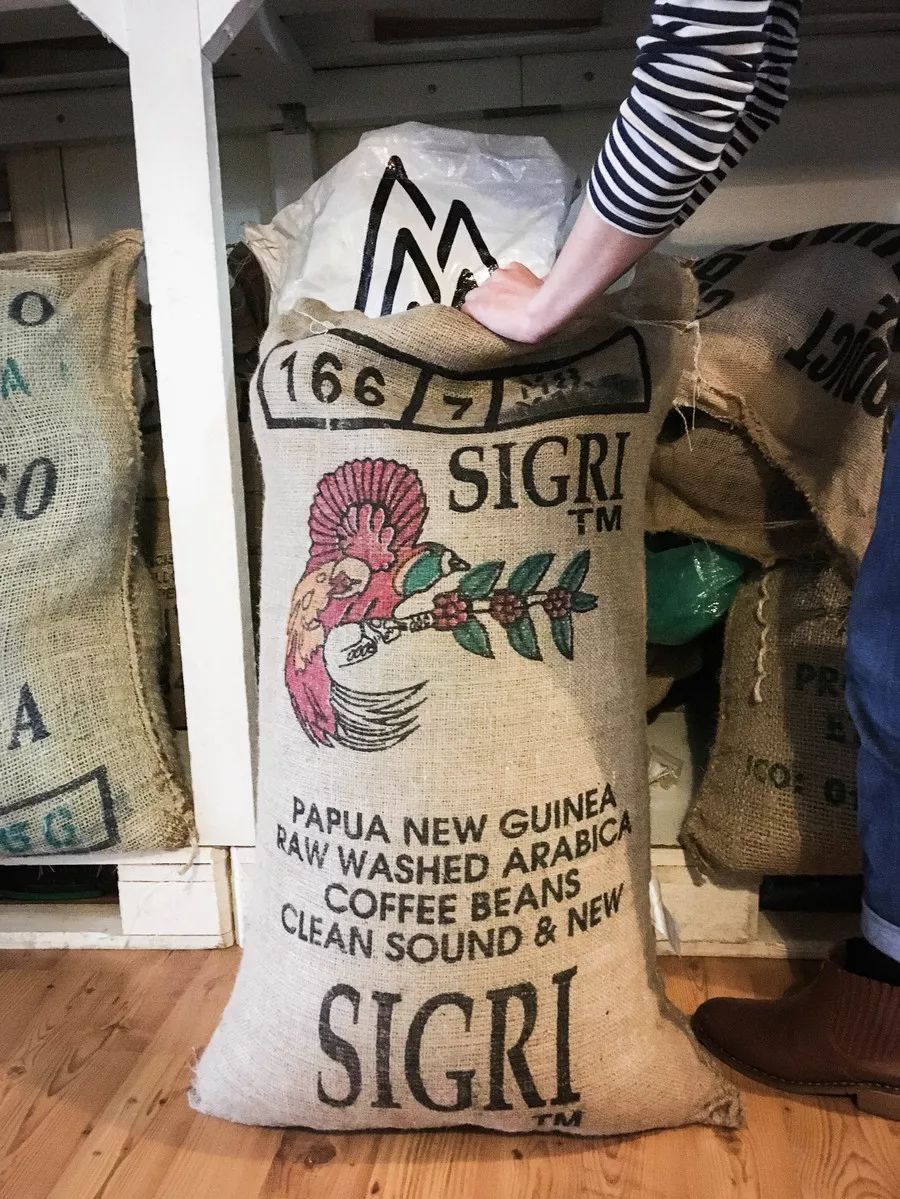
 In terms of raw bean parameters, PNG AA coffee is divided into 12 grades by defect rate (under the Plantation Y naming rules), among which AA and A fall into the specialty category. AA requires a bean diameter above screen 18 (about 6.7mm), no more than 10 defects per kilogram, and a blue-green luster in the raw bean; A is slightly smaller (≥17 screen) but its cupping quality must still meet the GTF (good) standard. Sigri's AA beans are usually packed in 60kg jute bags and undergo three rounds of hand sorting and cupping calibration before shipment.
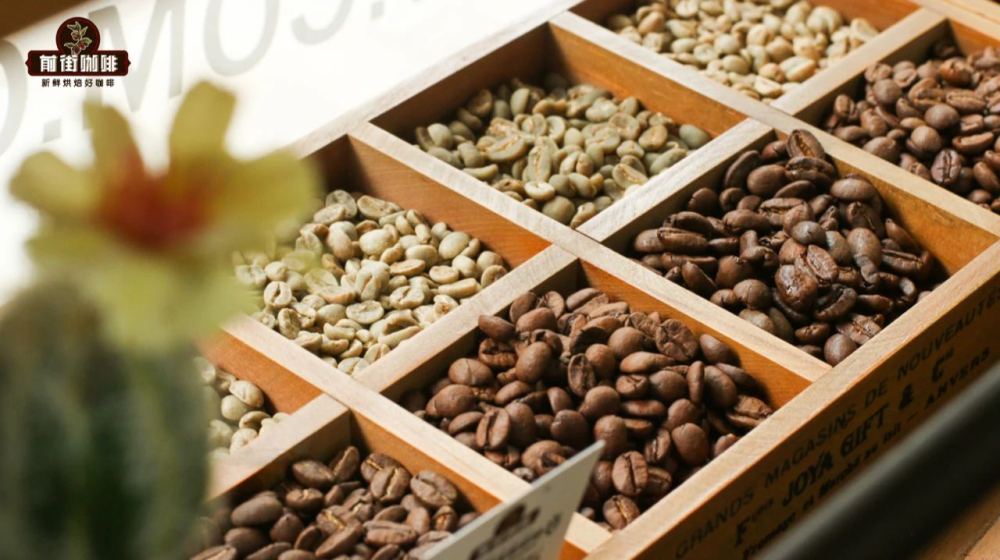
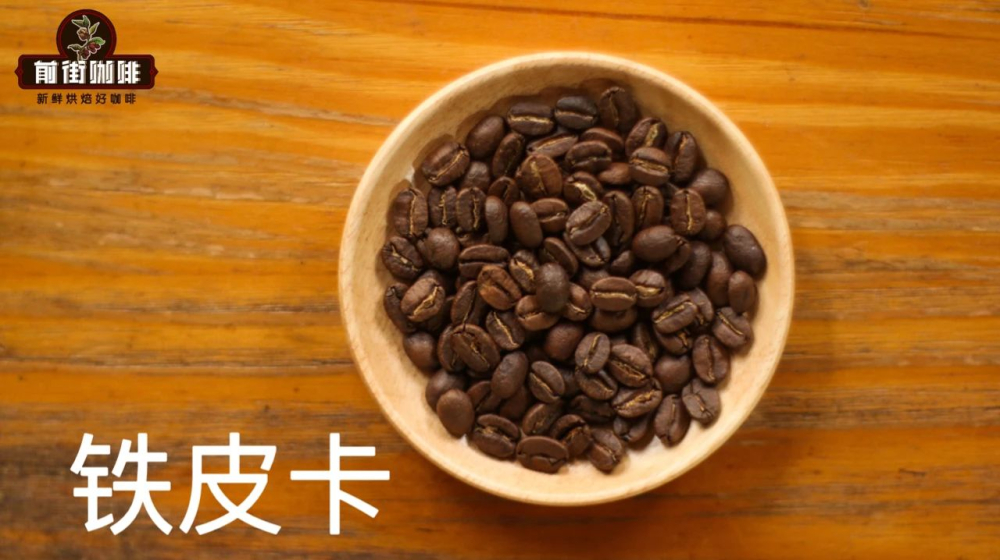
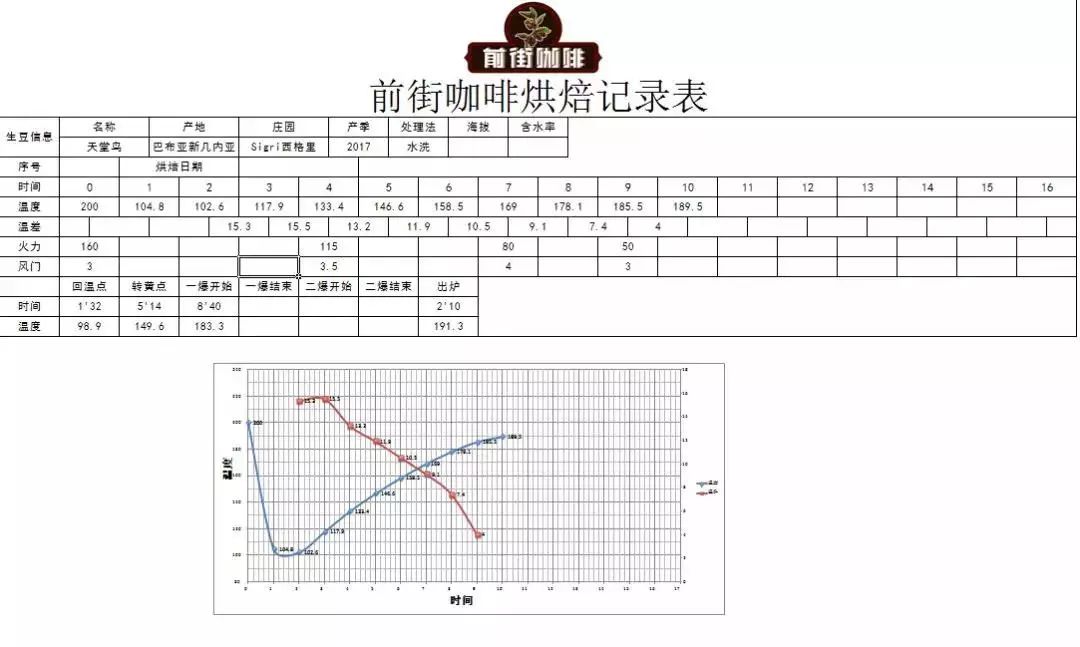
 For this lower-density Typica variety, professional roasters recommend medium roast (dropping at the dense first-crack stage) to highlight its fresh character. Taking the Yangjia 800N as an example: charge temperature 200°C, reduced to 115°C after the soak for slow dehydration (bean surface turns yellow at 5 min 35 sec), first crack begins at 8 min 40 sec (dropped at 191.3°C), with heat controlled throughout to avoid excessive development and smoky notes. This roast level balances nutty aroma, faint peppery spice, and a sweet finish.
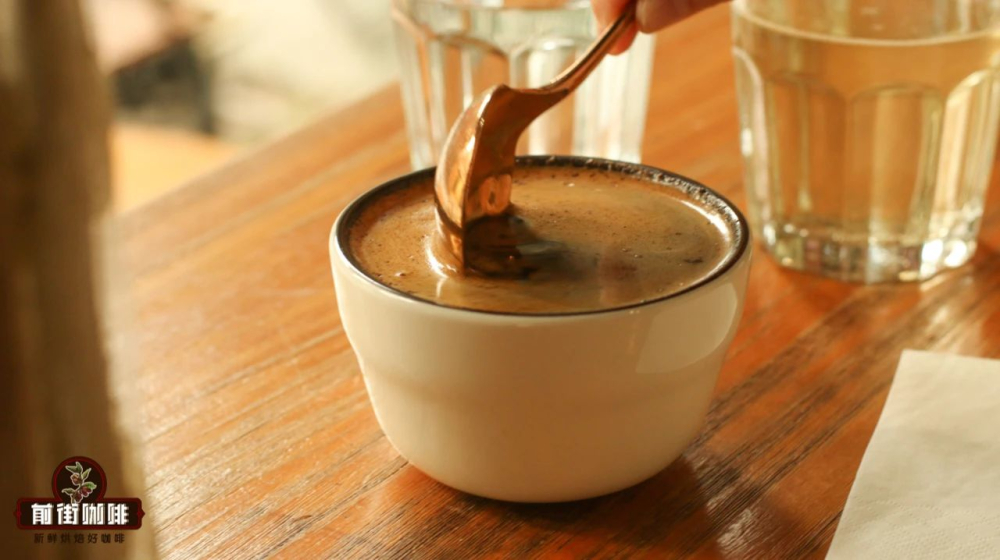
 In actual brewing, pour-over is the best way to reveal its layers: use a fine-sugar grind with 75% passing a No. 20 sieve (close to medium-fine), with water temperature at 88°C. When pouring, draw a spiral centered on the dripper, avoiding water hitting the filter paper edges and creating channeling. Total time is recommended at 1 min 40 sec to 2 min 10 sec; too long easily extracts tannins and bitterness. In the cup, the dry aroma mixes nuts and woodiness, the wet aroma releases sugarcane sweetness and toasted bread, the palate shows a sweet-acid balance like berries interwoven with spice, and the finish carries a lasting minerality.
 For beginners, note the significant difference between Papua New Guinea coffee and Indonesian Mandheling—the latter, due to the thick pectin layer of the Mandheling variety, shows heavy earthy notes, while Sigri Estate beans, thanks to high-altitude growing and fine washing, taste cleaner and more transparent. If you seek greater body, you can try slightly deepening the roast to the medium-dark range (dropping before the end of first crack), but this will sacrifice some of the bright acidity.