Cold Drip vs. Cold Brew Coffee: Flavor and Brewing Guide
Introduction: Cold drip coffee and cold brew coffee are both popular cold coffee methods, but their extraction principles, operational steps, and flavor profiles differ significantly. This article will analyze the differences between these two coffees from the perspectives of production methods, parameter settings, and flavor characteristics, helping you choose the suitable cold brew method based on taste preferences and providing practical brewing reference data.
In the world of cold brew coffee, cold drip coffee and cold brew coffee are the two most common production methods, but many coffee enthusiasts are not very clear about their differences. Although both extract coffee with cold water over a long period, there are significant differences from process principles to the final flavor presentation. Understanding these differences can not only help you better taste coffee but also choose the appropriate brewing method according to personal preferences.
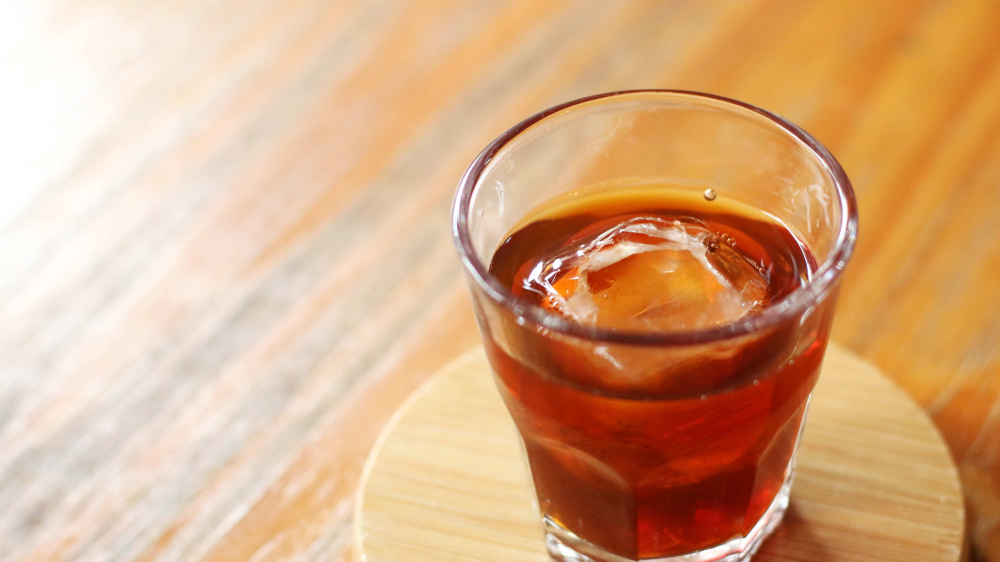
Simply put, cold drip coffee belongs to drip extraction, relying on ice water slowly dripping through the coffee powder layer; while cold brew coffee is immersion extraction, mixing coffee powder with cold water and then letting it stand in the refrigerator. These two methods have their own characteristics in terms of equipment requirements, time control, and flavor direction.

1. Cold Drip Coffee: Precise Drip Filtration, Refreshing Flavor with Fermented Notes
Cold drip coffee uses **drip extraction**, utilizing ice water dripping one drop at a time through finely ground coffee to slowly extract the flavor substances in the coffee. This process is usually quite long and requires special cold drip equipment to control the water drip speed and extraction time.
Typical cold drip extraction parameters are: coffee powder dosage about 60 grams, grind size slightly finer than regular pour-over, generally recommended to pass about 85% through a No. 20 sieve. The water drip speed is controlled at 7 drops per 10 seconds, and the overall extraction takes about 6 hours, ultimately obtaining about 600 milliliters of coffee liquid. After the drip filtration is completed, it is recommended to place the coffee liquid in the refrigerator and let it stand for 12 hours to further enhance the flavor layers.
Regarding the issue of adding ice and water, as long as you ensure the use of ice-water mixture and control the final coffee liquid volume, additional ice water will not affect the final extraction effect. Usually, cold drip equipment comes with an ice water tank, and you only need to maintain a continuous supply of ice water to stabilize the drip speed.

2. Cold Brew Coffee: Cold Water Immersion, Mellow Taste with Prominent Fruit Aromas
Cold brew coffee, also called cold water immersion coffee, is made by mixing coarsely ground coffee powder (also recommended to have a 85% powder-water passage rate through a No. 20 sieve) with cold water at a 1:12 powder-to-water ratio, then placing it in a sealed container, shaking well, and refrigerating for 12 hours for extraction. After that, remove the coffee grounds through a filter or filter cloth, and it is recommended to let the obtained coffee liquid stand in the refrigerator for 4 hours to allow the flavor to settle further and the taste to be smoother.
This immersion method, due to longer contact time and no pressure involvement, makes the overall flavor of the coffee more balanced while retaining the positive traits of the coffee beans themselves, such as fruit aromas and sweetness, with a round and full mouthfeel and soft acidity.

3. Cold Drip vs. Cold Brew: Comparison of Appearance, Flavor, and Experience
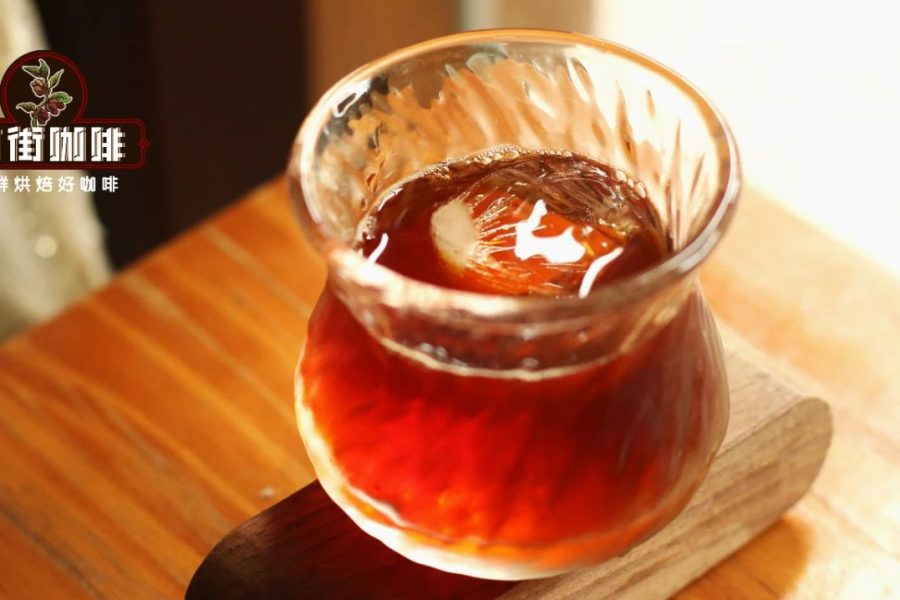
Visually, cold drip coffee, due to the natural filtration of impurities during the drip process, usually presents a clearer and more transparent liquid, closer in appearance to sake or cold brew tea. Cold brew coffee, due to the immersion method, may sometimes appear slightly cloudy, but this does not affect its smooth taste.
In terms of flavor performance, the differences between the two are obvious. Taking the same light-roasted coffee beans as an example, cold drip coffee usually has a rich fermented aroma, fresh and refreshing, accompanied by subtle wine notes and berry acidity, giving an overall more "lively" feeling, suitable for people who like refreshing acidity and unique fermentation layers.
Cold brew coffee highlights the authentic flavor of the coffee beans, especially beans with obvious fruit tones, which can show richer sweetness and fruit flavors, while the mouthfeel is more mellow and the aftertaste is long, suitable for drinkers who prefer a round and mild taste.

For example, when using a light-roasted washed Yirgacheffe coffee bean to make these two cold coffees, the cold drip version is often described as "clean, refreshing, with obvious fermented aroma and slight wine feel, accompanied by gentle berry flavors"; while the cold brew version is expressed as "full-bodied, balanced fruit flavors, prominent sweetness, weaker fermentation feel", overall more mild and inclusive.



4. How to Choose? Decide Based on Flavor Preference and Production Conditions
If you pursue the uniqueness of the craft and like to explore fermentation layers and the balance of acidity, cold drip coffee is a choice worth trying. It not only requires more precise parameter control but also can show the special flavor dimensions of coffee under low-temperature slow extraction.
If you prefer ease and convenience and hope to retain the rich fruit aromas and sweetness of the coffee beans themselves, then cold brew coffee is undoubtedly a more suitable entry choice. The production process is relatively simple, and the equipment requirements are lower, suitable for daily home operation.

Whether it is cold drip or cold brew, both can open up the diverse world of cold brew coffee for you. Only by understanding the craft and flavor logic behind them can you better choose the cup that suits you best according to your taste preferences.