How to Choose Beans for Ice Drip Coffee: A Guide to Ratios and Flavor
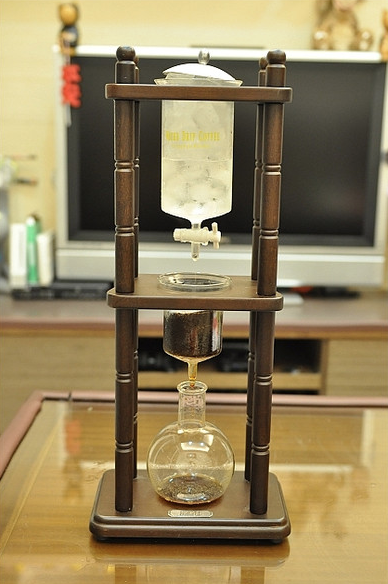
Introduction: With its clean, sweet flavor, ice drip coffee has become a popular choice for summer refreshment. Starting from the logic of coffee bean pairing, this article explains in detail the four core elements of ice drip production—bean selection, coffee-to-water ratio, drip speed control, and aging techniques—and includes a practical parameter table to help you recreate a layered, specialty ice drip coffee at home.
When the summer heatwave arrives, a glass of ice-cold ice drip coffee is an excellent companion for beating the heat. Recently, the author dug out an ice drip pot that had been idle for half a year. After thoroughly cleaning it, however, the refrigerator turned out to be empty—no ice cubes—so this ice drip experiment had to be postponed for two days.
The blend chosen this time is quite clever: Kenya AA coffee beans at 10 days of freshness (40 grams) paired with Golden Mandheling (10 grams). The former brings bright berry acidity and wine-like aroma, while the latter balances the overall flavor with mellow nutty notes and low acidity. This combination of high- and low-altitude bean varieties highlights the clean extraction character of ice drip while enriching the layers of mouthfeel.
The ice drip process looks simple but hides subtleties. First, spread the mixed coffee grounds evenly on the filter cloth and cover with a round filter paper to prevent fine particles from leaking through. For the top ice pot, first pour in a small amount of ice water to moisten the filter material, then fill with ice cubes. The key step is the initial blooming stage: after the coffee grounds have fully absorbed water and expanded, adjust the valve to control the flow rate at a steady 1 drop per second (about 860 milliliters per hour). If the equipment is not precise enough, maintain an even rhythm by observing the interval between drops.
Regarding the choice of coffee-to-water ratio, beginners are advised to start with the 1:12 to 1:15 range (i.e., 1 gram of coffee grounds to 12–15 milliliters of water). This ratio balances extraction efficiency and clarity of taste; advanced brewers can fine-tune to 1:10 according to bean characteristics to increase intensity. It is worth noting that the original 50-gram coffee configuration corresponds to about 600–750 milliliters of total water; in practice, ensure a continuous supply of ice to maintain a low-temperature environment.
After dripping is complete, the crucial aging period follows. Letting the finished coffee rest for 36–72 hours allows flavor compounds to fully integrate; during this time, gently swirl the container every 12 hours to promote molecular movement. Measured data show that ice drip coffee aged for 48 hours has about 30% higher sweetness and 20% lower astringency. Storing for more than 7 days may cause the aroma to fade; it is recommended to keep it sealed and refrigerated and drink it as soon as possible.
Compared with conventional brewing methods, the ice drip process uses low-temperature slow extraction (usually 8–24 hours) to effectively reduce the release of tannic acid, creating its distinctive soft mouthfeel. The typical flavor spectrum includes: bright citrus acidity, a caramel sweetness base, a faint smoky finish, and layered extension brought by the persistent chill. Beans from different regions show significant differences; for example, Ethiopian natural beans tend to highlight blueberry fruit notes, while Colombian washed beans strengthen black chocolate notes.
Once these core parameters are mastered, enthusiasts can adjust flexibly according to personal preference. Remember the golden rules: freshly roasted beans (recommended for use 7–14 days after roasting), strict temperature control (maintain 4–8°C throughout), and patience while waiting for flavor transformation—and you too can create your own summer ice drip experience.


