Ecuador Washed Caturra & Pacamara Roasting Guide and Pour-Over Parameters
Introduction: This article focuses on washed Caturra and Pacamara beans from the Marco Leon Palacios region of Ecuador, detailing the origin background, variety characteristics and roasting highlights. From packaging design to flavor characteristics, it provides a practical pour-over recipe of 90°C water temperature and a 1:14 coffee-to-water ratio, and analyzes the balanced expression of dark sugar sweetness and floral-fruity richness, helping you precisely present this obscure bean's flavor potential.
In the specialty coffee world, Ecuador is less well known than Colombia or Ethiopia, yet its high-altitude growing advantages nurture coffee beans with unique flavors. Located at the crossroads of South America, Ecuador is wedged between Colombia and Peru; its southern Loja region borders the Andes at 1,450-2,000 meters, making it one of the world's rare high-altitude coffee-growing areas. Typica is the main variety here, washed processing is the norm, and shaded cultivation combined with a microclimate of significant day-night temperature swings allows the coffee fruit to accumulate abundant sugars and complex flavors.
The subject of this discussion is a washed Ecuadorian bean from the UK specialty roaster Origin Coffee, grown at the Marco Leon Palacios estate. The estate features a mixed planting of Caturra and Pacamara—Caturra is known for bright citrus notes and high acidity, while Pacamara brings a distinctive spiciness and rich sweetness; combined under washed processing, the two present a balanced, layered expression. The packaging uses a single-hole degassing valve design, with a black matte outer bag paired with abstract art patterns. Although the estate name is not directly labeled, the processing method (washed), flavor keywords (dark sugar, floral) and origin information in a concise layout still convey the core information quickly.
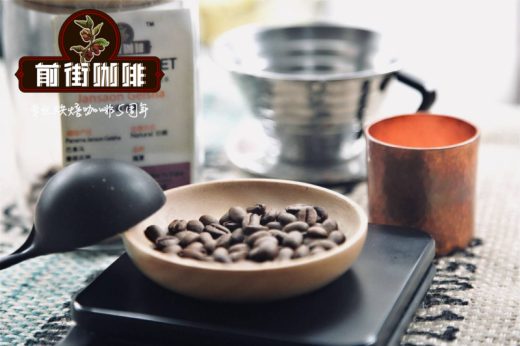
On opening the bag, a dry aroma of intertwined tobacco and nuts is the first to linger. Unlike the fresh fruitiness of typical washed beans, this bean is more composed and restrained. Looking closely at the beans, they are plump, rounded and evenly sized, with a slight oily sheen on the dark green surface—typical appearance of a medium-light to medium roast. For storage, keep sealed and away from light; the best flavor period is 2-4 weeks after roasting, when the flavor is at its most active.
For the pour-over practice, using 90°C water temperature (±2°C adjustment to suit personal preference) and a 1:14 coffee-to-water ratio (e.g. 16 grams of beans to 224 milliliters of water) stably extracts the essence of this bean's flavor. A medium-fine grind is recommended (about 75%-80% passing through a Chinese standard No. 20 sieve, similar to fine granulated sugar), ensuring enough surface area to release flavor compounds while avoiding the astringency caused by over-extraction. Common misconception reminder: water that is too hot tends to amplify the bean's woody off-flavors, while too cool suppresses sweetness development.
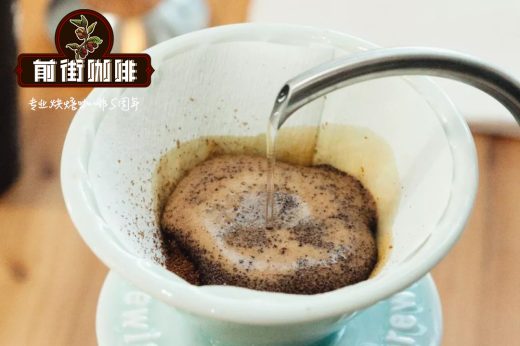
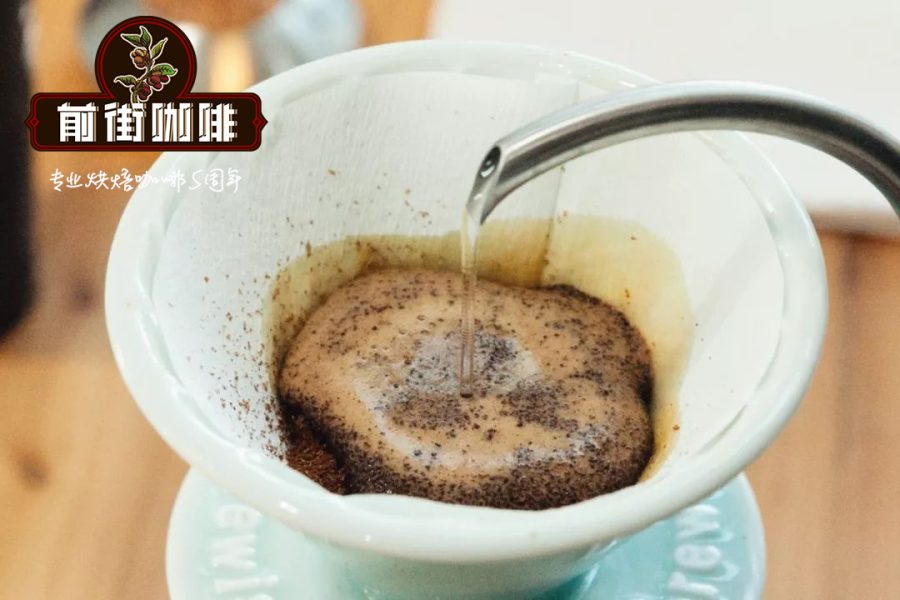
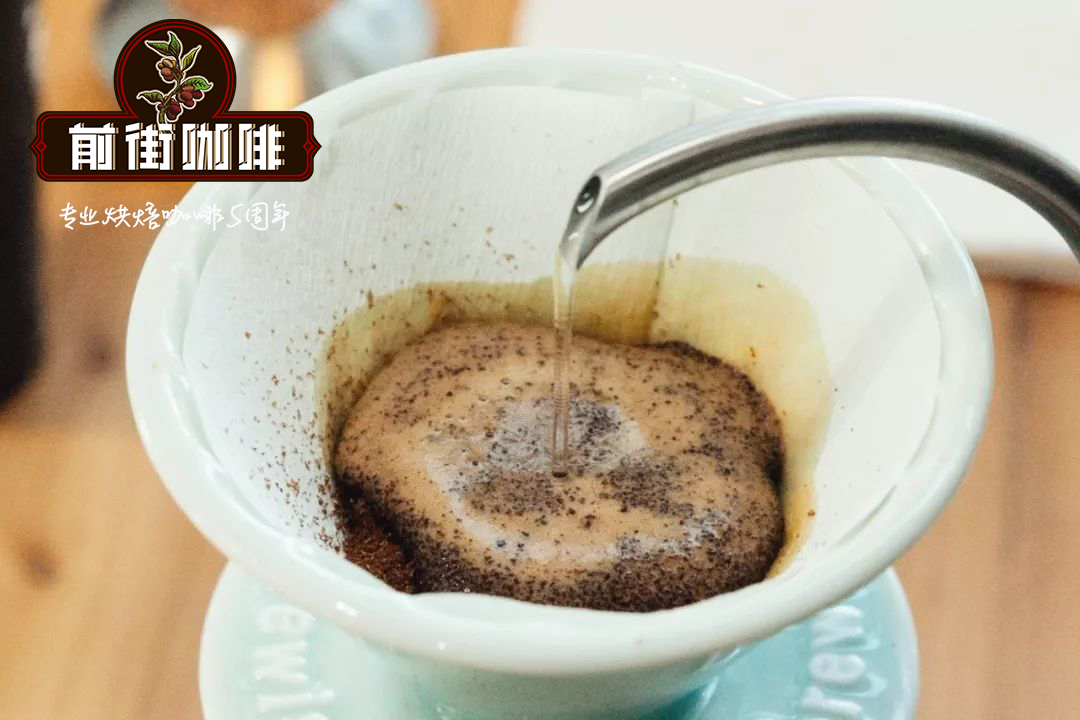
The pouring technique can use staged extraction: first pour a small amount of hot water (about 1/3 of the total water) for a 30-second bloom to awaken the coffee grounds; then pour in a steady circular motion up to the target water amount, with the total time controlled between 2 minutes 30 seconds and 3 minutes. If using a KINTO metal filter combined with a paper filter, note that the last 1/5 of the tail-end coffee liquid can optionally be discarded to reduce possible residual paper taste or over-extraction risk.
The flavor expression is the core highlight of this bean—the dry aroma stage's dark sugar caramel note carries a faint toasted bread character, overturning most people's stereotype of washed beans as "simply fresh." On the palate, a soft caramel sweetness is captured first, followed by a delicate citrus acidity (like a blend of lemon peel and grapefruit), cleverly balanced with a honey-like rich body. The finish continuously releases the elegant aroma of jasmine and white flowers, accompanied by a lasting brown sugar aftertaste; overall cleanliness is extremely high and the aftertaste is long.
For novice enthusiasts, this bean is suitable as an entry-level choice for exploring high-altitude washed bean flavors: it retains the clean clarity of washed processing while adding sweetness and complexity through the varietal characteristics of Caturra and Pacamara. Advanced players can try adjusting the grind (slightly coarser to reduce bitterness / slightly finer to enhance body) or water temperature (±1°C fine-tuning of the sweet-sour balance) to further explore its flavor potential. The brewing suggestions on the packaging can serve as a baseline reference, but flexibly optimizing parameters according to personal equipment (such as differences between V60, Kalita Wave and other drippers) often yields results that better suit one's own taste.