Ecuador Honey-Process Coffee: Flavor Profile and Growing Regions

Introduction: This article provides an in-depth analysis of the distinctive flavor characteristics of Ecuadorian honey-process coffee beans, covering the geographical and terroir differences from the Galápagos Islands to the Andean growing regions, and offers professional-grade pour-over parameter recommendations. Drawing on field cultivation data and cupping reports, it guides you in understanding why Arabica beans grown on highlands at 1,300–2,000 meters can achieve a perfect balance of floral and fruity aromas with caramel sweetness.
The story of crew member Thomas discovering a precious water source in the rock crevices of San Cristóbal Island when Darwin's survey ship anchored in the Galápagos Islands in 1835 is much like a microcosm of today's coffee farmers cultivating specialty beans in the crevices of volcanic rock. On this archipelago, listed by UNESCO as a World Natural Heritage site, organic coffee cultivation strictly follows zero-chemical standards; volcanic ash soil and the microclimate brought by the Peru Current together create the soft acidity and lingering sweet aftertaste characteristic of honey-process coffee.
The flavor profile of Ecuadorian honey-process coffee is highly recognizable: in the dry aroma stage it gives off citrus-like freshness and honey sweetness; on the palate it shows pronounced red apple acidity and a caramel finish; and its body ranges from medium to medium-full (SCAA standard 14–16). Compared with the clean, crisp character of traditional washed processing, honey processing ferments while retaining 20%–50% of the mucilage layer, and in growing regions above 1,500 meters it can develop greater complexity and layering.
The choice of growing region directly influences the final flavor expression: coffee from the Galápagos Islands region, where the day-night temperature difference exceeds 10°C, has higher bean density (average density 0.72 g/cm³), and a brewing water temperature of 92–94°C is recommended; while the ES series coffee grown on Andean slopes, benefiting from a high-altitude slow-ripening process (a growth cycle of 8–9 months), has a best grind size of fine granulated sugar particles (70%–75% passing through a No. 20 sieve), and a 1:15 coffee-to-water ratio highlights its jasmine-like floral notes.
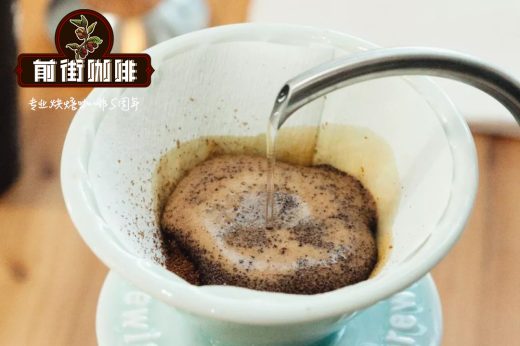
Professional baristas should note three key steps when working with honey-process beans: first, the resting period is best extended to 14–21 days to stabilize flavor release; second, a centered spiral pouring technique should be used to avoid disturbing the fragile residual mucilage layer; and finally, this category is highly sensitive to water quality (ideal TDS 120–150 ppm), so in hard-water areas activated carbon filtration is recommended beforehand. For home brewers, a Hario V60 #18 dripper with a three-pour method is recommended to effectively bring out its signature sweet finish.