Latin American Coffee Regions: Flavors and Representative Varieties
Introduction: Want to understand the unique flavors and representative varieties of Latin American coffee regions? This article examines the geography, processing methods, and flavor characteristics of major regions such as Brazil, Colombia, and Panama, helping coffee enthusiasts build a systematic understanding of Latin American coffee through flavor descriptions, regional background, and practical brewing suggestions.
 Coffee beginners often wonder: why can professional tasters identify complex flavors while they themselves taste only a single bitter note? In fact, the coffee flavor system includes sweetness, acidity, body, and aromatic layers, which can be gradually perceived through systematic learning. This article focuses on the core Latin American regions and analyzes how their geographical conditions shape classic flavor profiles.
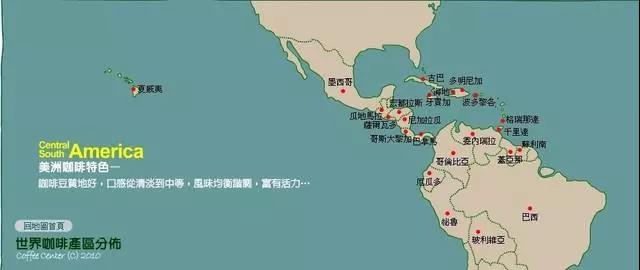 Latin American coffee regions stretch from Brazil to Colombia and are known for a balanced, harmonious flavor base. The region generally uses the washed process, with full bean shape and low defect rates, making it an important pillar of the global specialty coffee supply chain. The main flavor dimensions are: a medium-low acidity base with nutty/chocolate finish, while some high-altitude regions develop bright citrus notes.
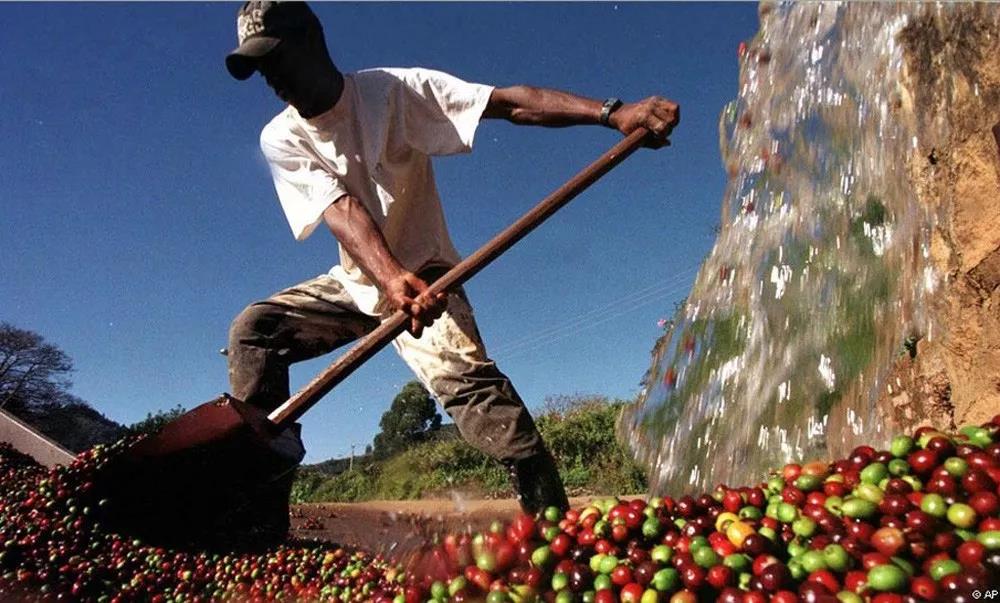 Brazil, as the world's largest coffee producer, has the Santos region, whose hilly terrain at 700-1200 meters produces neutral, full-bodied beans often with a dark chocolate finish.
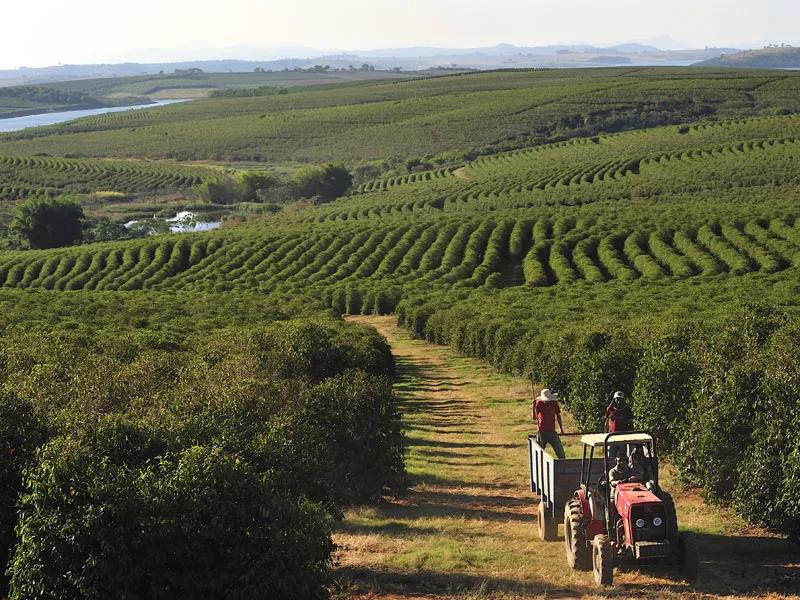 Mechanically harvested coffee from the South Minas region offers outstanding value; although the mouthfeel is rougher, it is suitable for daily drinking.
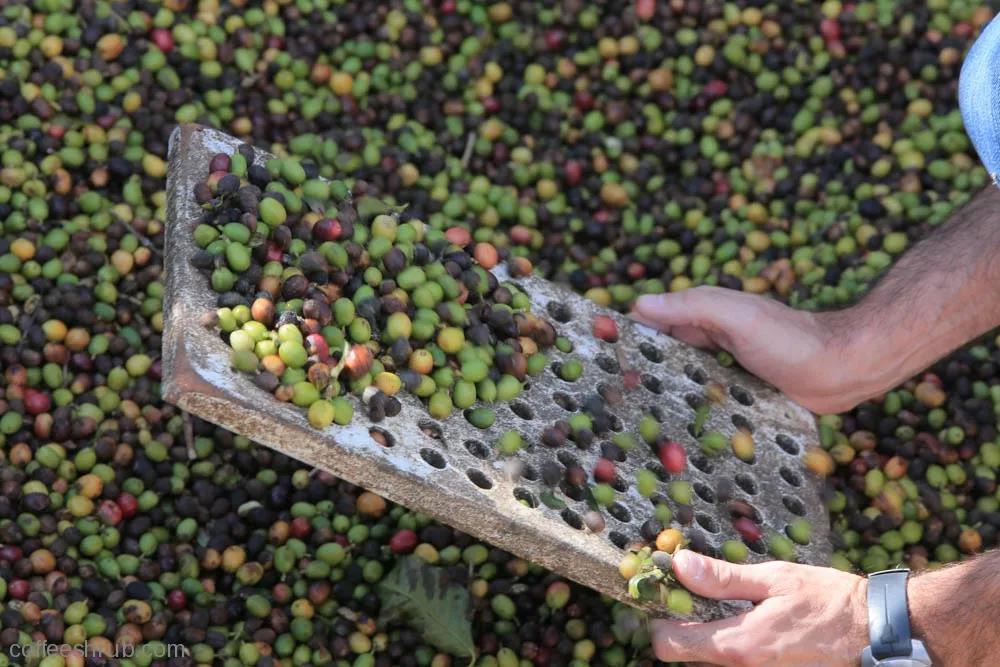 The local grading system strictly distinguishes bean screen size (NO.13-19), defect rate (NO.2-NO.8), and flavor grade; Santos coffee, with its stable performance, has become the benchmark choice for blend bases.
 Colombia's Huila Department (1,500+ meters) is known for refined berry acidity, while the washed MAM alliance regions (Medellin/Armenia/Manizales) produce balanced, smooth classic beans.
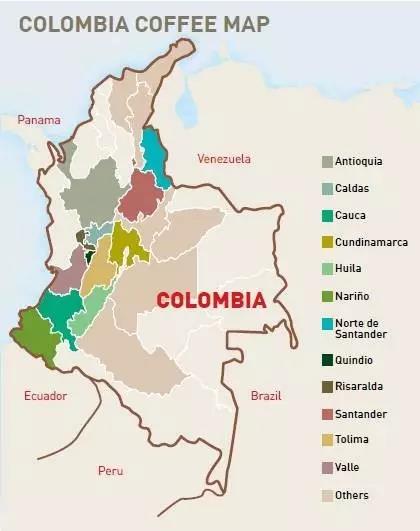 Hand picking combined with steep-slope cultivation creates its silky mouthfeel and caramel sweetness; a medium-light roast can highlight the complex aroma of lemon and black tea.
 Honduras's High Grown coffee (1,000-1,500 meters) and Strictly High Grown beans (1,500-2,000 meters) form a sharp contrast:
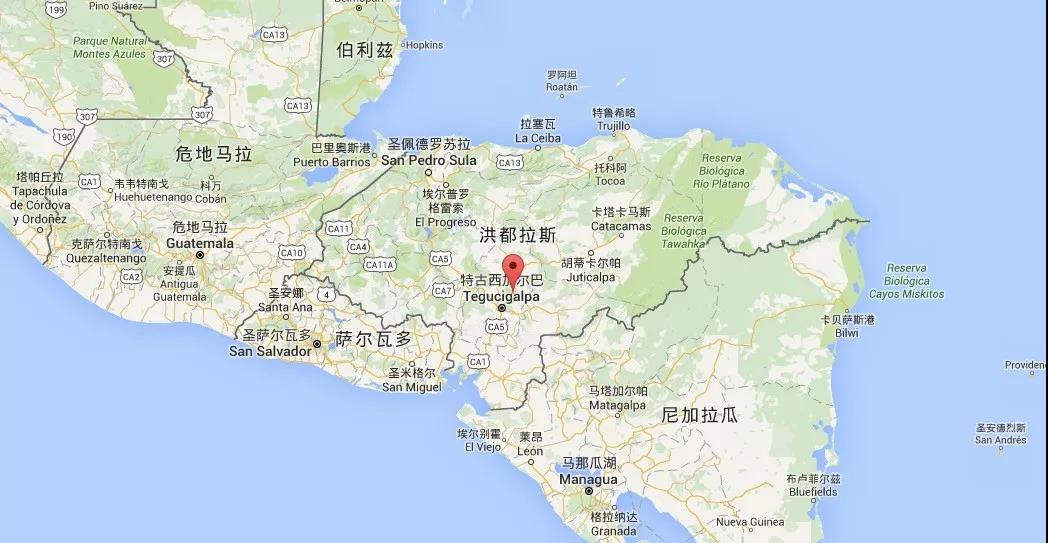 the former shows gentle nutty notes, while the latter presents honey sweetness after improved processing techniques.
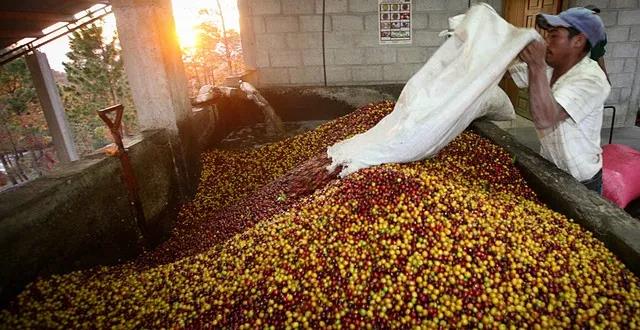 The country's regions improve quality through the IHCAFE certification system; a medium roast balances sweetness and bitterness and is suitable for milk-based coffee.
 Panama's Geisha variety overturns traditional perceptions—
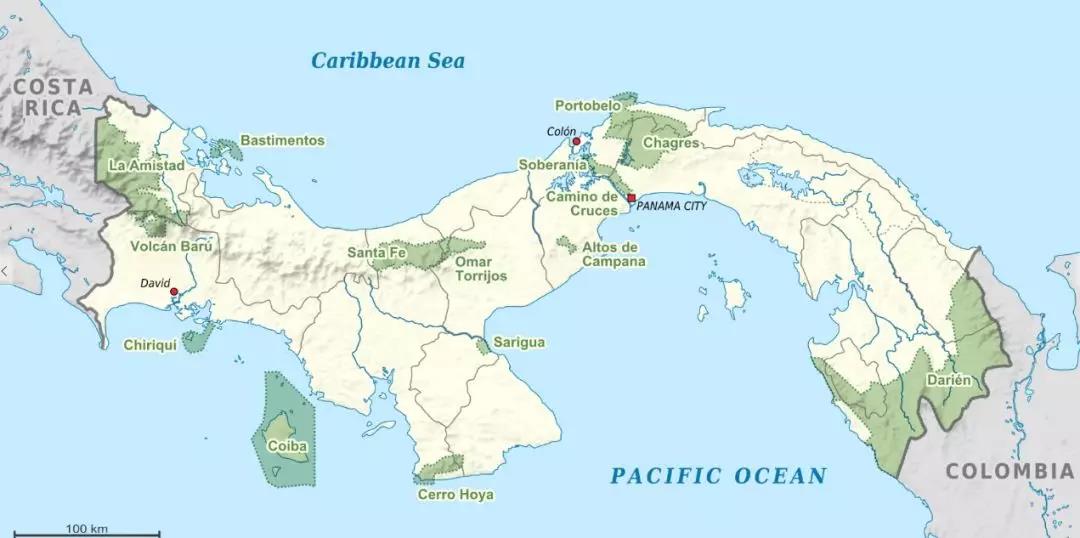 the green-label beans of Hacienda La Esmeralda in the Boquete region (1,450 meters) are known for jasmine florals and peach-apricot acidity.
 Its microclimate creates variable flavors, and the mild, balanced character of the Volcán region (2,000-3,000 meters) has attracted attention in recent years.
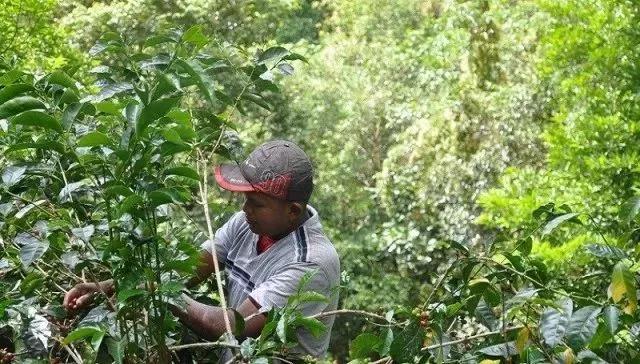 Note that Geisha requires meticulous washed processing, and the roast level should not exceed medium.
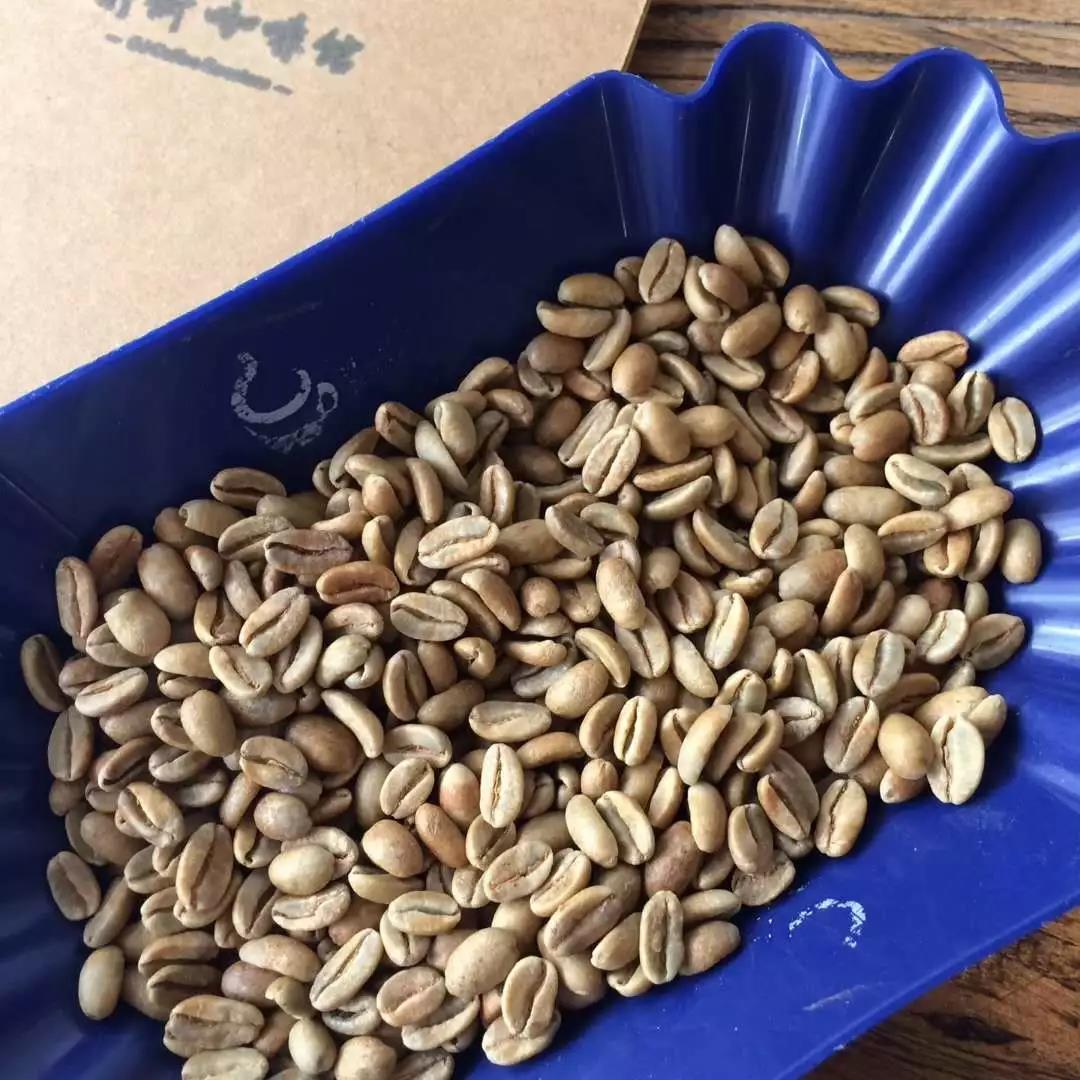 Costa Rica's volcanic soil produces Strictly Hard Bean (SHB ≥1,200 meters),
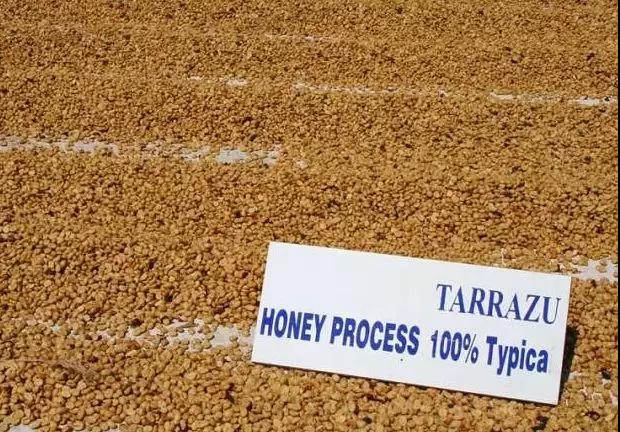
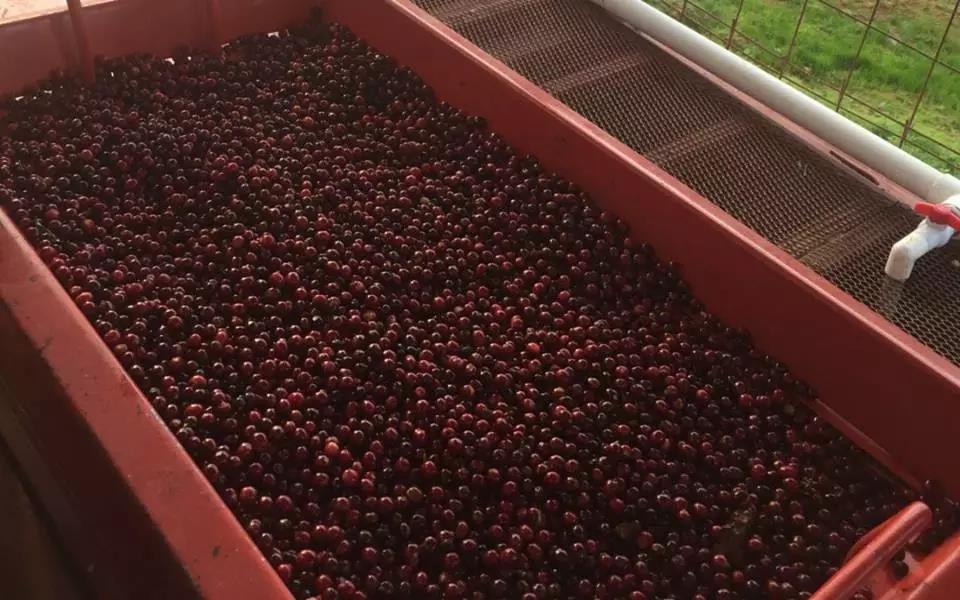 and the honey process in the Tarrazú region gives honey sweetness and bright acidity.
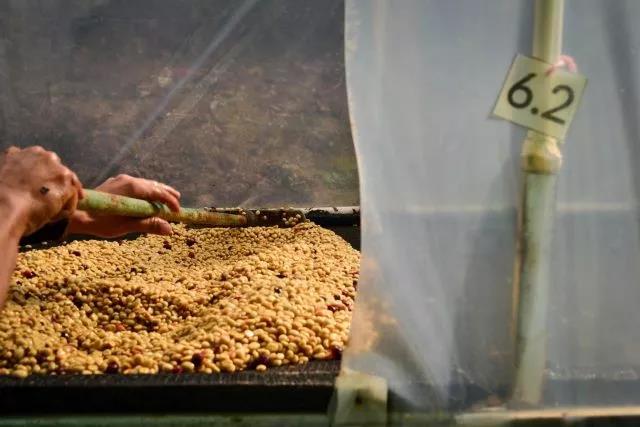 Its three core regions use shade growing; natural-process lots require strict temperature control to prevent over-fermentation, and a light roast is recommended to highlight citrus notes.
 Guatemala's Huehuetenango highlands (1,500+ meters) produce beans with a charred-roast flavor,
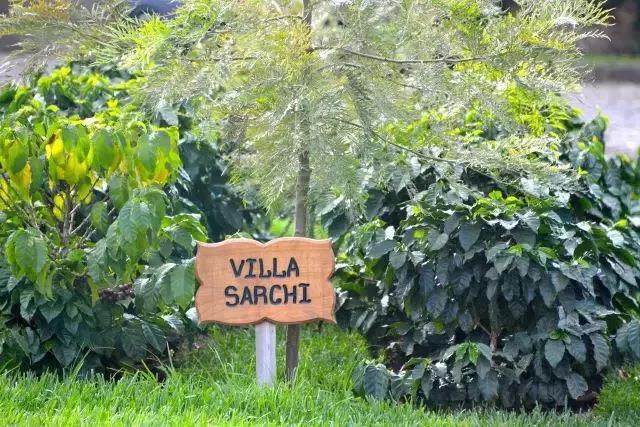 and the grading system is subdivided by altitude into seven levels including SHB/SHG.
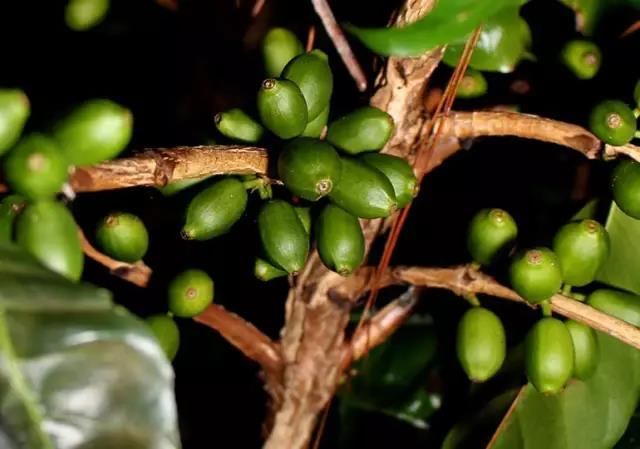 The Pacamara hybrid combines the fullness of giant beans with Bourbon aroma and is suitable for dark roasting to release chocolate texture.
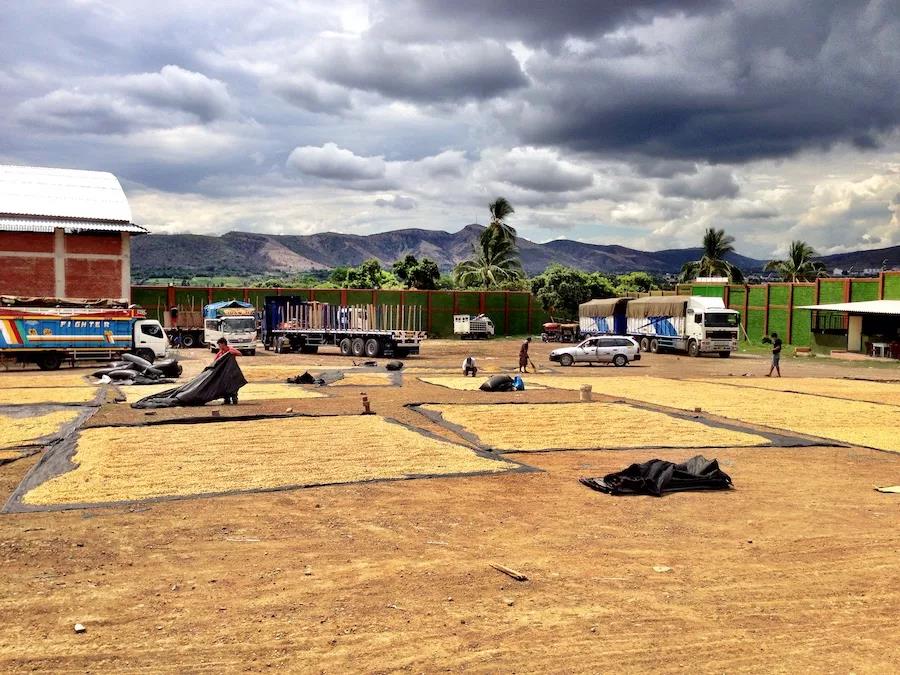 Peru's northern organic growing areas account for over 70%,
 while the central high-altitude regions (1,200-2,000 meters) are known for creamy notes and layers.
 The Geisha variety here shows citrus sweetness and black berry aroma; a V60 dripper is recommended to highlight the clear mouthfeel.
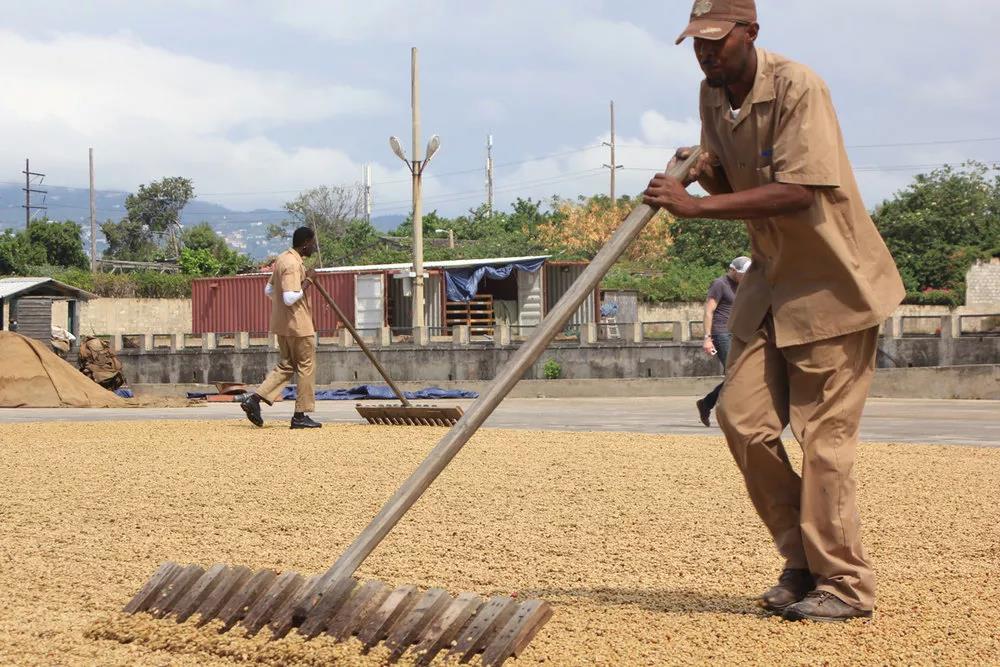 Ecuador's diverse ecology nurtures classic South American flavors:
 the low-altitude coastal region of Manabí produces mild, full-bodied beans, while the berry-toned washed beans of Zamora Chinchipe Province (1,000-1,800 meters) suit cold brew.
 Natural processing in Loja Province retains more sugars, bringing a caramelized finish.
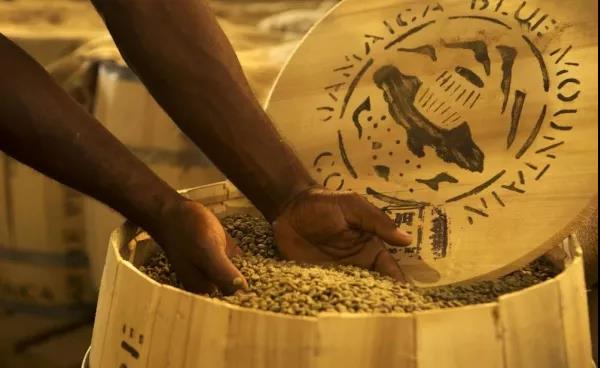
 Jamaica Blue Mountain is strictly limited to a 6,000-hectare growing area,
 and the NO.1 grade requires bean screen size ≥17 and defect rate <3%.
 Its washed processing creates a classic flavor with three-way balance; a light-to-medium roast presents a harmonious transition between black tea and nuts.
Advanced suggestion: when tasting, note the differences in body—Brazilian beans often feel syrupy, while Colombian beans are closer to the fluidity of tea. By recording specific descriptions from the flavor wheel (such as citrus/caramel/spice), you can build a personal flavor database. It is recommended to start with basic Brazil/Colombia lots and gradually try highly complex beans such as Panama Geisha.


