Inside Sumatra's Lake Toba Coffee Region and a Pour-Over Flavor Guide
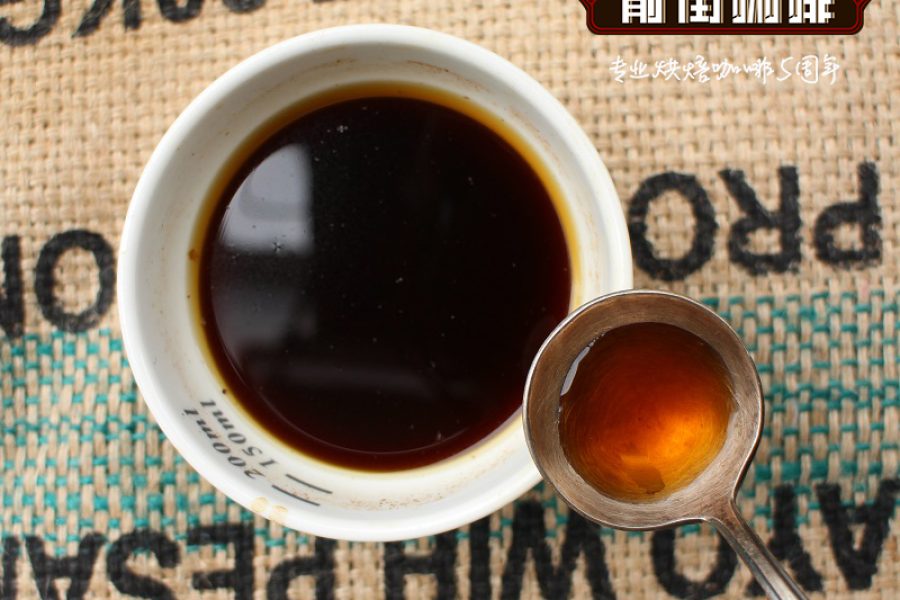
Introduction: Take a closer look at the source of Sumatra coffee beans—the Lake Toba Lintong region—and explore how its unique geography and wet-hulling process shape coffee flavor. This article details the variety characteristics, elevation and processing method of these beans, and provides precise pour-over parameters and flavor descriptions to help you fully experience the balanced beauty of its full-bodied herbal and earthy notes.
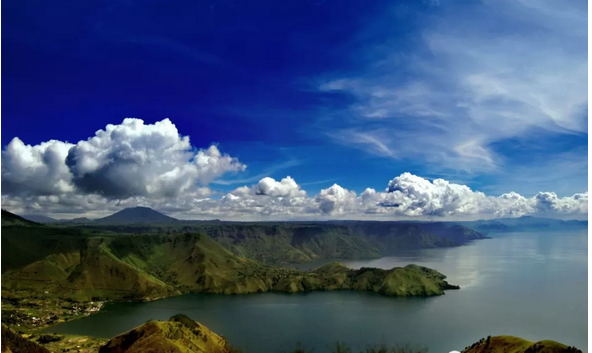
Lake Toba, located in the Barisan Mountains of north-central Sumatra, is the largest volcanic lake in the world today. This long, narrow lake stretches about 100 kilometers in length, reaches 30 kilometers in width and is more than 505 meters at its deepest point; excluding Samosir Island at its center, which measures roughly 50×15 kilometers, the entire lake area is about 1,140 square kilometers. Around 70,000 to 75,000 years ago, a super-eruption of the Toba volcano created this unique geographical wonder and also laid the foundation for the formation of the region's distinctive microclimate.
The high-altitude, humid environment around Lake Toba with a pronounced day-night temperature difference is very suitable for growing high-quality coffee trees. Especially for Arabica, which requires a stable climate and specific soil conditions, this area offers exceptional growing conditions.
The history of coffee cultivation in Indonesia dates back to the 17th century, when Dutch colonists first introduced the Typica variety. But in the 1880s, a severe outbreak of leaf rust nearly destroyed local Arabica plantations, and most farms subsequently switched to the more disease-resistant Robusta variety from Africa. To this day, Robusta still accounts for more than 90 percent of Indonesia's total coffee production, while high-quality Arabica is mainly concentrated in a few high-altitude areas, such as northern Sumatra, Sulawesi and parts of the mountains of Java.
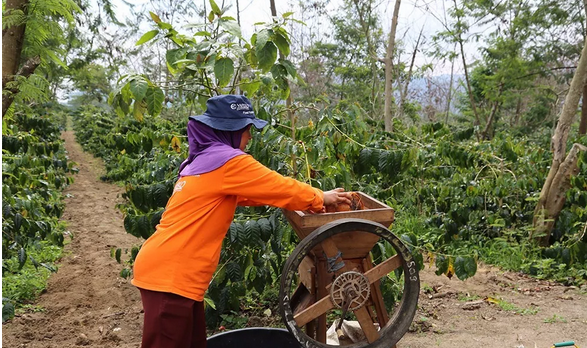
The Lintong region lies on the southwestern shore of Lake Toba, at elevations between 1,200 and 1,800 meters, and is one of Sumatra's important high-quality Arabica growing areas. Driven by surging market demand, some coffee farmers here once switched to the higher-yielding but relatively mediocre-flavored Catimor and Linie varieties, causing an overall decline in coffee quality. Later, in order to restore flavor standards, many farmers refocused on the traditional and better-flavored Typica and Bourbon varieties.
The "Sumatra·Lake Toba Mandheling" coffee beans in the Starbucks Reserve series represent the careful cultivation and meticulous processing of about 200 local coffee farmers. The wet-hulling method (also known as the semi-washed method) developed locally became the key process shaping the unique flavor of this coffee.
In the wet-hulling process, farmers first pick fully ripe red coffee cherries in the afternoon and quickly send them to the processing station for pulping. The parchment coffee then undergoes a 12- to 36-hour fermentation to remove the mucilage layer. After fermentation, the beans are spread out to dry to the target moisture content, then transported to the processing plant to remove the parchment. After hulling, the beans continue to dry and go through mechanical screening and manual sorting to ensure every bean meets high standards before final packaging.
A Starbucks agronomy expert once commented: "This processing method perfectly reveals the potential of this coffee." Wet hulling not only speeds up the drying process but also gives Sumatra coffee its signature heavy body and distinctive herbal and earthy tones.
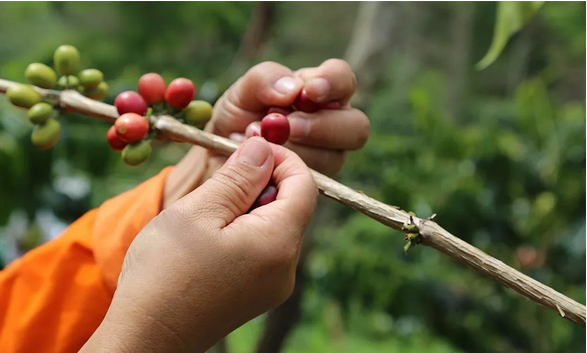
Specific information about these coffee beans is as follows:
Origin: Asia-Pacific · Sumatra · Lintong
Variety: Bourbon
Elevation: 1,200–1,400 meters
Processing method: Semi-washed (wet-hulled)
Flavor profile: Prominent herbal aroma, accompanied by fresh earthy notes and syrupy sweetness, with an overall full and rich body.
It is worth mentioning that in March 2017, the Starbucks Roastery in Seattle launched a blend called "Gravitas Blend No. 3," which included Lake Toba Sumatra coffee beans along with Nicaragua Maracaturra and natural Brazil Barinas beans. The name "Gravitas" means "solemnity" or "steadiness," and the rustic herbal and earthy flavors of Lake Toba coffee added exactly the layers and depth to the overall blend.
For this dark-roast-style Sumatra coffee, the following pour-over parameters are recommended to fully bring out its flavor characteristics:
Dripper choice: KONO dripper or Kalita three-hole trapezoid dripper (semi-immersion design helps achieve even extraction and reduces the risk of over-extraction)
Water temperature: 84–86°C (medium-low water temperature avoids excessive extraction of bitter compounds at high heat)
Grind size: Medium-coarse (similar to granulated sugar, to match the dark roast characteristics)
Coffee-to-water ratio: 1:13 to 1:14 (15 grams of coffee to about 200 ml of water is recommended)
Extraction time: About 1 minute 50 seconds (control the pouring rhythm; two to three pours are recommended)
Because this coffee itself leans toward chocolate, nut and caramel flavors and is on the darker side of roasting, using the above parameters can effectively balance body and clarity and reduce the likelihood of off-flavors and over-extraction. It is suitable for coffee lovers who enjoy a rich mouthfeel while pursuing flavor complexity.