Starbucks Sumatra Coffee Bean Review: 5 Mandheling Flavor Profiles and Pour-Over Guide
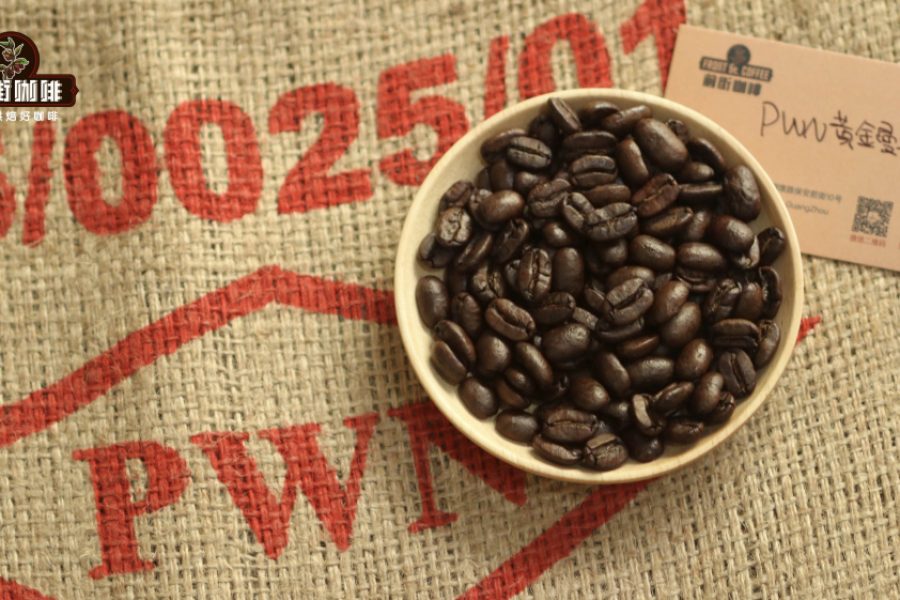
Introduction: Sumatra Mandheling is renowned for its full-bodied mouthfeel and distinctive herbal character, yet different processing methods within the same region can deliver radically different flavor experiences. This article provides an in-depth analysis of the flavor characteristics, acidity, and optimal brewing methods of 5 classic Sumatra coffee beans—from the nutty-chocolate notes of Golden Mandheling to the fruity acidity of the natural-process version—to help you find the coffee you love, along with professional-grade pour-over parameters for reference.
 When it comes to Sumatra coffee, most people first think of its signature full body and low acidity. Grown in Indonesia's volcanic soil, these beans have become the go-to entry point for coffee lovers exploring dark-roast flavors, thanks to their rich layers of mouthfeel and distinctive herbal, medicinal aroma. Which Sumatra coffee bean has the most recognizable aroma? How do the growing environment and processing methods behind it influence the final flavor? Let's start with the classic Mandheling series.
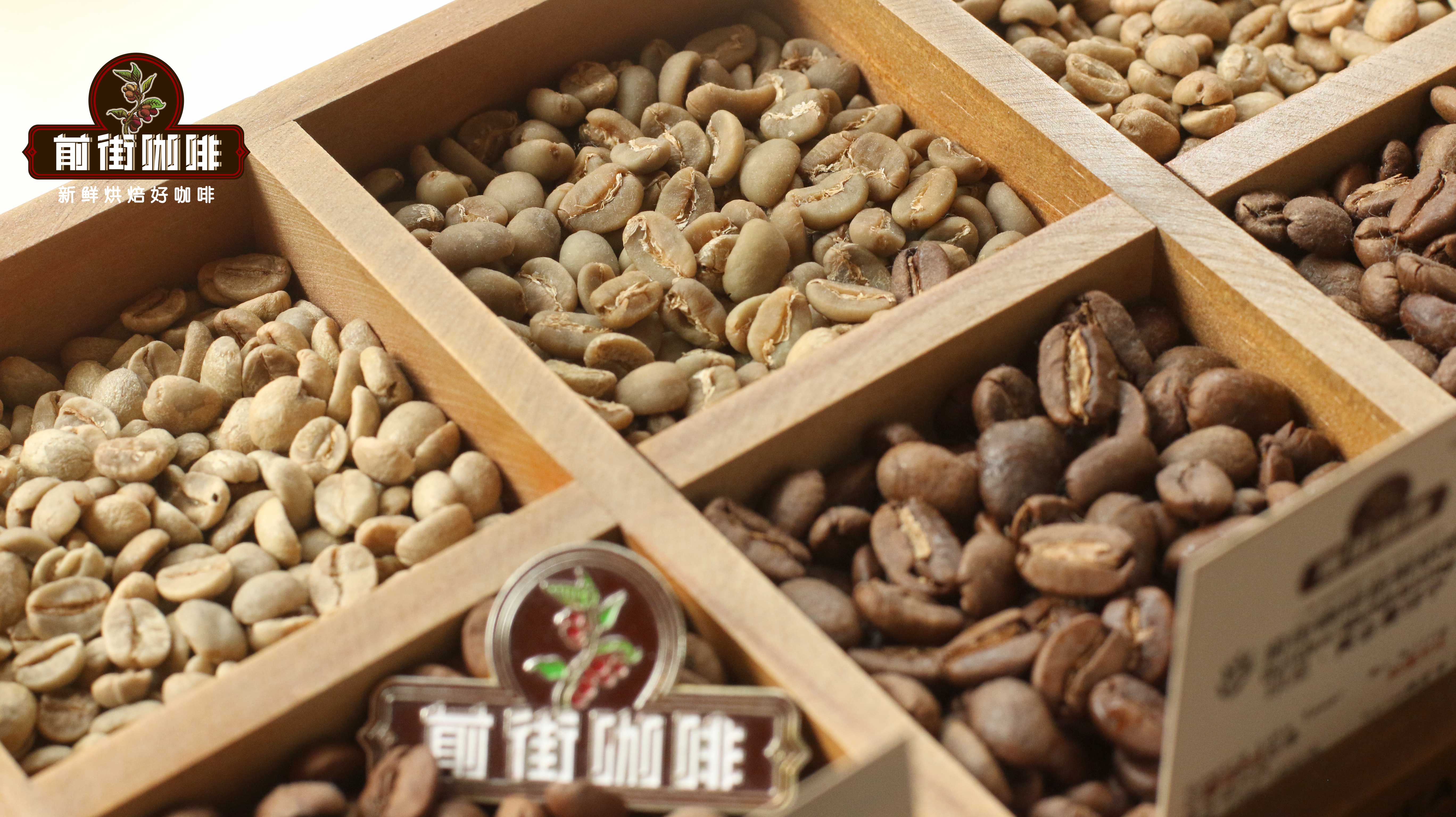 Sumatra's unique highland climate and volcanic rock soil give rise to arabica coffee with a distinctive regional character. The island's growing belt at 1,100–1,600 meters, combined with 2,000–3,000 mm of abundant annual rainfall, imbues the beans with intense woody notes and complex flavor layers. Mandheling, Indonesia's most famous arabica variety, accounts for 25% of the country's specialty coffee production. Its classic characteristics include:
- Full body and silky-smooth mouthfeel
- Pronounced herbal and spice notes
- Low acidity with a dark chocolate finish
- Distinctive nutty notes from the wet-hulled process
 The name Mandheling derives from a historical trade term. Despite its romantic ring, its actual flavor is known for intense body. Typical characteristics include: a heavy texture felt on first sip, accompanied by a moderate, lively touch of acidity, and a lingering cocoa and spice finish. Professional tasters often describe its mouthfeel as "a Sumatran tiger padding through the jungle"—understated power with clearly defined layers. These traits make it suitable both as a single-origin brew and as an important base for espresso blends.
 The local wet-hulled process (removing the parchment at 20–24% moisture content before drying) is key to flavor formation. By accelerating the dehydration process, this method concentrates the compounds inside the bean, ultimately producing three signature traits: higher body, lower acidity, and pronounced nutty/woody aromas. Note that this method can cause "goat's foot" cracks in the bean, which is a normal result of the process rather than a defect.
 Among the many Mandheling variants, G1-grade Golden Mandheling (grown at 1,100–1,600 meters) represents the highest quality standard. Three rounds of hand sorting ensure every bean meets a screen size of 19 or above, with the defect rate strictly controlled within 3/300 g. Its flavor profile: pronounced caramel sweetness with a dark chocolate base, nutty aromas emerging mid-palate, and a warm spice finish. A medium-dark roast (80% passing a No. 20 sieve) is recommended to highlight its full-bodied character.
 For everyday drinking, Lintong Mandheling (grown at 1,100–1,600 meters) offers a more cost-effective choice. A Typica and Caturra blend processed with the standard wet-hulled method, it presents the classic low-acid formula: herbal and dark chocolate notes on entry, developing caramel sweetness and mild woody notes in the mid-to-late palate. Its goat's foot bean feature (natural cracks along the bean's edge) is a typical mark of the wet-hulled process and does not affect overall quality.
 Coffee lovers seeking distinctive flavors can try Tiger Mandheling (grown at 1,500 meters). AA-grade beans triple-screened at 19 have more uniform particle density and higher density values. In cupping, they show outstanding viscosity and fruity dimensions, with notable sweetness on entry and a lingering creamy, nutty aftertaste. The name comes from its strict screening standards—pursuing rare quality much like screening for the "Sumatran tiger."
 For consumers who prefer aged flavors, aged Mandheling (grown at 1,500 meters) undergoes 2–3 years of professional storage, during which its acidity transforms into distinctive maltose and caramel layers. The process includes: initial standard wet-hulled processing → constant-temperature, constant-humidity storage (turned regularly to prevent mold) → natural aging. The final flavor profile: dried dark-berry notes, a full dark chocolate base, and a mellow finish reminiscent of pu-erh tea, well suited to pairing with strongly flavored desserts.
 For those who want to experience the fruity acidity Sumatra coffee can offer, natural-process Mandheling (grown at 1,000–1,700 meters) provides a groundbreaking option. Wahana Estate's high-sugar Bourbon variety, cultivated with 2,000–3,000 mm of annual rainfall and a 12°C day-night temperature difference, develops tropical fruit notes under natural processing. Flavor highlights include: bright citrus acidity, fermented fruit aromas, and balanced brown sugar sweetness—more layered than traditional Mandheling.
 Brewing recommendations for different roast levels:
Medium-light roast (natural-process Mandheling): V60 dripper / 1:15 coffee-to-water ratio / 90°C water / grind at 80% passing a No. 20 sieve; bloom with 30 g of water for 30 seconds + pour in stages to 225 g to highlight the fresh fruity acidity.
Medium-dark roast (other Mandheling): Kono dripper / 1:15 coffee-to-water ratio / 88°C water / grind at 70–75% passing a No. 20 sieve; extend extraction to 2'10" to reinforce the full-bodied character.
Note: all parameters should be fine-tuned to actual flow rate; freshly roasted beans (7–21 days after roasting) are recommended for the best flavor.
 To summarize the core differences among the five Mandheling coffees: Golden Mandheling stands out for its clean, balanced nutty-chocolate notes; the Lintong version offers a classic low-acid, full-bodied formula; Tiger Mandheling highlights high sweetness and creamy texture; the aged version reveals malt notes mellowed by time; and the natural-process version brings rare fruity vibrancy. Choose the processing method that suits your taste preferences and pair it with precise brewing control to fully uncover the multi-dimensional appeal of Sumatra coffee.