Ethiopian Yirgacheffe Washed vs Natural Beans: Flavor Analysis and Pour-Over Guide
Introduction: Ethiopia is an important birthplace of specialty coffee worldwide, and its Yirgacheffe region is known for its distinctive washed and natural processing methods. This article provides an in-depth analysis of the flavor characteristics of Yirgacheffe coffee beans under both processes, compares the differences between citrus-toned washed beans and tropical-fruit-toned natural beans, and offers professional pour-over parameter recommendations to help you precisely present the regional flavor of each processing method.
As a treasure trove of coffee genetics, Ethiopia has produced many specialty beans with distinct flavors. Among them, washed and natural coffees from the Yirgacheffe region have become a first choice for enthusiasts entering the field, thanks to their completely different sensory experiences. The washed process gives coffee bright acidity and floral-fruity notes, while the natural method concentrates the rich sweetness of fruit-pulp fermentation; together they interpret the diverse charm of Ethiopian coffee.
This East African highland country, known as the "coffee gene bank," has cultivated the world's richest Arabica germplasm resources thanks to its altitude advantage of 1,500–2,200 meters and a microclimate with significant day-night temperature differences. Coffee is not only a pillar industry of the country but also deeply rooted in Ethiopian cultural tradition—farmers often grow coffee mixed with other crops around their homes, and these garden coffees, after processing at small washing stations, are often circulated under cooperative names.
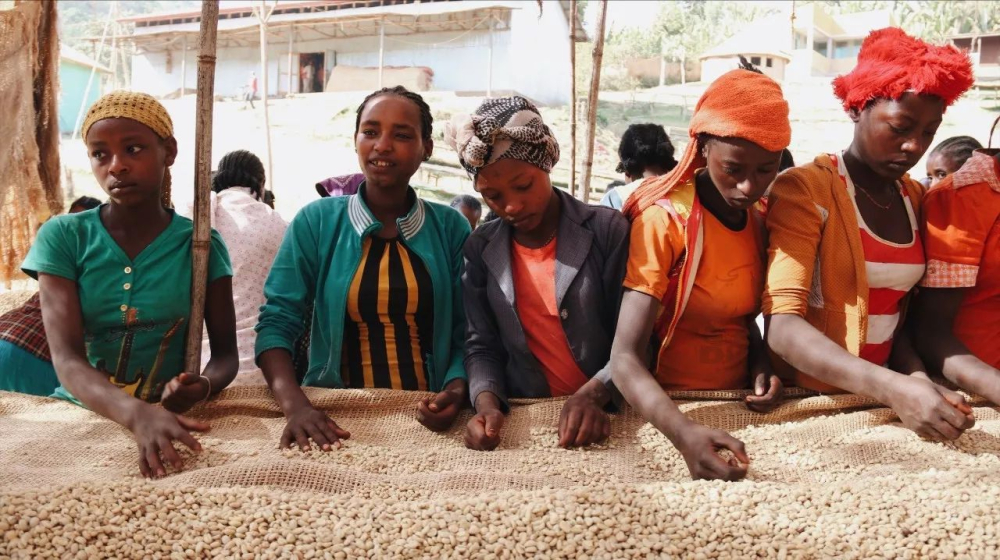
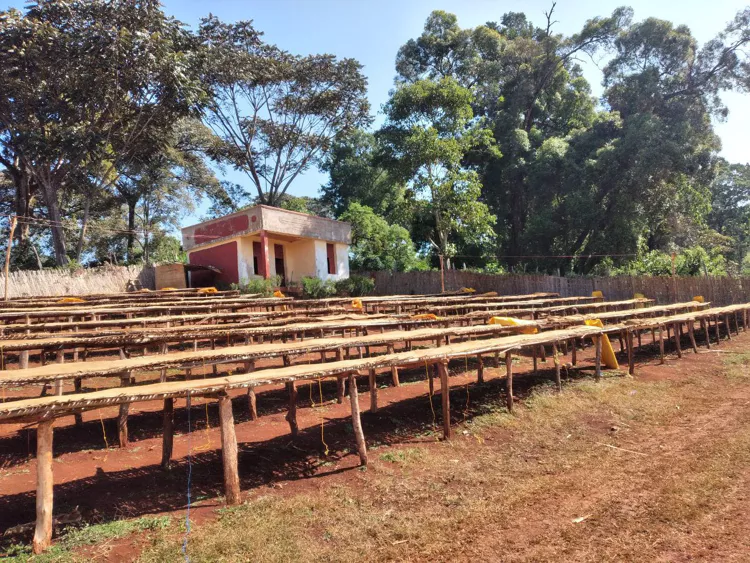
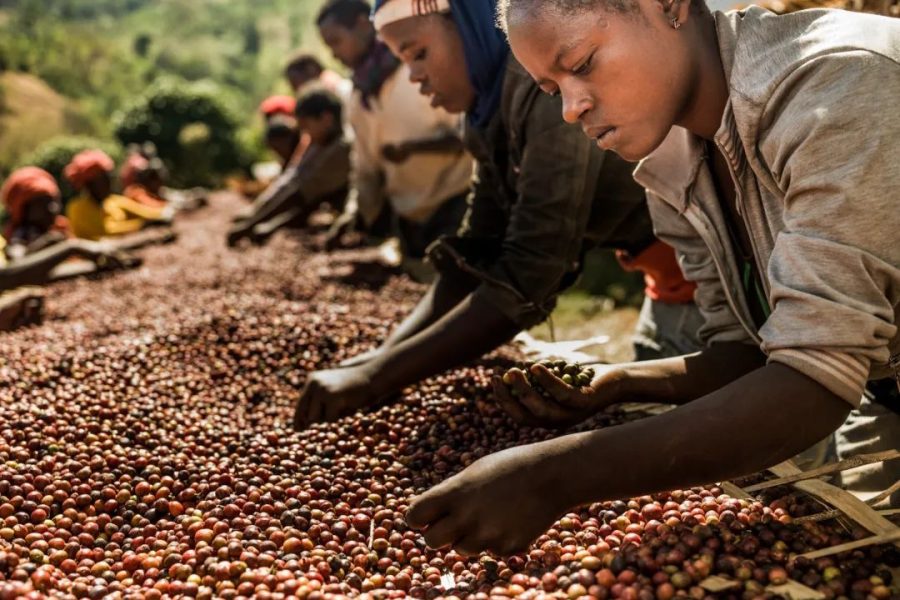
The washing process of the Banko Gotiti cooperative in the Gedeo region can be considered a model of Yirgacheffe. An offshoot of a YCFCU alliance member that became independent in 2012, the cooperative has improved the traditional processing flow: after harvesting, coffee cherries undergo strict screening to remove floating fruit, then controlled-temperature fermentation in fermentation tanks for 18–36 hours (22–26°C), followed by flotation to remove impurities and drying on raised beds (15–20 days, with moisture reduced to 11–12%). This refined operation effectively avoids the off-flavors easily produced by traditional natural processing, creating the signature citrus tonality (pH 5.2–5.6) and jasmine aroma threshold.

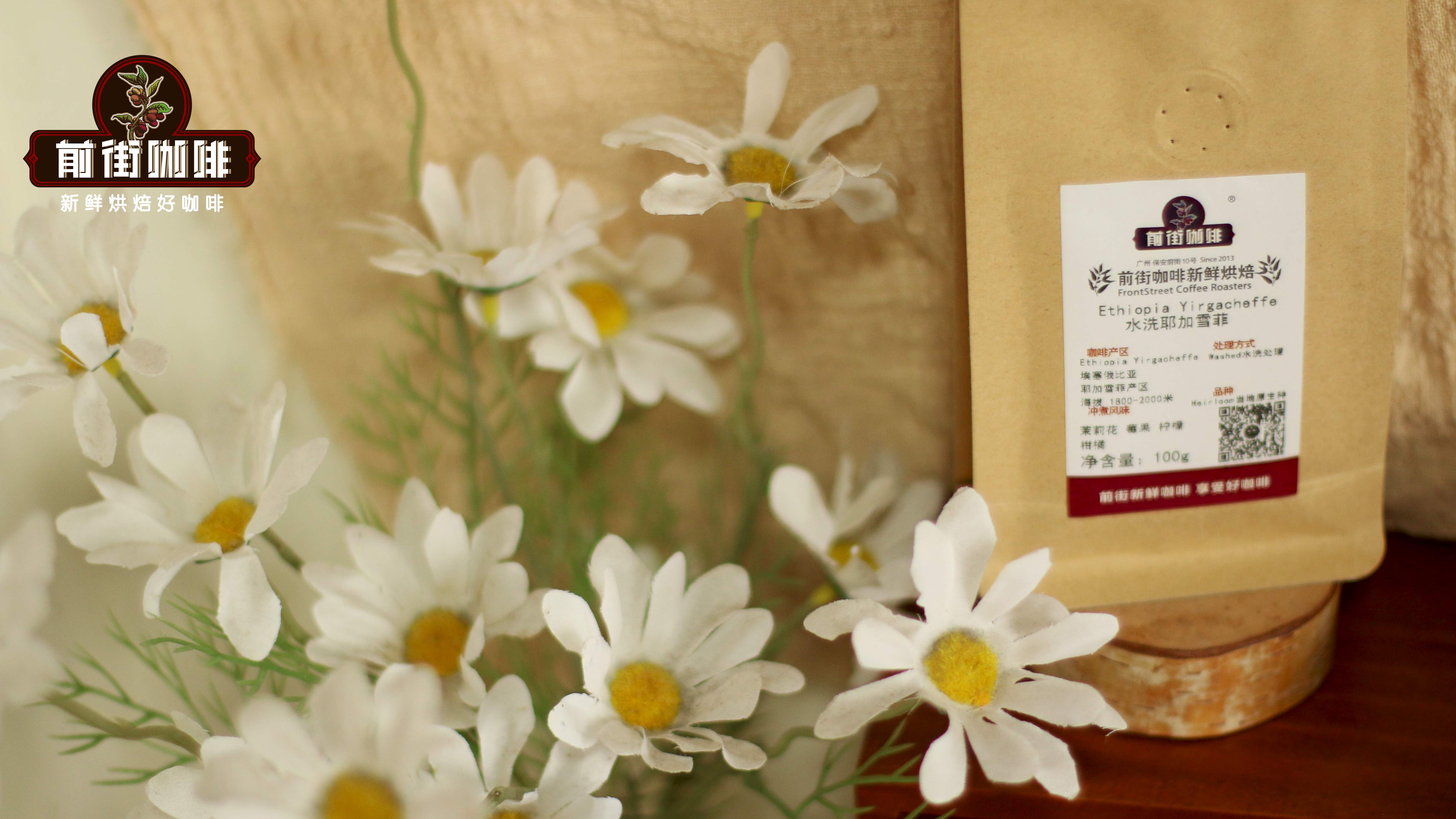
The cupping performance of washed Yirgacheffe is highly layered: the dry aroma releases fresh notes of passion fruit and lime, while the wet aroma is accompanied by fermented aromas of blueberry and black tea; on the palate it presents a balance of citric acid (acidity value 0.8–1.2%) and raspberry sweetness, with a green-tea-like body emerging in the middle and a honeyed luster in the finish. For pour-over, a medium-fine grind (0.85 mm particle size) with a 78% passing rate through a No. 20 sieve is recommended, paired with a water temperature of 92–93°C.

The natural-processed Red Cherry Konga coffee shows a completely different flavor map. Selected 100% fully red cherries are dried on African drying beds for 21–28 days (turned 3–4 times daily, with humidity controlled at <12%), and the sugars in the fruit pulp permeate the seeds during slow dehydration. This process strengthens the formation of tropical fruit esters (such as mangonal and isoamyl acetate), creating a full berry composite flavor (anthocyanin content increased by 30%) and caramelized sweetness (reducing sugar retention >65%).
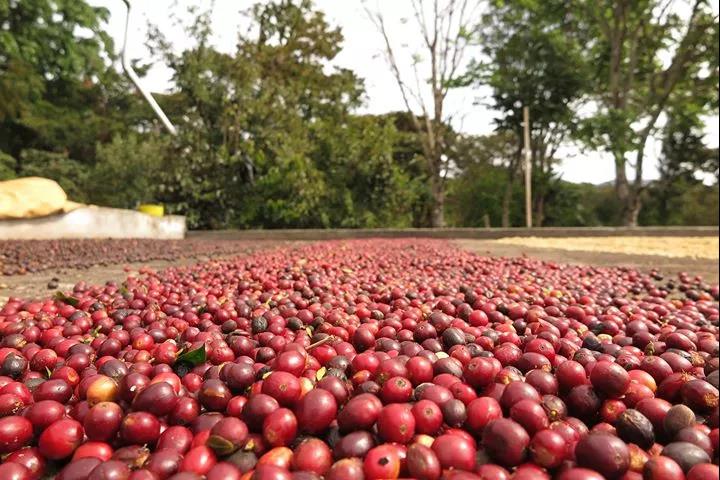
The sensory characteristics of natural Yirgacheffe are distinctive: the dry aroma gives off ripe strawberry and red wine notes, and honey and dried peach aromas spill out during grinding; after brewing, it presents an interweaving of grapefruit acidity (soft acidity) and blackcurrant sweetness, with a silky mouthfeel and a warm finish of black tea and maple syrup. This type of bean is particularly suitable for low-temperature slow extraction at 90–91°C to highlight its rich characteristics.
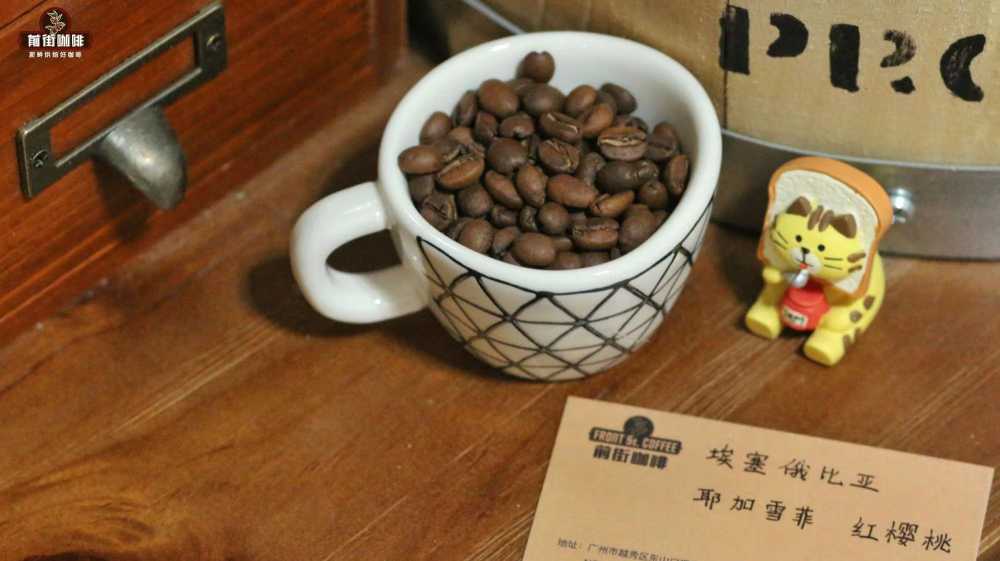
Comparing the flavor parameters of the two bean types: the washed version has a body of only medium (MG 1.5–2.0), but its acidity brightness (Acidity Intensity 4/5) is prominent and its flavor cleanliness (Clean Cup 8.5/10) is extremely high; the natural version shows high sweetness (Sweetness 9/10) and complexity (Complexity 8/10), with a body reaching full (MG 2.5–3.0). Both have an extremely low defect rate (<3 defects/300 g), confirming the excellent quality of Ethiopian coffee.

Practical pour-over recommendations: when using a V60 dripper, use a three-stage pour (25 g bloom → 125 g → 225 g) for washed beans, with a total time of 2:00 ± 10 seconds; for natural beans, try the center-pour method (1:16 coffee-to-water ratio) and extend extraction to 2:30 to bring out sweetness. Whichever processing method, make sure the coffee beans are used within 7–21 days after roasting, when the volatility of aromatic substances is at its best (aldehyde retention >70%).