Swiss Water Decaf Process Explained: Decaf Coffee Production and Flavor

Introduction: The Swiss Water decaffeination process is one of the mainstream decaf processing methods today, effectively reducing caffeine content while preserving the coffee's original flavor. This article details the 7 key steps of this process—bean selection, pulp removal, fermentation, washing, drying, hulling, and grading—and explains why decaf coffee processed this way still retains bright acidity and complexity, helping coffee lovers choose decaf drinks more knowledgeably.
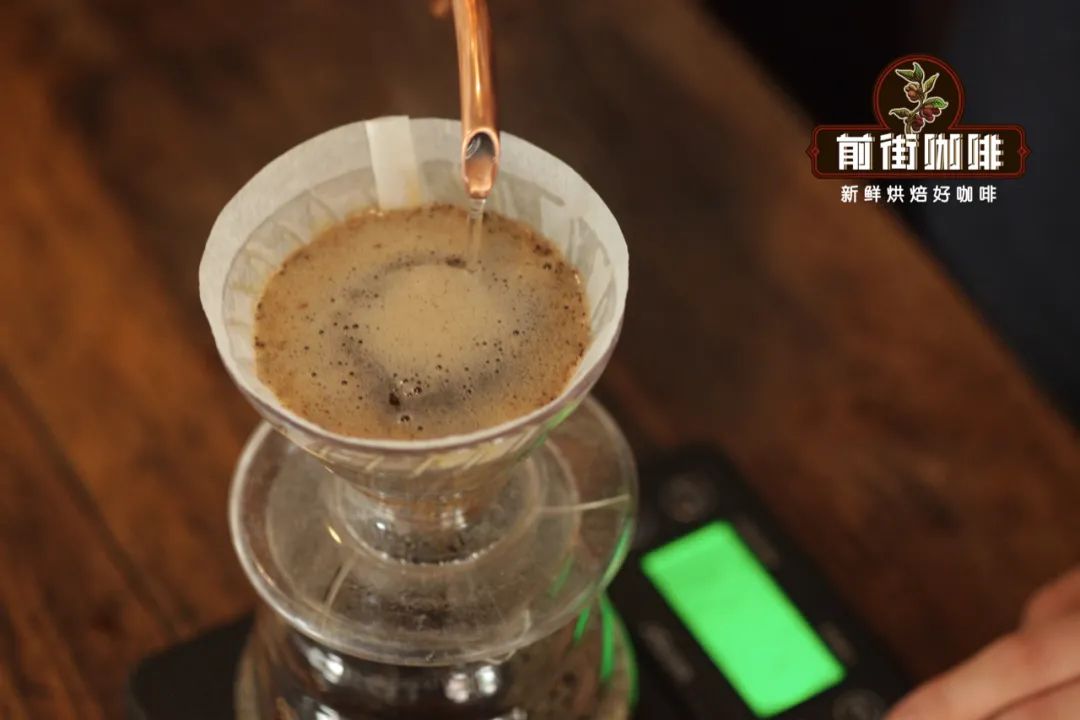
The Swiss Water decaffeination process is a technique that balances caffeine removal efficiency with flavor retention. The process begins with carefully selected ripe coffee cherries, which are fed whole through a production line into a depulper that initially strips the outer skin and most of the pulp, but leaves a thin layer of pectin mucilage clinging to the parchment. The subsequent washing step is precisely to thoroughly remove this mucilage layer that affects taste.
The first step of the process is strict bean selection. Freshly picked coffee cherries are immersed in a water tank and left to rest for about 24 hours, using density differences to separate them naturally—ripe, full cherries sink to the bottom, while underripe or overripe floaters are skimmed off. This step removes about 15%–20% of poor-quality cherries, laying the foundation for subsequent processing.
Next, mechanical equipment strips the outer skin and pulp, at which point the coffee beans are still covered with a slippery pectin layer. Professional processing plants usually use controlled fermentation to break down this mucilage: wet fermentation takes place in a tank filled with water for 18–36 hours, during which microorganisms naturally break down the pectin; dry fermentation requires no additional water but may take longer and demands tighter temperature control. Note that some farms add hot water or enzyme preparations to speed up fermentation; although this shortens processing time, it easily leads to unpleasant fermented off-flavors in the coffee.
The fermented mucilage-covered beans then enter the washing stage. The processing plant needs a continuously flowing fresh water system, and workers repeatedly wash the beans so they rub against each other, stripping residual pectin under the impact of the water. This process requires continuous monitoring of water pH (ideal range 5.5–6.5) and temperature (no higher than 22°C) to avoid excessive scrubbing that damages the seed coat.
After washing, the coffee beans have a moisture content as high as 50%, which must be reduced to the 12% safe storage standard. Traditional sun drying requires spreading the beans under shade netting for 1–3 weeks, turning them 3–4 times a day to prevent mold; although time-consuming, it can develop richer sweetness; modern processing plants mostly use temperature- and humidity-controlled mechanical dryers that complete drying within 48–72 hours, but may sacrifice some flavor complexity.
Once the moisture content is on target, the parchment-covered beans enter a huller to remove the silver skin and inner parchment. The resulting green beans are then graded and sorted by defect rate, size, and density; professional processing plants usually combine air sorting with electronic color sorters to ensure each batch of decaf beans meets specialty-grade standards (defect rate below 3%).
The actual decaffeination is a special procedure carried out after the above washing process is complete. The mainstream Swiss Water process uses supercritical carbon dioxide extraction technology: the parchment-covered beans are first soaked in warm water to activate caffeine molecules, then high-pressure carbon dioxide (80–100 bar) is introduced to selectively adsorb caffeine; the entire process takes place at 60–80°C for about 10 hours, ultimately removing 94%–98% of the caffeine while retaining over 90% of aromatic compounds. Compared with traditional chemical solvent methods (such as dichloromethane treatment), this method avoids the risk of solvent residue, making it the EU-certified standard process for decaf coffee.
Decaf coffee processed this way still presents bright citrus acidity and moderate body, especially suited to the balanced taste preferred in Asian markets. Consumers should check the processing label when choosing—genuine products will state "Swiss Water Process" or "SWP" certification; the caffeine content of such decaf coffee is usually ≤0.1% (regular coffee contains about 1.2%–1.5%), meeting the need to reduce intake without losing too much drinking pleasure.


