Colombian Washed Coffee: Tolima Flavor Guide and Brewing Tips
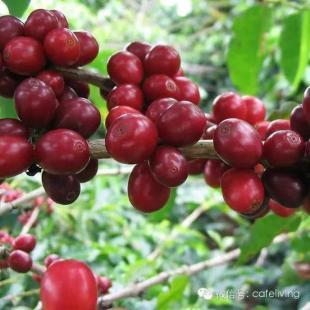
Introduction: This article focuses on washed coffee from Planadas in Colombia's Tolima Department, detailing the production background of the local smallholder cooperative Asemprogrope and analyzing the altitude, variety characteristics and Fairtrade certification value of Excelso EP-grade coffee beans. From a professional perspective, it explains how the washed process affects flavor and offers pour-over parameters and flavor descriptions to help coffee lovers gain a deeper understanding of how to drink coffee from this classic region.
Among Colombia's many coffee regions, Planadas in Tolima Department, with its unique high-altitude microclimate, produces coffee with a distinct regional character. The image shows coffee beans from the local smallholder cooperative Asemprogrope, an organization founded in 2004 and run by 23 male and 9 female producers, focused on sustainable growing practices.
The cooperative mainly grows three classic varieties—Caturra, Castillo and Colombia—at altitudes between 1,650 and 2,100 meters. The high-altitude environment lengthens the ripening period of the coffee fruit, prompting it to accumulate richer sugars and aromatic compounds. Particularly noteworthy is that all these beans are processed by the washed method—a classic technique passed down in Colombia for nearly a hundred years that effectively highlights clean, bright acidity and a layered flavor structure.
The image 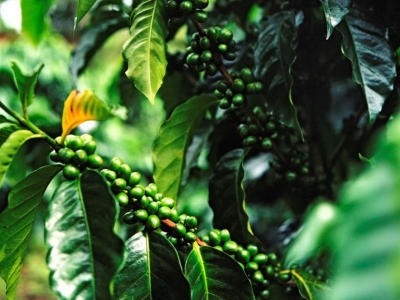 shows the beans after washed processing. The specific process is: first remove the pulp, then ferment to break down the mucilage, then wash thoroughly with clean water, and finally dry the parchment beans in the sun on drying beds throughout the process. This traditional method requires strict control of the temperature and humidity of the drying environment, and usually takes 10-14 days to reach the ideal moisture content (about 11-12%). Grain Pro or Ecotact bags are used for storage throughout, effectively slowing deterioration of the beans and keeping the flavor fresh.
This lot is graded Excelso EP, a classification standard that requires uniform bean size and a very low defect rate (no more than 5 primary defects per 300 grams of green beans). Its dual Fairtrade and organic certifications not only guarantee producers a fair income but also ensure that chemical pesticides and synthetic fertilizers are banned during cultivation. For consumers, choosing this kind of certified coffee both supports environmentally friendly practices and delivers more consistent quality.
For brewing, a medium-fine grind (similar to granulated sugar) with water at 90-93°C is recommended. For pour-over, a V60 dripper with a 1:15 coffee-to-water ratio works well; when pouring in stages, control the flow rate to fully bring out its bright citrus notes—typically expressed as a balance of lemony acidity and a black tea finish. If using an espresso machine, grind to a medium setting (slightly coarser than flour); 20 grams of coffee can yield 40-45 ml of espresso, which brings out a mellow base of nuts and dark chocolate.
Professional cupping shows that this kind of washed Colombian coffee often has clear white floral notes; on the palate, the first impression is the fresh acidity of citrus fruit, transitioning to caramel sweetness in the middle, with black tea and soft nutty flavors persisting in the finish. Compared with the rich, full-bodied character of natural processing, the washed process gives a cleaner mouthfeel and higher acidity and liveliness, making it especially suitable for a morning pick-me-up or pairing with light meals.
For beginners new to specialty coffee, it is best to start with a single-origin pour-over. Be careful not to disturb the coffee bed when pouring; the first two pours should be slow, circular pours for even extraction. If the acidity seems too bright, you can raise the water temperature to 94°C or extend the bloom to 40 seconds, which effectively brings out more sweet compounds. For storage, keep unopened bags in a cool, dark place; after opening, store in an airtight container and finish within 2 weeks to fully enjoy its fresh flavors.


