Pour-over coffee: three-pour vs single-pour methods compared
Introduction: The pouring method in pour-over coffee directly affects the flavor layers and extraction efficiency. This article examines the core differences between the three-pour and single-pour (often called "one-cut") methods, from the purpose of blooming and the logic of stages to timing control and strength adjustment, combining basic parameters such as a 1:15 coffee-to-water ratio and 88-91°C water temperature to offer practical, actionable guidance. Whether you are a beginner or looking to refine your brewing routine, you will find key techniques here to improve flavor expression.
Pour-over coffee is a classic extraction method in which water is poured evenly through a dripper while the coffee liquid filters through, and it is widely used in specialty coffee. Its core lies in precisely extracting flavor compounds from the beans by controlling pouring rhythm, water temperature and grind size. Understanding the differences between pouring methods is an important step toward better pour-over quality.
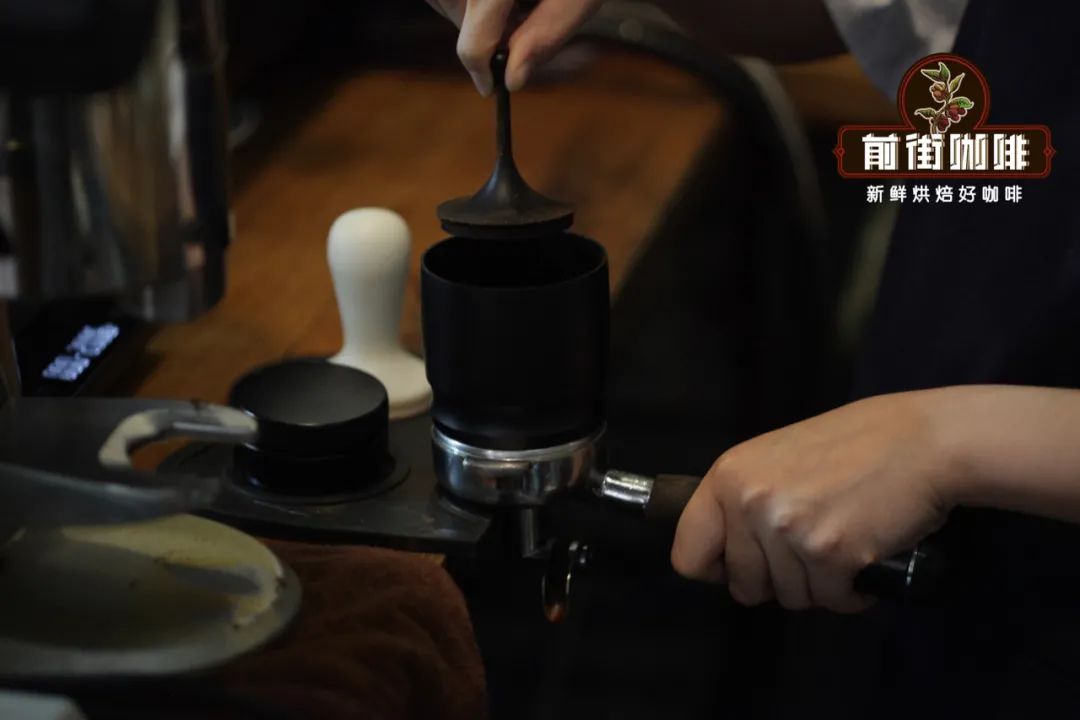
Common pour-over methods fall mainly into three-pour and single-pour ("one-cut"). The three-pour method typically includes: a first stage of 30 g of water for blooming (releasing excess carbon dioxide from the coffee grounds and opening the path for subsequent extraction, lasting about 30 seconds); a second stage of 125 g of water (soaking the grounds and promoting flavor dissolution); and a third stage of the remaining water up to the target total extraction amount (e.g., 225 g), followed by waiting for the remaining coffee to finish dripping. The whole extraction takes about 2 minutes, and the water should be poured in gentle circles to ensure even coverage of the coffee bed.
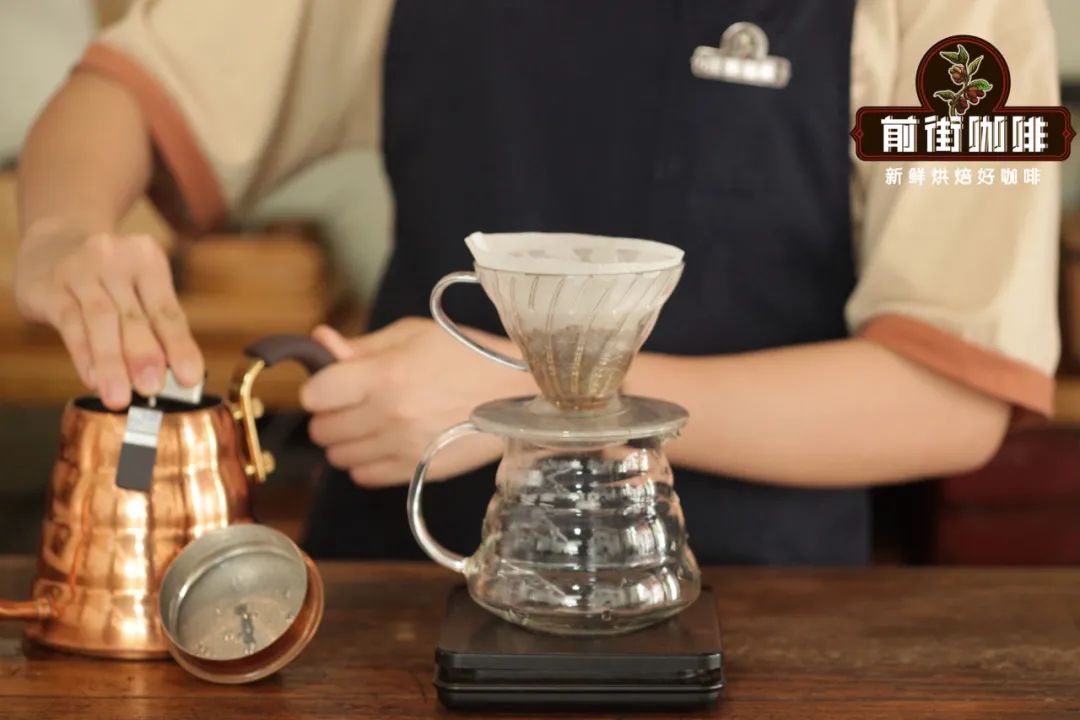
The single-pour (one-cut) method, despite the name, actually means continuous pouring to the target amount after blooming (usually in one go or a few small additions), making it essentially closer to a two-stage method. Its hallmark is fewer intervals, resulting in a relatively shorter total extraction time (for example, omitting the 10-second wait for the middle drip can shorten the time to 1 minute 50 seconds). However, the evenness of this extraction depends on greater precision, and it suits situations where you have a clear goal for overall balance and want to finish quickly.
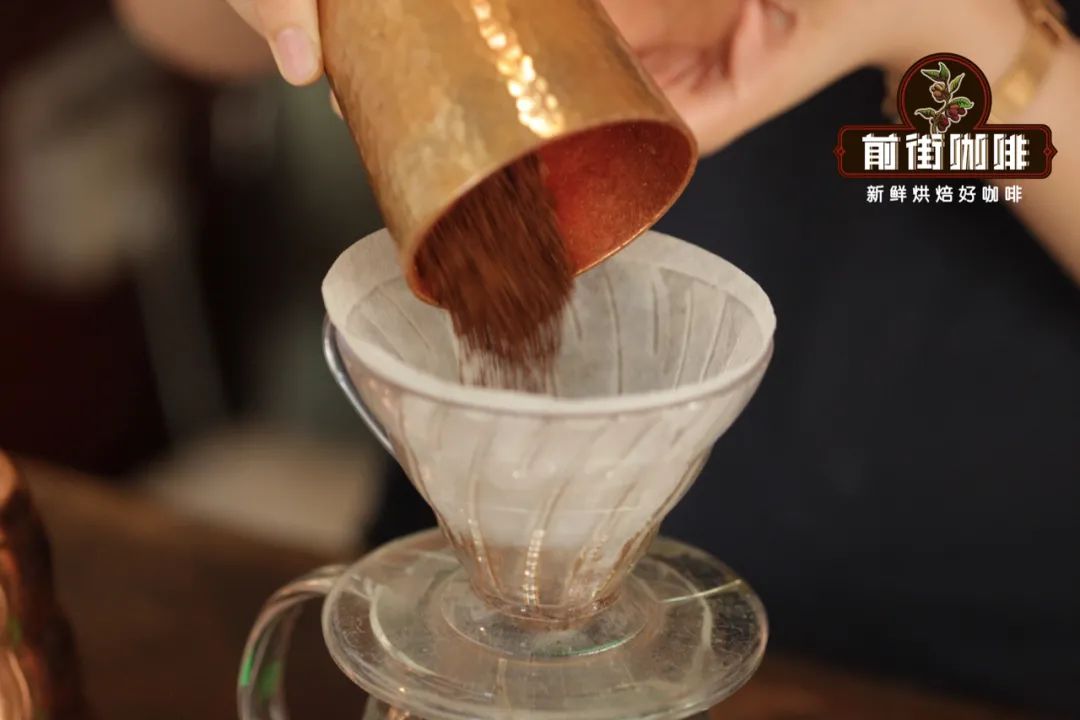
The core role of pouring stages is to adjust extraction time and flavor layers. The more stages, the longer the waiting intervals and the longer the total extraction time — these intervals are not "wasted time" but the key to letting the coffee drain fully and avoiding over-soaking the coffee bed. In the three-pour method, for example, after a 30-second bloom, a 10-second wait between the second and third pours lets the coffee drain to half the bed height, ensuring full release of early-stage flavor compounds while avoiding over-extraction and bitterness in the later stage.
If you reduce the stages (e.g., switch to single-pour), the omitted intervals shorten the total extraction time (e.g., from 2 minutes to 1 minute 50 seconds), which may result in insufficient flavor extraction and a thinner body; conversely, adding stages (e.g., four or five pours) lengthens the total time (Tetsu Kasuya's 4:6 method, for instance, lasts 3 minutes 30 seconds), but using a coarser grind (to avoid over-extracting fines) to adjust strength can instead enhance flavor complexity and layers.
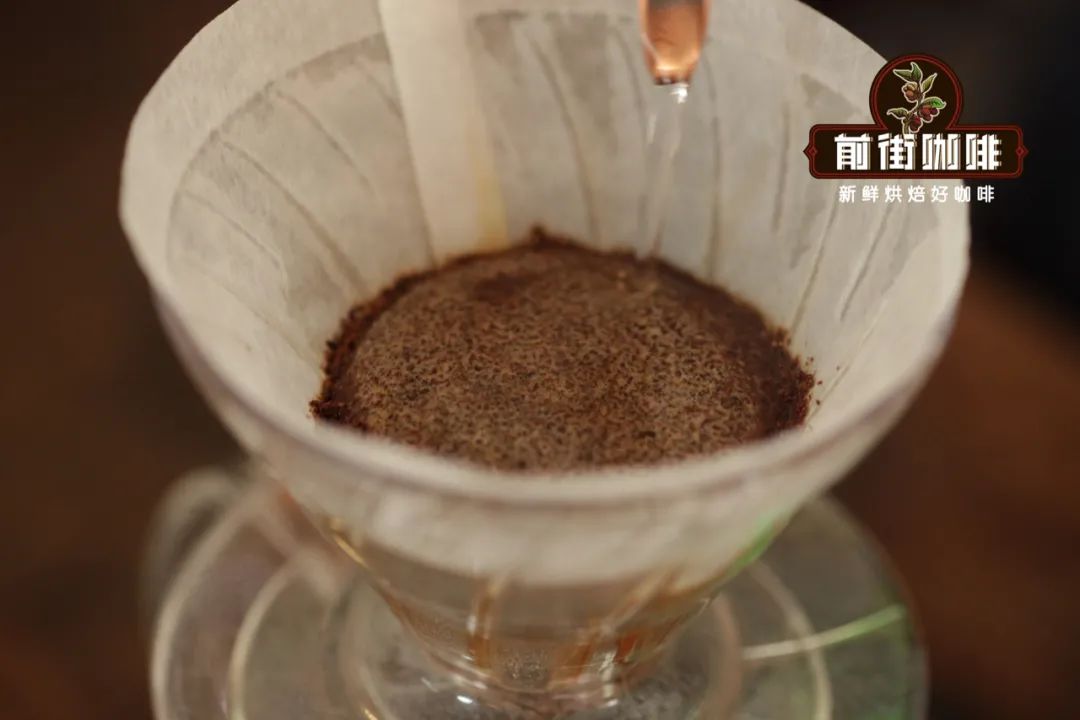
Note that the three-pour method is not the "optimal solution" but a basic approach after weighing many factors. Dripper type (e.g., V60 suits the high permeability needed for light roasts, while KONO better suits the full-bodied extraction of dark roasts), roast level (above 90°C is recommended for light roasts, while 88-90°C works for dark roasts), and grind size (medium-fine, about 80% passing a 0.85 mm standard sieve) all affect the choice of pouring strategy. For example, the V60's spiral ribs speed up water flow, making it suitable for extending extraction time with multiple pours; dark-roasted beans, because their internal compounds dissolve more easily, can avoid over-extracted burnt bitterness with appropriately fewer stages.
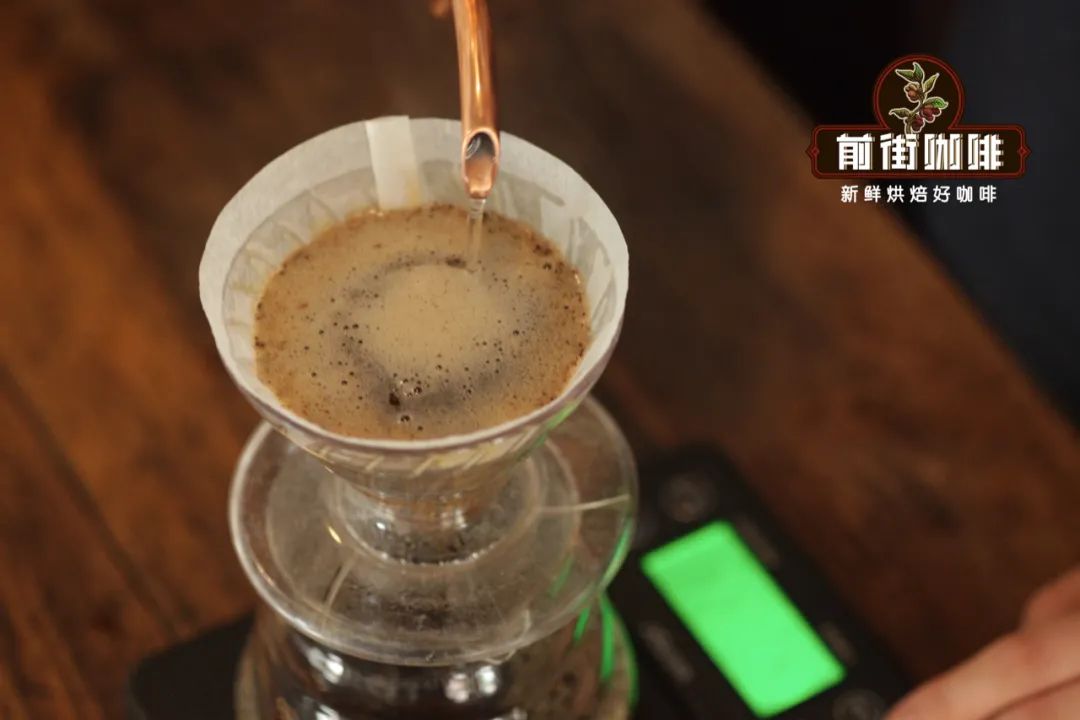
Speaking of classic multi-pour examples, one must mention the "4:6 method" by Tetsu Kasuya, the 2016 World Brewers Cup champion. Based on 20 g of coffee and a 1:15 coffee-to-water ratio (300 g total water), it divides pouring into 5 stages: the first 2 stages (40% of the total) focus on extracting flavor compounds (such as acidity and floral notes), while the last 3 stages (60% of the total) adjust strength and body (such as sweetness and fullness). By using a coarser grind (to avoid over-dissolution from the long extraction), the total extraction time extends to 3 minutes 30 seconds while still maintaining flavor balance, making it a reference template for advanced brewers seeking to optimize strength and layers.
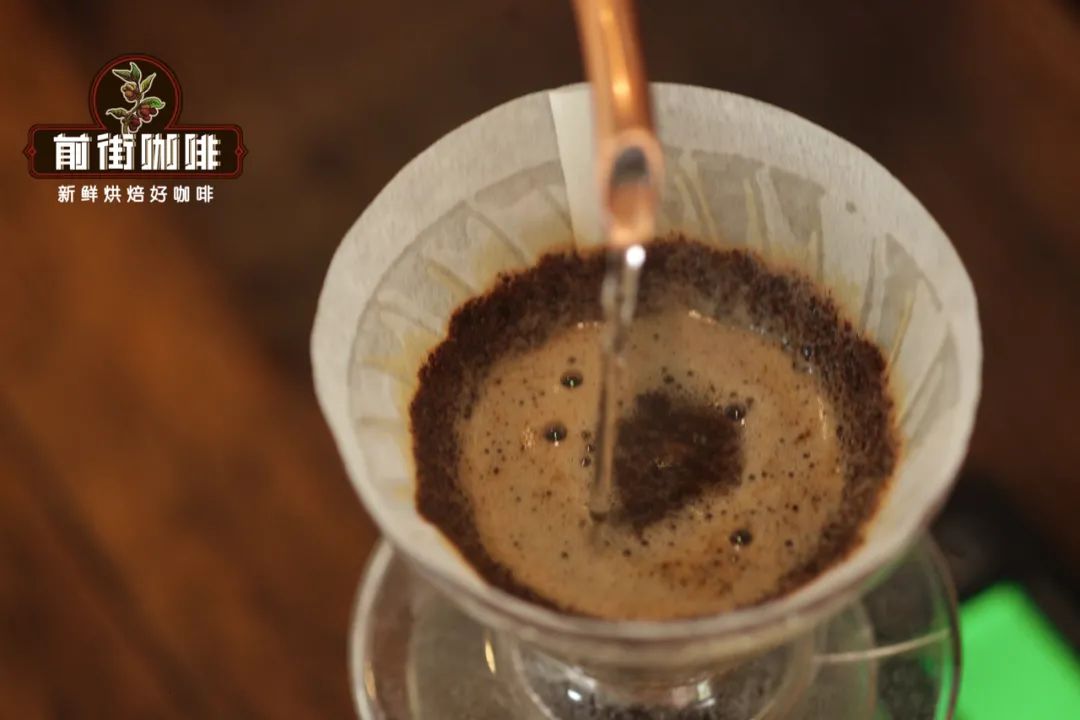
In summary, whether three-pour, single-pour or a more complex staged scheme, the core is to control pouring rhythm, interval time and grind parameters to achieve the balance of "fully extracting flavor compounds + avoiding over-extracting impurities." Beginners are advised to start with the three-pour method — its difficulty is moderate, it releases gases through blooming and adjusts strength through stages, and with basic parameters such as a 1:15 coffee-to-water ratio, 88-91°C water temperature and 2 minutes total extraction time, it is easier to consistently produce a balanced pour-over coffee.