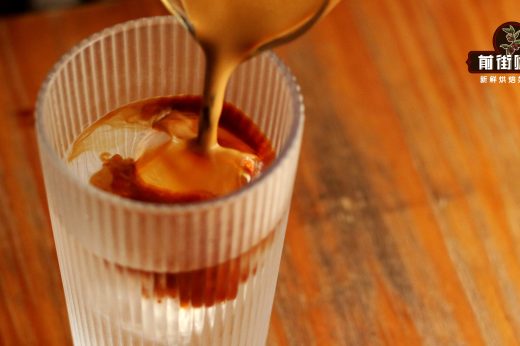
Comparing Two Iced Pour-Over Methods: Ice First vs. Ice After
Introduction: Iced pour-over coffee, with its refreshing mouthfeel and vivid flavors, has become many coffee lovers' summer first choice. But when making it, some people are used to adding ice to the server first, while others choose to add ice after extraction is complete. What exactly is the difference between these two methods? How do they affect the coffee's final flavor? Through actual testing, this article walks you through the operational differences, temperature changes, and flavor performance of adding ice first versus adding ice after, helping you find the iced pour-over method that suits you better.
When making iced pour-over coffee, ice is usually used to rapidly cool the coffee. There are currently two common approaches: one is to put ice into the server before extraction, and the other is to first complete the extraction of the hot coffee liquid, then add ice to cool it. Each method has its own characteristics and has different effects on the coffee's aroma, sweet-sour balance, and overall flavor.
[Procedure for adding ice first]
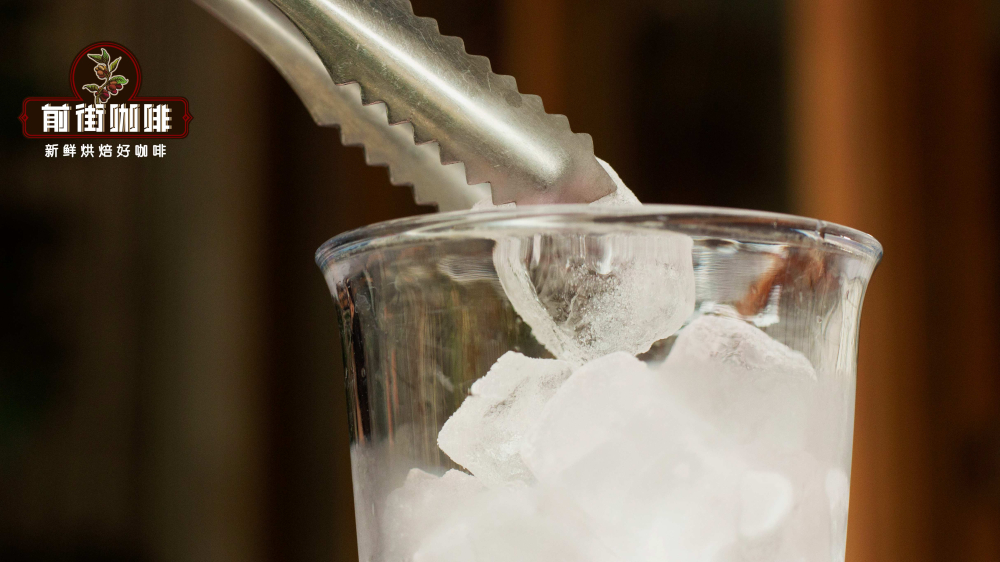
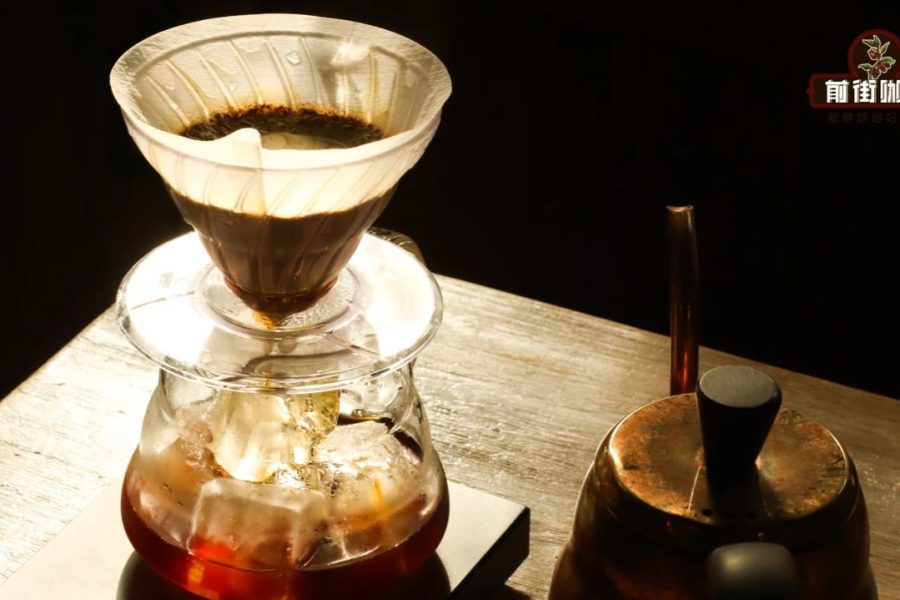
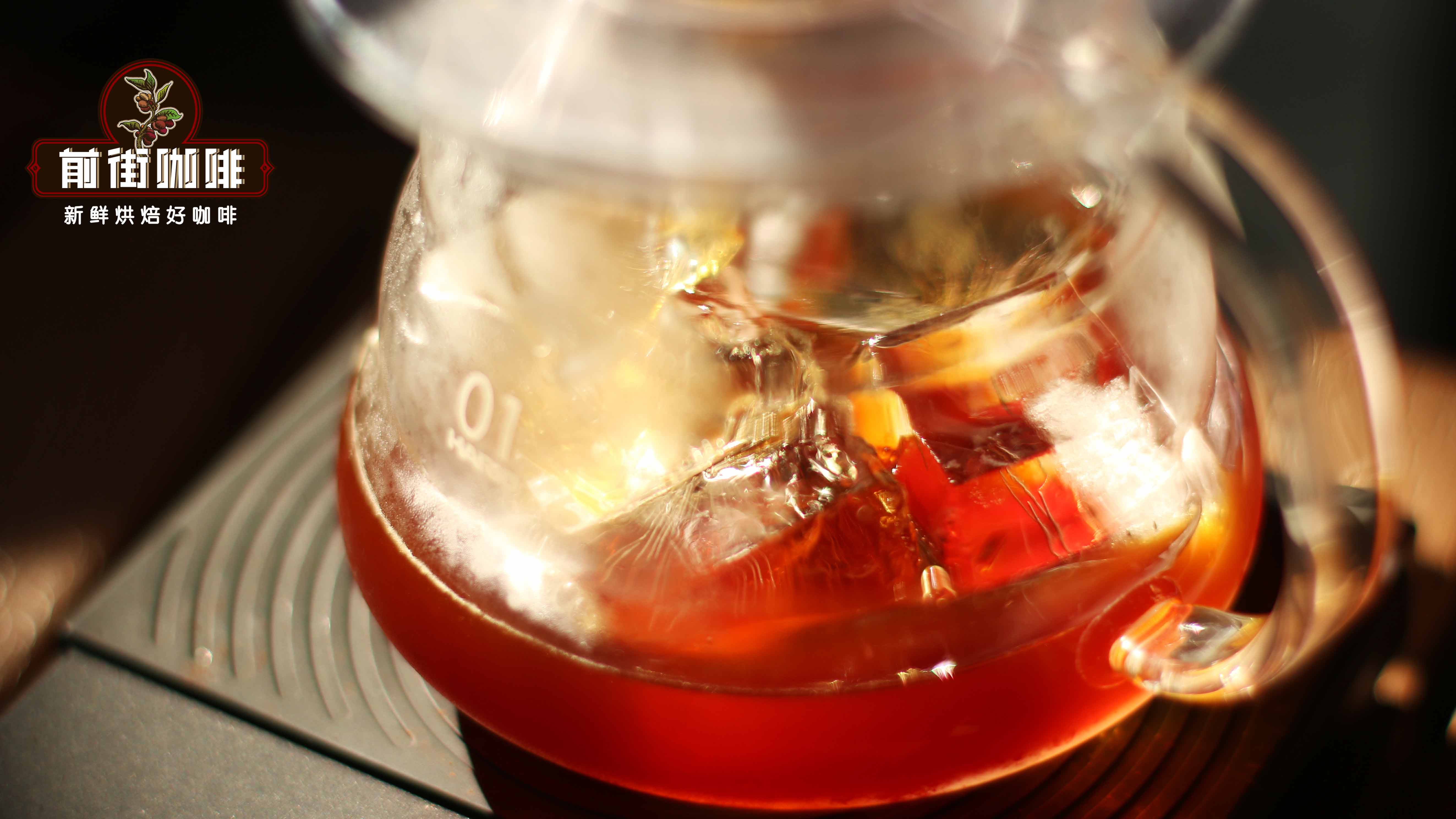
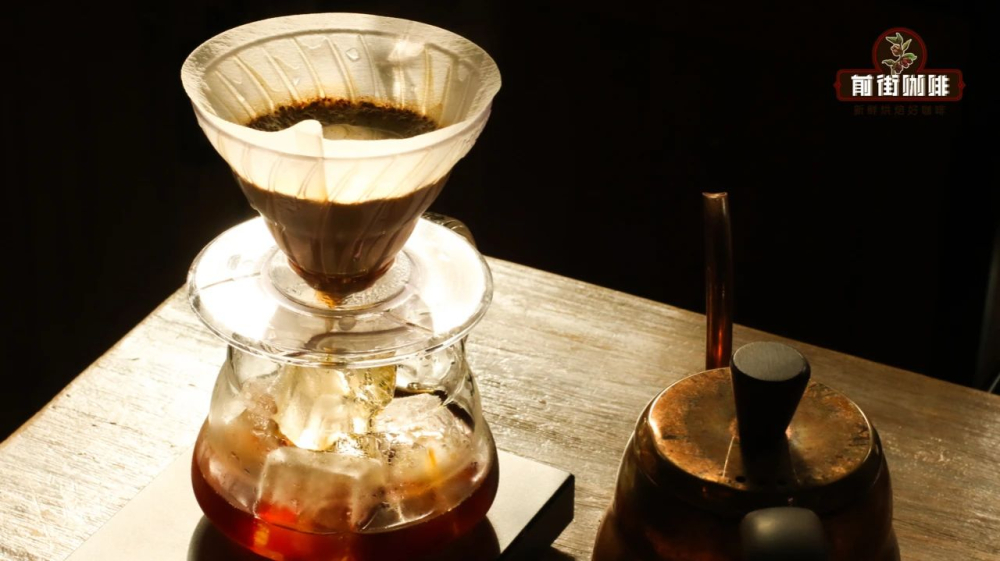
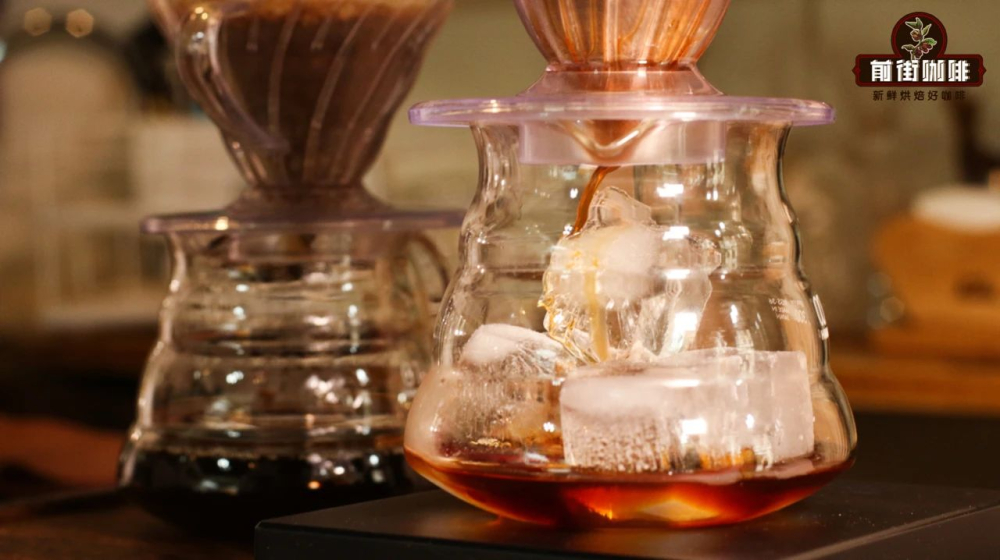
So-called adding ice first means that before starting to extract the coffee, a certain amount of ice is placed into the server, and then the dripper is set above the server for pour-over. After the hot water passes through the coffee grounds layer, the coffee liquid drips directly onto the ice, cooling while extracting. In this method, the coffee liquid's temperature drops quickly, and the ice gradually melts during the process. After all the coffee liquid has finished dripping, the server is usually gently swirled or stirred so that the overall temperature of the coffee is more uniform.
[Procedure for adding ice after]
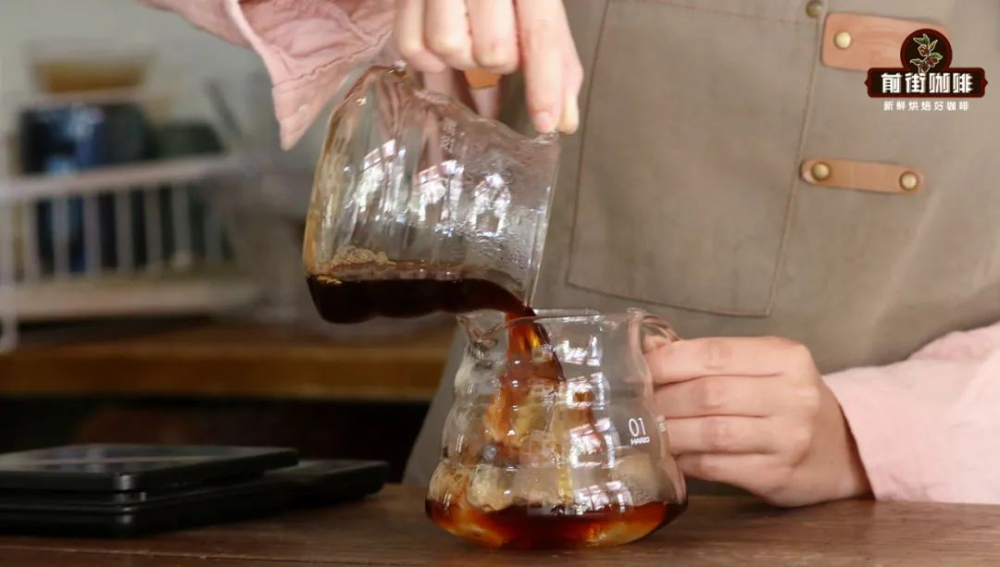
The steps for adding ice after are to first use hot water to fully extract the coffee grounds into hot coffee liquid in the usual pour-over way, then pour this hot coffee liquid into a server that already contains ice, relying on the ice to rapidly lower the coffee liquid's temperature. There is also a method of putting the ice into the server in advance, then pouring in the hot coffee liquid. To avoid splashing when hot water is poured onto ice or uneven heating of the container, it is generally recommended to slowly pour the hot coffee liquid into the server containing ice, which also removes heat more evenly.
[Experimental setup and parameters]
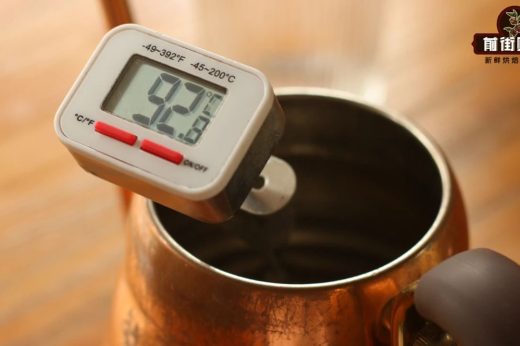
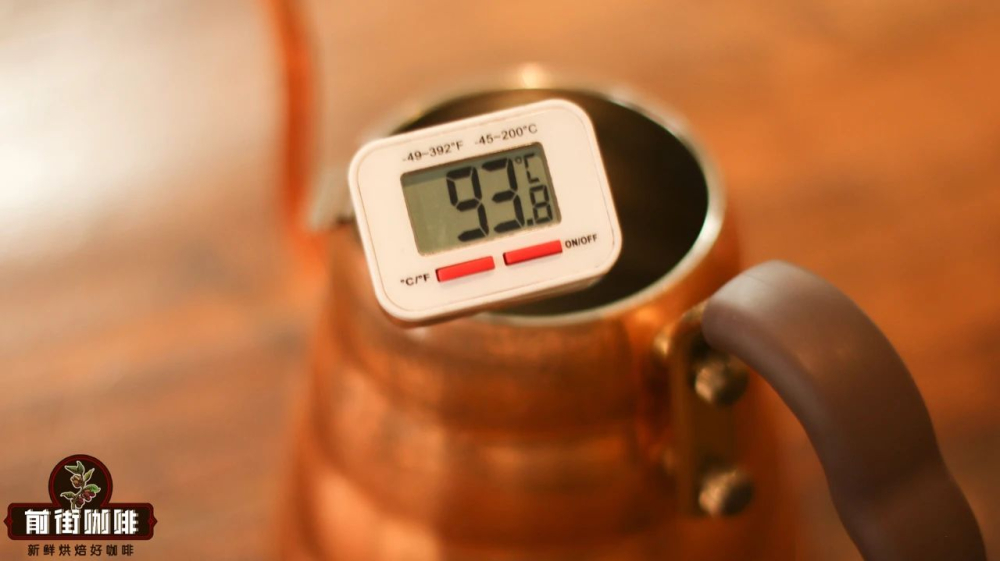
To compare the actual effects of these two methods, the experiment used a high-quality Geisha coffee bean, with the following brewing parameters: 15 grams of coffee grounds, fine grind (about 83% passing through a No. 20 sieve), 150 milliliters of water, 100 grams of ice added, and water temperature controlled at 93°C. A classic three-stage pouring method was used: the first stage poured 30 milliliters of water for a 30-second bloom, the second stage poured 60 milliliters of water, and after the liquid level dropped slightly, the third stage poured another 60 milliliters of water until all the coffee liquid finished dripping.
Apart from "whether the ice was added in advance," all other conditions in the two experiments were completely identical, ensuring fairness in the flavor comparison.

[Sensory comparison: differences in aroma and flavor]
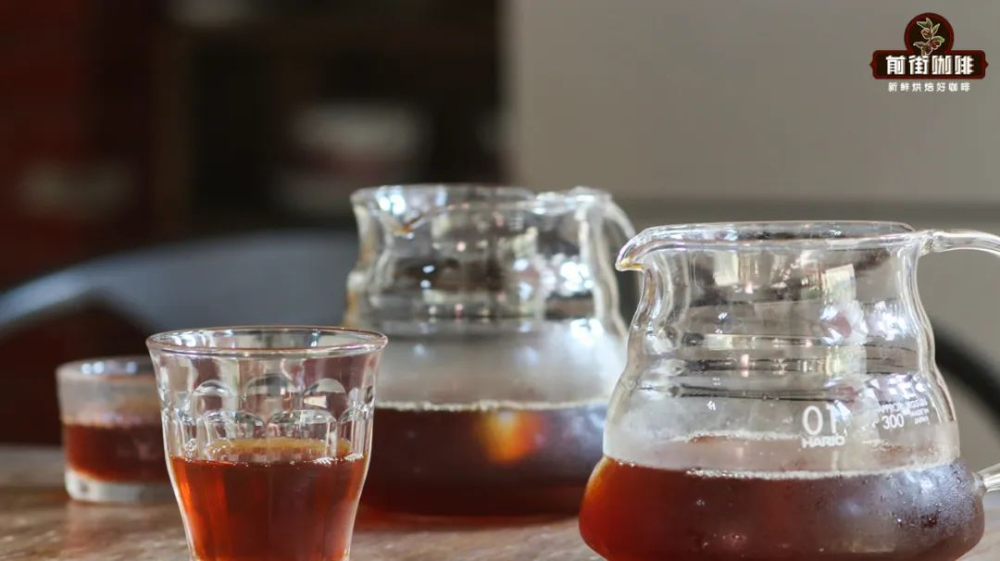
The two servers of coffee were tasted and compared after being extracted simultaneously and cooled evenly. Visually, it could be observed that in the ice-first group, because the ice came into contact with the hot coffee liquid earlier, it melted at an uneven rate—one piece melted faster while the others were relatively slow; in the ice-after group, the four ice cubes were closer in size and melted more evenly.
In terms of aroma, the coffee with ice added after was at first more intense and clear in aroma, with citrus and floral notes more prominent, but as time passed (about 2 minutes later), the aroma difference between the two gradually narrowed. In terms of flavor on entry, the coffee with ice added first showed more pronounced citrus acidity and an oolong tea-like finish, with lively acidity and clear layers; the coffee with ice added after presented a fuller juice-like body, more obvious honey sweetness, and an overall soft and smooth mouthfeel. But when tasted again after standing for 5 minutes, the flavor difference between the two was no longer significant.
[Why do these differences occur?]
The above differences mainly stem from the rhythm of temperature change in the coffee liquid. In the ice-first pour-over method, the coffee liquid cools rapidly as soon as it touches the ice, causing the overall temperature of the coffee liquid to be lower; this rapid cooling helps retain part of the acidity and tea-like feel, but may also suppress the full release of aroma. In addition, the coffee liquid near the ice cools too quickly, which may lead to uneven local extraction and affect the balance of the overall flavor.
In the ice-after method, the coffee liquid's temperature has already dropped slightly by the time extraction is complete; when it then comes into contact with the ice, although the cooling rate is also fast, it is relatively gentler, better locking in the rich aroma of the hot extraction stage. At the same time, this temperature difference allows the aromatic substances in the coffee to be better preserved, thus presenting a fuller fruity aroma and sweetness at the start.
[Practical application suggestions]
For daily brewing or café service, the ice-first method is simpler to operate and requires fewer utensils, making it suitable for scenarios that pursue efficiency. Although it may be slightly inferior to ice-after in terms of flavor layers, as long as the parameters are well controlled, it can still produce a high-quality iced pour-over with a refreshing flavor and balanced sweet-sour taste.
The ice-after method pays more attention to the expression of aroma and flavor, making it suitable for trying at home or when pursuing the ultimate experience, but attention must be paid to the technique when pouring to avoid splashing or the risks brought by thermal expansion and contraction of the container. If you value rich fruity aroma and a full juice-like body on entry more, ice-after may be the better choice.
In summary, each method has its advantages and disadvantages; the flavor differences are relatively easy to distinguish within a short time, but after standing for a while the differences will noticeably narrow. If you are new to iced pour-over, you can start with the simpler ice-first method and gradually try ice-after to find the flavor expression you like best.