Pour-Over Coffee for Beginners: Single-Serve Dose and Japanese Drip Technique
Introduction: The flavor profile of pour-over coffee is closely related to the coffee-to-water ratio and pouring technique. This article details the precise dose for single-serve pour-over coffee (about 15g), the golden extraction parameters (1:15 coffee-to-water ratio), and focuses on the slow extraction logic of the Japanese drip pouring method and key details of stirring and blooming. Mastering these basic techniques allows you to consistently brew layered and distinct coffee flavors at home.
The charm of pour-over coffee lies in precisely controlling variables to unlock the unique flavor potential of each bean. For beginners, the most common confusions are: how much coffee powder should I use for one cup? What pouring techniques can make the taste more balanced? The answers to these questions lie in the basic parameters and operational details.
Golden parameters for single serve: According to international golden cup extraction standards, the best flavor is achieved when the extraction yield of soluble substances in coffee grounds is 18%-22%, corresponding to a TDS concentration of 1.2%-1.45%. Converted to practical ratios, for every 1 gram of coffee powder, it is recommended to pour 12-15 milliliters of water. For a single serving, typically 15 grams of powder is used, yielding about 225 milliliters of total extract (i.e., 1:15 coffee-to-water ratio). This range balances concentration and taste cleanliness.

To consistently replicate the ideal flavor, four core variables must be controlled simultaneously: grind size (affects water flow rate), water temperature (regulates extraction efficiency), coffee-to-water ratio (determines overall concentration), and pouring technique (shapes flavor layers). For grind size, it is recommended to reference a Chinese standard No. 20 sieve with 80% pass rate (similar to fine granulated sugar). This particle size matches the extraction needs of most medium-light roasted beans.
Regarding water temperature selection, light roasted beans are suitable for 88-92°C (to stimulate floral and fruity acidity), while medium-dark roasts can be increased to 92-96°C (to bring out caramel and nutty notes). Note that higher temperature is not always better—exceeding 96°C can easily lead to excessive release of tannic acid, producing noticeable astringency. In practice, adjust slightly based on bean freshness; beans stored for over two weeks can be compensated with 1-2°C higher temperature to offset flavor loss.

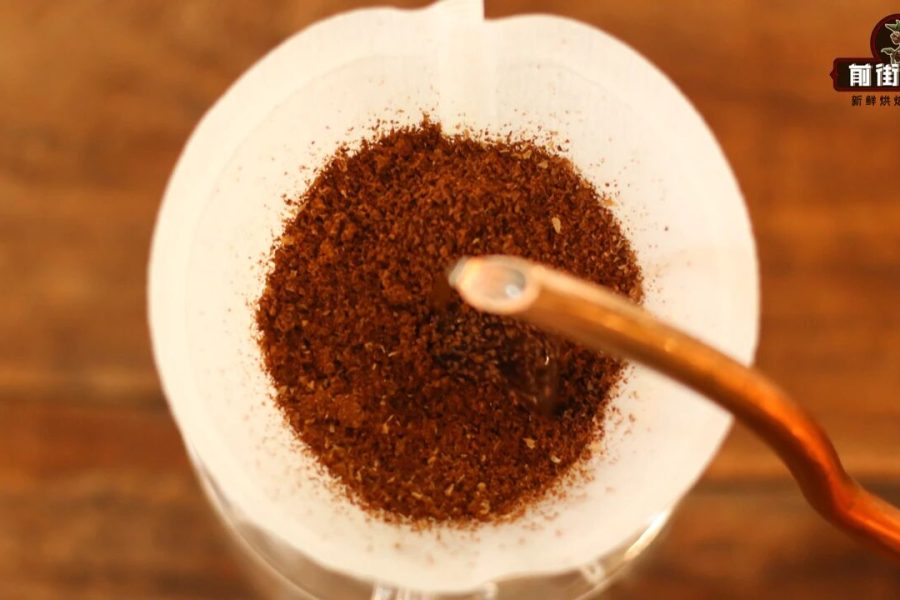
The blooming stage is a hidden key step in pour-over. Freshly roasted coffee beans contain a large amount of carbon dioxide (especially within 3-7 days after roasting), which hinders water penetration. Proper blooming requires gently leveling the coffee grounds, then slowly pouring 90-93°C hot water in a circular motion (water amount is 1.5-2 times the powder weight, typically 20-30 grams) to evenly expand the coffee bed. When the surface of the bed changes from domed to slightly contracting (about 30 seconds), proceed to the main pouring stage. Insufficient blooming can lead to sharp acidity and uneven extraction; over-blooming may dissolve excessive impurities.

Advanced brewers can try the Japanese drip pouring method. This traditional technique from Japan uses an extremely fine stream (almost dripping) to slowly saturate the coffee bed, maximizing sweetness and body. Use a wide-mouth gooseneck kettle, maintain uniform drip intervals (1-2 drops per second), and keep the water temperature at 85-88°C throughout. First, concentrate hot water in the center of the dripper and slowly pour until the bottom of the coffee bed is moistened. After the water slowly penetrates, gradually expand the pouring area. The entire process takes 4-5 minutes, and the final coffee-to-water ratio should be adjusted to 1:12-1:13 to balance concentration.

Another method often used for light roasts is the stirring bloom method. After the initial pour, use a stirrer (or clean chopsticks) to gently stir in a cross pattern 2-3 times in the center of the coffee bed to help water quickly penetrate the dense bed. This method enhances the release of aromatics in the early stage, but stirring force must be strictly controlled—over-stirring can cause over-extraction of fines and produce off-flavors. It is recommended to use with faster-flow drippers like V60, and slightly coarsen the grind to about 75% pass rate on a No. 20 sieve.

Common pitfalls to avoid: avoid pouring too much water at once, which can cause the coffee bed to collapse and clog the dripper; do not use too fine a grind for dark roasted beans (easily causes over-extraction and bitterness); after blooming, wait for the coffee bed to settle and stabilize before the first main pour (start when a clear gap appears between the water surface and the bed). For home brewing, a three-pour method is recommended: first pour 30 grams of water for blooming → second pour in stages until 125 grams → final pour until 225 grams to finish, with total time controlled between 2 minutes 10 seconds and 2 minutes 30 seconds.

Flavor tendencies corresponding to different pouring techniques: the drip method highlights sweetness and full body, suitable for medium-dark roasted Mandheling or Brazilian beans; the stirring bloom method enhances floral and fruity notes, matching high-acidity beans like Ethiopian Yirgacheffe; the standard three-pour method has the strongest compatibility, balancing the front, middle, and back flavor changes of most beans. Beginners are advised to start with the three-pour method and explore other techniques after becoming proficient.