Panama Butterfly Coffee Beans: Origin, Flavor & Pour-Over Guide
Introduction: This hybrid coffee from Panama's Boquete region blends the characteristics of three varieties: Geisha, Caturra and Catuai. We will take an in-depth look at its unique volcanic growing environment, the flavor layers brought by its washed processing, and provide a professional-grade pour-over recipe. From growing altitude to brewing parameters, this will help you fully experience the refined flavors of peach, honey and green tea intertwined.
The Gift of Panama's Boquete Volcano
In Chiriquí Province, on the border between Panama and Costa Rica, the Barú Volcano area at 1,600 meters above sea level nurtures this Butterfly coffee bean. Volcanic ash soil is rich in minerals, and together with a microclimate featuring a 10°C day-night temperature difference, it provides ideal growing conditions for the coffee trees. Notably, the region's unique misty, cloud-wrapped environment extends the ripening period of the coffee cherries, which is one of the key factors in forming the complex flavors.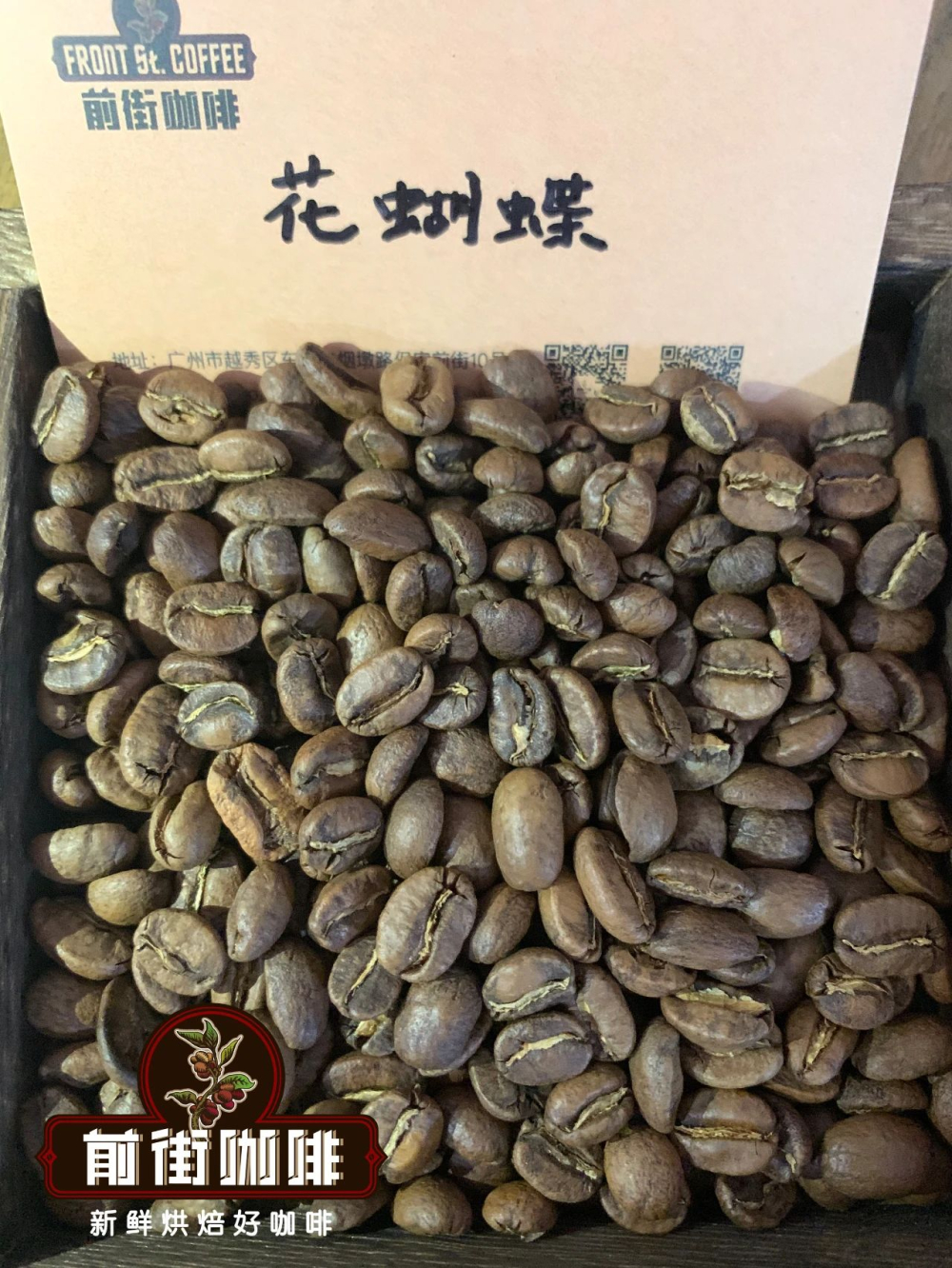
The Unique Three-Variety Blend
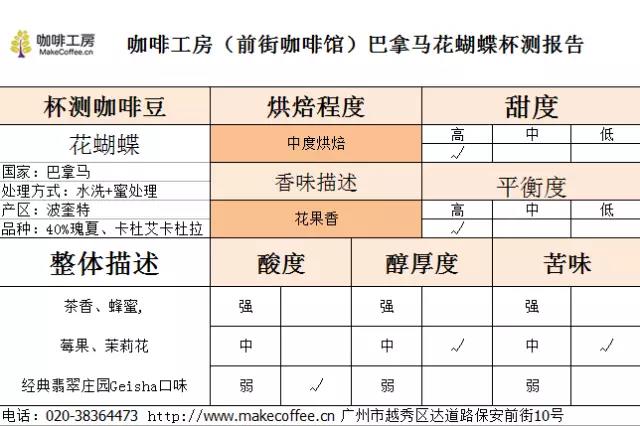
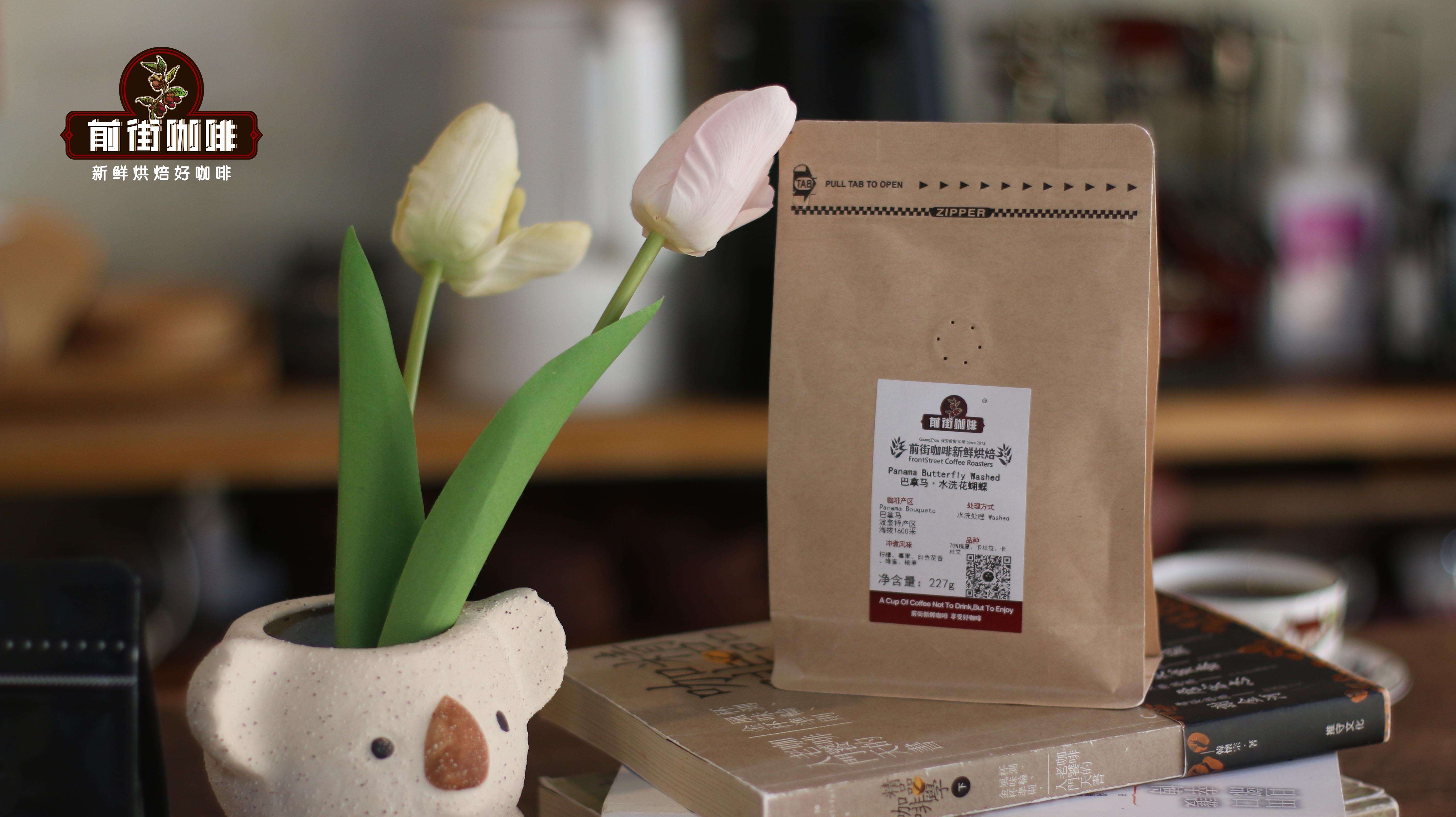
This blend consists of 50% Geisha lineage along with Caturra and Catuai varieties; though it is a blend, it retains the pure single-origin character of the region. The Geisha variety contributes its signature jasmine aroma and tea-like finish, Caturra brings bright citrus notes, and Catuai enhances the body. The fact that all three varieties are grown at the same altitude on the same hillside ensures a harmonious and unified flavor.
The Fine Details of Washed Processing
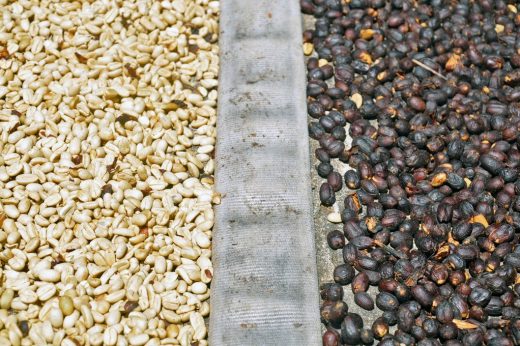
Using Panama's traditional washed process, the green bean moisture content is strictly controlled at 9.9%. The mill removes defective beans through three rounds of water flotation, fermentation is precisely timed to 36 hours, and the beans are then dried under shade canopies for 21 days. This processing method preserves the fresh character of the Geisha variety while precise dehydration makes the acidity softer.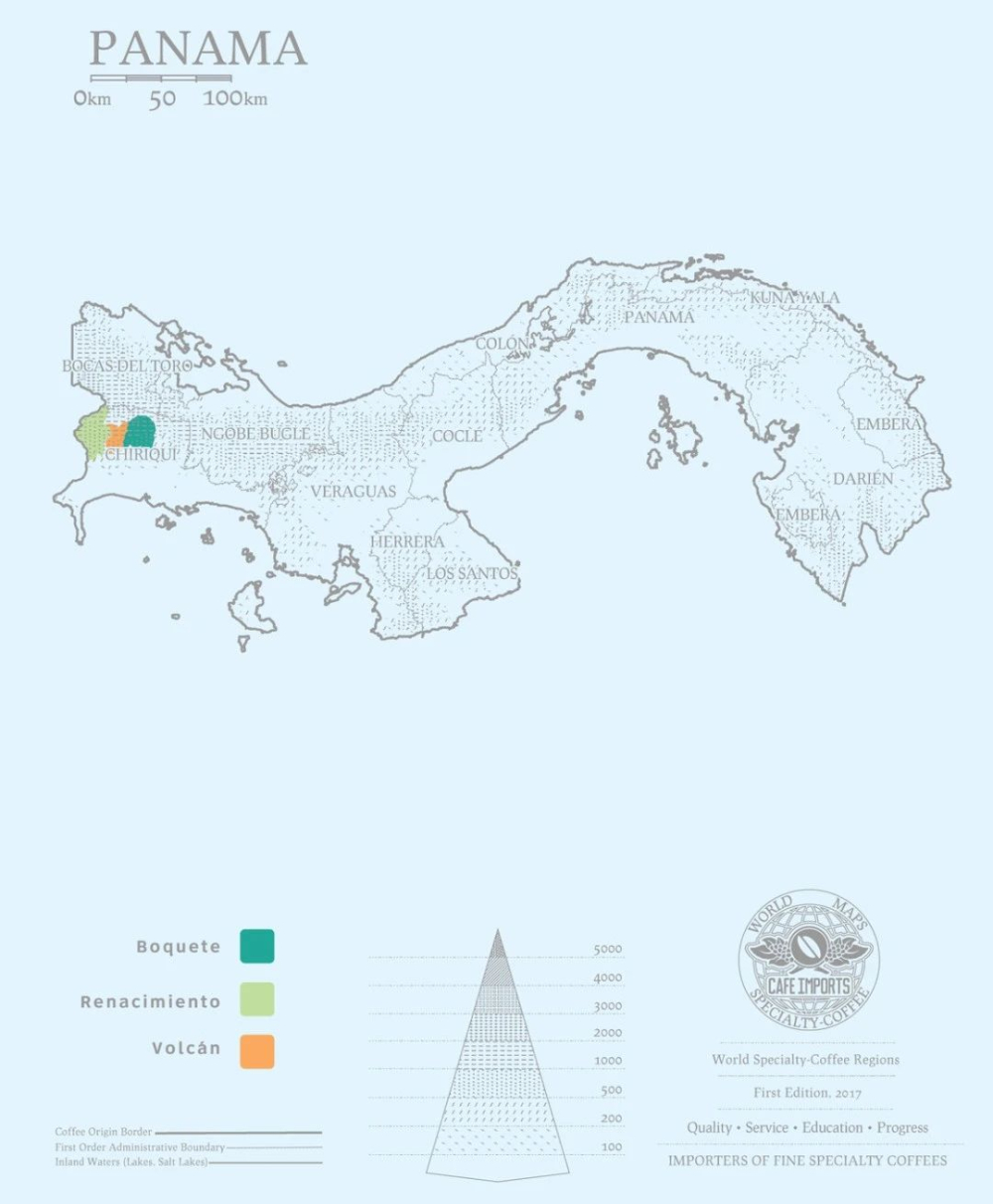
Decoding the Flavor Wheel
When brewed, it presents clear main notes of peach, honey and green tea, with white grape and caramel aromas emerging in the mid-palate and a mineral sensation of high-mountain red tea in the finish. Cupping shows an acidity pH of 5.8, medium-high body, and a sweetness index reaching the industry standard's excellent level. Special note: the optimal flavor window is 7-21 days after roasting.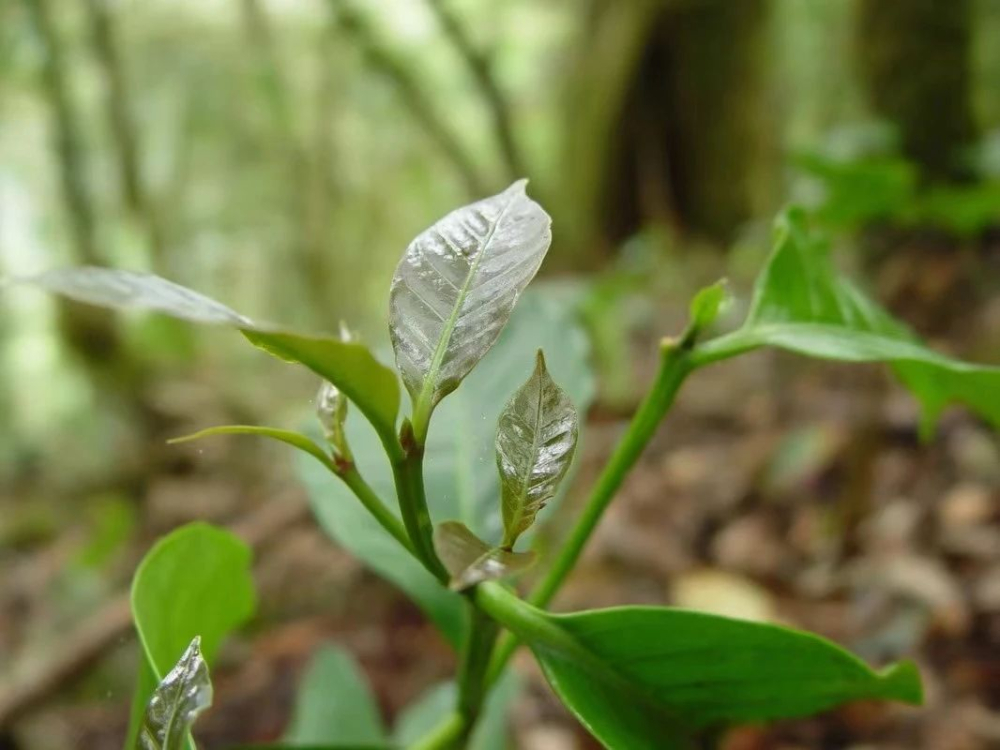
The Scientific Design of the Roast Curve
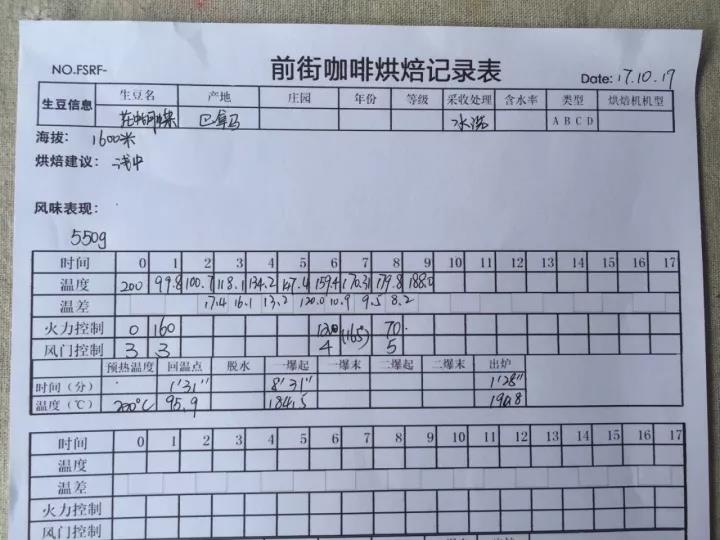
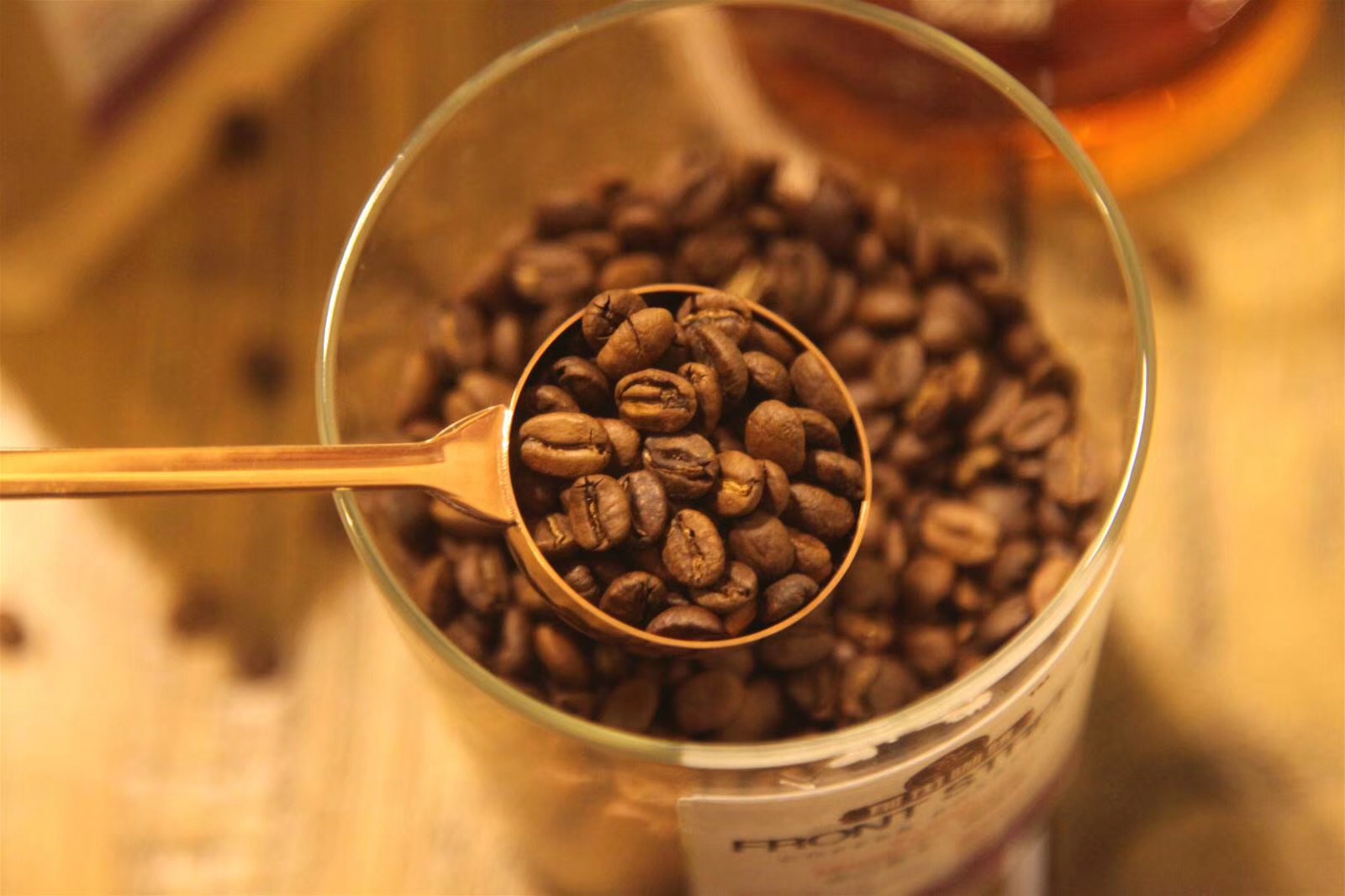
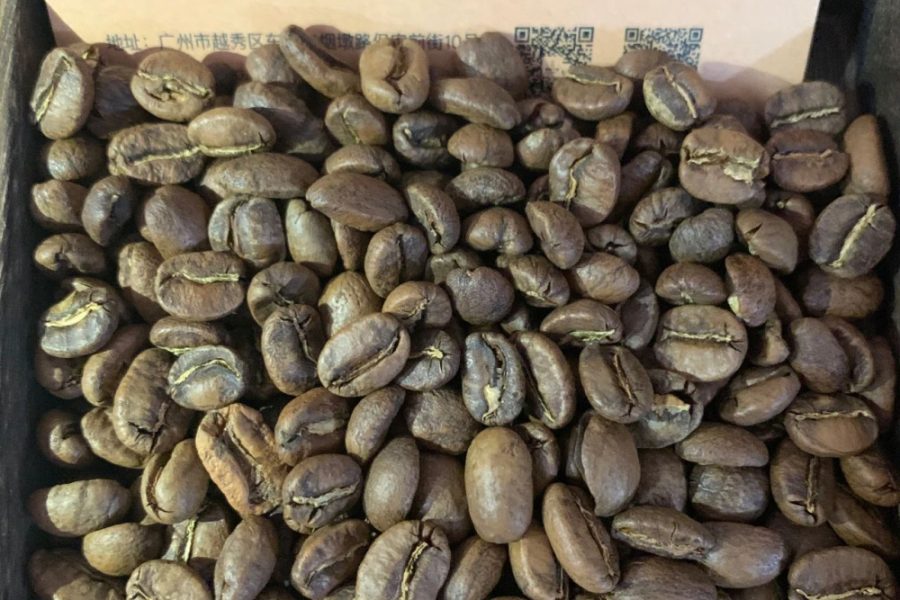
A medium-light roast is used (Agtron color value #65), with key control on the timing of the dense first crack point at 184.5°C ± 0.5°C. It is recommended to charge the roaster at 200°C, maintain high heat (80% power) during the drying phase, and adjust the damper to 40% after the yellowing point to preserve aromatic compounds. Special note: this bean has a density index of 0.78 g/cm³ and requires a development period 30 seconds longer than regular beans.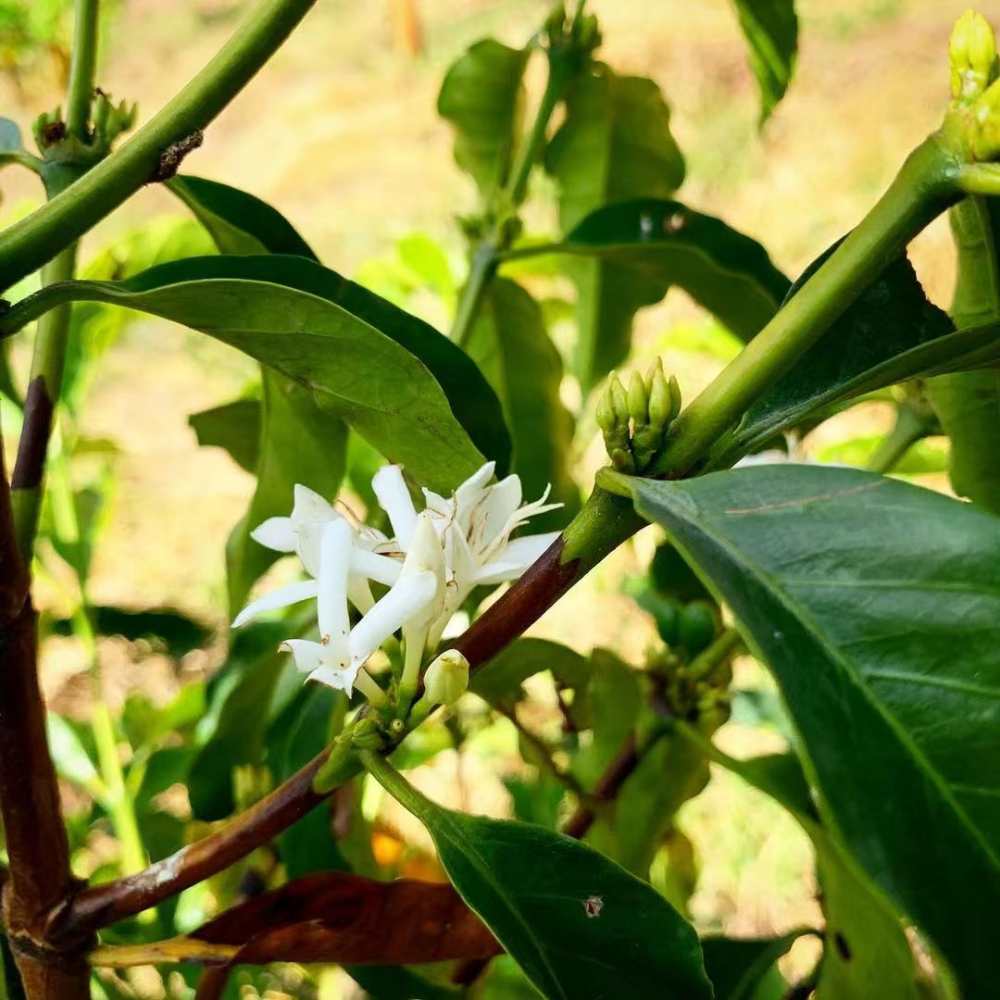
Pour-Over Practical Parameters Manual
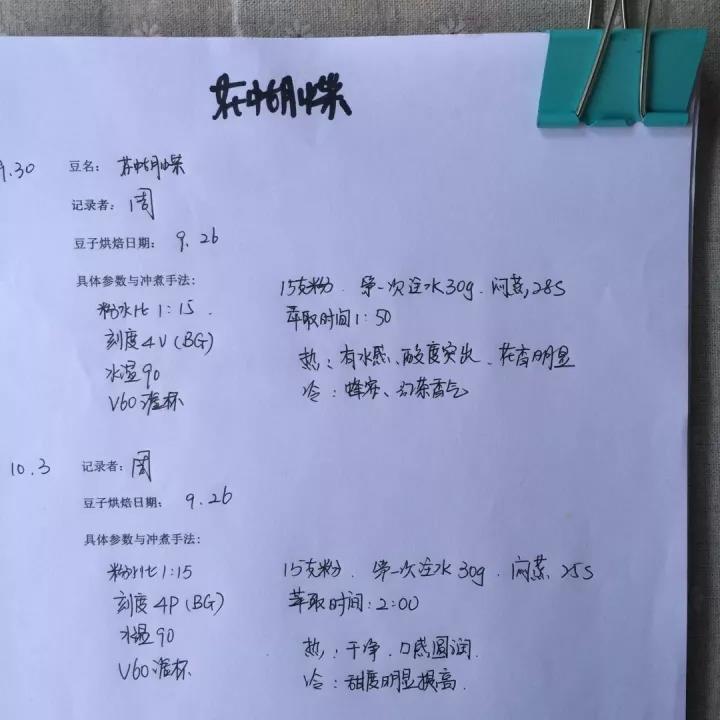
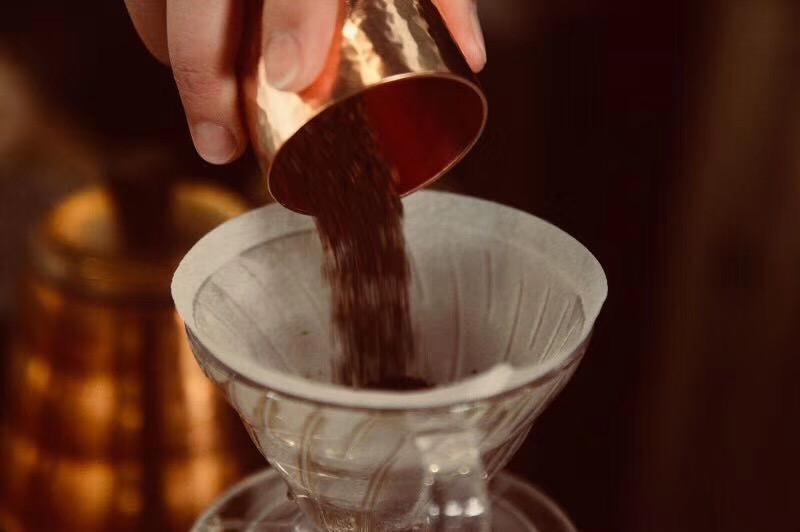
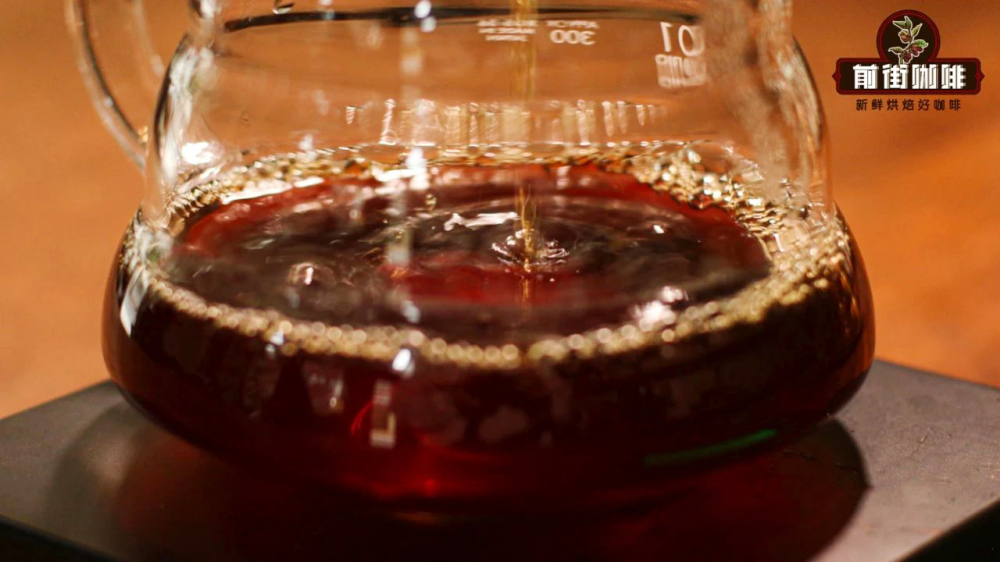
A V60 dripper is recommended (#10 setting), with 15 grams of coffee to 89-90°C water at a 1:15 coffee-to-water ratio. Pour in three stages: the first stage uses 30 grams of water for a 30-second bloom; in the second stage, pour until 110 grams then stop; when the liquid level drops to two-thirds of the coffee bed, continue pouring to a total of 225 grams. Keep the entire process to a 2-minute extraction; the final 5 grams of flow can be discarded to ensure cleanliness.
Avoiding Common Problems
Avoid water with hardness above 150 ppm; filtered water or mineral water is recommended (TDS 70-120). Grind size should be adjusted to the brewing device: use a medium-fine grind for V60 (similar to fine sugar), and switch to a medium-coarse grind for a French press. A common beginner mistake is pouring too fast, which causes uneven extraction; this can be improved by practicing staged pouring.
The Secret of a Great Value Choice
As a high-value bean from the Boquete region, it has a Geisha content of 40-70% yet maintains an affordable price. Compared with a single Geisha variety, this blending approach lowers costs while achieving a more balanced flavor structure through the varieties complementing each other. It is recommended to store it in an aluminum foil bag with a one-way degassing valve; kept away from light, the flavor can be preserved for up to 6 months.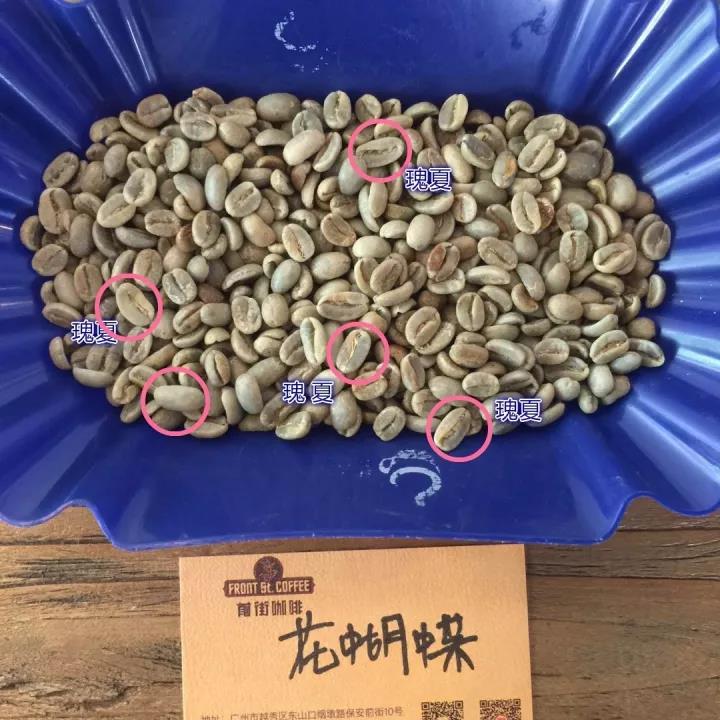
Multi-Scenario Adaptation Options
Besides standard pour-over, you can also try cold brew: coarse grind at a 1:8 ratio, soaked in cold water for 14 hours. When brewing with a siphon, extend the bloom time to 45 seconds to fully bring out the honey sweetness. For ice drip, a 1:12 coffee-to-water ratio is recommended, with the drip rate controlled at 1 drop per second for the best flavor layers.