How to Choose Brazilian Specialty Coffee: Yellow Bourbon Natural Guide
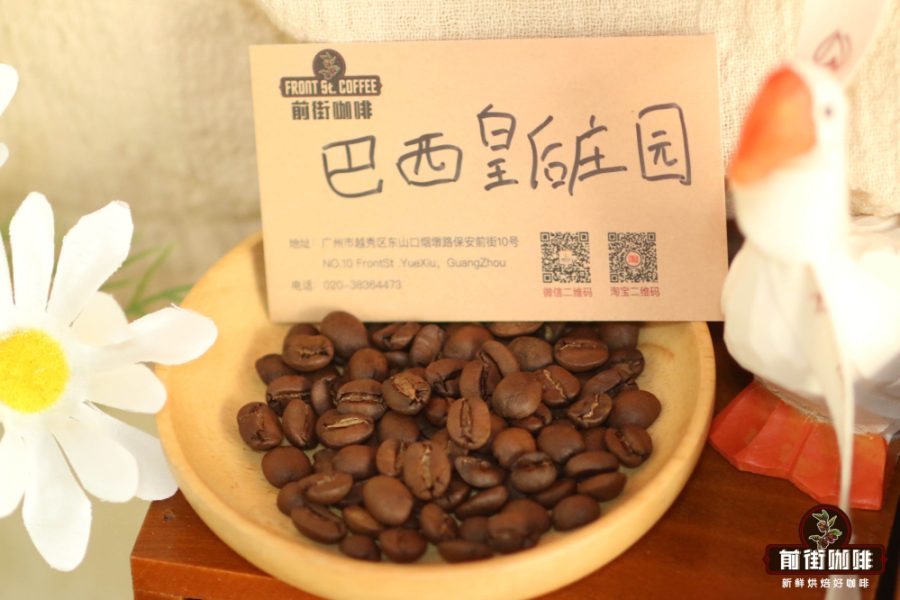
Introduction: Brazil is the world's largest coffee producer, but its coffee is often considered to have a one-dimensional flavor and low acidity. In fact, Brazil also has many high-quality specialty coffees, especially the Yellow Bourbon variety from high-altitude regions, which, through natural processing, displays rich sweetness and nutty-chocolate notes. This article introduces in detail the representative varieties of Brazilian specialty coffee, quality-producing regions, and how to brew the best flavor, helping coffee lovers find the beans they love.
When people mention Brazilian coffee, many first think of low acidity, full body, and nutty and chocolate flavors; these beans are often used in espresso blends. This is mainly because most Brazilian coffee is grown in low-altitude, flat areas, using large-scale planting and harvesting methods, with relatively uniform microclimate conditions. However, Brazil also has many specialty coffee-producing regions, especially the Mogiana region at higher altitudes, where the coffee has more complex flavors and excellent quality.

In the specialty coffee world, Yellow Bourbon is a highly regarded variety. It is a mutation of traditional Bourbon coffee; unlike the common Red Bourbon, Yellow Bourbon's coffee cherries turn bright orange-yellow rather than red when ripe. This color difference comes from a recessive trait in its genetics, which makes the fruit higher in fructose, resulting in a sweeter, juicier flavor profile.

High-quality Brazilian specialty coffee usually comes from growing areas above 1,400 meters, such as the Mogiana Region. This region is near southern Minas Gerais, with mostly hilly terrain and an altitude range of about 1,100 to 1,950 meters, higher than most Brazilian producing regions. High altitude brings greater temperature differences between day and night, which not only slows the ripening of coffee cherries but also prompts the beans to accumulate more flavor compounds, ultimately producing a richer, fuller mouthfeel.

In terms of processing methods, some Brazilian specialty coffee farms have begun using more refined natural processing rather than traditional large-scale, rough drying. Taking some well-known farms as examples, during picking they first remove unripe or overripe cherries through flotation, then place the selected cherries on raised drying beds for slow drying. This method not only avoids the earthy taste from direct contact with the ground but also allows the coffee cherries to be heated evenly, better preserving the natural sugars in the pulp and thereby enhancing sweetness and complexity.

In terms of roasting, to highlight the low acidity and full body characteristic of Brazilian coffee, many roasters choose medium-dark roasts. This roast level can bring out the caramelization reactions inside the beans, enhancing the layers of dark chocolate, nutty, and creamy flavors while avoiding the smoky or burnt-bitter notes caused by over-development. After such roasting, the brewed coffee often shows a balanced structure of sweetness, acidity, and bitterness, with a round and smooth mouthfeel.

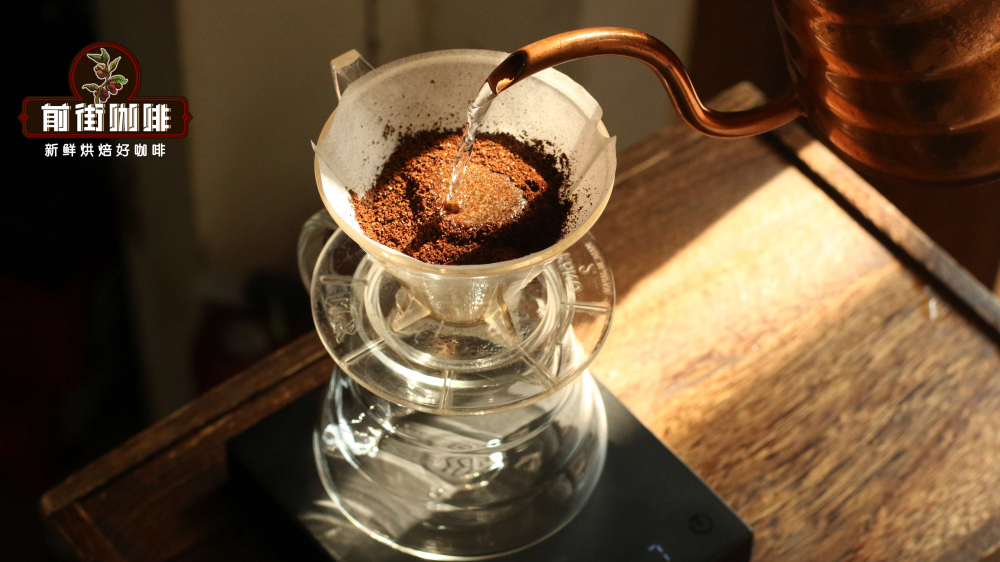
For home brewing, to fully bring out the flavor of Brazilian Yellow Bourbon coffee, it is recommended to use medium-dark roasted beans and appropriate brewing parameters. For example, use a KONO dripper with a water temperature of 87–88°C, a coffee-to-water ratio of 1:15, and a medium grind (similar to about 70% passing through a Chinese standard No. 20 sieve). This can effectively control the extraction rate, avoid over-extraction that leads to bitterness, and bring out the coffee's nutty, caramel, and dark chocolate flavors.

For the specific brewing steps, first use a small amount of hot water (about twice the weight of the coffee grounds) for a 30-second bloom to awaken the coffee grounds. Then pour in a slow, small stream in circles from the inside out; when the water reaches 125 g, make the first pour; when the water level drops to the middle of the dripper, continue pouring the second stage to 225 g. The whole process lasts about 2 minutes. This three-stage pouring method helps achieve even extraction and improves the overall layering of the coffee.
It should be noted that coffee beans are usually at their best flavor period within 4 to 7 days after roasting is completed. As time passes, the coffee's aroma gradually fades, and woody off-flavors may even appear. Therefore, choosing freshly roasted coffee beans is especially important; it is recommended to buy products with a roast date within 5 days to ensure the best drinking experience.

Overall, Brazil not only has commercial, mass-market coffee beans; its specialty coffee also has a unique appeal. By choosing the Yellow Bourbon variety from high-altitude regions, paired with careful natural processing and reasonable roasting and brewing methods, you can fully enjoy a cup of Brazilian specialty pour-over coffee at home with rich flavor and outstanding sweetness.


