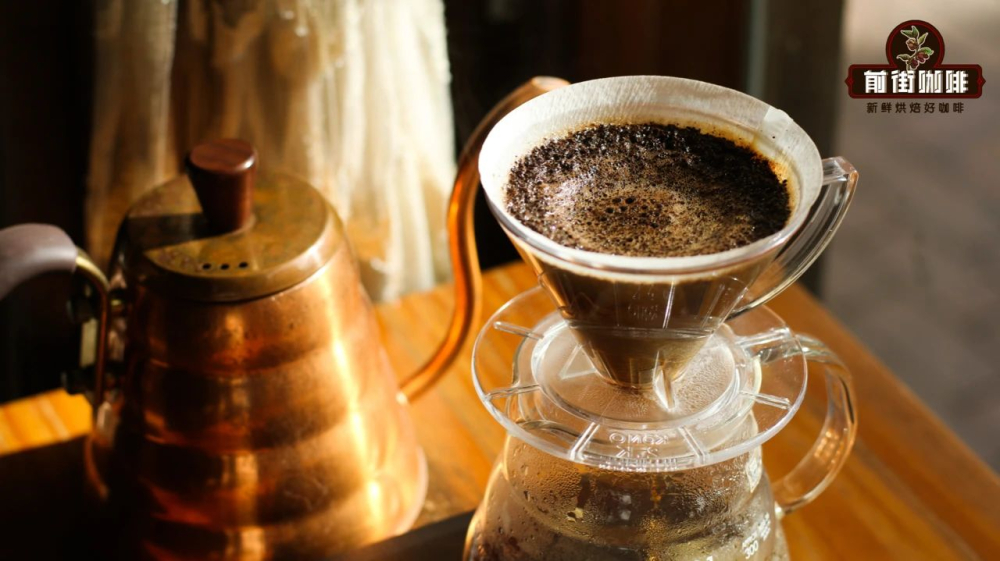
Coffee roast levels explained: flavor differences and brewing guide from light to dark
Introduction: A deep dive into the three core stages of coffee roasting—light, medium and dark—covering their flavor characteristics, development timing and scientific principles. By comparing the effects of the Maillard reaction and caramelization on flavor, along with pour-over parameters and flavor descriptions, this guide helps you precisely master extraction techniques for different roast levels and find beans suited to your taste.
Coffee roasting is the key step that determines a coffee's final flavor, much like heat control in cooking, directly shaping how flavors come through. From green bean to cup, the chemical reactions during roasting create the coffee's aroma, its balance of acidity, sweetness and bitterness, and its mouthfeel.
[Why do coffee beans need to be roasted?]
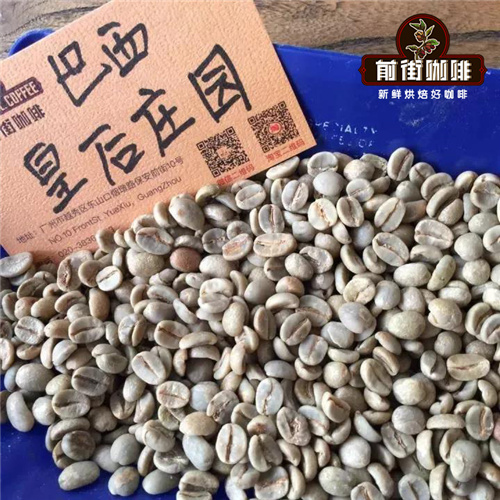
Even after processing by washing, sun-drying and other methods, green coffee beans still need high-temperature roasting to unlock their internal flavor compounds. Roasting drives the Maillard reaction (sugars reacting with amino acids at 150-200°C) and caramelization (sugars dehydrating and browning at 170-200°C), producing hundreds of flavor compounds that lay the foundation of coffee's acidity, sweetness and bitterness. Data shows that the green bean itself contributes 60% of the flavor potential, roasting accounts for 30%, and extraction affects only 10%, showing how important roasting is.
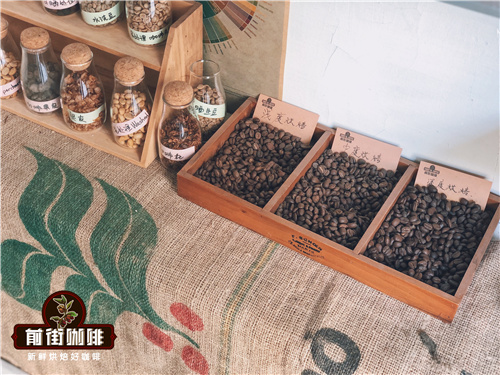
[Comparison of the three main roast levels]
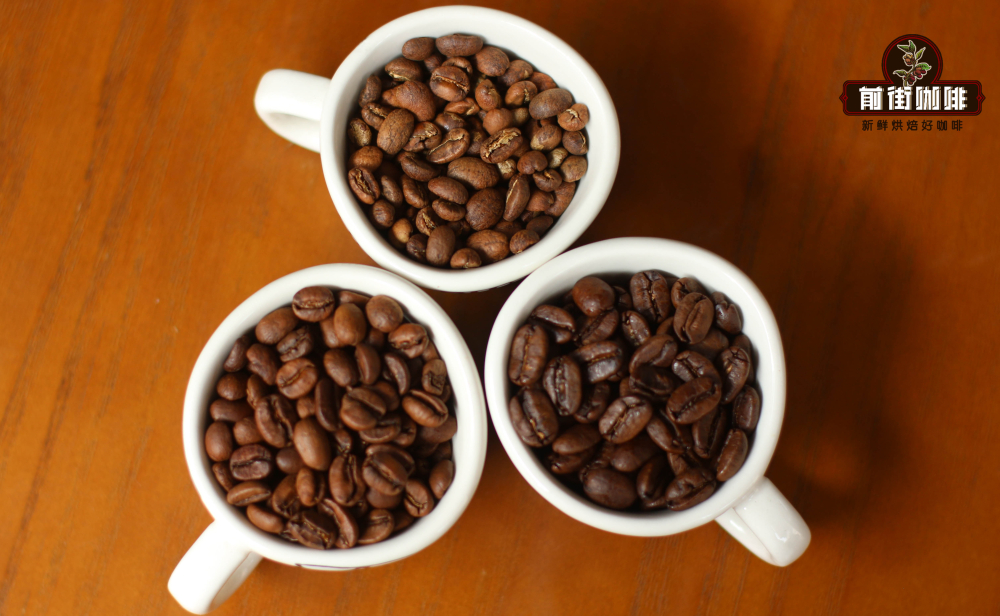
The light, medium and dark roasts commonly seen on the market each have their own character:
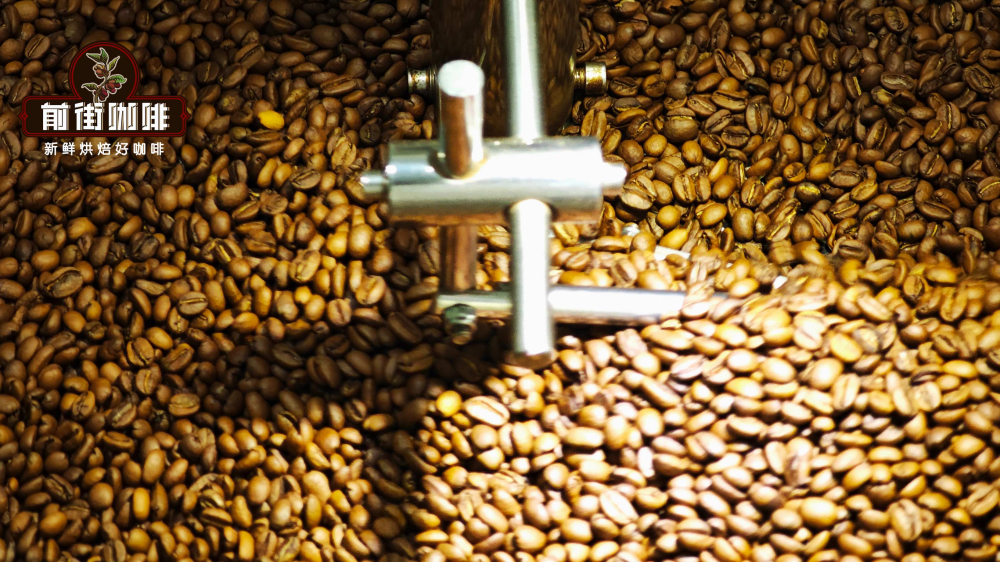
• Light roast (ends before the dense stage of first crack): retains floral and fruity acidity, with bright acidity, common in high-altitude beans such as those from Ethiopia. Flavor keywords: citrus, berries, honey.
• Medium roast (about 30 seconds of development after first crack): balances acidity and sweetness with nutty notes, with caramel and cocoa aromas standing out. Suited to neutral regions such as Brazil and Colombia.
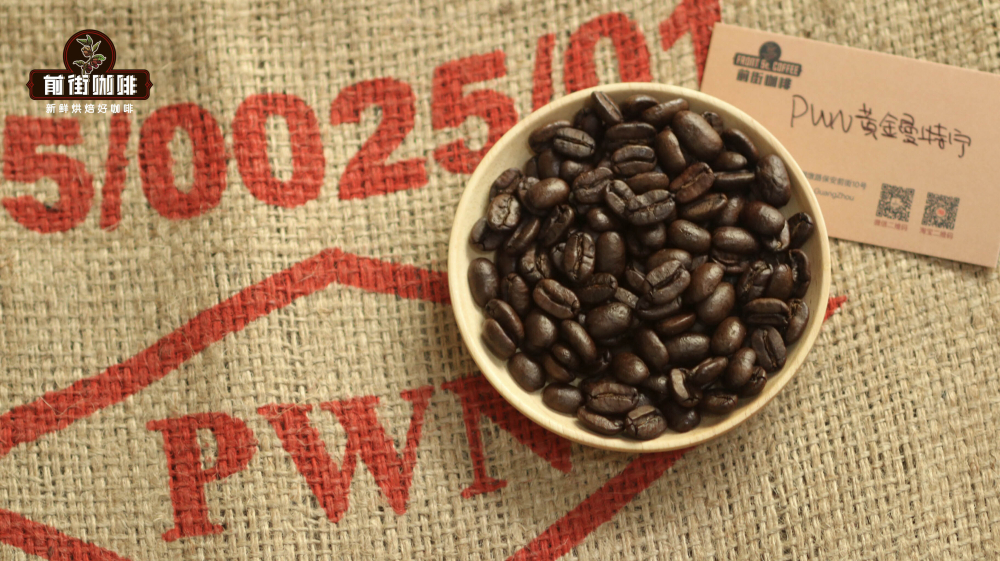
• Dark roast (start of second crack): pronounced bitterness, intense caramel aroma, with chocolate and woody notes. Varieties such as Indonesian Mandheling often use this roast level.
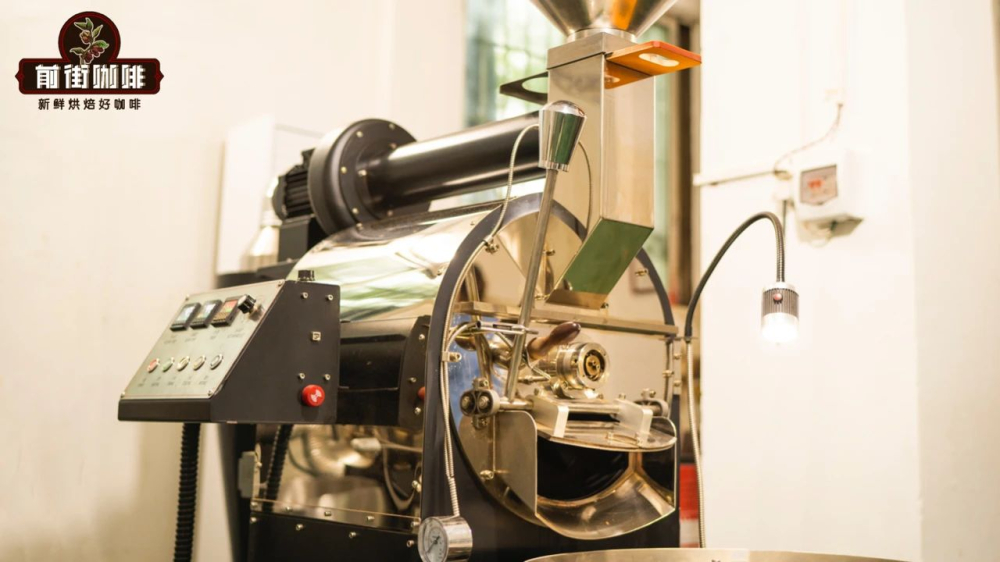
[Key milestones in roast development]
Roasters judge the stage of development by monitoring "first crack" (the cracking sound produced as moisture inside the beans evaporates). The early stage of first crack (around 195-205°C) suits light-to-medium roasts, when the beans expand and release carbon dioxide; 30-45 seconds of development after the dense phase of first crack leads to medium-dark roast, and at 210-220°C the flavor becomes heavier.
[Practical guide to light roast]
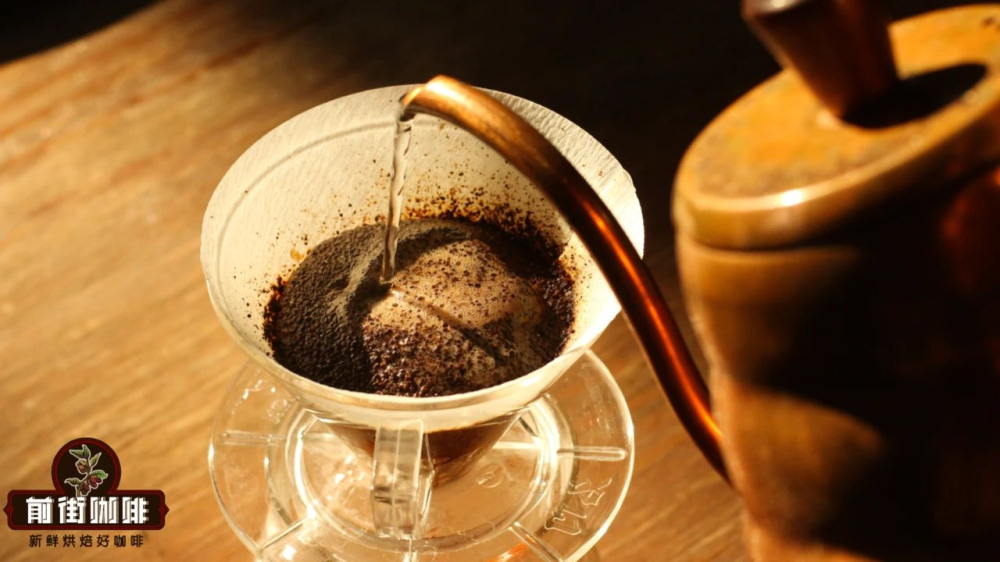
Take high-altitude Yirgacheffe beans as an example; their natural processing reinforces floral and fruity notes. Pour-over recommendations:
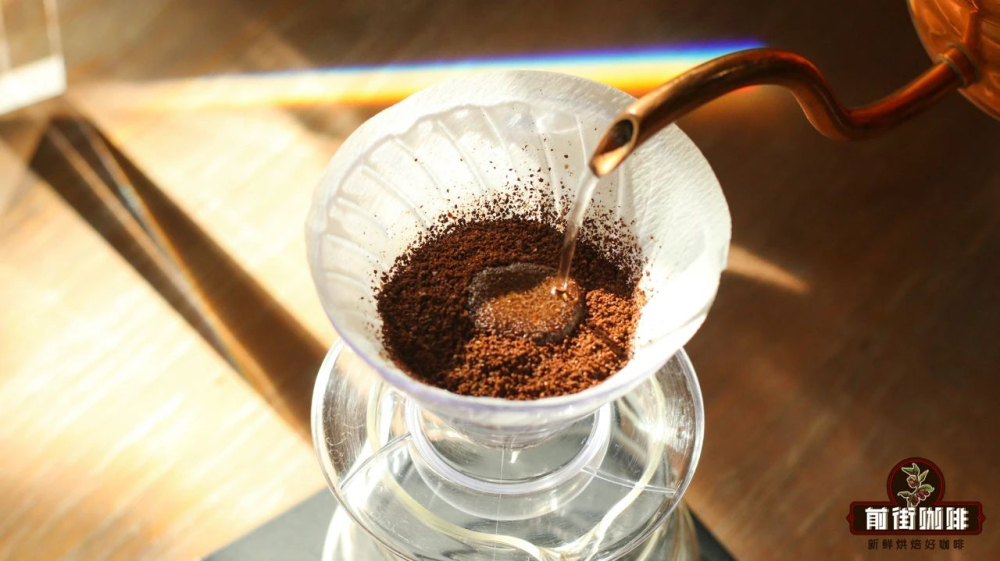
• Dripper: V60 (good airflow, highlights acidity)
• Water temperature: 90±1°C (high temperature extracts acidic and aromatic compounds)
• Grind: medium-fine (China standard 6S, similar to granulated sugar)
• Parameters: 15g coffee + 225ml water, ratio 1:15
• Steps: bloom with 30g water for 30 seconds → pour in stages to 125g → continue pouring to 225g → total time 2 minutes. Typical flavors: citrus juice-like character, creamy sweetness, bright acidity.
[Medium roast matching plan]
For balanced beans such as Brazilian yellow bourbon natural, adjust the parameters:
• Dripper: Kono (rib design extends extraction time)
• Water temperature: 88±1°C (avoid over-extraction from high heat)
• Grind: medium-coarse (China standard 6W, close to sea salt grains)
• Notes: watch the flow rate to prevent fines from clogging the dripper. Flavor profile: nutty base, dark chocolate finish, round body.
[Key points for dark roast]
When working with Golden Mandheling from Sumatra's wet-hulling process:
• Must use a medium-coarse grind (to avoid over-extracting bitterness)
• Keep water temperature below 88°C (to suppress the release of burnt-bitter compounds)
• Maintain a steady flow when pouring in stages to ensure the 225g of water is added evenly. Typical flavors: woody incense, caramel-malt sweetness, lasting finish.
[Professional further knowledge]
The internationally used roast classification includes 8 levels (from extremely light to extremely dark), but in daily use mainly the first three apply. Common beginner mistakes include: mistaking the start of first crack for the end of roasting (development time should actually be adjusted according to bean character), and ignoring the effect of altitude on roasting parameters (high-altitude beans need longer development time).