Panama Hacienda La Esmeralda Diamond Mountain Coffee: Variety Grades, Natural Process & Brew Guide

Introduction: This article provides an in-depth analysis of the variety background, growing environment, and processing techniques of the Diamond Mountain series coffee beans under Panama's Hacienda La Esmeralda, comparing the characteristics of Caturra and Catuai varieties with Geisha. It details the natural processing technology in the 1,400–1,700 meter altitude production area, from green bean characteristics to cupping flavor layers, and offers professional roasting curves and V60 dripper brewing parameters to help you precisely grasp the unique charm of this eco-friendly certified coffee.
As a benchmark in the global specialty coffee sector, Panama's Hacienda La Esmeralda has long been renowned for its Geisha variety. But less known is that the estate has independently graded the Caturra and Catuai varieties also grown in the Boquete production area, distinguishing them under two sub-brands: Diamond Mountain and Palmira. This article focuses on the natural-process Caturra coffee beans of the Diamond Mountain series, taking you to explore its terroir expression, which is entirely different from Geisha.
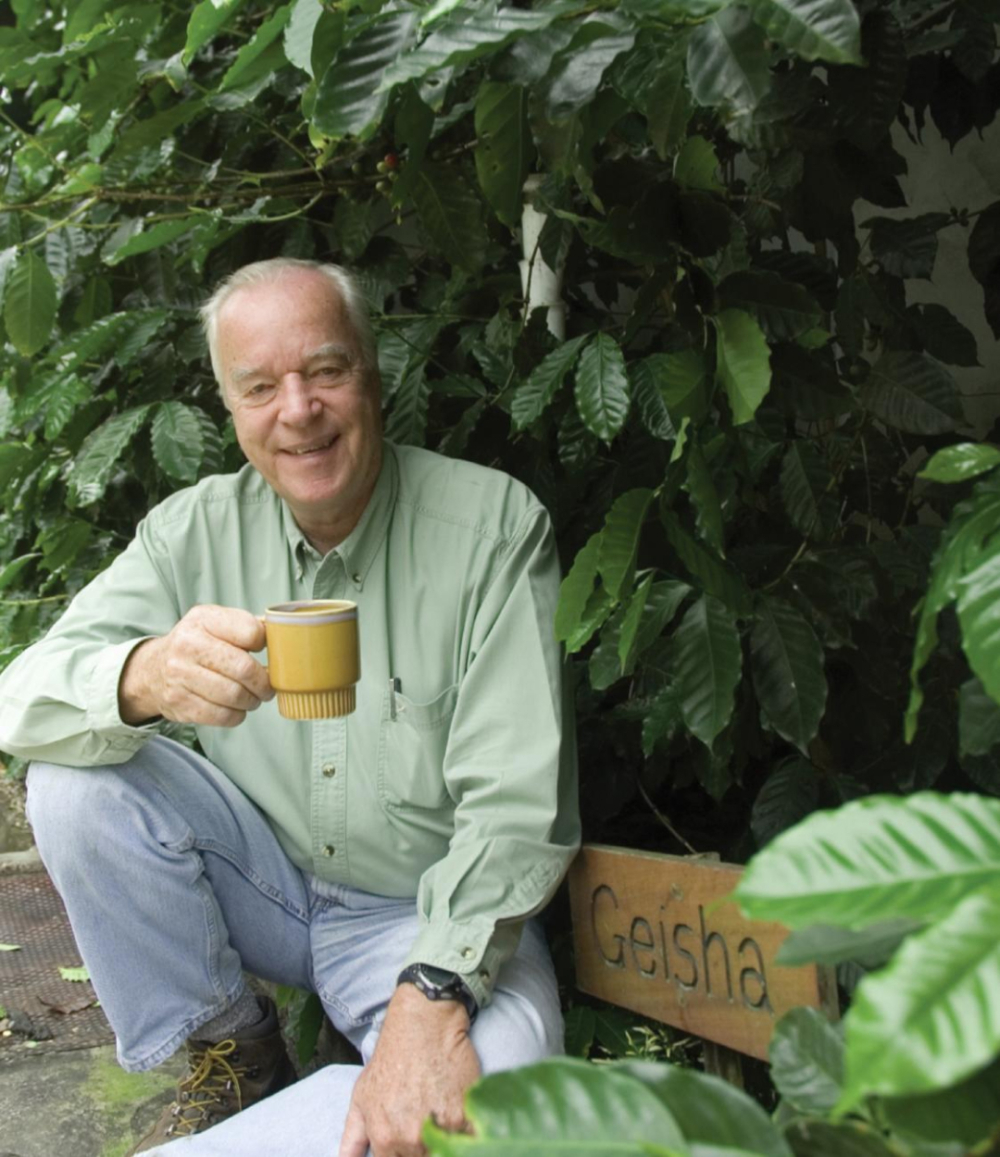
The history of Hacienda La Esmeralda can be traced back to 1964, but the turning point that truly established its industry position occurred in 2004—when Geisha coffee trees originally used as windbreaks won the Best of Panama competition due to the accidental discovery of their floral aroma. In comparison, Caturra and Catuai, as the estate's base varieties, though not receiving competition-level glory, have won the favor of seasoned coffee enthusiasts with their stable quality and unique processing methods.
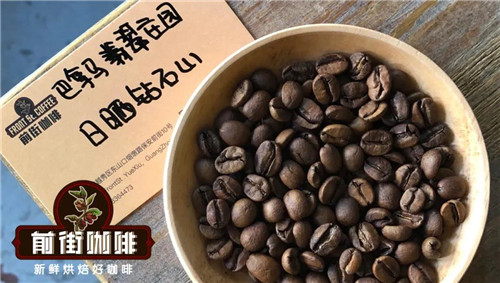
The Diamond Mountain series coffee beans are grown on two core farms in the Boquete production area: Jaramillo and Canas Verdes, at altitudes ranging from 1,400 to 1,700 meters. Jaramillo receives an average annual rainfall of 4,000 mm, with daytime temperatures of 19–25°C and nighttime temperatures of 11–15°C; Canas Verdes has an annual rainfall of 3,500 ml and a more pronounced diurnal temperature difference (daytime 16–23°C / nighttime 10–15°C). These two microclimates together give the coffee cherries a full sweet base and complex flavor layers.
The Diamond Mountain brand coffee beans are processed using the natural method, and the process details are noteworthy: after harvesting, the coffee cherries are first dried on concrete platforms for 3–5 days (8 hours of sunlight per day), then transferred to a Guardiola dryer for 72 hours of rotation after the moisture content initially drops, and finally the mucilage layer is removed mechanically. This processing method allows the beans to fully absorb the sugars from the fruit pulp, forming the signature tropical fruit profile.
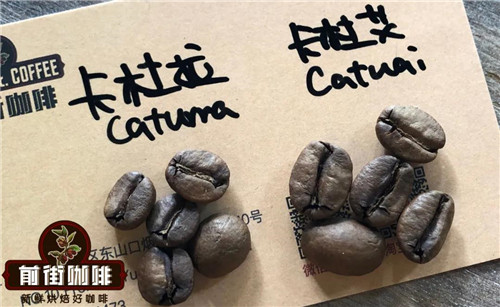
From the perspective of variety characteristics, Caturra, as a Bourbon mutation, inherits the advantage of adaptability to high altitudes of 1,700 meters—the higher the altitude, the brighter the acidity, but the yield decreases accordingly. Its plants are shorter (facilitating harvesting) and have strong disease resistance, and the beans show the typical slender and curved shape. Catuai, on the other hand, is a cross between Yellow Caturra and Mundo Novo, with stronger resistance to wind and rain but susceptibility to leaf rust; its beans are flat and oval with elongated tips.
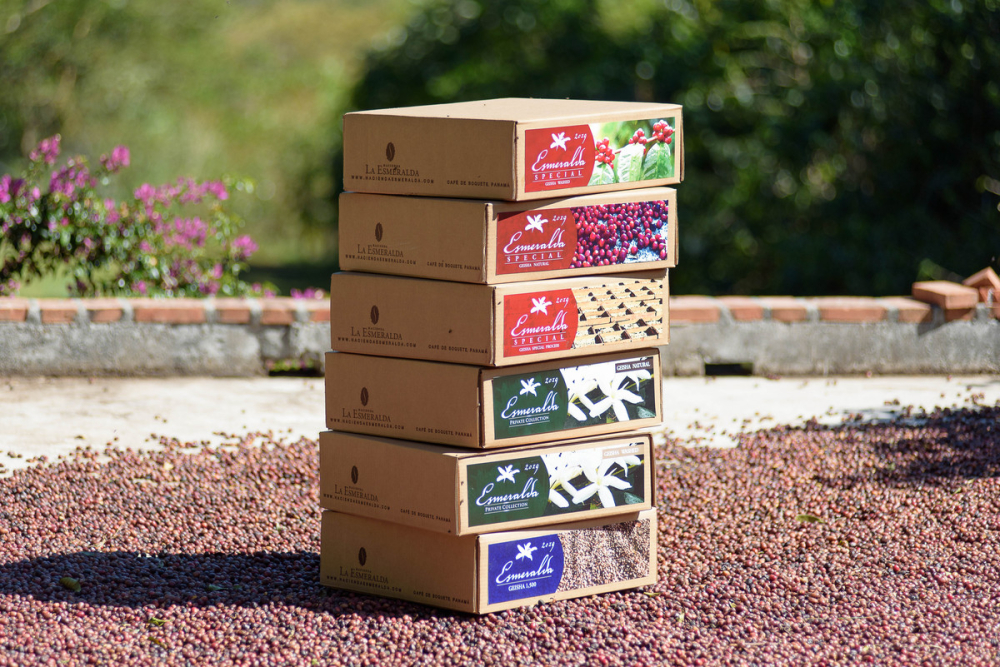
Eco-friendly and Rainforest Alliance Certified are important labels of the Diamond Mountain series. The certification standards strictly limit pesticide use and conduct regular assessments of waste management and biodiversity protection. These measures not only reduce the environmental impact of cultivation but also allow the coffee cherries to retain a purer natural flavor.
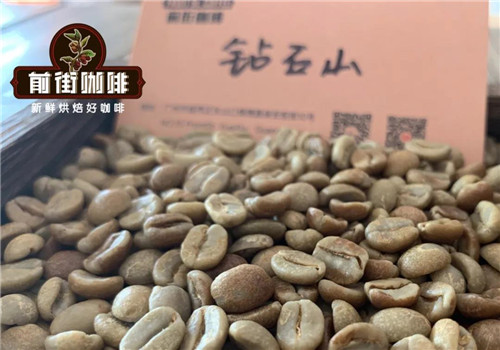
Observing the green beans: the natural-process Diamond Mountain coffee beans show a pale golden color, with noticeably more silver skin attached than washed beans. Caturra green beans have a natural curved arc at the tail, with slender and uniform grains; Catuai, due to varietal characteristics, presents a flat oval shape with elongated ends. These appearance differences can serve as a reference for preliminary quality judgment.

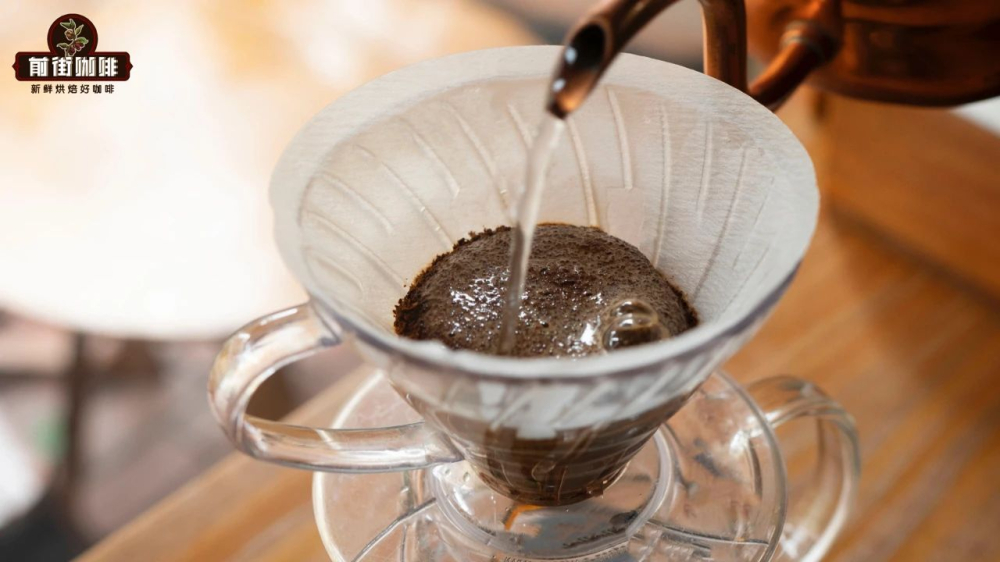
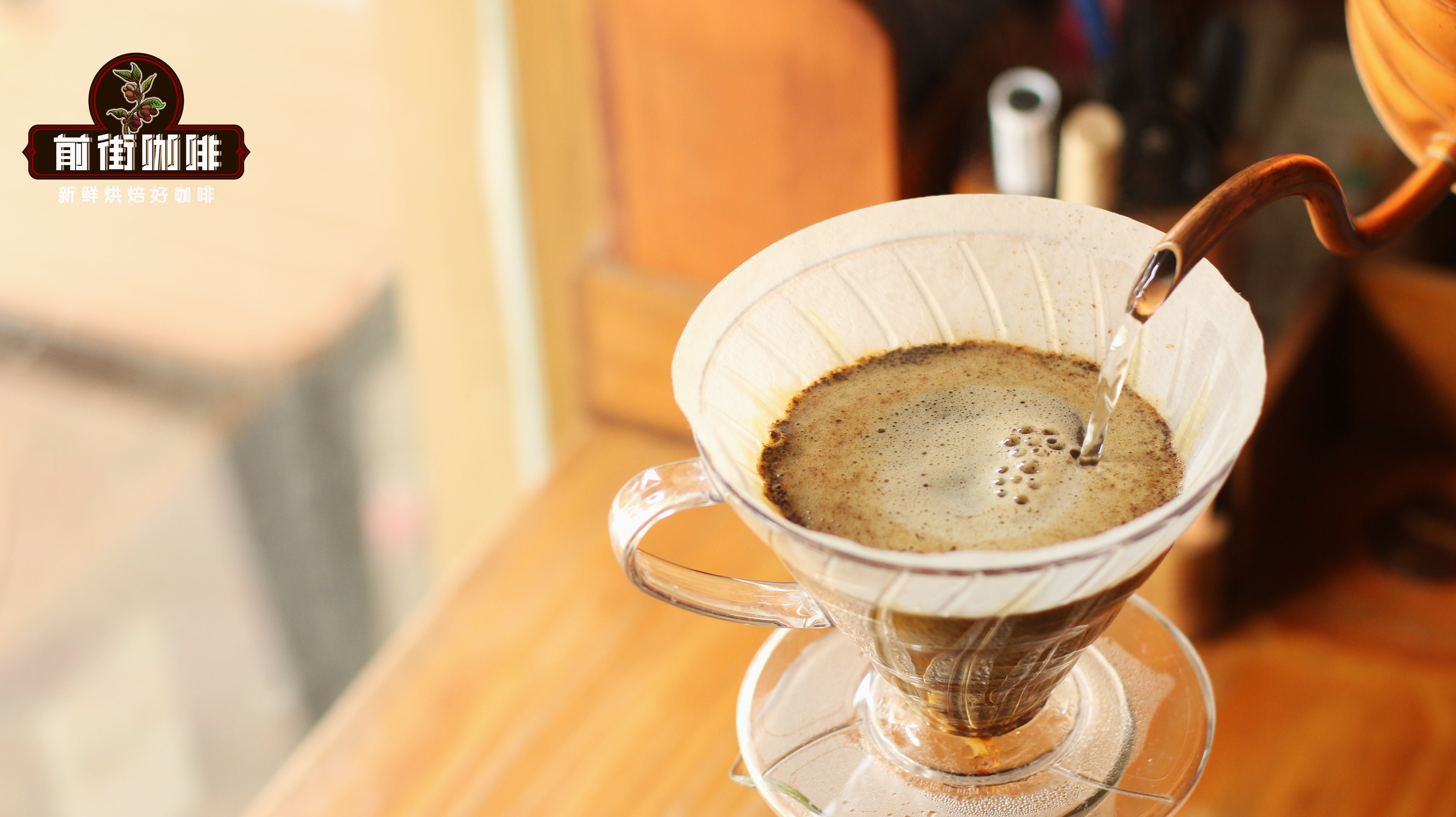
Given the characteristics of this natural-process bean, it is recommended to use a V60#01 dripper with a three-stage extraction. The 60-degree cone design of the dripper guides the water flow to converge toward the center, and with the large bottom hole and spiral grooves, it can both control the extraction speed and extend the contact time between water and coffee grounds to fully release the flavors. Specific parameters suggested: water temperature 90–91°C, coffee-to-water ratio 1:15, medium-fine grind (80% passing a Chinese standard No. 20 sieve).
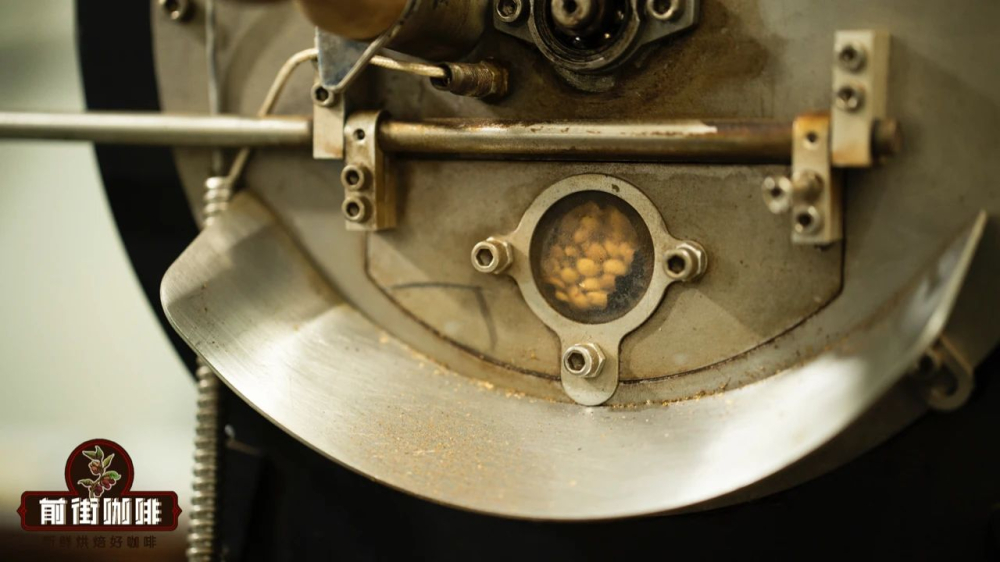
Step-by-step practical steps: First, bloom with 30 grams of water for 30 seconds to activate the coffee grounds; then, pour in a small stream in a circular motion until 125 grams for the first stage, and when the water level drops to the surface of the coffee bed, continue pouring to 225 grams to end the extraction. The whole process takes about 2 minutes, with focus on observing the start time of first crack (about 10 minutes 48 seconds) and the aroma changes during the development stage. With these parameters, the balance between citrus acidity and honey sweetness can be highlighted, with a soft cocoa finish in the aftertaste.
In terms of cupping performance, distinct citrus and berry notes can be captured in the dry aroma stage, while the wet aroma focuses more on the freshness of citrus fruits. Upon tasting, the layers are clear: the initial stage is bright citrus acidity, the middle stage transitions to honey sweetness and roasted nut flavors, and the later stage reveals a slight fermented wine aroma and dark chocolate finish. The overall mouthfeel is clean and smooth, with excellent balance of acidity, sweetness, and bitterness, making it a high-quality choice for daily pour-over or single-origin coffee tasting.
For enthusiasts seeking flavor depth, you can try slightly adjusting the grind (5–10% finer) or increasing the water temperature to 92°C to enhance the sweetness. Be careful to avoid over-extraction leading to tannic astringency; it is recommended to control concentration stability through staged pouring. When pairing with milk, a medium-light roast version can be chosen to highlight the fusion of citrus and caramel.