Pour-Over Coffee Ratio and Golden Cup Standard: Extraction, Strength, and Avoiding Over-Extraction
Introduction: Mastering pour-over coffee hinges on balancing the brew ratio, extraction, and strength. This article explains the science behind the Golden Cup Standard, teaches you to calculate coffee extraction and strength, analyzes the golden ranges of 18-22% extraction and 1.15%-1.35% strength, and provides a practical brew ratio range of 1:12-1:15. Through pulse pouring techniques and refractometer usage steps, it helps you precisely control the extraction process, avoid the bitterness caused by over-extraction, and brew a balanced cup.
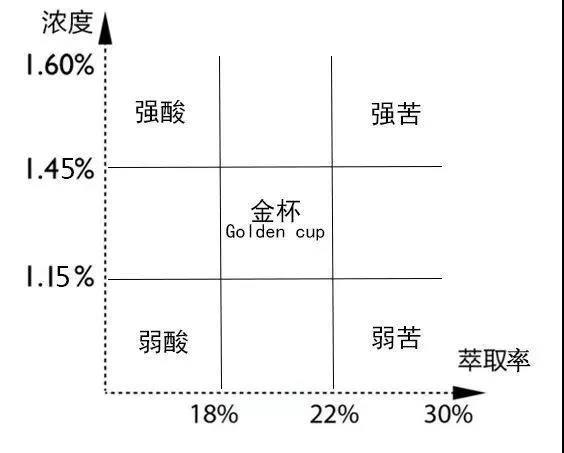
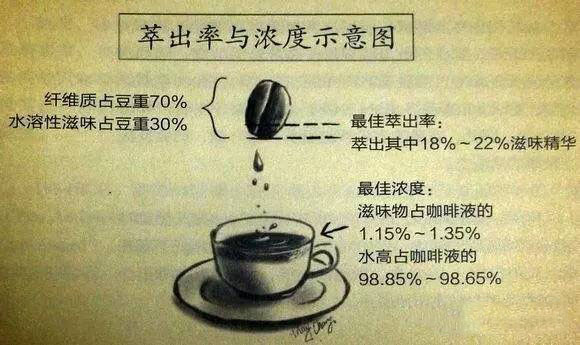
Coffee extraction rate is the core metric for measuring the efficiency of flavor release. According to the Specialty Coffee Association, the ideal extraction rate should fall in the 18% to 22% range, meaning that for every 10 grams of coffee grounds, 1.8 to 2.2 grams of soluble material should be extracted. Combined with the typical TDS strength of 1.15%-1.35% for drip coffee (the proportion of extracted substances in the entire cup), the corresponding brew ratio is recommended to be controlled between 1:12 and 1:15. In practice, professional baristas calibrate parameters with measuring tools, while home brewers can judge whether the strength is appropriate by tasting.
The Golden Cup extraction theory originated from coffee science research after World War II. In 1952, Lockhart, a chemistry PhD from MIT, was commissioned by the National Coffee Association to systematically analyze the compositional characteristics of roasted coffee beans. The research found that only 28%-30% of the substances in coffee beans are soluble in water, with the remaining 70% being insoluble fibrous material. Based on this discovery, the research team conducted blind tests with ten thousand people and ultimately determined the extraction and strength ranges preferred by Americans, forming the Golden Cup standard system that is still in use today.
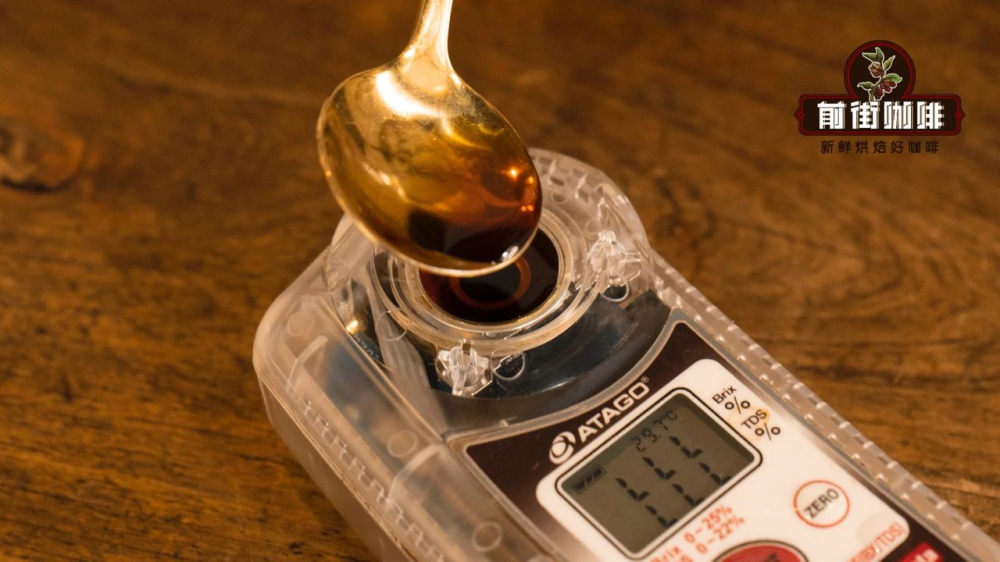
Measuring coffee strength requires professional instruments, and the procedure involves three key steps: first, calibrate the instrument's zero point with pure water; then, thoroughly stir the brewed coffee; finally, use a dropper to take an appropriate sample and drip it into the detection chamber. It is recommended to repeat the measurement three times and take the average to ensure accuracy. The extraction rate formula is: extraction rate (%) = weight of extracted substances (g) ÷ weight of coffee grounds (g). Combining the relationship between strength and liquid weight, it can also be derived as: extraction rate = (strength × coffee liquid weight) ÷ coffee grounds weight. Assuming a coffee grounds water absorption rate of 1:2, the actual liquid weight for a 225g powder-to-water ratio is about 195g.
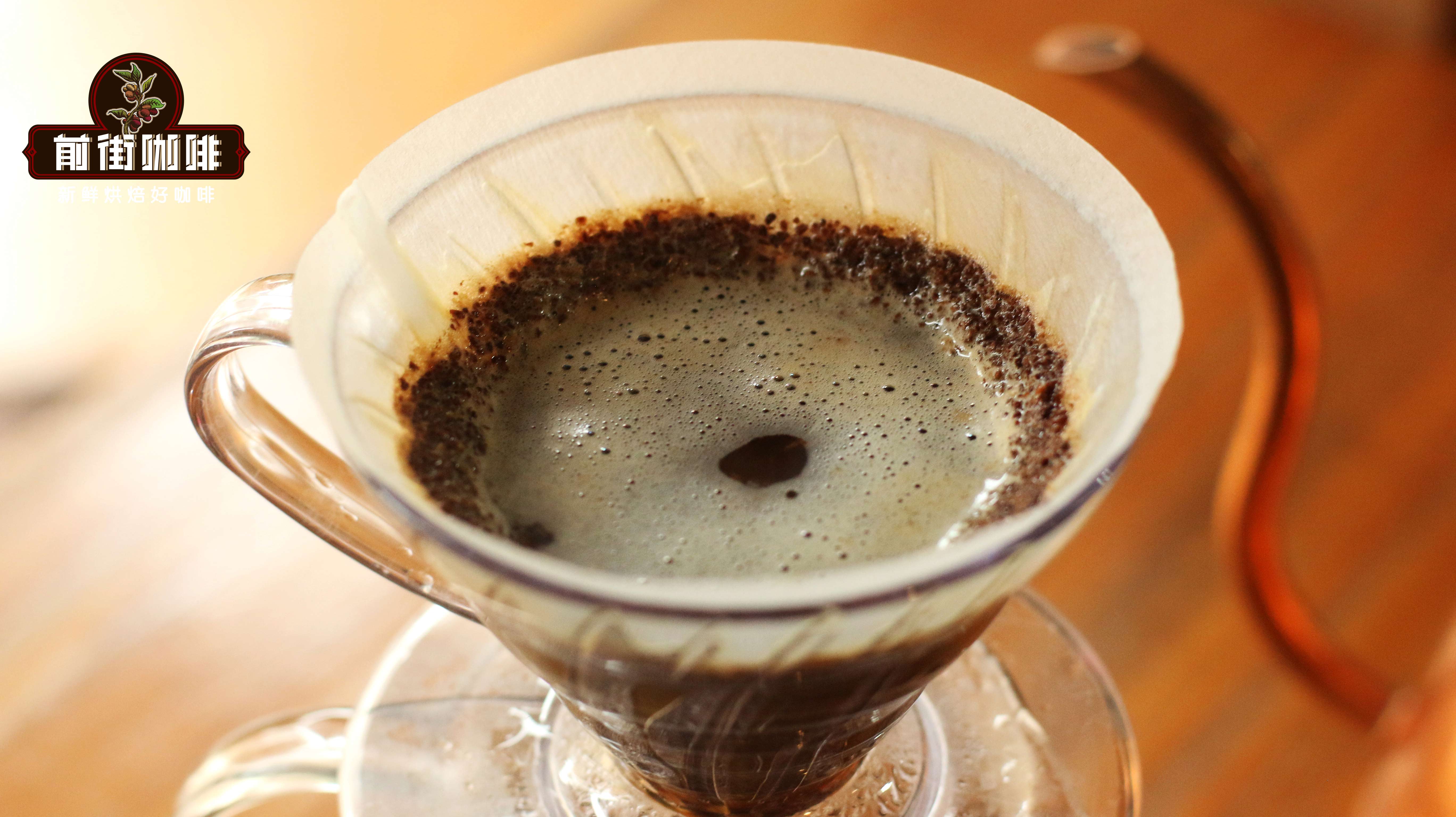
Coffee flavor expression is influenced by multiple factors, among which green bean quality contributes about 60%, roasting process accounts for 30%, and the brewing stage affects about 10%. Even so, brewing technique remains crucial—by precisely controlling water temperature, grind size, and pouring method, you can effectively enhance the coffee's quality flavors and suppress defects. For example, using 90-91°C water temperature with a grind size like fine sugar (EK43 grinder setting 10) and a 1:15 brew ratio is a common basic parameter combination.
Pulse extraction is an effective technique for enhancing flavor layers. The specific operation is divided into three stages: the first stage pours twice the coffee grounds weight in water (e.g., 60 ml for 30 g of grounds) for a 30-second bloom; the second stage pours slowly with a small stream up to 125 ml, taking about 1 minute; the third stage, when the liquid level drops to 2/3 of the coffee bed, continues pouring up to a total of 225 ml, with the total extraction time controlled at about 2 minutes (ending the pour at 1 minute 45 seconds to 1 minute 50 seconds). This progressive pouring evenly saturates the coffee grounds and reduces localized over-extraction caused by channeling.
Correct use of the refractometer directly affects measurement results. Before measuring, calibrate the zero point with purified water; after extraction, shake the coffee liquid thoroughly and take a mid-section sample for testing. After dripping the sample from the dropper into the detection chamber, measure repeatedly until the value stabilizes. Taking an actual brew as an example, when the refractometer shows 1.34% TDS, the calculated extraction rate is 17.42%, which is within the ideal range of the Golden Cup standard, indicating moderate extraction of flavor substances.
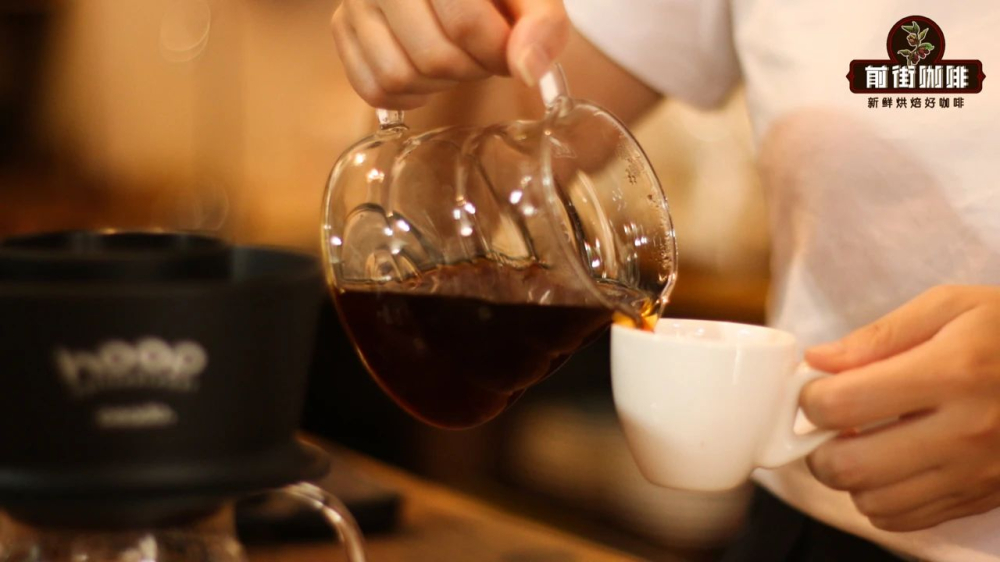
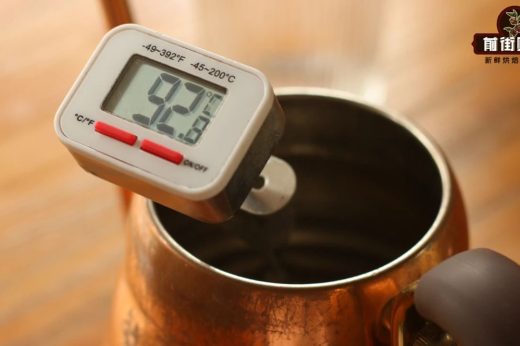
Over-extraction typically manifests as prominent bitterness and loss of aroma. Preventive measures include: keeping water temperature no higher than 92°C to avoid prolonged high-temperature extraction; not grinding too fine (reference between fine sugar and granulated sugar); and keeping total extraction time within 2 minutes. If using a high brew ratio of 1:15 or above, extend the extraction time accordingly but closely monitor flavor changes. Notably, coffee beans from different origins and processing methods may require fine-tuning parameters; for example, high-altitude hard beans can withstand slightly higher water temperatures, while naturally processed coffees can use a slightly coarser grind.
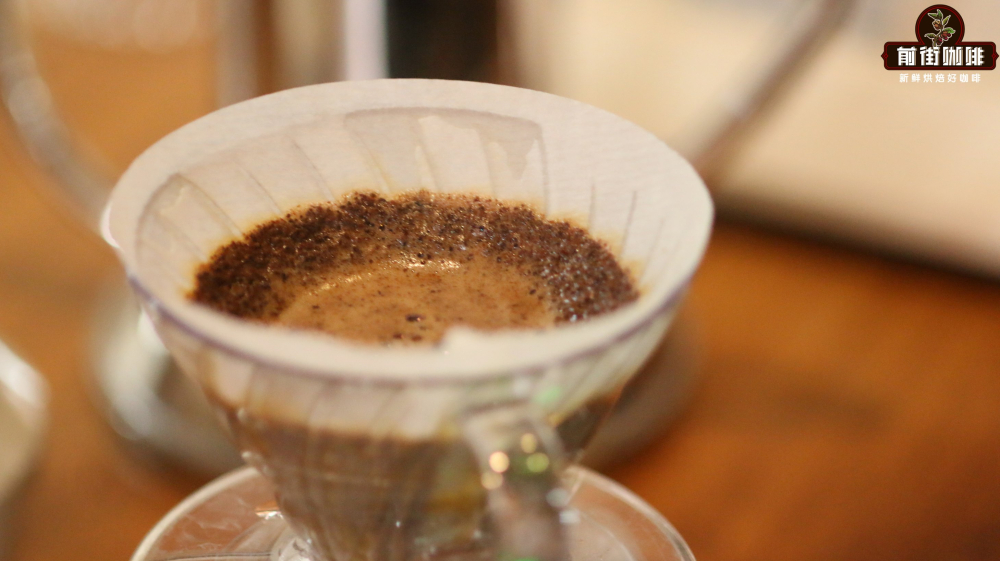
The value of the Golden Cup Standard lies in providing a scientific reference framework, but it is not an absolute standard. In actual brewing, personal taste preferences should take priority, allowing flexible adjustment within the theoretical range. For example, if you prefer a richer mouthfeel, you can moderately increase strength to 1.35%-1.4%; if you seek a lighter flavor, you can control TDS at 1.1%-1.15%. The key is to master the bean characteristics through repeated practice and find the flavor balance point. Remember, excellent coffee brewing is a combination of science and art—follow basic principles while listening to your own taste buds.
When professional baristas develop brewing plans, they comprehensively consider bean variety characteristics, roast level, and expected flavor direction. Taking common medium-light roasted beans as an example, it is recommended to use 90-93°C water temperature with medium grind (about 70%-75% passing through a No. 20 sieve) and a brew ratio range of 1:14-1:16. For dark roasted beans, lower the water temperature to 88-90°C, choose a slightly coarser grind, and shorten the extraction time. In any case, maintaining a stable pouring rhythm and avoiding water flow impacting the coffee bed to cause localized over-extraction are fundamental techniques for ensuring flavor stability.
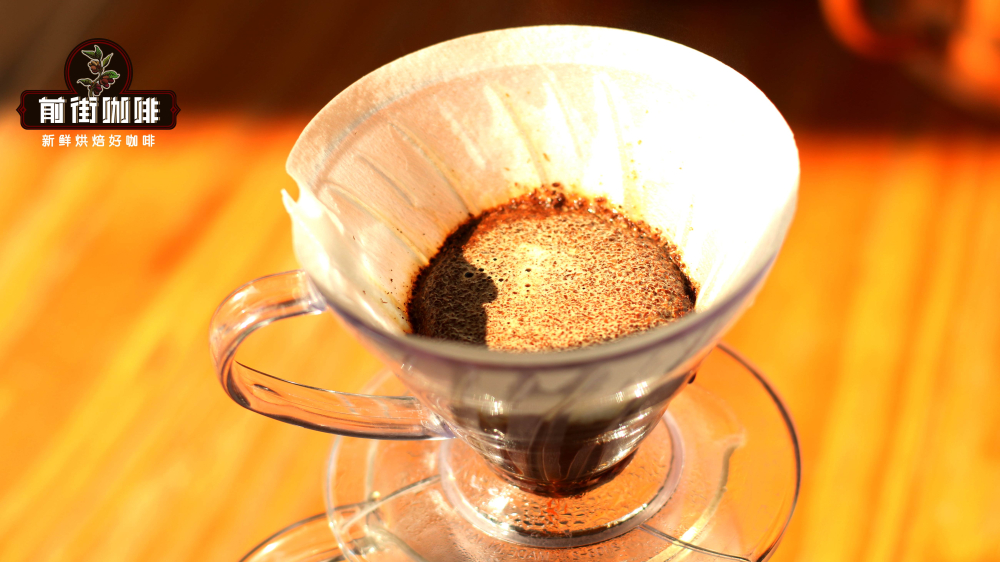
Home brewers can optimize extraction without complex equipment. The basic tool set includes: a scale accurate to 1 gram, a thermometer (or a kettle with temperature control), and a server with a capacity of 200-300 ml. It is recommended to record each brewing parameter and flavor impression to gradually build a personal preference database. Common adjustment directions include: if the flavor is thin, try reducing the brew ratio or grinding finer; if it is too bitter, adjust in the opposite direction. Remember, stable technique is more important than precise parameters; cultivating a feel for the process helps you maintain brewing consistency in different environments.
The development of coffee science continues to provide new ideas for home brewing. Modern research has further refined the extraction windows of different compounds: acidic substances are mainly dissolved in the early stage of extraction, sweet substances in the middle stage, and bitter substances are released in large amounts in the later stage. Understanding this pattern helps emphasize specific flavor dimensions through precise control of extraction stages. For example, extending the early pouring can enhance citrus-like acidity, while fine pouring in the later stage helps highlight caramel sweetness. By combining this theoretical knowledge with practice, you will be able to explore coffee's infinite possibilities with more confidence.