Indonesian Kopi Luwak Price Revealed: What Does Authentic Civet Coffee Cost per Pound?
Introduction: Kopi luwak, one of the most expensive coffee categories in the world, attracts attention for its unique fermentation process and scarce output. This article takes an in-depth look at the market price range, flavor characteristics, and production controversies behind Indonesian civet coffee, helping coffee lovers understand the true value and reasonable price of this special coffee, and offering professional brewing advice and flavor identification methods.
Kopi luwak (also known as civet coffee) ranks among the world's most expensive coffees, selling for US$300 to US$800 per pound. This special coffee from Indonesia develops its unique flavor through natural fermentation in the civet's digestive system. Consumers often wonder whether its high price is justified and how to tell truly high-quality kopi luwak apart. This article examines the value of this legendary coffee, from origin tracing and production methods to flavor appreciation.
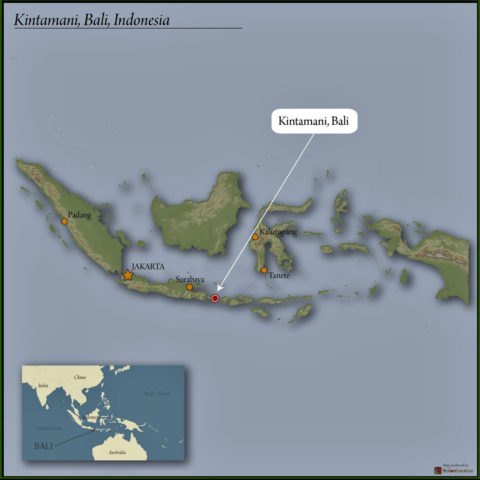
Civets are mainly active in tropical rainforest areas below 2,100 meters in elevation, preferring to live in rock caves or tree hollows. These wild animals naturally select ripe coffee cherries to eat; their digestive systems cannot break down the hard coffee seeds, which are eventually excreted. It is worth noting that wild civets mostly eat Robusta variety coffee cherries, while kopi luwak from high-elevation Arabica is even rarer. Scientific verification has confirmed that proteases in the animal's digestive tract do have a subtle effect on the protein structure of coffee beans, but the actual flavor improvement is limited.
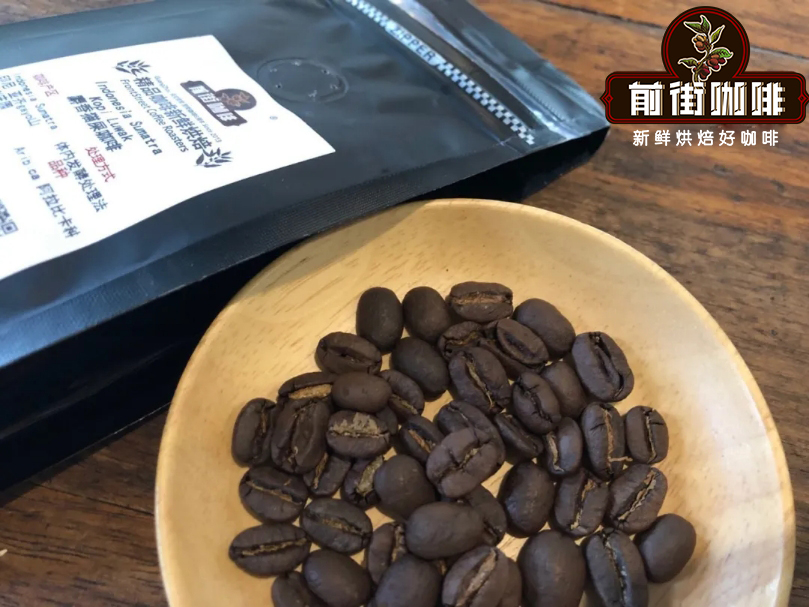
The core producing region for authentic kopi luwak is Sumatra, using selected G1 grade Arabica beans. The professional processing procedure requires careful screening of civet excrement, rinsing away impurities with warm water, and keeping only intact, undamaged green coffee beans. This coffee usually shows distinct herbal notes along with a mellow nutty finish and rich layers of flavor. It is recommended to store it in a light-proof, sealed container in a dry environment to maintain flavor stability.
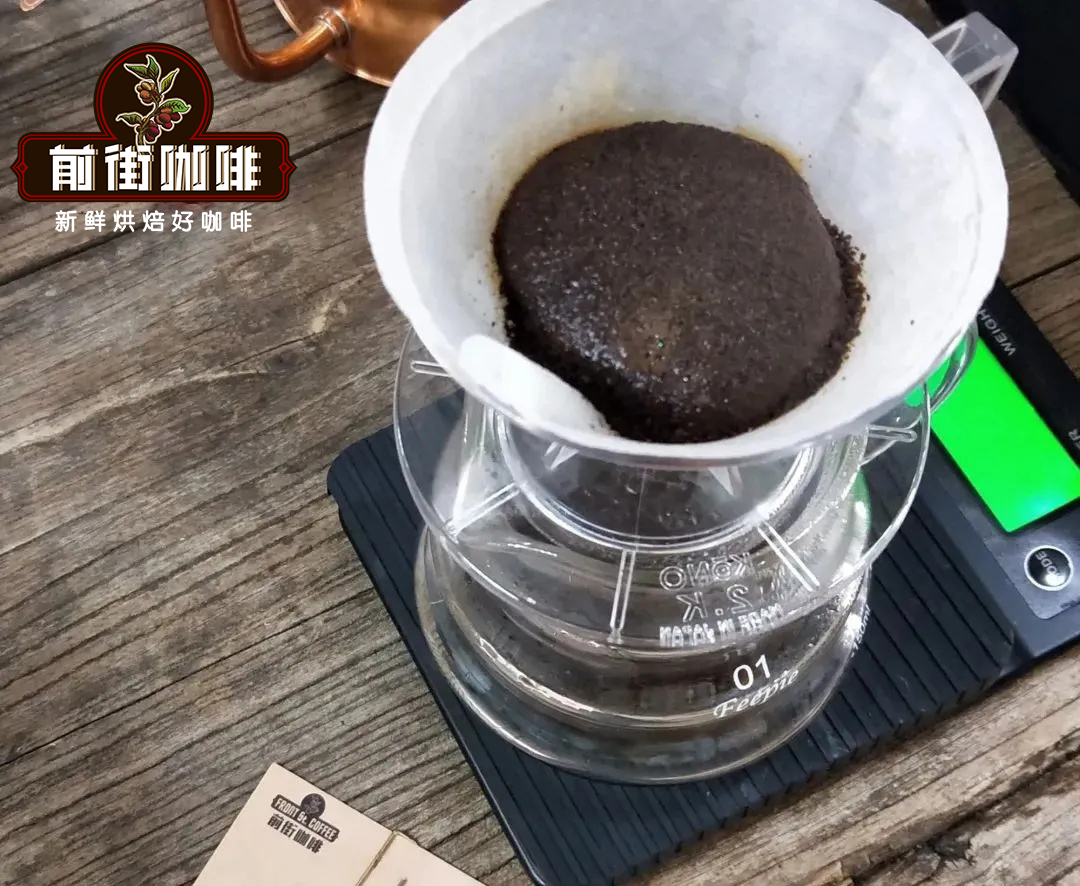
Given the characteristics of kopi luwak, professional brewing recommends a medium-dark roast (roast level affects the amount of oils released). A KONO dripper is recommended for extraction; its special rib design effectively extends the contact time between water and coffee grounds. The specific parameters are: water temperature 86-87°C, grind size BG#6w, coffee-to-water ratio 1:15 (15 grams of coffee to 225 milliliters of water). Pour in three stages: first 30 grams for a 25-second bloom, then 125 grams while watching the water level drop, and finally top up to a total of 225 grams, keeping the total extraction time between 1 minute 50 seconds and 2 minutes. This method fully brings out the coffee's mellow base and delicate flavors.
As for flavor, high-quality kopi luwak should show herbal aroma and a full nutty base, entering smoothly with no astringency. Some samples may carry a faint caramel finish, but overall, cleanliness and body should be the evaluation criteria. Consumers should beware of imitations with added flavorings; authentic products should not have a pungent chemical smell.
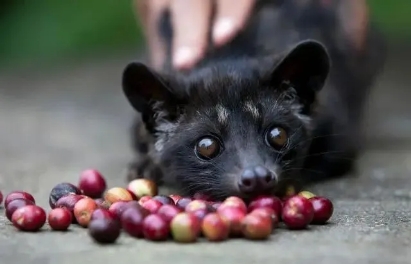
There is significant controversy surrounding kopi luwak, mainly focused on animal welfare. The fermentation that results from wild civets foraging naturally is fundamentally different from force-feeding in captive breeding. Research shows that the short digestive process has only a limited actual effect on coffee bean flavor, and overstating the benefits of 'in-body fermentation' is commercial marketing language. Responsible consumption should focus on sustainable production models and prioritize supply chains that protect animals' natural habitats. Coffee lovers seeking special flavors are advised to buy products certified for animal protection through proper channels and avoid supporting illegal farming operations.


