Ethiopia Yirgacheffe Gelena Ambaya Anaerobic Natural: Flavor & Brew Guide
Introduction: This anaerobically sun-dried coffee bean from the Yirgacheffe Gilly Ana Baya growing area in Ethiopia showcases unique fermentation charm as a G1 grade heirloom variety. Grown at altitudes of 1600-2300 meters, it produces a specialty bean rich in floral and fruity aromas, with citrus and jasmine notes enhanced through professional anaerobic processing. This article details its origin characteristics, processing techniques, and brewing parameters to help enthusiasts precisely capture the complex flavors of lemon and wild ginger flower.
As an important coffee-producing area in the northwest of the Sidamo province, Yirgacheffe's core growing belt is located in the highlands at around 2000 meters elevation. This region, famous for the town of Yirga, produces the world's most recognized specialty washed Arabica coffee—not only with excellent bean integrity but also distinguished by its bright, fresh floral and fruity profile, making it a benchmark for specialty coffee. Among them, the Gilly Ana Baya sub-region is located on the eastern side of Lake Ana Baya and is an extended growing area of Yirgacheffe.
This producing area is home to approximately 9,000-10,000 smallholder farmers, each cultivating an average of 3.5 hectares of sloped land at altitudes of 1600-2300 meters. They mainly grow a mix of Typica and heirloom varieties that have been domesticated locally over the long term; this genetic diversity lays the foundation for flavor complexity. Of particular note, the cluster effect of five modern processing plants has enabled this region to reach industry-leading levels in the application of honey processing and anaerobic fermentation techniques.
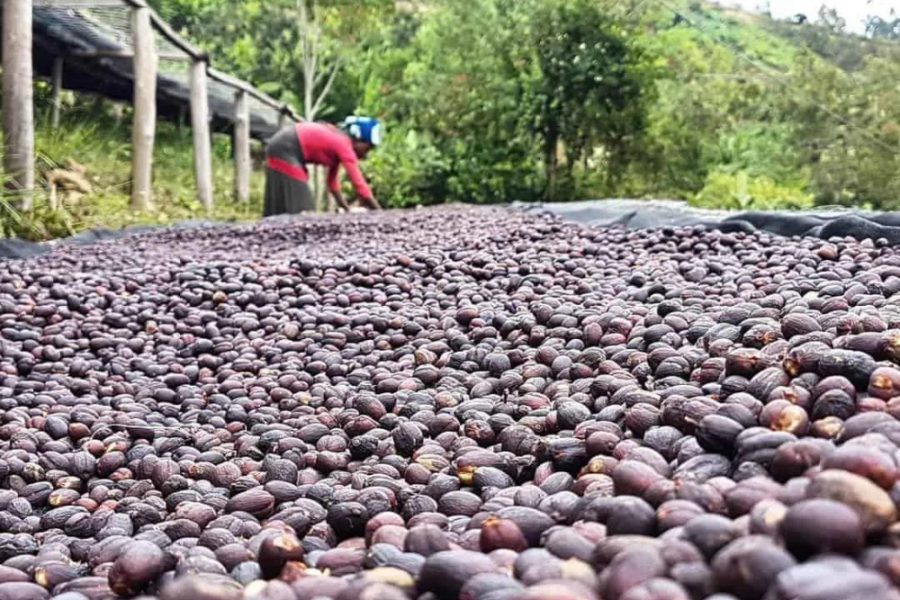
The anaerobically sun-dried coffee bean highlighted here undergoes special processing using **G1 grade** heirloom beans: the harvested ripe coffee cherries are fermented for several days in a sealed environment with controlled oxygen, then slowly dried under sunlight. This process retains the sweetness of traditional sun-drying while promoting yeast to produce more esters through the anaerobic environment, ultimately forming the signature complex flavor of lemon-citrus notes and wild ginger flower aroma.
When actually tasting, it is recommended to focus on three core flavor layers: first and foremost is the bright jasmine aroma, followed by the vibrant acidity reminiscent of fresh lemon, with a finish carrying the special sweet fragrance of wild ginger flower. Compared with conventional washed processing, the anaerobic process gives it a fuller tartaric acid texture, with a finish expression similar to high-quality wine.
For home brewing, it is recommended to use a V60 dripper with a medium-fine grind (75% passing through a No. 20 sieve) and a water temperature of 90-92°C. Use a staged extraction method when pouring—first pour 30 grams for a 30-second bloom, then pour at a rate of 1 drop per second up to a total water amount of 225 grams. Pay special attention to avoid excessively prolonging the brewing time, otherwise it may amplify possible fermented off-flavors.
For storage, note three points: first, use aluminum foil bags with one-way degassing valves; second, keep the storage environment humidity below 60%; and most importantly, avoid storing together with strongly scented items such as spices. Professional cafes generally recommend using the coffee within 7-21 days after roasting, when the floral and fruity flavor compounds are at their best release stage.


