Colombian Coffee Beans: Flavor Profile and Pour-Over Guide
Introduction: Delve into the unique appeal of Colombian coffee beans, from the terroir differences of six core regions to the flavor layers created by special processing methods. This article systematically analyzes the sensory characteristics of the country's coffee. It provides precise pour-over parameter recommendations and grinding solutions, and explains the principles of modern processing techniques such as anaerobic fermentation, helping you fully master the brewing essentials of this classic origin.
In the global coffee market, Colombia holds an important position with stable and diverse flavor performance. The country's unique geographical location spanning both sides of the equator, combined with the vertical climate of the Andes Mountains, creates a richly layered coffee flavor map. In addition to the classic nutty-chocolate base, the tropical fruit notes encouraged by special processing methods are becoming a new focus in the specialty coffee field.
Geography and Regional Characteristics
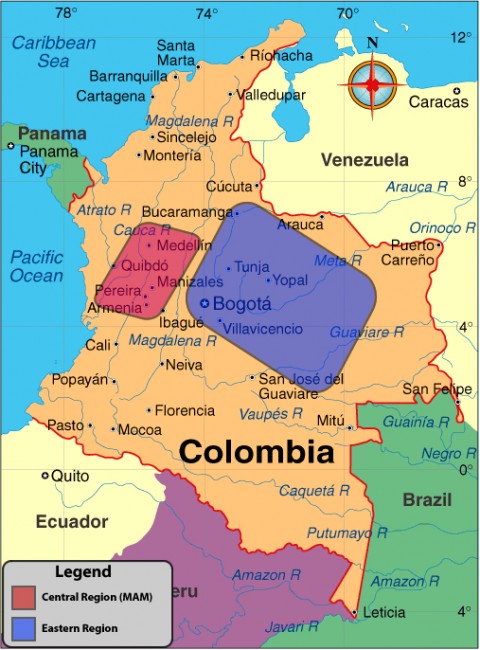
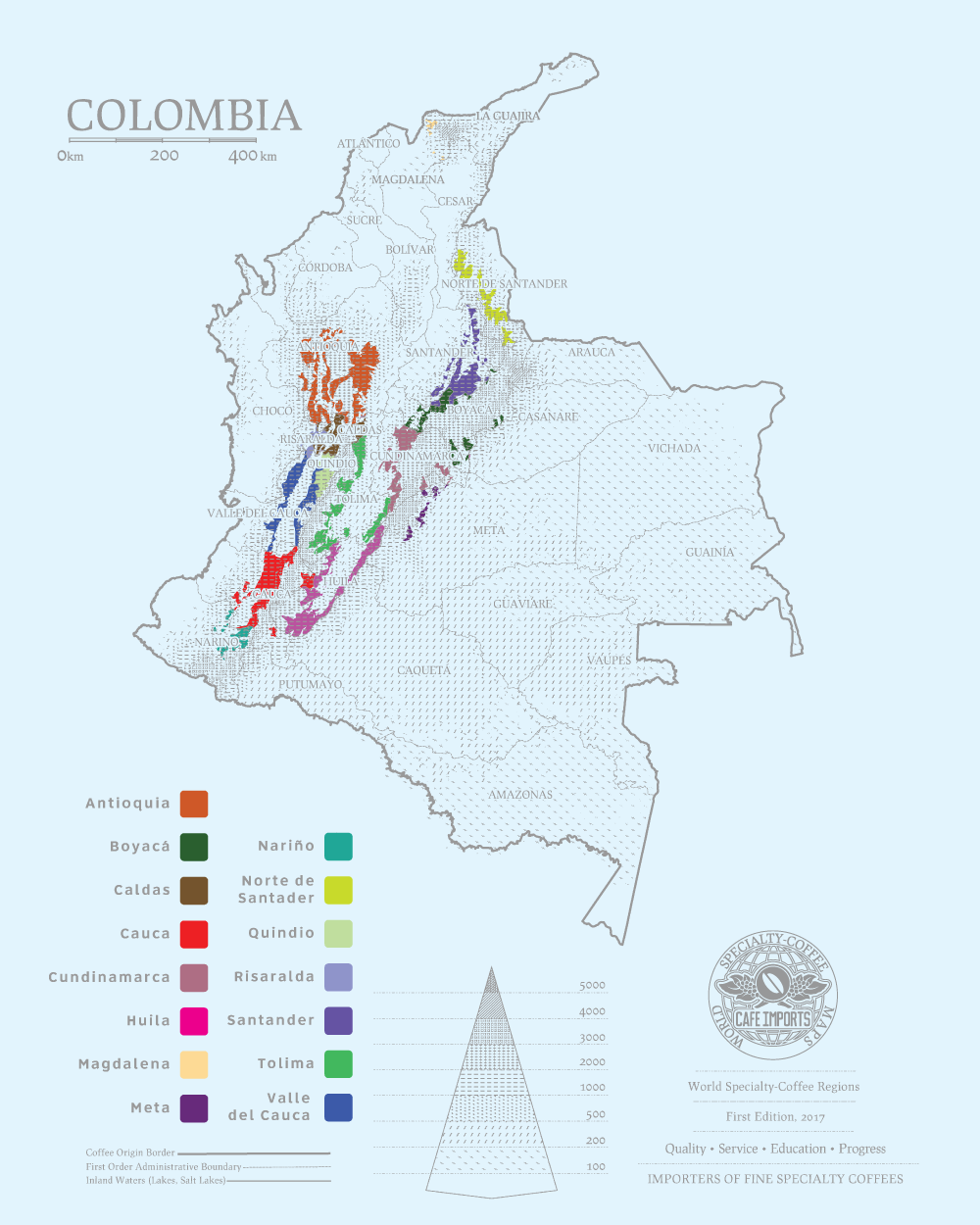
Located between 2° and 8° north latitude, Colombia lies entirely within the core of the coffee golden growing belt (25°S–30°N). The tropical rainforest climate of the eastern plains contrasts sharply with the subtropical environment of the western highlands, where mountainous growing areas at 1,000–2,000 meters above sea level contribute most of the production.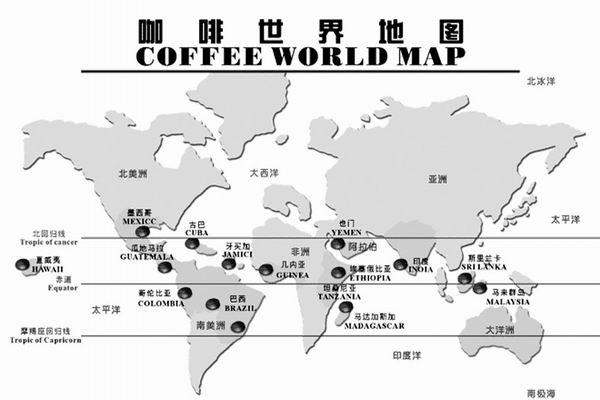 The country's coffee regions are geographically divided into three major sectors—north, central, and south—including six high-quality appellations such as Santander and Huila. The southern region, with growing elevations generally above 1,500 meters, is the core area for specialty coffee beans.
Flavor Map of the Six Core Regions
The northern Santander region (1,400–1,600 meters) is known for its fresh herbal character; a typical representative grown at 1,700 meters uses the Caturra variety with anaerobic enzyme processing, presenting a distinctive grassy aroma and strong sweetness.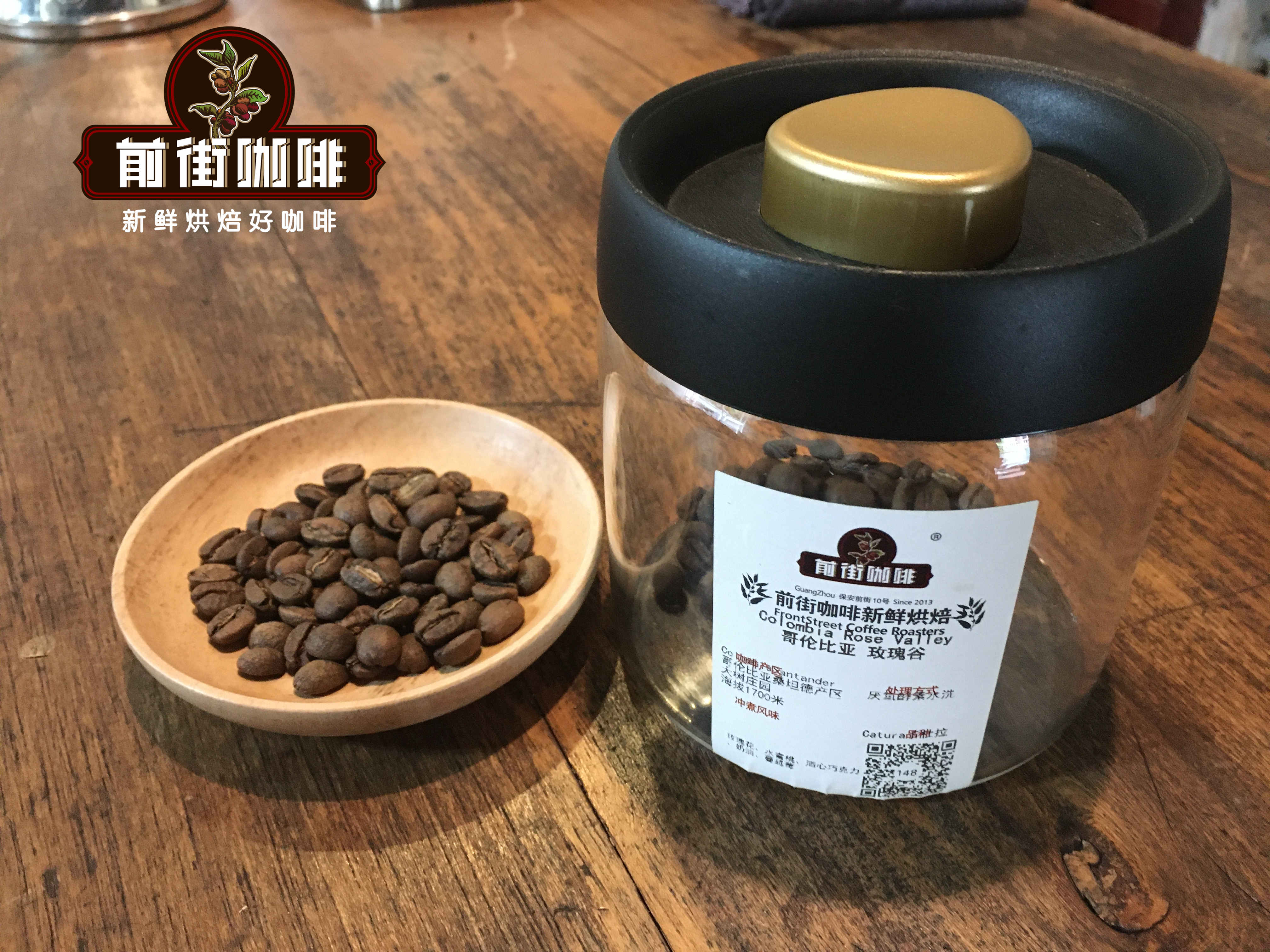 The central Huila region, surrounded by mountains, nurtures coffee beans processed by anaerobic natural methods at 1,800 meters, developing complex winey and berry notes.
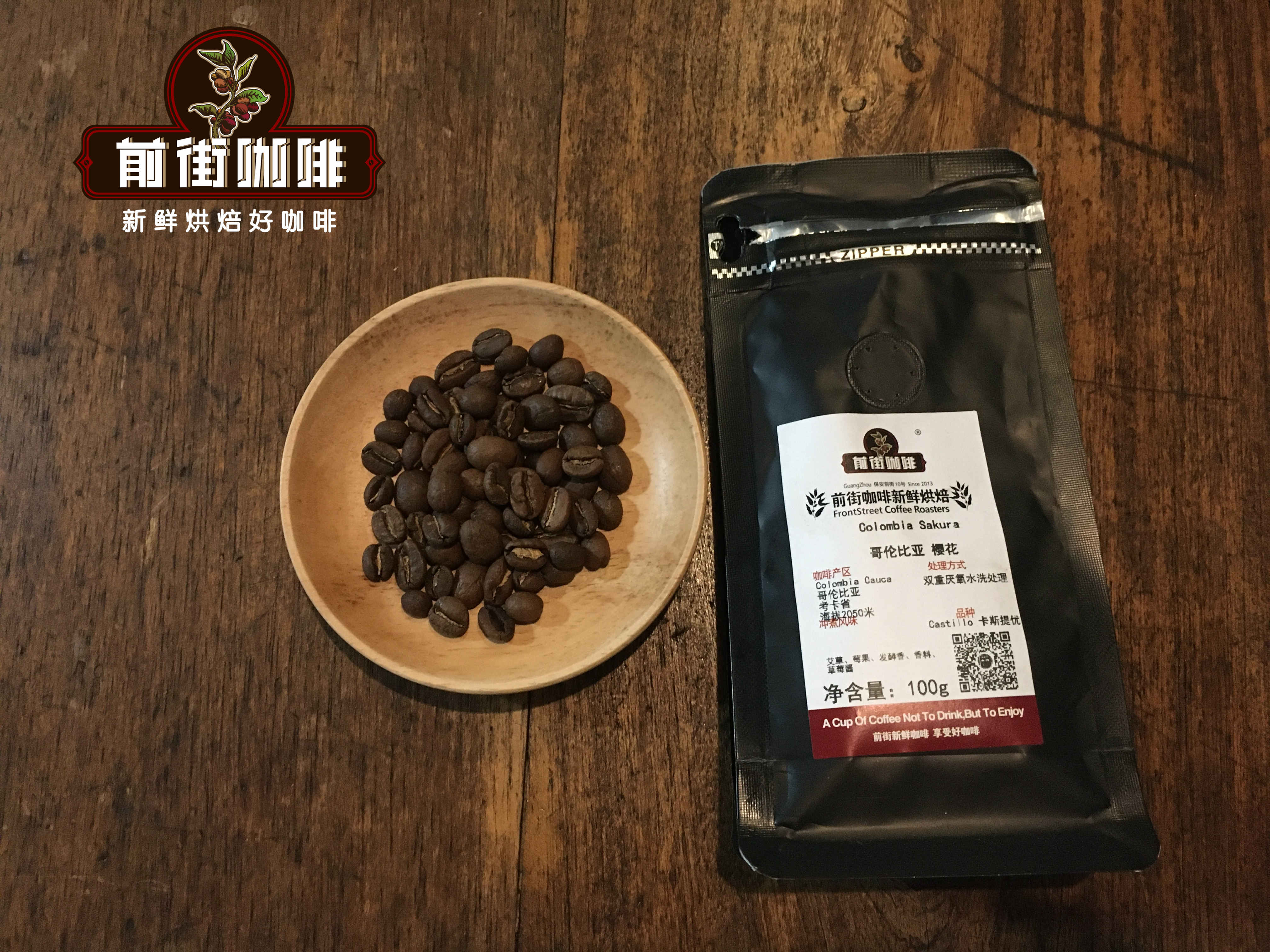
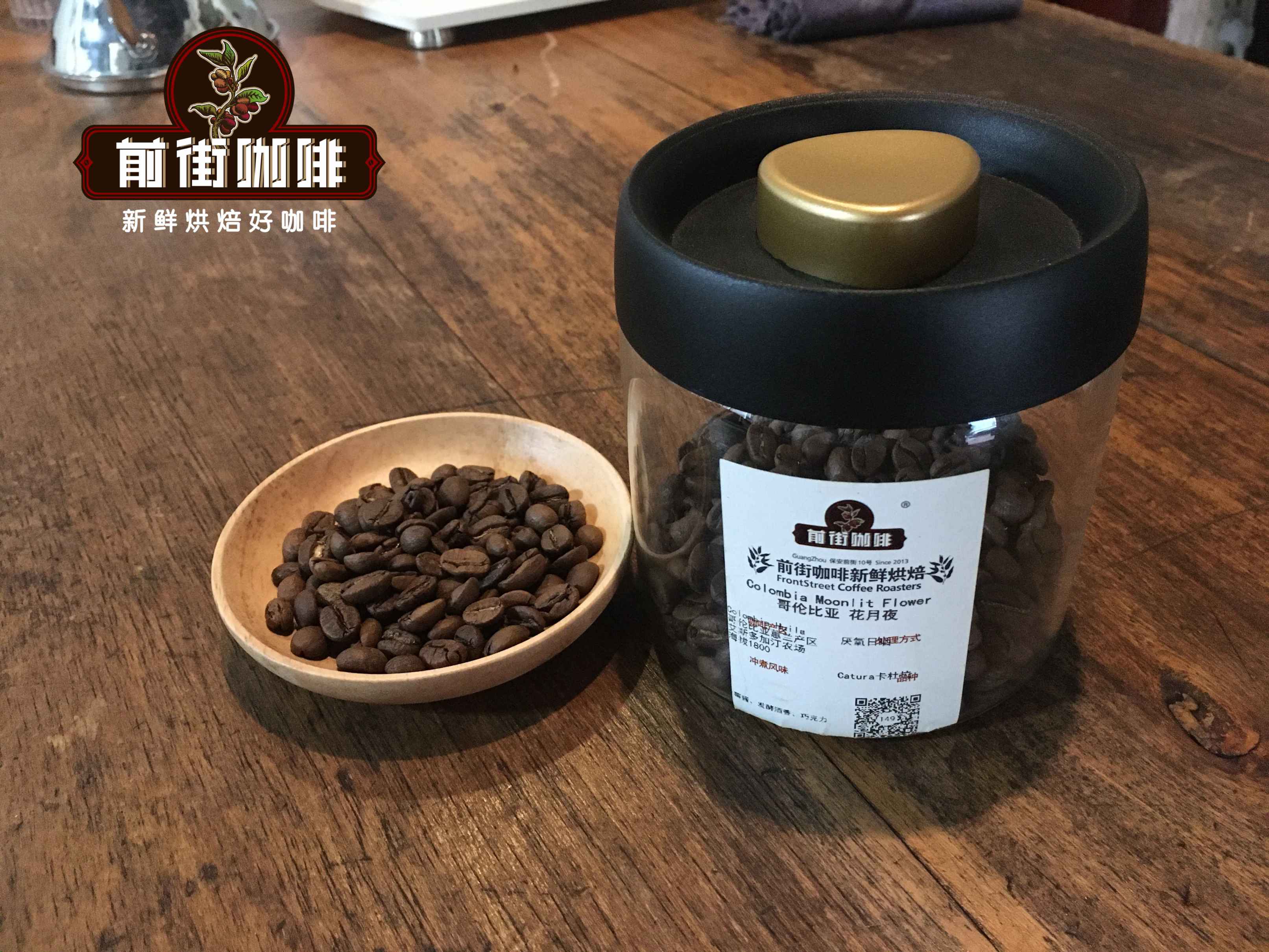 In the south, Cauca Department, a certified appellation, combines a maximum elevation of 2,050 meters with volcanic soil to highlight citrus acidity and spice layers through a double anaerobic washed process.
Varieties and Processing Innovation
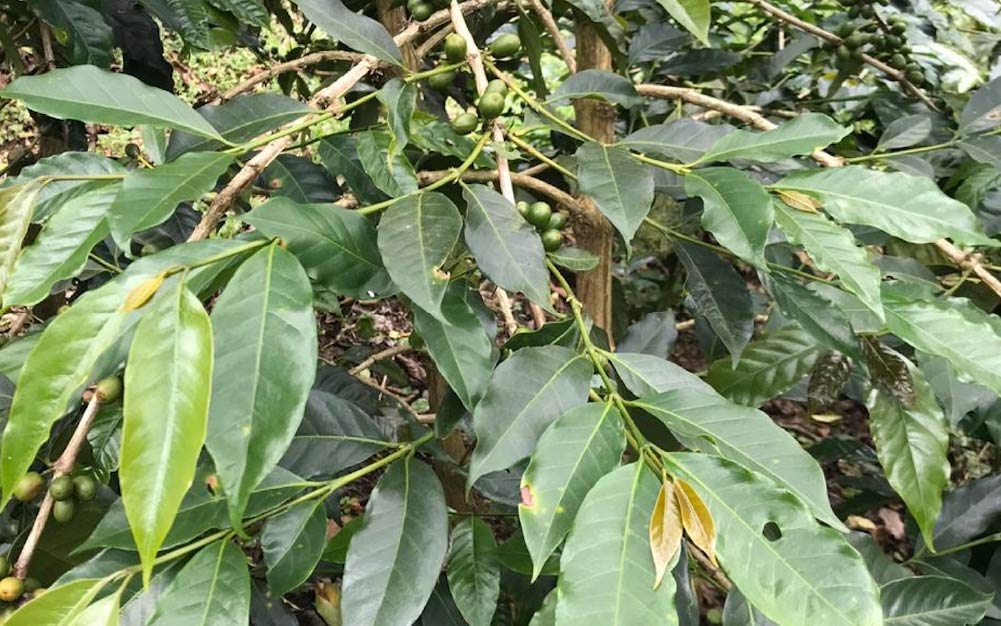
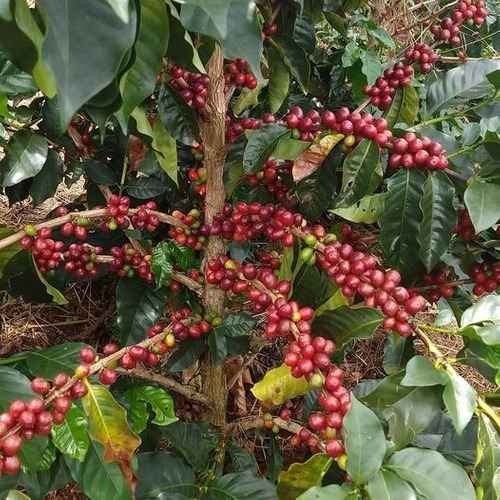
The six main varieties grown in the country each have their own characteristics: Caturra, accounting for 45%, brings bright acidity and lemon notes; traditional Typica continues its mild fruit sweetness; and the disease-resistant Castillo variety performs particularly well in cupping.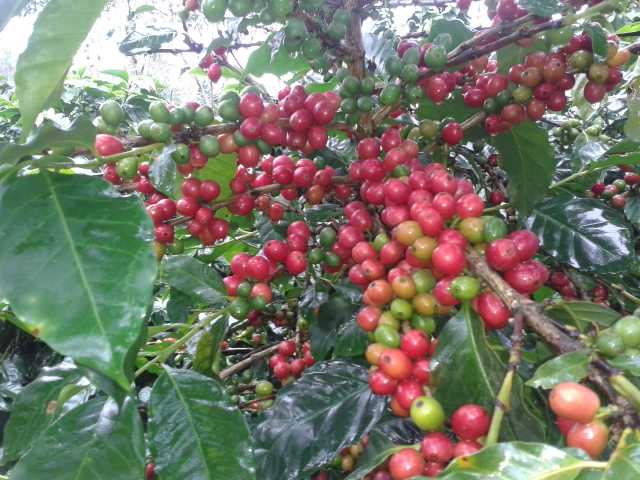 In terms of modern processing techniques, anaerobic natural extends the sweetness development cycle through low-temperature sealed fermentation, with typical parameters of three-day fermentation at 10–15°C; double anaerobic washed strengthens complexity through staged oxygen-free processing and requires strict control of the duration differences of each anaerobic stage.
Pour-Over Practical Parameters
For the medium-fine grind characteristic of Colombian coffee (80% passing a No. 20 sieve), it is recommended to use a V60 dripper with 90°C water. Specific plan: 15 g dose, 1:15 coffee-to-water ratio, three-stage pouring—first pour 30 g of water and bloom for 30 seconds to form a burger-shaped bed, then pour to 125 g at 50 seconds, and finally pour the remaining water to 225 g at 1 minute 40 seconds, with total extraction time controlled at 1 minute 50 seconds.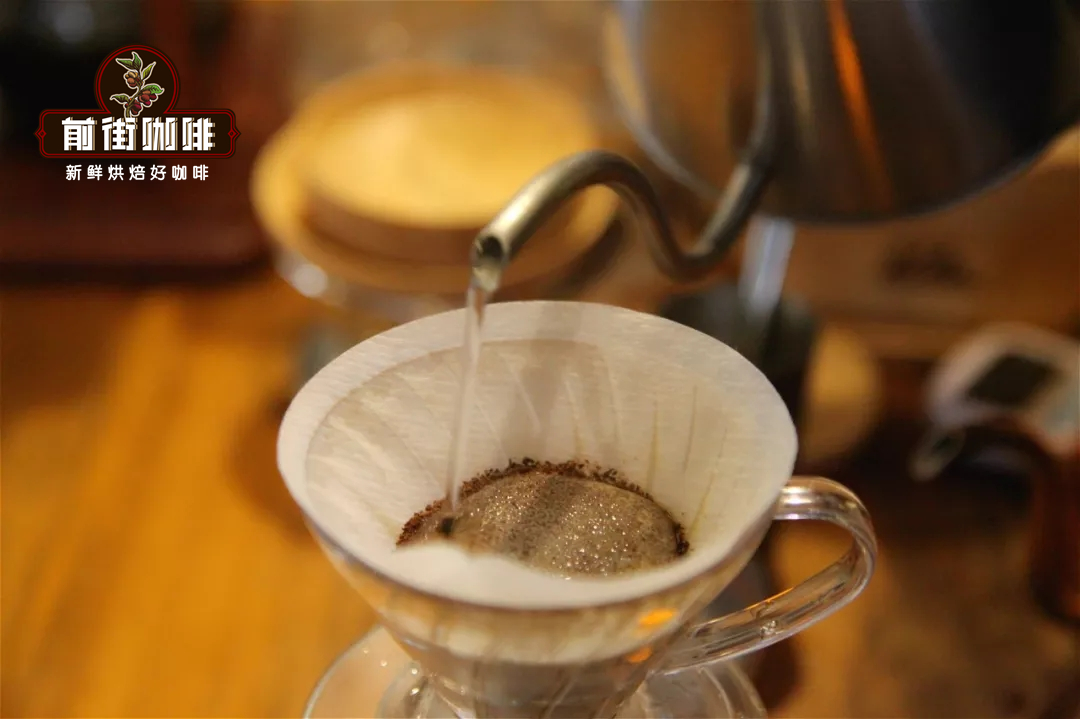 Grind adjustment should be fine-tuned according to processing differences: natural coffees can be slightly coarser at 75% passing rate, while anaerobically fermented beans are recommended to be finer at 85% to ensure full extraction.
It is worth noting that density differences among regions at different elevations affect the pouring rhythm; high-elevation hard beans require extending the bloom time by 5–10 seconds. For storage, keep the original packaging sealed and away from light; after opening, it is recommended to use within 15 days to ensure flavor freshness.