Brazil Cerrado Coffee Beans: Origin, Pour-Over & Tasting Guide
Introduction: Brazil is the world's largest coffee producer, and coffee from its Cerrado region is known for its low acidity and full body, making it the go-to entry point for many coffee beginners. This article takes an in-depth look at the origin climate characteristics and grading standards of Cerrado coffee beans, details the pour-over methods and key parameters suitable for home brewing, and compares the flavor differences with Colombian coffee, helping you fully master the brewing techniques and tasting points of this classic bean.
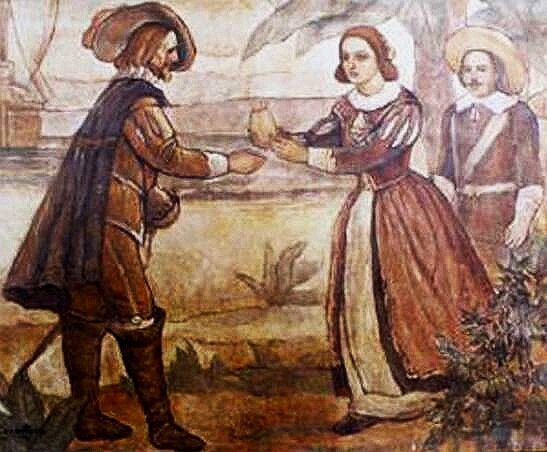
As the world's number one coffee producer, Brazil's coffee market fluctuations directly affect international prices. For example, in the 2020/2021 crop season, due to a rare drought, coffee production plummeted from 70 million bags to 50 million bags, causing market prices to double. This influence is inseparable from its long planting history—300 years ago Brazil had no coffee trees, until a Portuguese military officer brought back a bouquet from French Guiana hiding coffee seeds, and these plants gradually adapted and spread across the country.
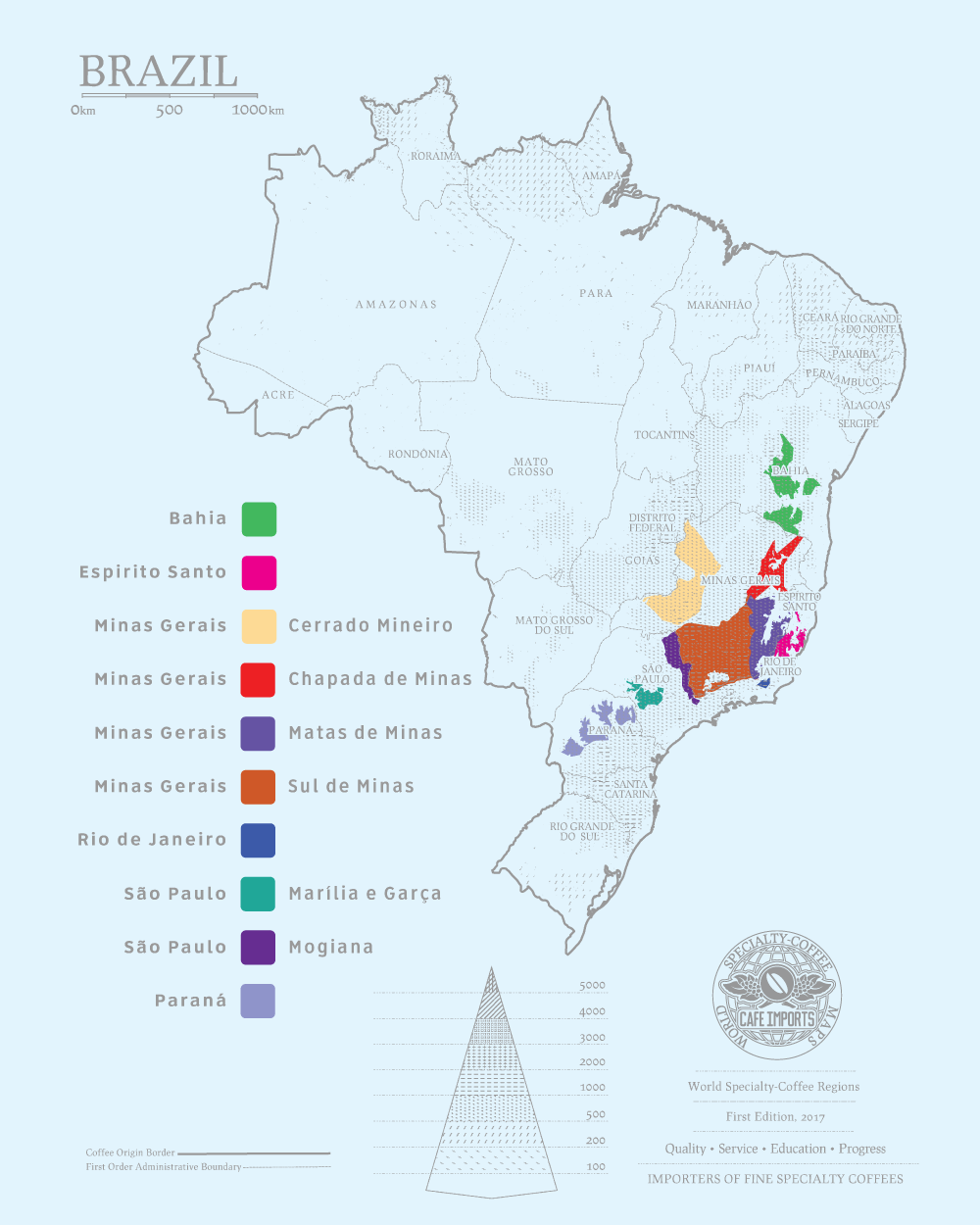
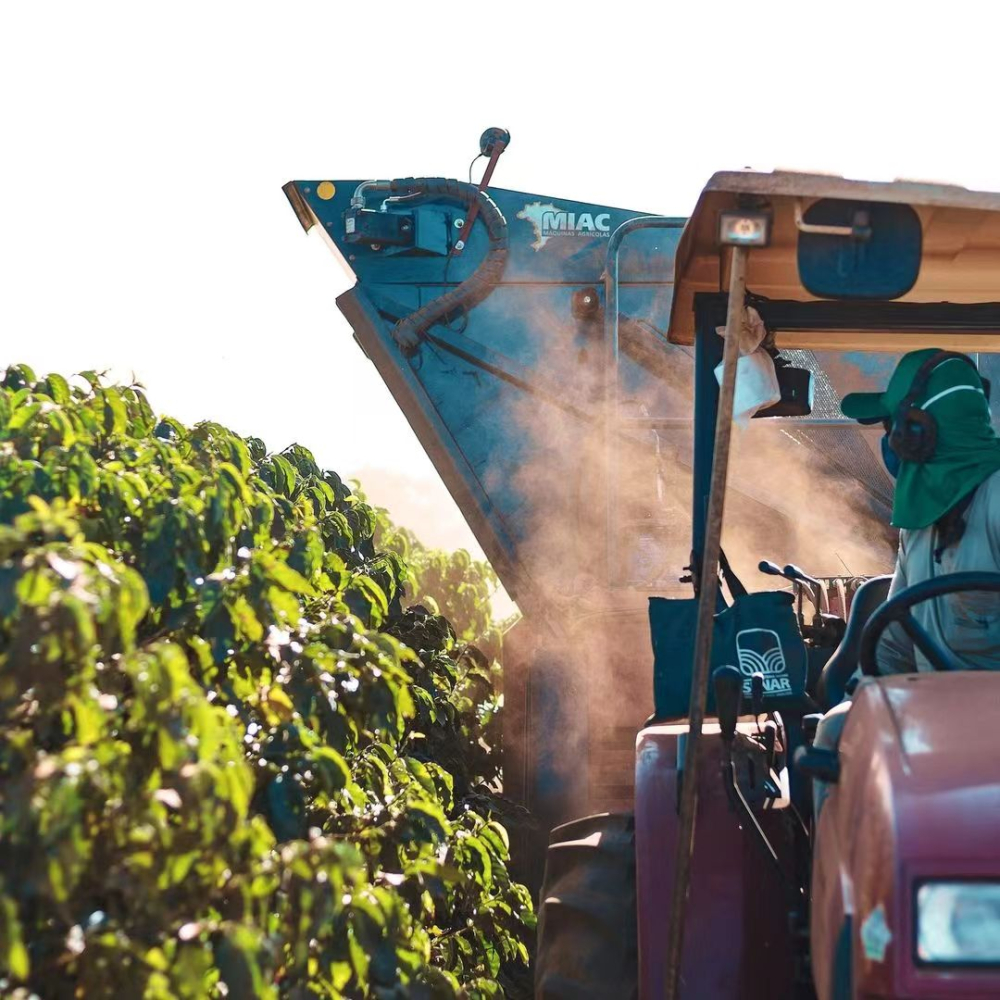
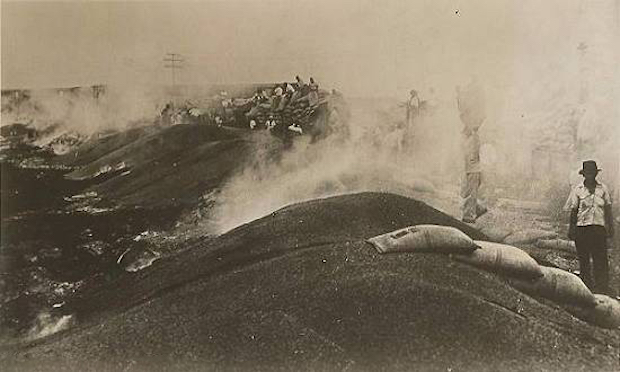
By 1920, Brazil's coffee production accounted for 80% of the world's total, and export revenue once made up half of the country's total. But during the Great Depression, coffee prices plummeted 90%, and large inventories were forced to be destroyed. Today Brazil still maintains around 40% of global coffee production, with the state of Minas Gerais contributing nearly half, and the Cerrado region, as the first area to obtain origin certification, is known for its 800-1300 meter altitude and tropical savanna climate with distinct dry and wet seasons.
Brazil's coffee grading system is unique, and the codes on burlap sack labels contain three key pieces of information. Take the common "Brazil NY.2 SC – 17/18 FC" as an example: NY.2 represents the high-quality grade of 6 defective beans per 300 grams of green beans; 17/18 screen indicates the screening mesh size is 17-18 mesh (about 8 mm aperture), belonging to medium-to-large beans; FC is the "specialty grade" in cup quality. Other important parameters include: NY.3 grade allows 13 defective beans, 14-16 mesh is GC grade (good commercial beans), and beans below 14 mesh are usually used for instant coffee production.
Brazil's main coffee regions show clear geographical differences: Bahia rose in the 1970s through high-tech cultivation, with rainy winters and dry summers; the Cerrado region of Minas Gerais is known for its red soil and high altitude, and its humid summers and dry winters give rise to a unique nutty tone; São Paulo state, home to the Port of Santos, has its Mogiana region with 900-1100 meter altitude and complex terrain; Mato Grosso do Sul is better suited to livestock farming due to its vast plains; Espírito Santo ranks second in national production but 80% is Robusta; the southernmost state of Paraná, though lacking altitude, has a cool climate that allows coffee cherries to mature slowly, developing special flavors.
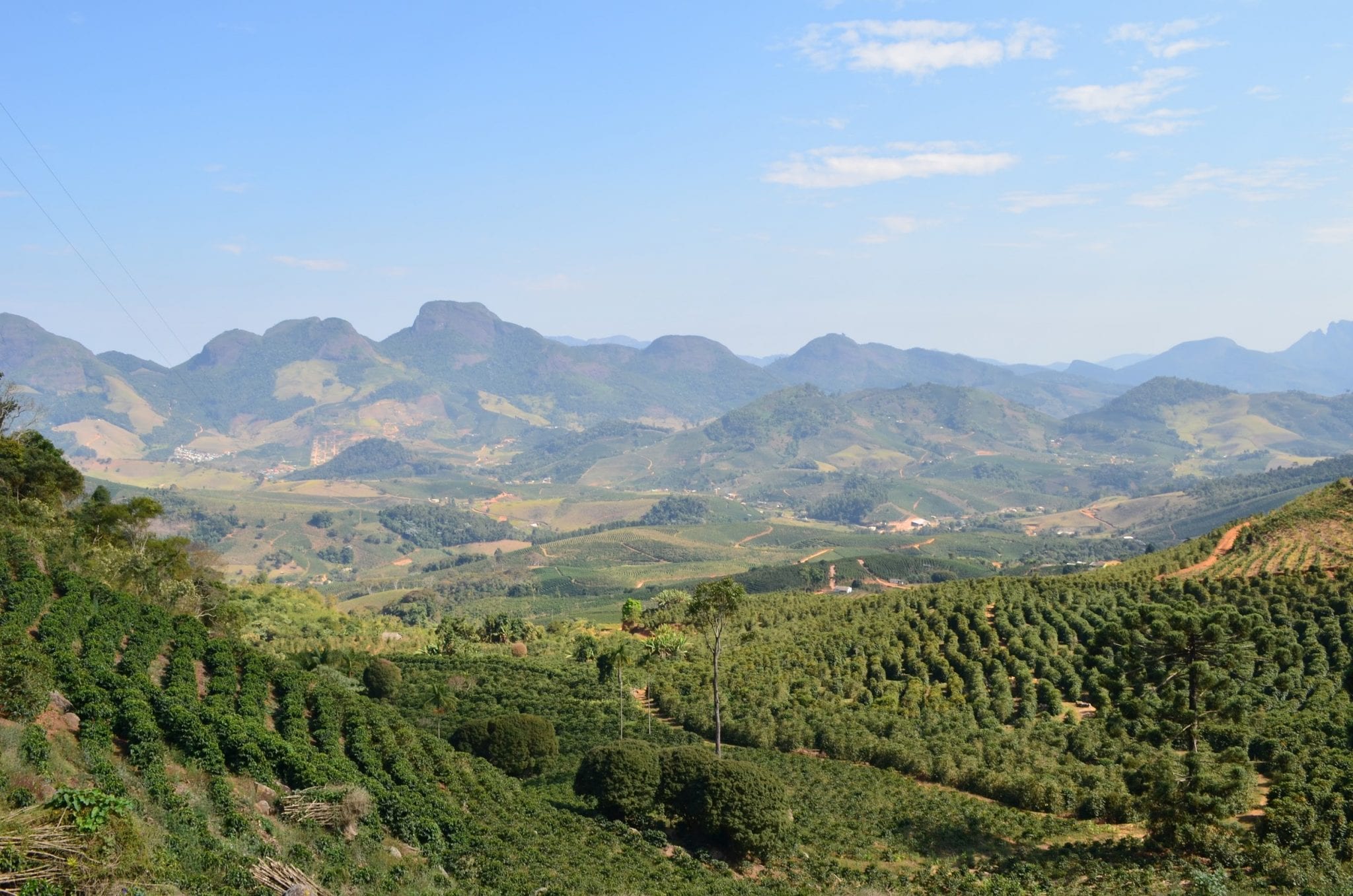
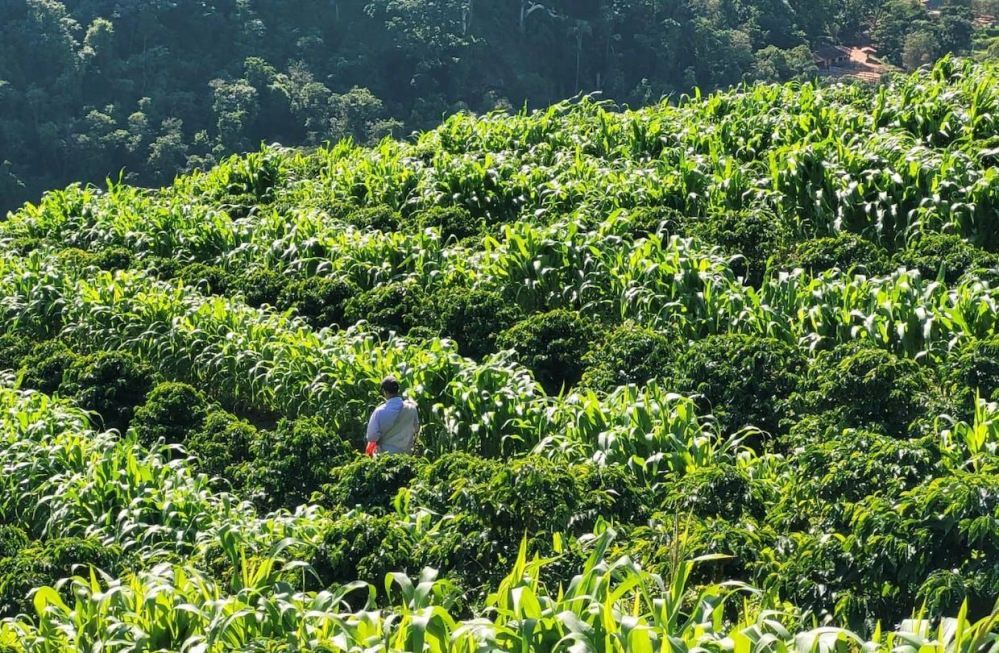
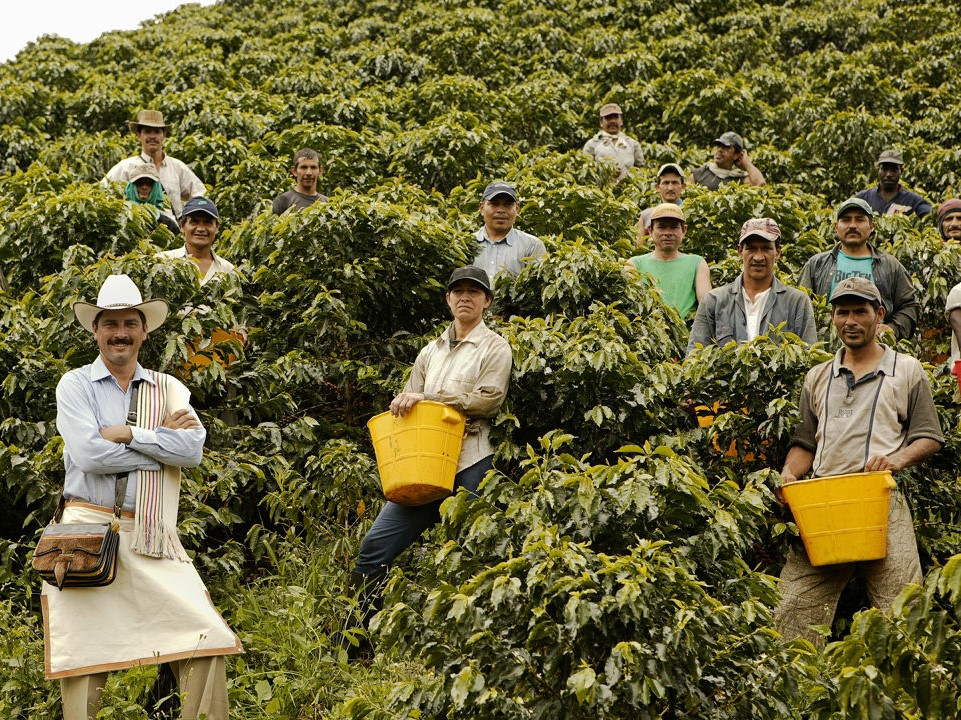
Unlike neighboring Colombia's high-altitude mountain cultivation, Brazil generally adopts the sun-exposed planting method, allowing coffee cherries to ripen quickly and evenly. This growing environment creates the low-acidity characteristic unique to Brazilian beans—according to "Specialty Coffee Studies," the typical expression is prominent nutty aroma, obvious chocolate sweetness, excellent body, but possibly accompanied by a slight woody note. Compared with the Caturra variety produced at 1500-1800 meters in Colombia's Huila region (with soft fruit acidity and dark chocolate flavor), the Cerrado Red Bourbon variety, after semi-washed processing, highlights the sweet richness of caramel and peanut.
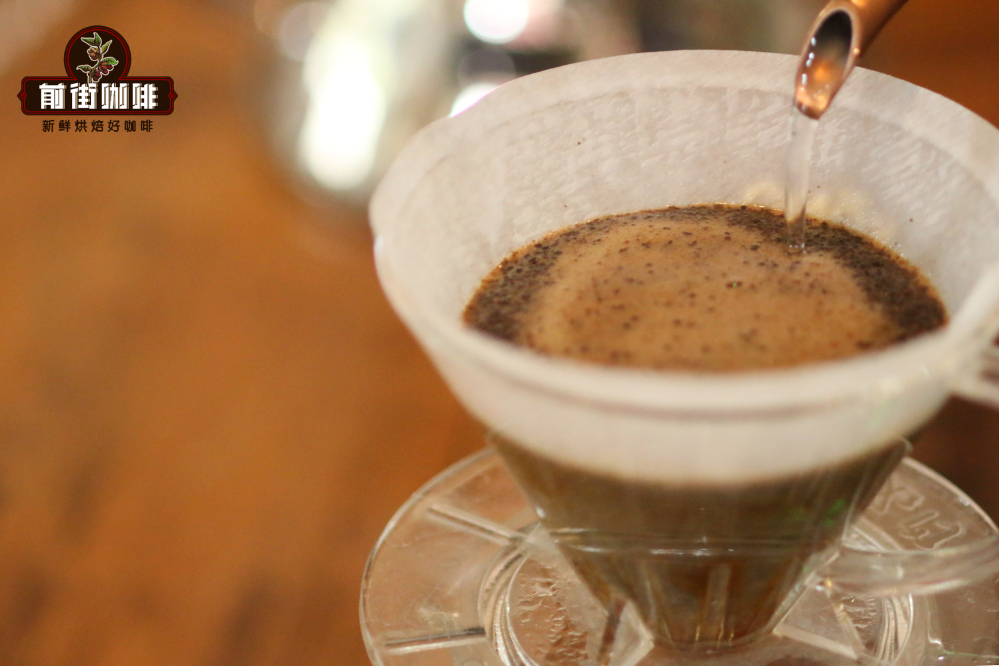
Professional brewing recommends a three-stage pouring method: use 15 grams of coffee grounds, a coffee-to-water ratio of 1:15, a Kono dripper with a grind size of 75% passing through a No. 20 sieve (about medium-fine grind). In the first stage, pour 30 ml of hot water and bloom for 30 seconds to awaken the coffee grounds; in the second stage, pour 100 ml in a spiral from the center outward, with water temperature controlled at 88°C; after the water level drops, pour the remaining 95 ml in the third stage to complete the extraction, for a total time of about 2 minutes. These parameters can effectively balance body with sweetness and acidity, avoiding the bitterness caused by over-extraction.
It is worth noting that Brazilian coffee is extremely sensitive to roast level. Light roasts can retain more floral and fruity notes but may amplify defective flavors; medium roasts (recommended to the dense end of first crack) can strengthen the nutty-chocolate base while maintaining a palatable body. When storing, use one-way degassing valve foil bags, avoid light and humid environments, and the best flavor period is 2-4 weeks after roasting.
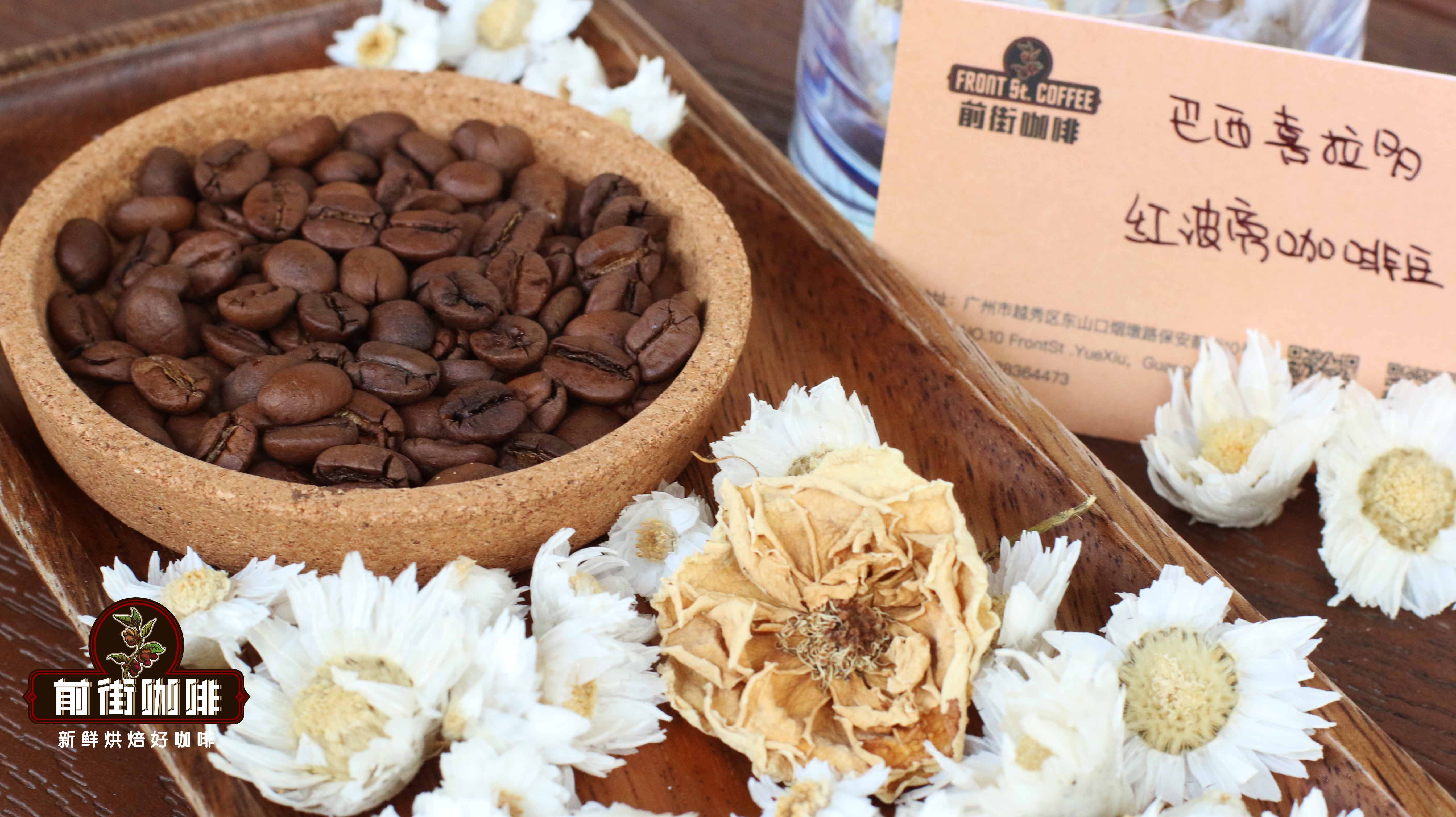
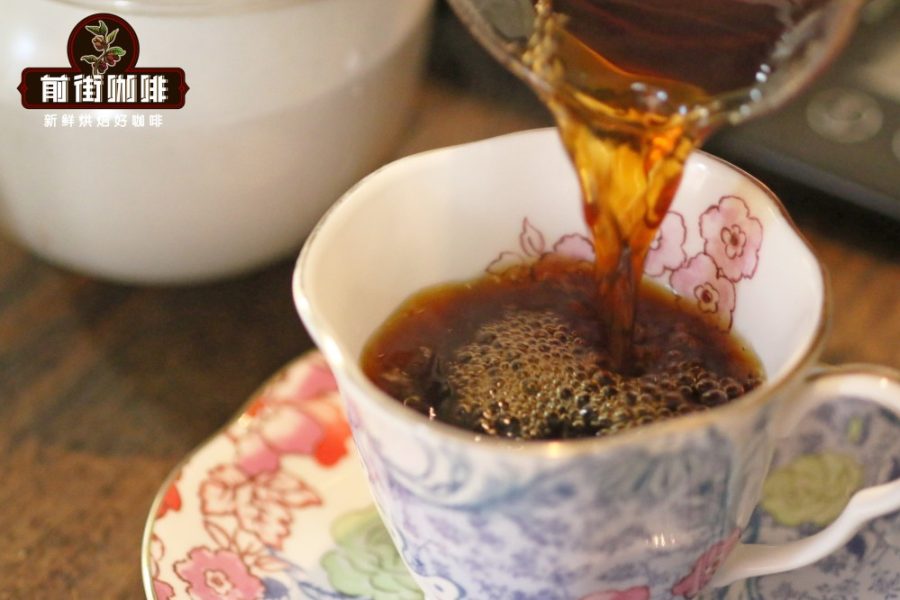
For consumers trying Brazilian beans for the first time, it is recommended to prioritize products from the Cerrado region. Its Red Bourbon variety at 1000 meters altitude, after semi-washed processing, has a typical flavor profile including obvious nutty aroma, dark chocolate finish, creamy texture, and caramel sweetness, with acidity below average yet rich in layers. When comparing brews, you can observe: under the same parameters, Colombian Huila beans will show brighter citrus acidity, while Brazilian beans have a velvety smooth mouthfeel, with the finish typically lasting 15-20 seconds longer.
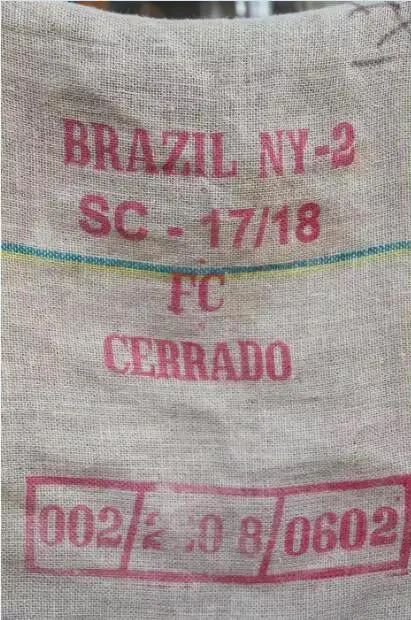
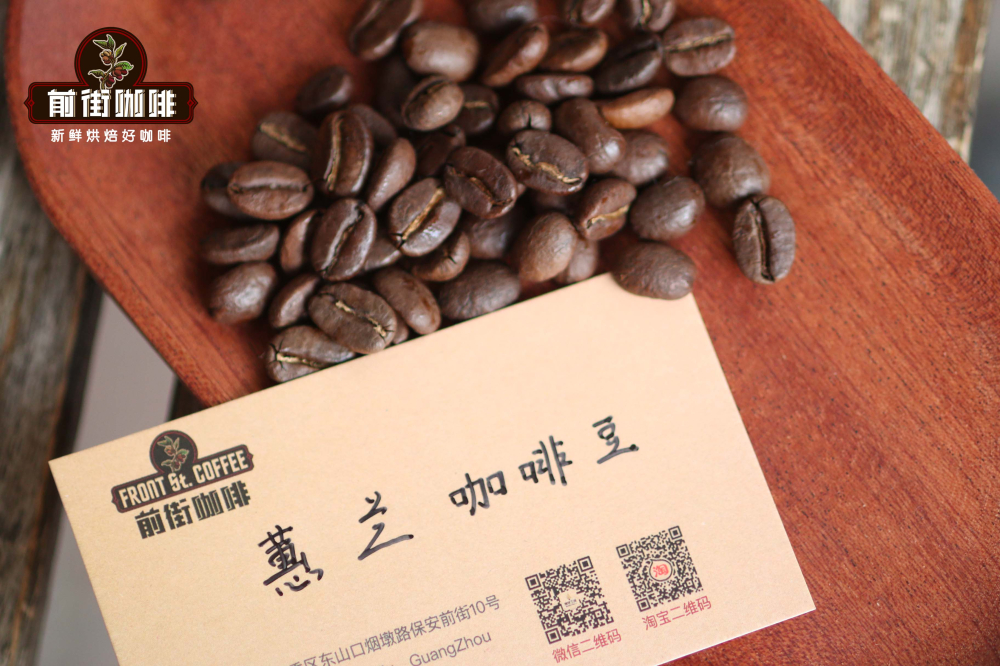
When purchasing, also pay attention to the grading labels: NY.2 grade (6 defective beans) suits specialty coffee needs, while NY.3 grade (13 defective beans) offers better value; bean size 17/18 mesh ensures better extraction uniformity. If the brewed coffee is cloudy or has obvious off-flavors, it may be due to too coarse a grind (causing under-extraction) or too high a water temperature (triggering over-extraction); it is recommended to improve by adjusting the grind size or the staged pouring amounts.
The unique charm of Brazilian coffee lies in its versatility—whether it's the refreshing taste to pair with breakfast bread or the rich enjoyment for an afternoon pick-me-up, it can handle it all. Once you master the correct brewing parameters, this low-acidity, mild characteristic makes it a reliable choice for office coffee machines or home pour-over, especially suitable for drinkers who prefer sweetness and balance.