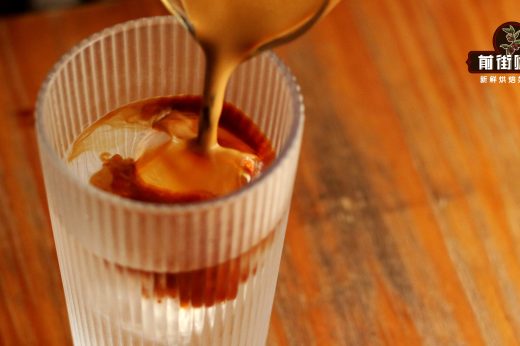
Espresso Grinding and Extraction Guide: Mastering Dose-to-Yield Ratio and Flavor Balance
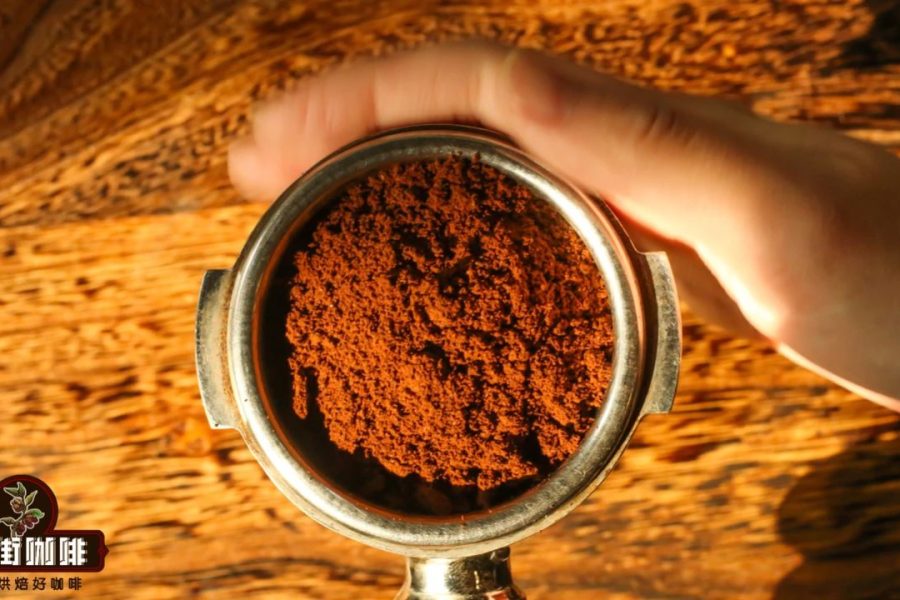
Introduction: The key to making a balanced espresso lies in precisely controlling grind size and extraction parameters. This article takes an in-depth look at how to adjust espresso grind size, from the basic dose-to-yield ratio to extraction time, teaching you to avoid the common pitfalls of sourness or bitterness, and through hands-on steps helps you achieve consistent results—even coffee beginners can easily get started and make professional-level espresso.
Espresso grind size is one of the key factors affecting the final flavor, but many people are often confused about "how fine to grind" when first encountering an espresso machine. In fact, espresso grind size is not a fixed value; it needs constant adjustment based on the condition of the coffee beans, environmental humidity, and extraction parameters. Even if you have already found a suitable setting, weather changes or differences in bean freshness can make the previous grind size no longer applicable, so regular fine-tuning is necessary.
As a special reminder, if you find that every extraction is unstable, besides considering environmental factors, you also need to pay attention to the freshness of the coffee beans. Coffee beans that are too fresh contain a large amount of carbon dioxide, which leads to uneven extraction and thus affects flavor stability. Generally, espresso beans are recommended to go through a resting period of at least two weeks, so that the gas is gradually released before use, and the flavor performance will be more balanced and controllable.
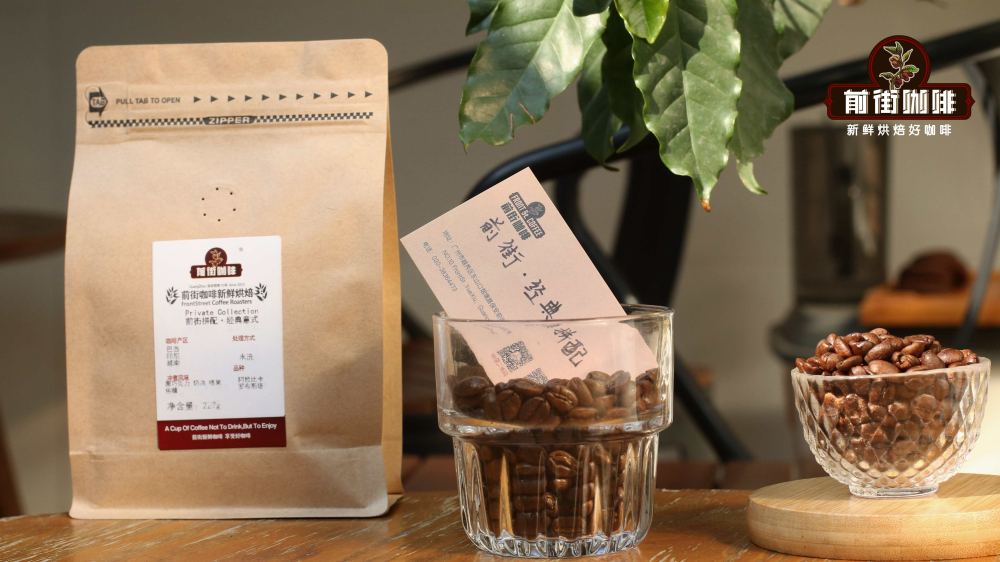
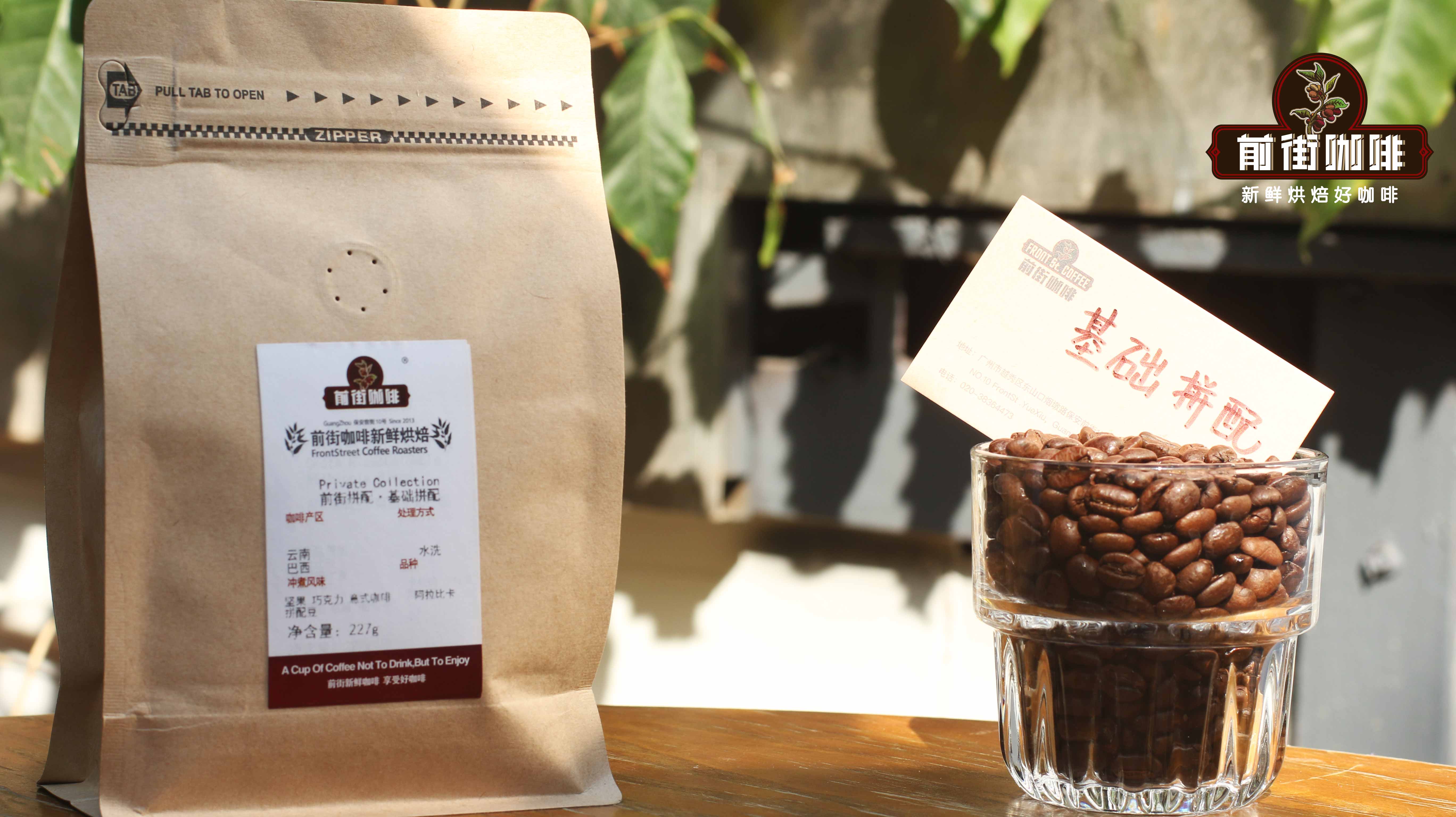
For home users who want to replicate cafe-quality espresso at home, choosing a suitable blend is very important. It is recommended to start with a medium-dark roast blend; this type of bean usually has a rich aroma and a balanced mouthfeel, and whether you make straight espresso or add milk to make a latte, it offers a higher success rate and broader versatility. In particular, carefully formulated blends can effectively improve crema performance and overall layering.
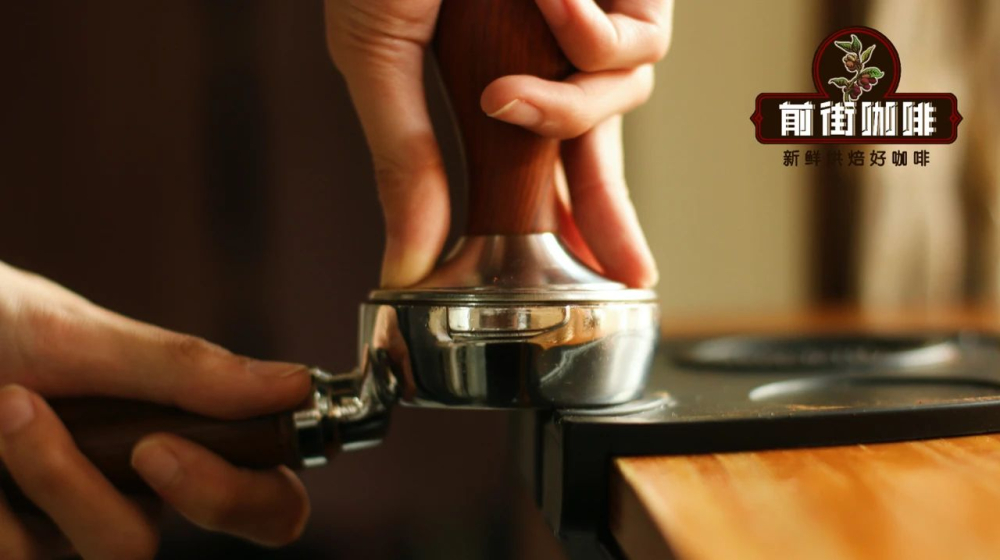
There is no shortcut to adjusting espresso grind size; only through repeated actual extraction tests can you find the setting most suitable for the current conditions. Before starting to dial in the grind, first clarify two key goals: first, confirm whether the current extraction result meets your flavor expectations, such as whether the flow rate is too slow or whether the taste is too sour or too bitter; second, try to keep other variables unchanged during the adjustment process, such as dose, tamping pressure, and tamping evenness, so that you can more accurately judge the actual impact of grind adjustments.
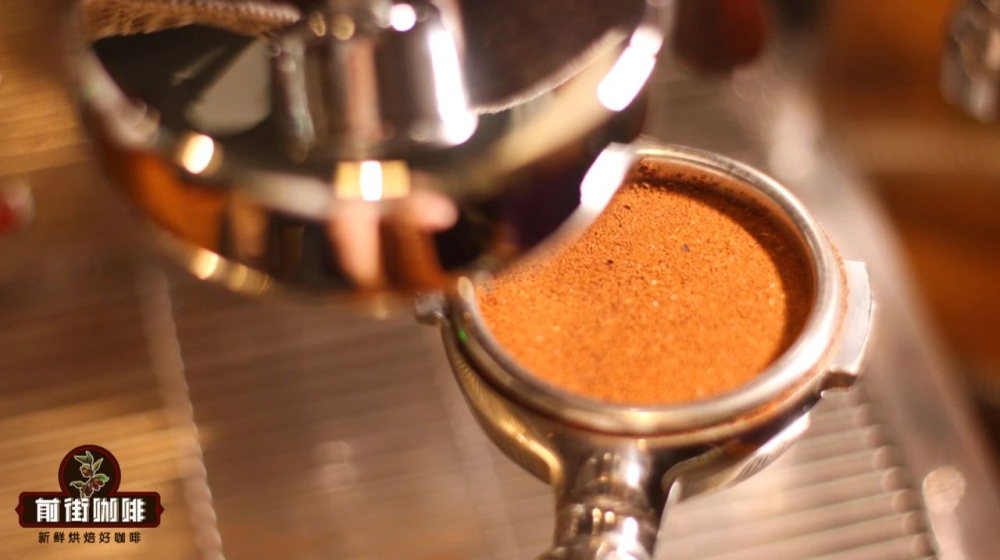
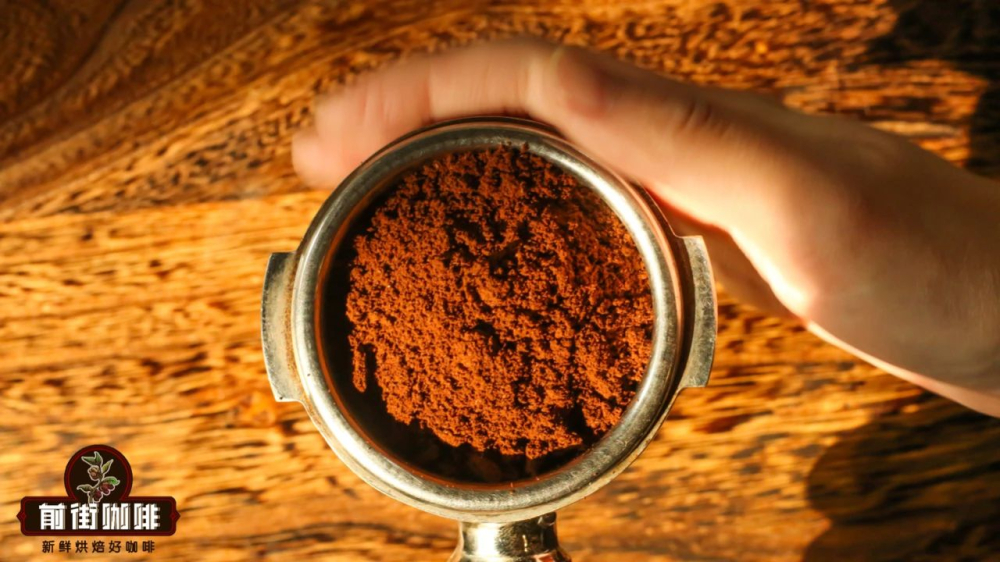
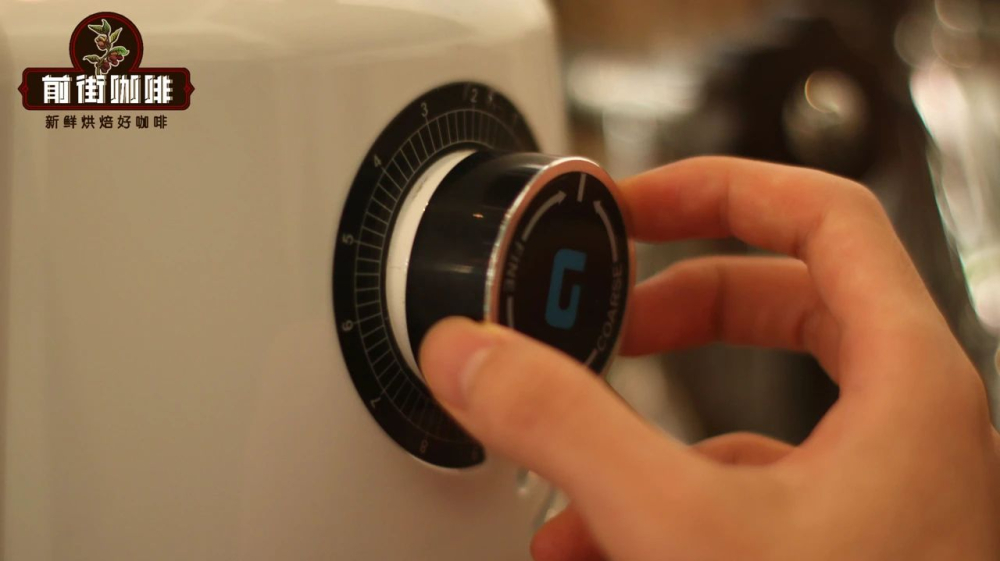
There is a simple and quick grinding test method: first choose an initial grind setting, for example, set the grinder to a fineness that looks close to flour (for example, the initial setting can be referenced at around 2.0). Then operate according to the basic extraction formula—use a dose-to-yield ratio of 1:2, that is, 20 grams of coffee grounds corresponding to 40 milliliters of extracted liquid, while controlling the extraction time to 20–30 seconds. Adjust the dose according to the basket capacity you use, for example, an 20-gram basket holds 20 grams of grounds, and an 18-gram basket holds 18 grams.
After performing the first extraction, observe the time: if the extraction time exceeds 30 seconds, it means the grind is too fine, and next time you can appropriately coarsen it by about 0.5 setting; if the extraction time is less than 20 seconds, it means the grind is too coarse and needs to be finer. Through such cyclic fine-tuning, gradually approach the ideal extraction range.
Once the extraction time stabilizes at 20–30 seconds, the next step is to rely on taste for further optimization. When tasting espresso, if you feel the aroma is insufficient and the taste is on the sour side, it is usually a sign of too coarse a grind or under-extraction, and at this point you should appropriately fine-tune the grind size; on the contrary, if the coffee tastes too bitter and sharp, it may be too fine a grind or over-extraction, and you need to correct it in the coarser direction. Through repeated attempts, you will eventually find the best setting with balanced flavor and moderate acidity and bitterness.
It is worth mentioning that every environmental change, such as rising or falling humidity, indoor temperature fluctuations, and even differences in coffee bean storage time, may affect the suitability of the grind size. Especially during seasonal transitions or drastic weather changes, even a grind size set well in the morning may need to be adjusted again in the afternoon. Therefore, developing the habit of a simple test before each use can effectively ensure the stability and consistency of every cup of espresso.
In addition, regarding the choice of dose, it is generally recommended to fill according to the recommended capacity of the basket used, neither too much nor too little. Too small a dose may lead to insufficient extraction, while too large a dose tends to cause obvious channeling, affecting the overall flow rate and flavor extraction. Combined with the standard dose-to-yield ratio of 1:2, most home espresso machine baskets have a capacity of mostly 18 grams to 20 grams, and beginners can start trying within this range.
Finally, a reminder: the flavor balance of espresso depends not only on grind size but also on tamping evenness, distribution technique, water quality, and many other factors. While adjusting the grind, also pay attention to the stability of other variables. Only by comprehensively controlling every detail can you truly make a cup of espresso that is neither sour nor bitter, rich in crema, and clear in flavor.