Blue Mountain No.1 Coffee Review: Flavor, Price, Pour-Over and Authenticity
Introduction: Blue Mountain No.1 coffee is often hailed as the benchmark of the coffee world, but is its flavor truly unmatched? And why does its price remain so high? This article takes an in-depth look at the origin, grading, flavor characteristics and market pricing logic of Blue Mountain coffee, and provides professional-grade pour-over parameters and methods for identifying authenticity, helping you gain a comprehensive understanding of this legendary coffee.
Is Blue Mountain No.1 coffee arguably the best-tasting coffee? This is a question many coffee lovers often ask. Undeniably, Blue Mountain coffee has excellent flavor balance, with acidity, sweetness and bitterness harmoniously reconciled, and is often regarded as a reference standard for judging a quality cup of coffee. But to call it the "best-tasting" coffee is actually a matter of individual taste. More importantly, is it still the most expensive coffee in the coffee world? The answer is not simple.
Looking back at the last century, in an era before specialty coffee became widespread, Blue Mountain coffee, thanks to its scarcity and unique flavor, once became the representative of high-end coffee. At that time, Japan, influenced by Western food culture, had a thriving culture of home coffee consumption, and because Japan had obtained priority purchasing rights for Blue Mountain coffee, as much as 80% of Blue Mountain's output was shipped to Japan, with only 20% going to other markets around the world. As a result, genuine Blue Mountain coffee entering the Chinese market was extremely limited, becoming a luxury experience reserved for a few.
However, after 2008, the global economy declined and demand in the Japanese market shrank. In addition, the Blue Mountain growing region suffered a series of natural disasters, such as leaf rust in 2012 and forest fires in 2015, causing output to plummet and further increasing its scarcity. Even so, Blue Mountain coffee is not the most expensive coffee variety today. As the specialty coffee market has matured, some competition-grade green beans, due to their scarce output, have fetched astronomical prices at auction, far exceeding the market pricing of Blue Mountain coffee.
Why was Japan able to obtain priority purchasing rights back then? This stems from the Coffee Industry Board established by the Jamaican government in 1950. This body is responsible for setting and supervising coffee quality standards and issuing official seals for green beans and roasted beans that meet the requirements. In the early years, Japan supported Jamaica through loans to improve coffee quality, and thus obtained priority purchasing rights; this privilege was only formally terminated in 2009. In 2011, the first batch of Blue Mountain No.1 coffee officially entered the Chinese market.
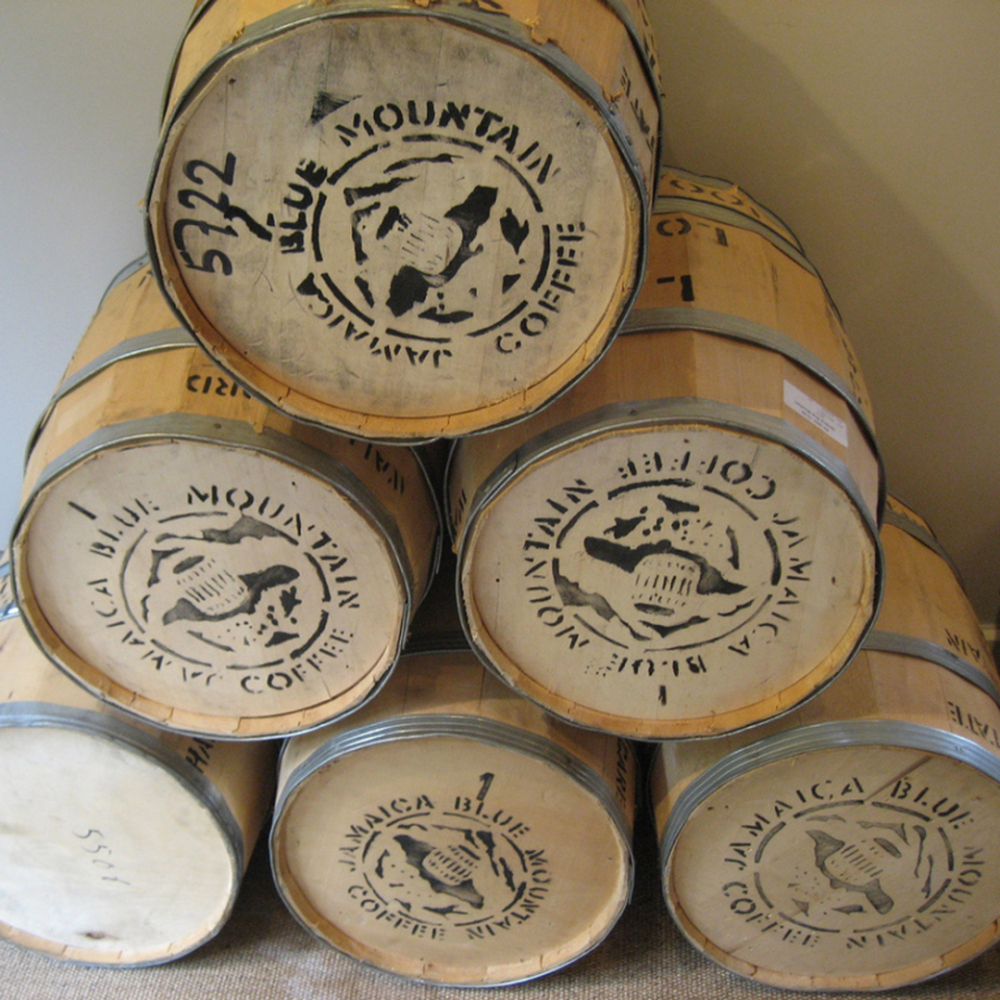
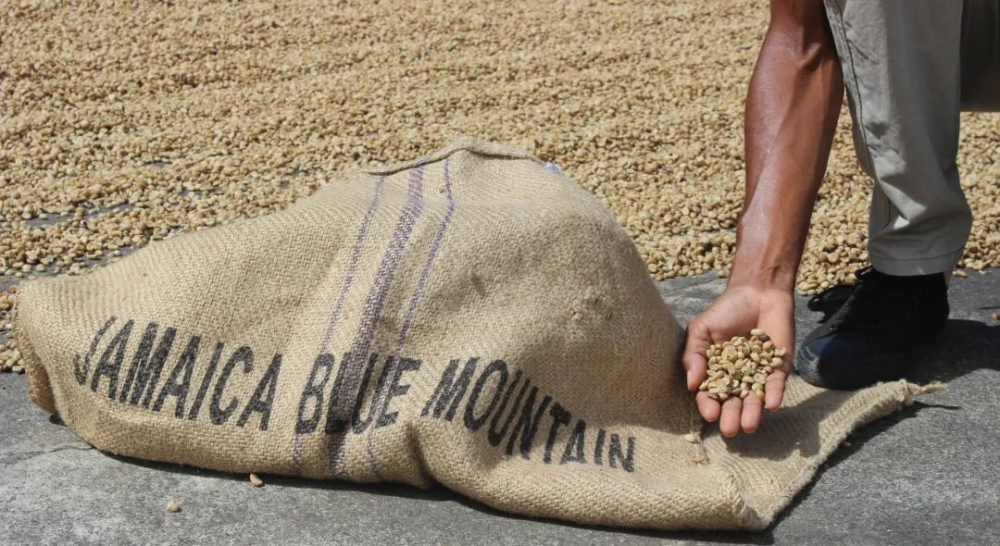
To determine whether a coffee is genuine Blue Mountain No.1, multiple dimensions must be considered. According to the regulations of the Jamaica Coffee Industry Board (CIB), only coffee beans grown in the Blue Mountain range at altitudes above 2,200 feet (about 670 meters) are eligible to bear the name "Jamaican Blue Mountain." Grades are divided by bean size into NO.1, NO.2, NO.3 and hand-selected round beans PB, among which the green bean standard for NO.1 is the strictest: bean size must reach screen size 17 or above, the defect rate must be below 3%, and moisture content must be maintained at around 13%. Currently, all exported Blue Mountain coffee can obtain an official certificate issued by the Jamaica Coffee Board.
These certificates fall into three categories: first, the quality certificate issued by the Jamaica Coffee Board; second, the sales authorization documents provided by the processing producer or authorized exporter (Blue Mountain coffee may only be distributed by 4 designated processing plants and exported by 16 licensed exporters); and finally, the certificate of origin. Together, the three ensure the coffee's authentic pedigree.
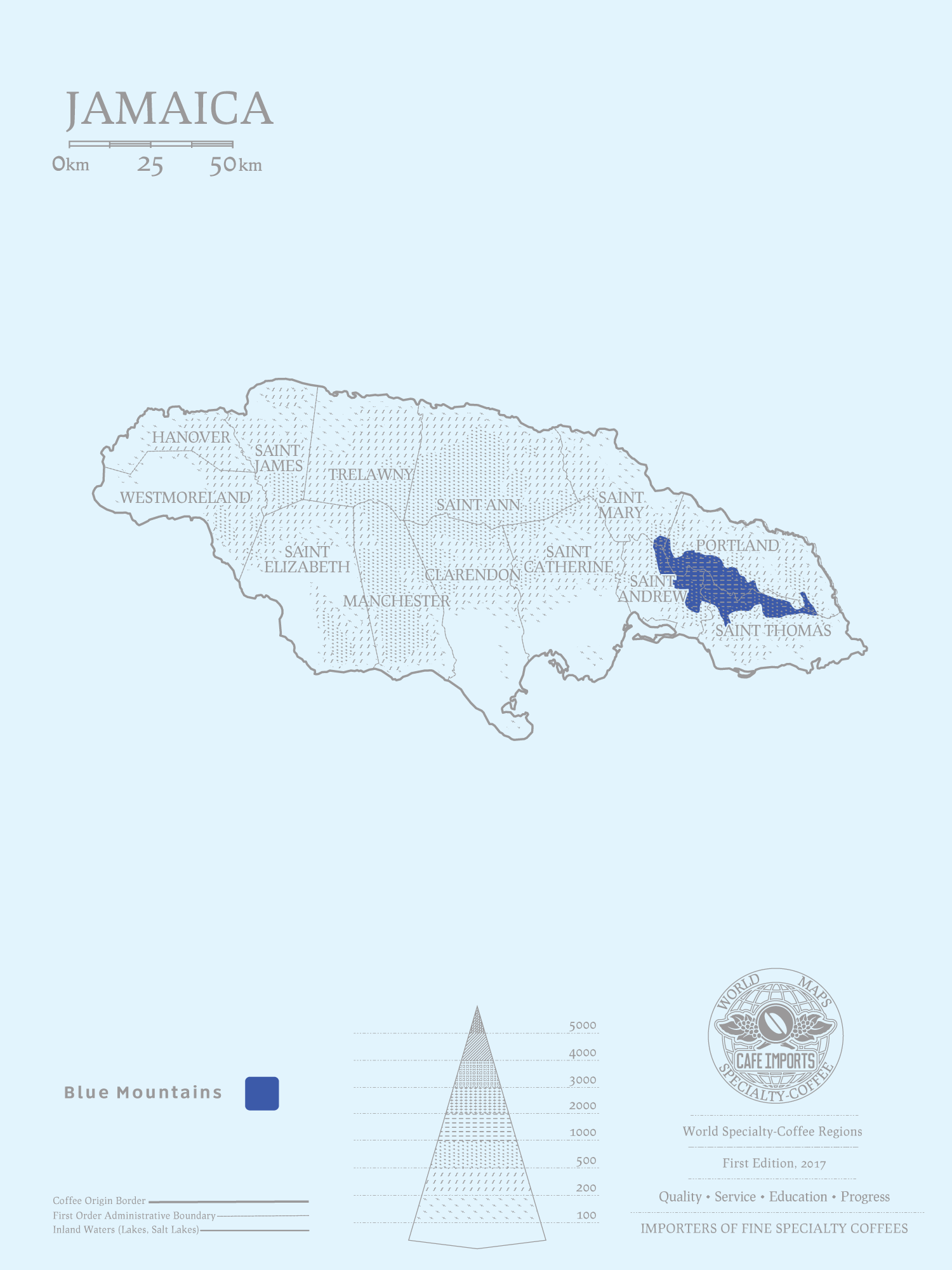
The so-called "designated growing area" is the core region of the Blue Mountain range. This mountain range, located in the east of the island of Jamaica, lies at altitudes between 1,000 and 1,700 meters, and its unique geographical environment gives Blue Mountain coffee an incomparable flavor foundation. Influenced by the Caribbean climate, on sunny days sunlight reflects off the sea surface and the peaks often refract a deep blue luster, hence the name "Blue Mountain." The growing region has fertile volcanic soil, pure and pollution-free air, and a humid, foggy climate, with average annual precipitation of 1,980 mm and temperatures stable at around 27°C, providing ideal conditions for coffee tree growth.
Local growers use a mixed-planting method, with coffee trees growing alongside tall trees such as bananas and avocados, which both provide shade and retain water. However, the steep mountainous terrain makes harvesting extremely difficult; it must be done by hand by experienced women workers, who must accurately judge the ripeness of the coffee cherries—underripe or overripe beans will both affect the final quality.

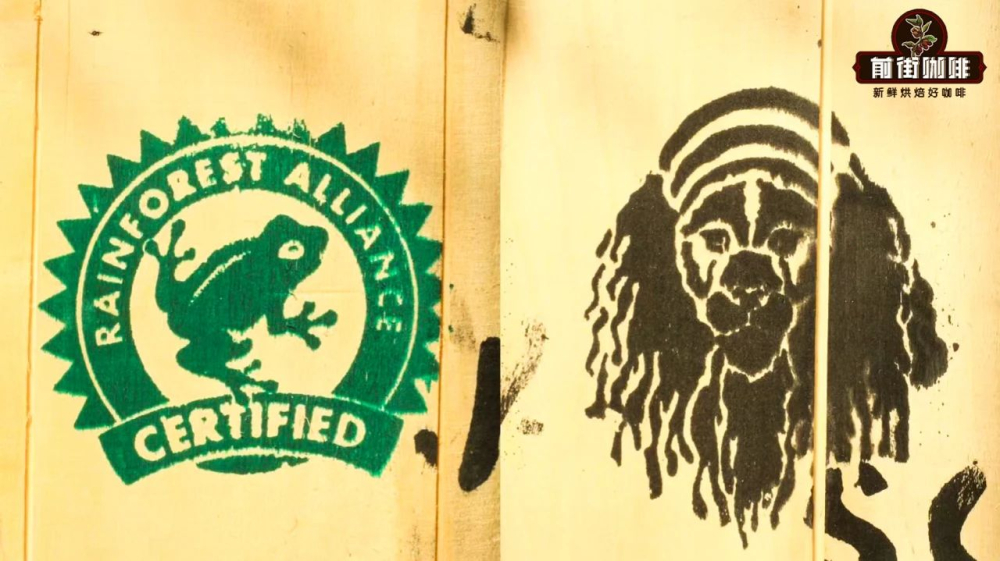
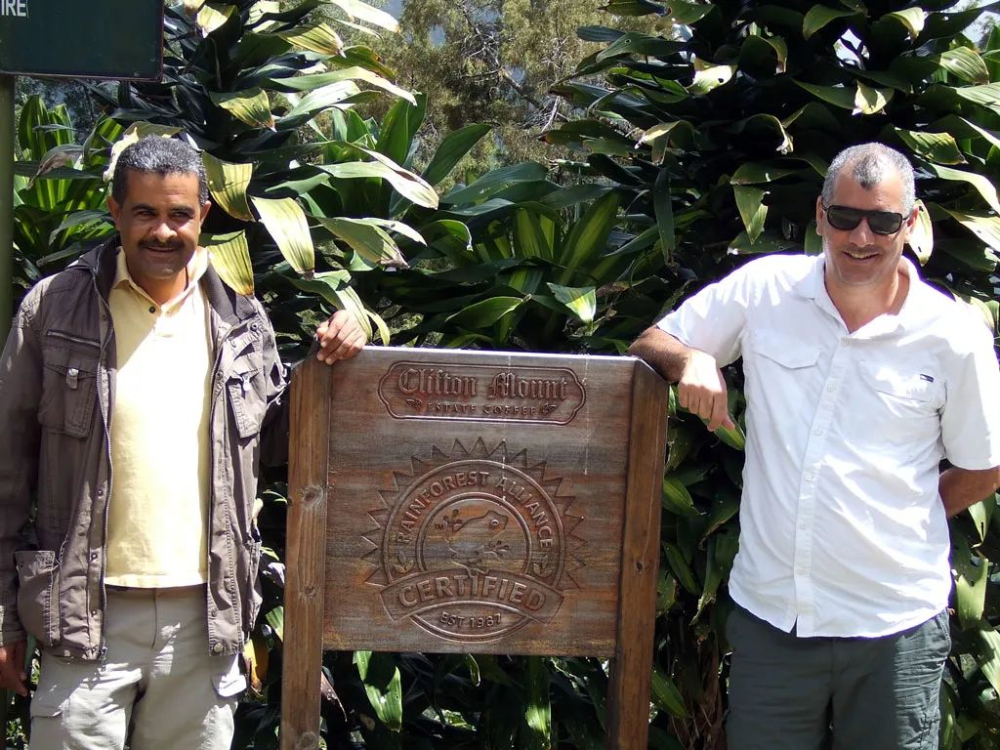
Clifton Mount Estate is one of the oldest coffee estates in the Blue Mountain region, at an altitude of 1,310 meters, and is currently the only farm holding the "Rainforest Alliance" certification mark. Although the total area of the Blue Mountain growing region is only 6,000 hectares, not all coffees labeled "Blue Mountain" come from here. As the largest producer in the region, Clifton Mount Estate sits alongside many plots still held by smallholder families who have farmed for more than two hundred years, continuing traditional growing and processing methods.
The grades of Blue Mountain coffee are subdivided as follows: NO.1 requires 96% of beans to be screen size 17/18, with a defect rate not exceeding 2%; NO.2 requires 96% at screen size 16, with the defect rate likewise limited to 2%; NO.3 is mainly screen size 15, and PB (round beans) are single round beans at screen size 10, all following the same high standard of defect control. Blue Mountain coffee currently circulating on the market all comes with an official certificate issued by the Jamaica Coffee Board, and consumers can verify origin and grade through the certificate.
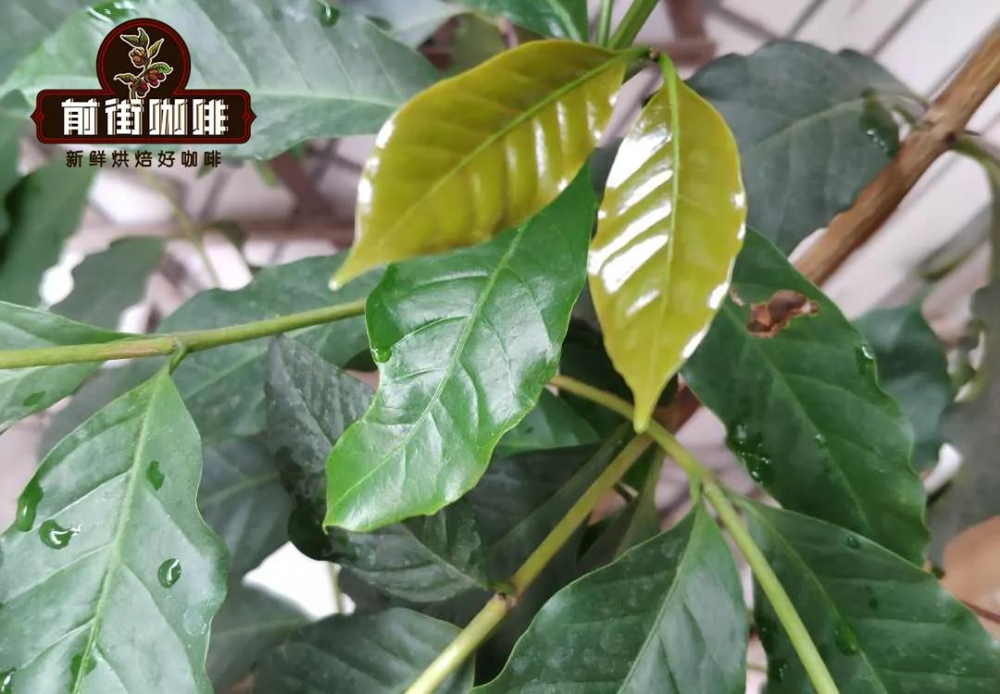
The varietal basis of Blue Mountain coffee is Typica, whose top leaves are bronze-colored and whose beans are oval or slender and pointed; the plant is tall (branches at an angle of about 50-70 degrees), with elegant flavor but weak disease resistance and low yield. Typica leaves are long and oval, with a signature red-copper color at the tips (commonly known as "red-top coffee"); the flowers are white, and the fruit ripens into bright red cherries.
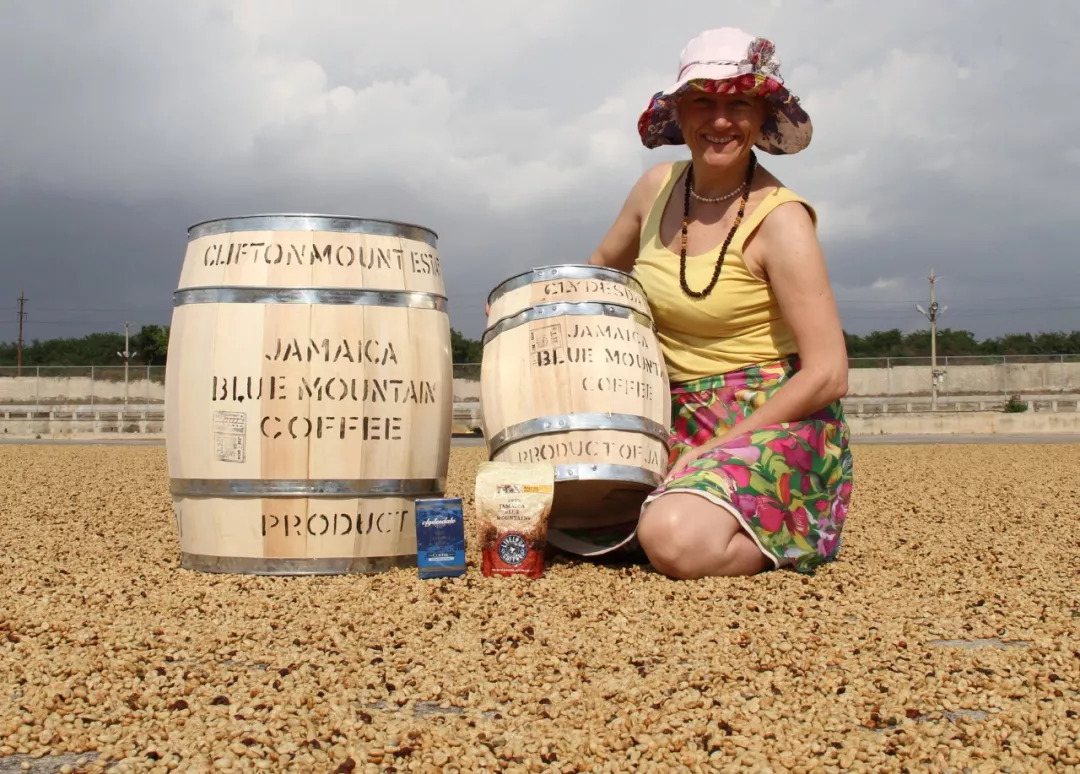
In terms of processing, traditional Blue Mountain coffee uses only the washed method: the skin and pulp are first removed, the mucilage is removed through 12-18 hours of fermentation, then the bean surface is scrubbed clean with running water, dried to a moisture content of 12-14%, and then sorted and stored. This process requires strict control of the environment and operating procedures, otherwise it easily leads to mold or loss of flavor. (Note: some modern estates may try other processing methods, but washing remains the mainstream traditional process.)
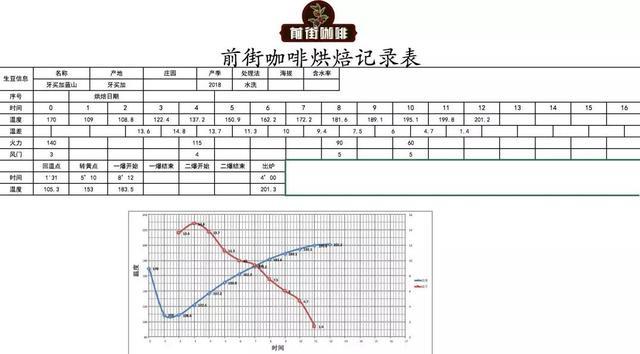
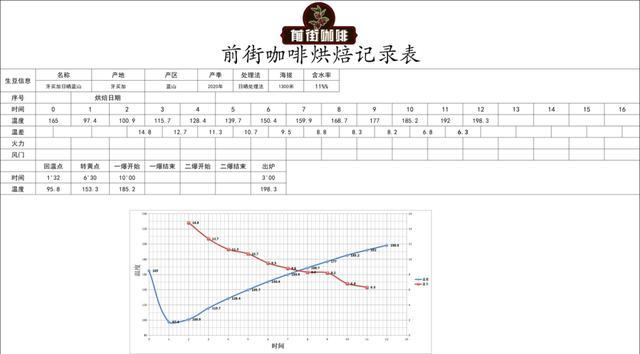
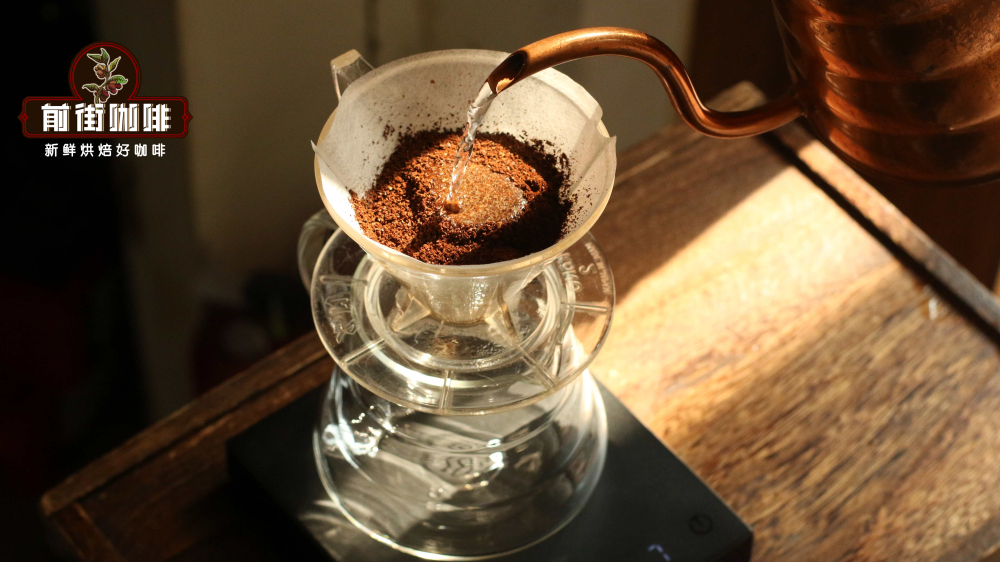
Regarding roasting and brewing, washed Blue Mountain is usually given a medium-dark roast to highlight its full-bodied mouthfeel. The recommended professional pour-over parameters are: use a Kono dripper (slower flow rate, suitable for balanced extraction), control the water temperature at 88°C (to avoid over-extraction at high temperatures), a coffee-to-water ratio of 1:15 (15 grams of coffee to 225 milliliters of water), and adjust the grind so that 70-75% passes through a No. 20 screen (medium-fine grind). Use a three-stage pouring method: bloom with 30 grams of water for 30 seconds, then pour in a small stream in circles to 125 grams and pause, and after the liquid level drops continue pouring to 225 grams, for a total extraction time of about 2 minutes, which maximizes retention of the sweet-sour balance and a creamy, smooth texture.
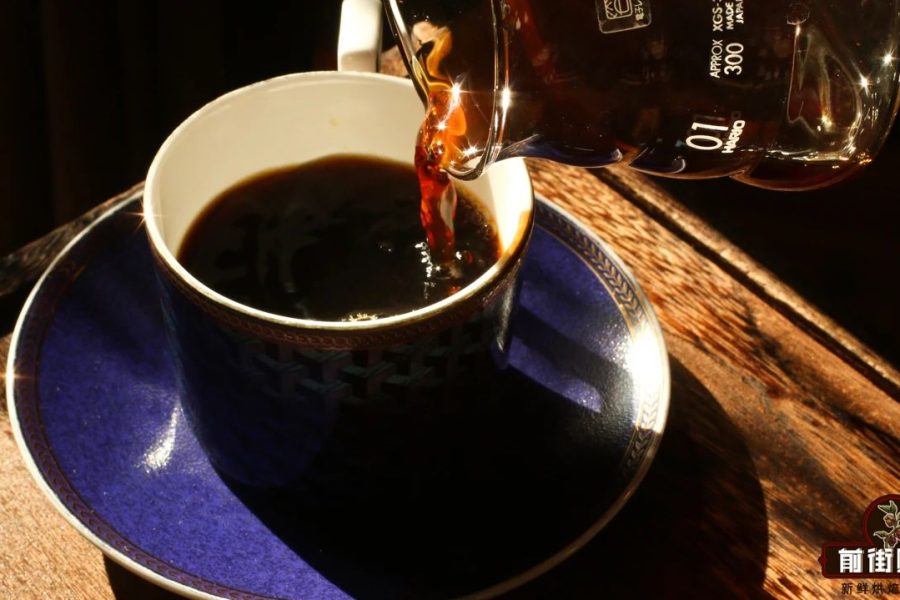
In terms of flavor, a high-quality Blue Mountain No.1 coffee often presents rich base notes of dark chocolate and nuts, a velvety, full-bodied mouthfeel, and a harmonious unity of acidity, sweetness and bitterness, with a clean and lingering finish. Whether you are trying it for the first time or are a seasoned enthusiast, you can sense the unique charm of Blue Mountain coffee as a "benchmark."