The Golden Ratio for Americano and How It Differs from Pour-Over
Introduction: From classic Americano to specialty pour-over, the key to coffee flavor differences often lies in the fundamental parameter of brew ratio. Through side-by-side testing, this article explains how pour-over ratios from 1:14 to 1:18 affect flavor concentration, and examines the limitations of the traditional 1:8 Americano ratio. Understanding these parameter principles helps you adjust the best extraction plan for your beans, balancing body and complexity.
[How does brew ratio shape pour-over coffee flavor?]
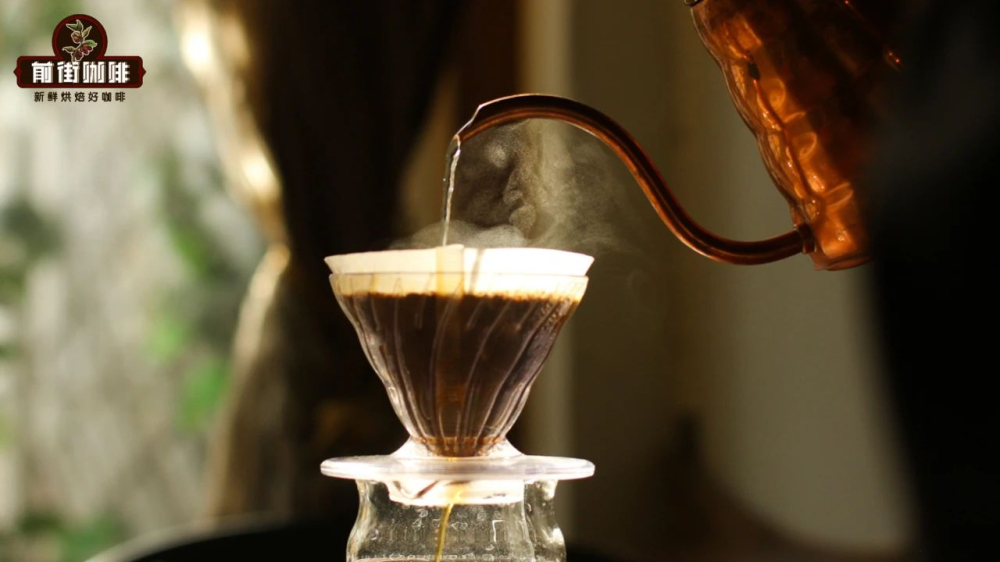
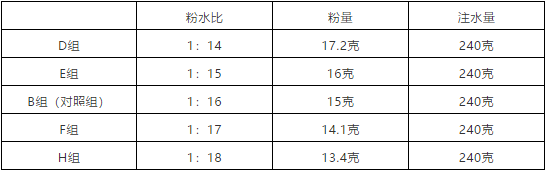
Among the five core factors affecting pour-over coffee flavor, the brew ratio (the ratio of coffee grounds weight to water volume) is the easiest to adjust and has the most noticeable effect. Experimental data shows that when the ratio is below 1:14, the coffee flavor is rich and heavy, while above 1:18 it becomes light—most specialty coffee shops use a baseline ratio of 1:15, for example 15 grams of coffee grounds with 225 milliliters of water.
[Test results: flavor differences of three ratios]
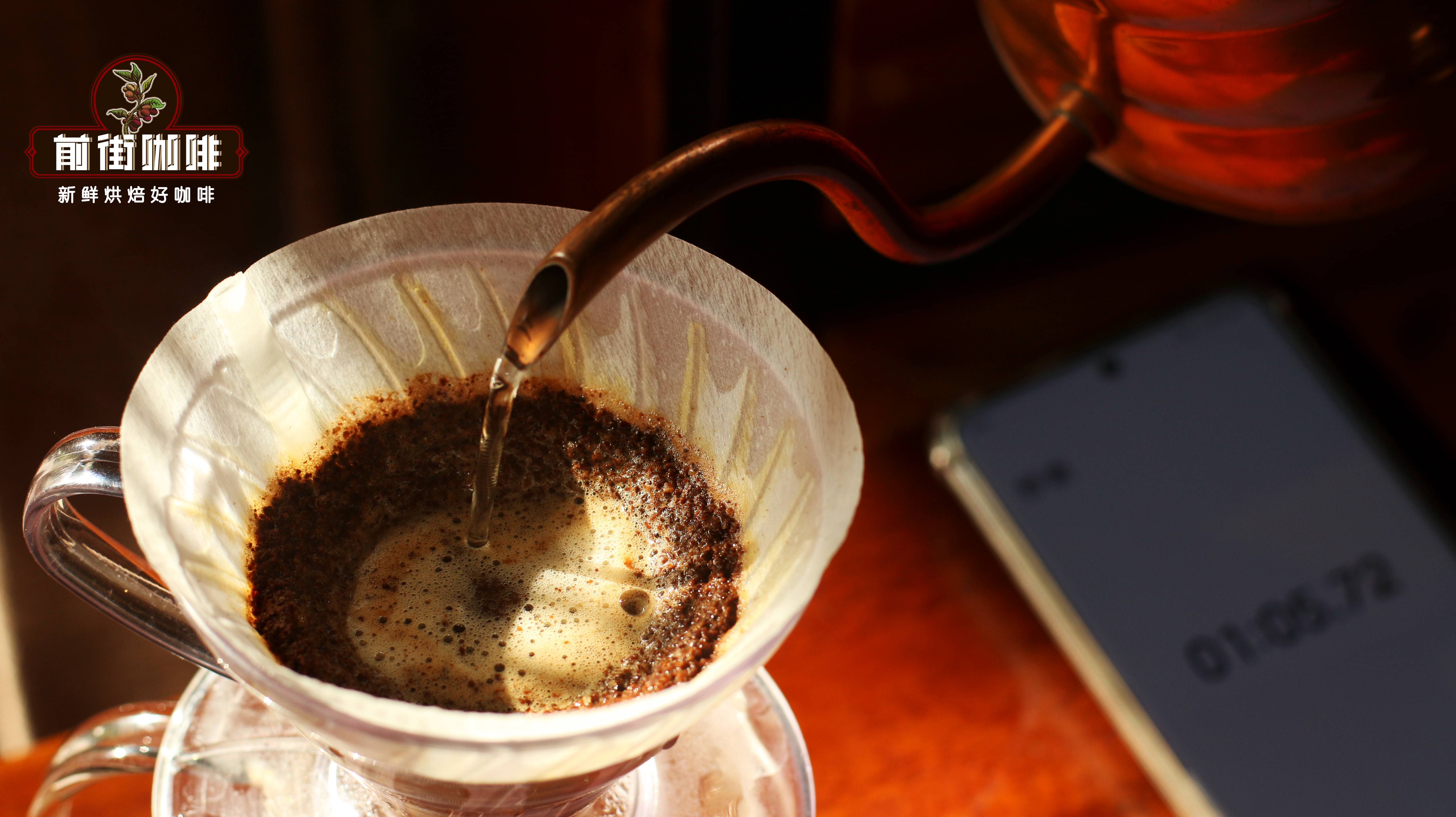
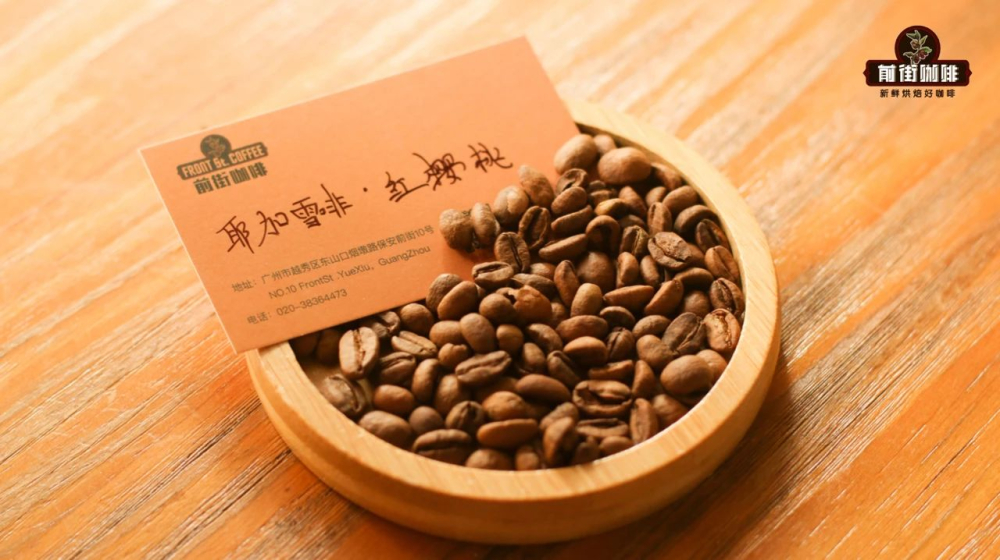
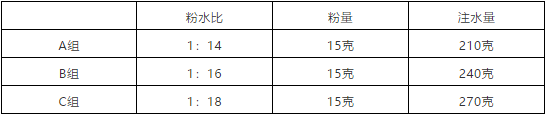
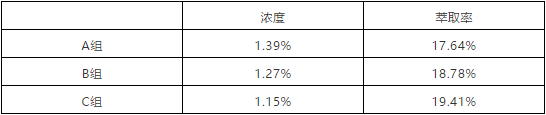
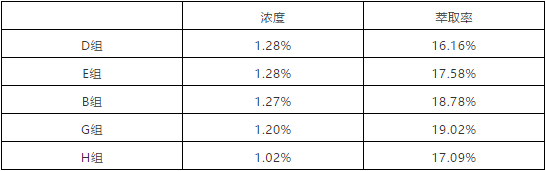
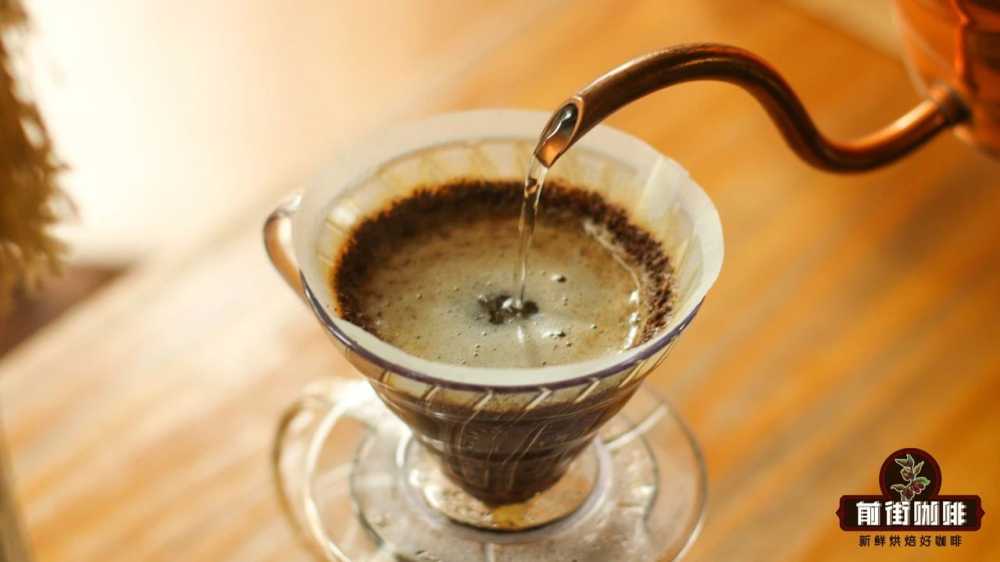
To verify the parameter effects, we fixed an Ethiopian Yirgacheffe natural bean (Red Cherry Project), a V60 dripper, 90°C water temperature, medium-fine grind (80% passing a 0.85mm sieve), and a three-pour method (30 grams bloom for 30 seconds), changing only the brew ratio to 1:14, 1:16, and 1:18. The results showed that concentration decreases as water volume increases (because the larger total solvent dilutes dissolved solids), while extraction yield rises inversely (more solvent carries away soluble material and extends extraction time). Notably, simply increasing the dose (for example from 15 grams to 17 grams) also raises concentration, but beware the risk of bitterness from over-extraction.
[In-depth analysis: the science behind the parameters]
Through four control experiments (adjusting dose rather than water volume), we further verified the rule that the coffee dose determines the extractable ceiling—the larger the dose, the more active substances the water contacts per unit time, and the higher the total extraction at the same water volume. Conversely, when the dose is too small, even a large increase in water volume lowers late-stage extraction efficiency because the material becomes saturated (for example, group H's extraction yield was significantly lower than the others). Three core conclusions: ① the larger the ratio, the lighter the flavor; the smaller the ratio, the stronger the flavor; ② adjusting water volume mainly changes overall concentration; ③ adjusting dose can optimize the completeness of flavor layers.
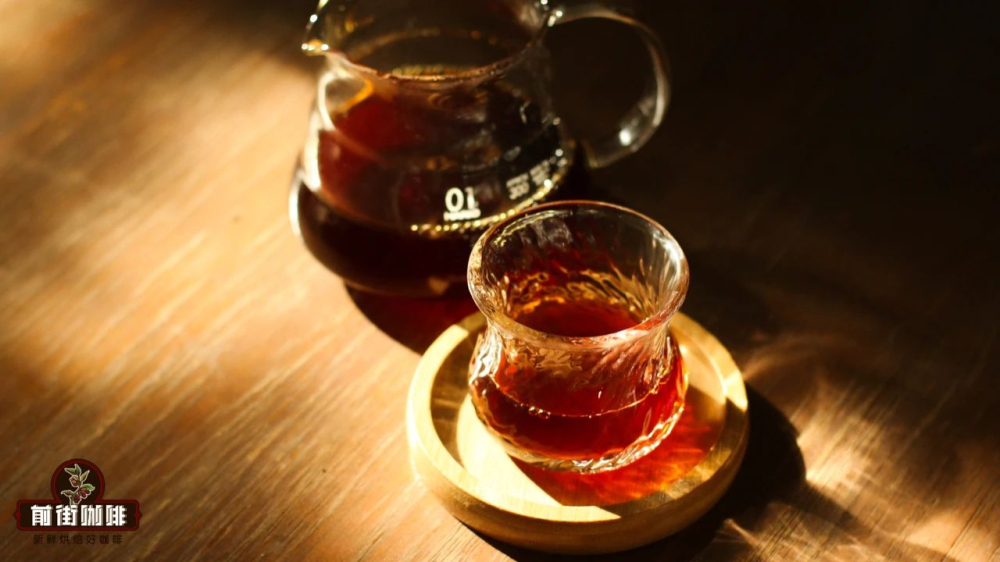
[Americano: the ratio secrets of espresso diluted with water]
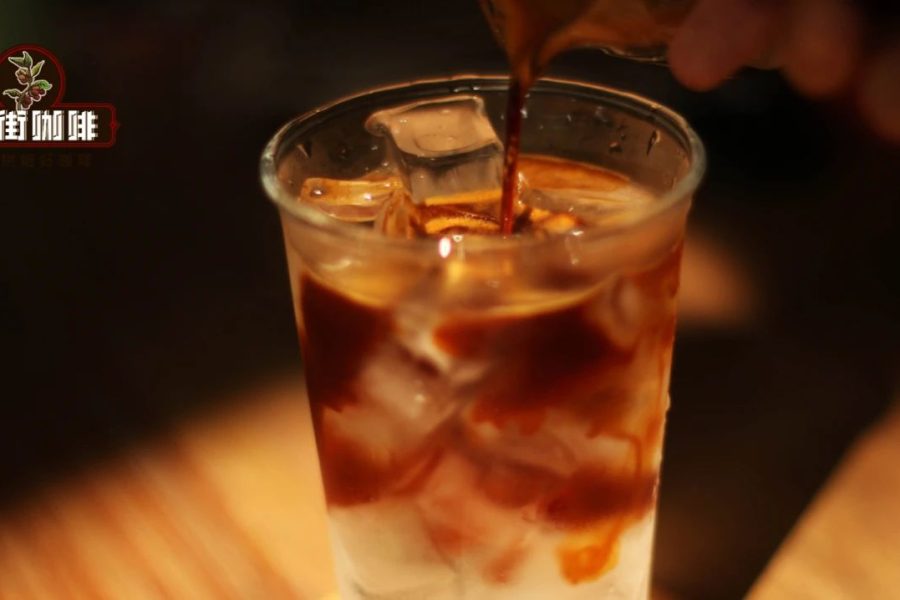
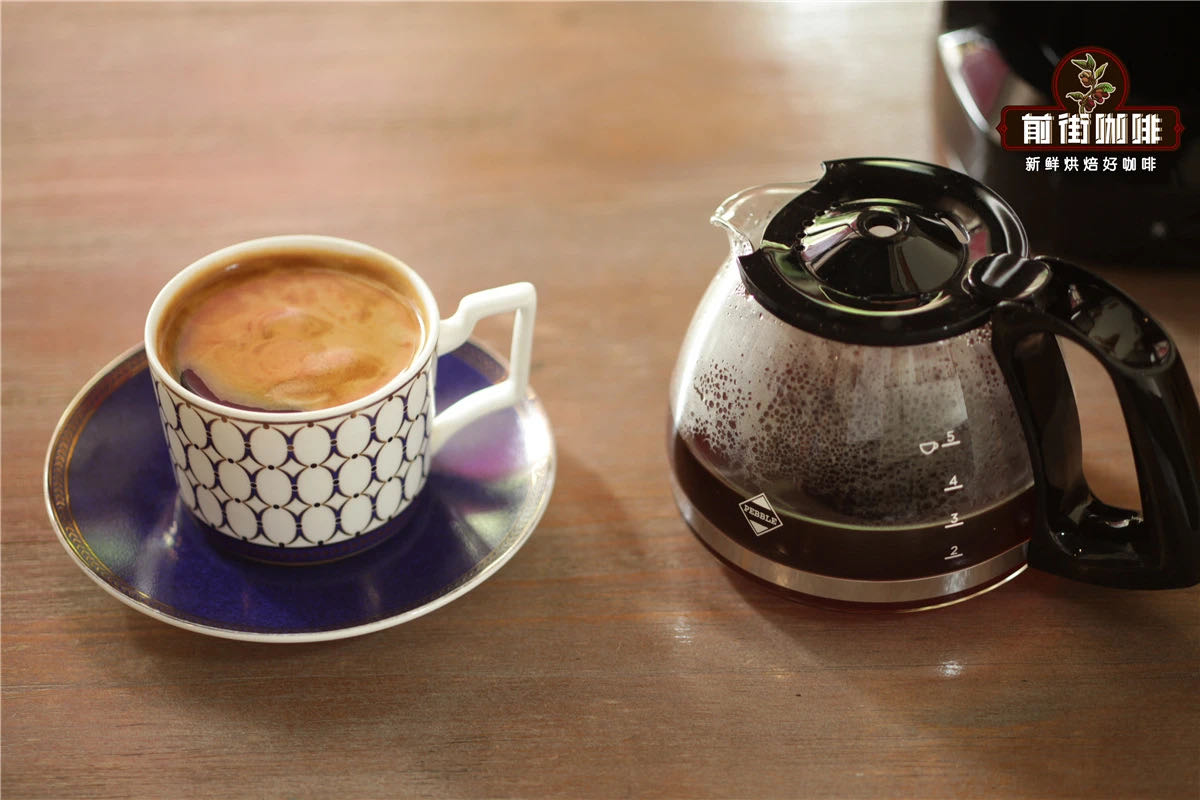
Everyday Americano usually falls into two categories: black coffee from a drip brewer, or espresso diluted with water (the mainstream version in China). Traditional Italian-style Americano uses a 1:8 ratio (a double shot of 60ml plus 480ml water), but this standard is not universal. For example, in tests of Honduras Sherry Cask and natural Yirgacheffe blend beans, the winey aroma and acidity almost disappeared at 1:8 and 1:7.5 ratios (concentration only 0.77%–0.85%), while 1:6.5 to 1:7 better highlighted the flavor characteristics—proving that bean origin and roast level directly affect the choice of the best ratio.
[Practical guide: how to find your own ratio?]
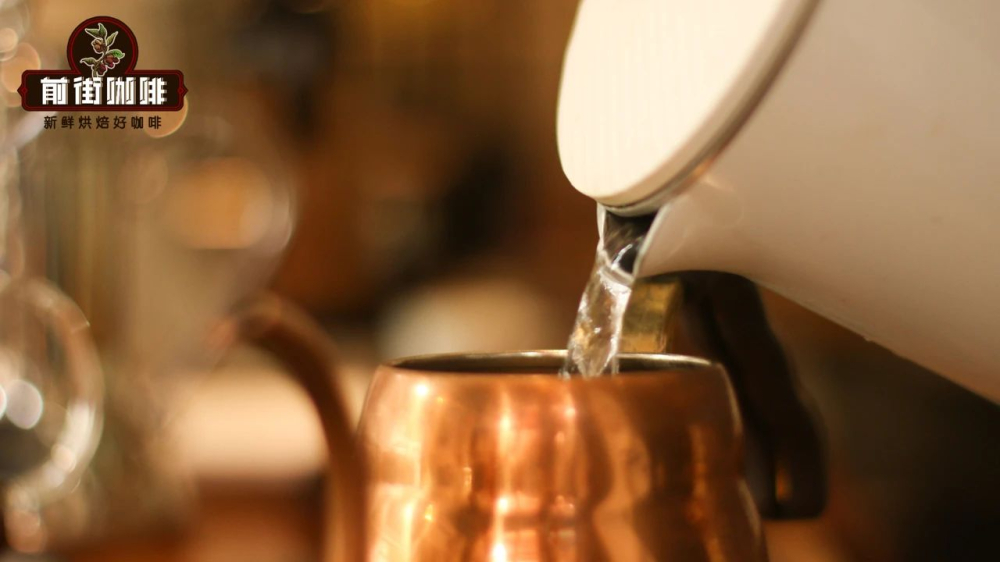
A gradual water-adding method is recommended: first extract a double espresso (20 grams of grounds yielding 40 grams of liquid, 28–29 seconds), place the espresso in a weighing container, start at a 1:4 ratio (for example 40 grams of liquid plus 160ml water), then add 20ml of water at a time and taste immediately, recording the range of flavor changes. For example, one blend performed best between 1:4 and 1:5, and when the ratio was finally locked at 1:4.5, it retained the winey notes and cocoa finish while maintaining moderate body. Although this method cannot be precise to the decimal, it effectively narrows down the optimal range.
[Espresso vs pour-over: a full comparison of flavor dimensions]
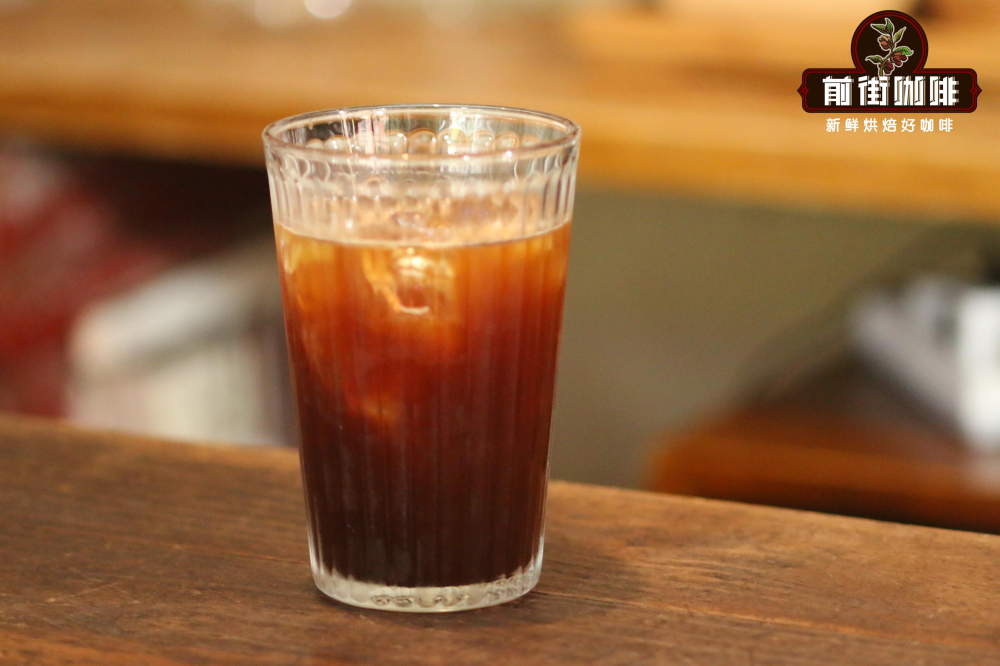
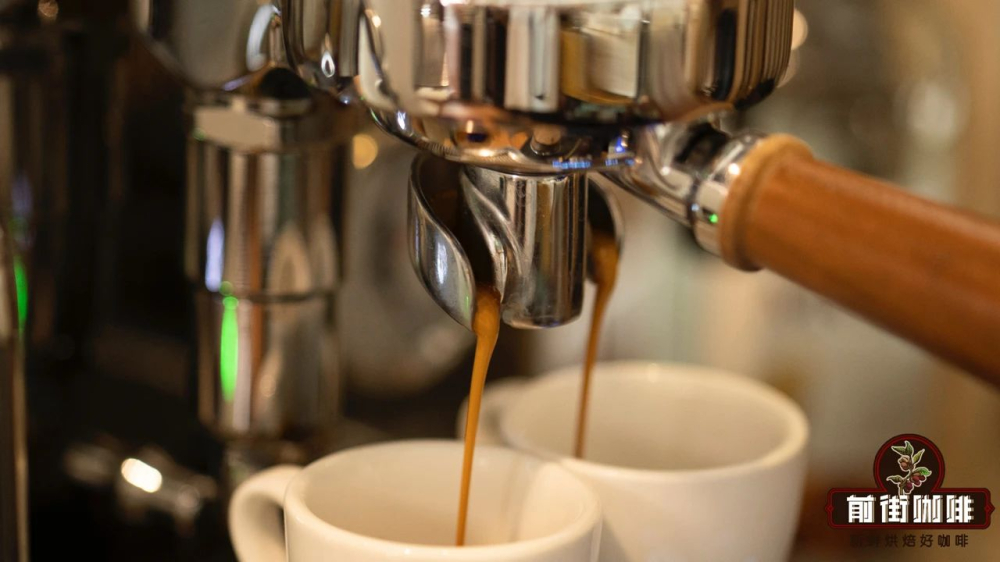
Traditionally, Americano is often labeled "weak as socks" (a French slang tease), but this actually stems from an improper ratio or a mismatch with the bean type. Compared with pour-over, espresso achieves high-concentration extraction through a very fine grind (resisting rapid penetration under high pressure) and high temperature of 90–93°C at 9 bar pressure, while pour-over relies on a coarser grind and gravity drip, giving a fresher flavor. When espresso is diluted with water to make Americano, the balance of acidity, sweetness, and bitterness improves markedly, and the layering is better than pure espresso; if you choose a quality blend and optimize the ratio, it can even show complexity on par with pour-over. Remember: there is no absolute superiority, only suitable scenarios—choose Americano for convenience, pour-over for ritual, and precise parameter control is the core of flavor.