Latte or Americano for Weight Loss? Coffee Calories and Caffeine Compared
Introduction: Caffeine can speed up metabolism, making coffee a drink of choice for many people trying to lose fat, but not all coffee is good for weight loss. From calories and caffeine content to pairing suggestions, this article fully explains the differences between Americano and latte, tells you which is better for weight control, and includes practical parameters and tasting tips for making Americano at home.
The caffeine in coffee can boost metabolism, stimulate the central nervous system and promote gastrointestinal motility, which is why it has become a daily drink for many people trying to lose weight. However, different types of coffee vary markedly in their effects on weight loss. Many people believe all black coffee helps with weight loss; in fact, a latte with milk, even without added sugar, is still relatively high in calories, mainly from the milk fat. By contrast, pure black coffee, especially Americano, is extremely low in calories and better suited to drinking during fitness or fat-loss periods.
Americano is usually made by diluting espresso with water; it is simple to make and easy to prepare at home. If you have a home espresso machine, you can easily try making a pure Americano yourself. Below, from bean selection and brewing to tasting, we take you step by step through making a cup of coffee that suits you.
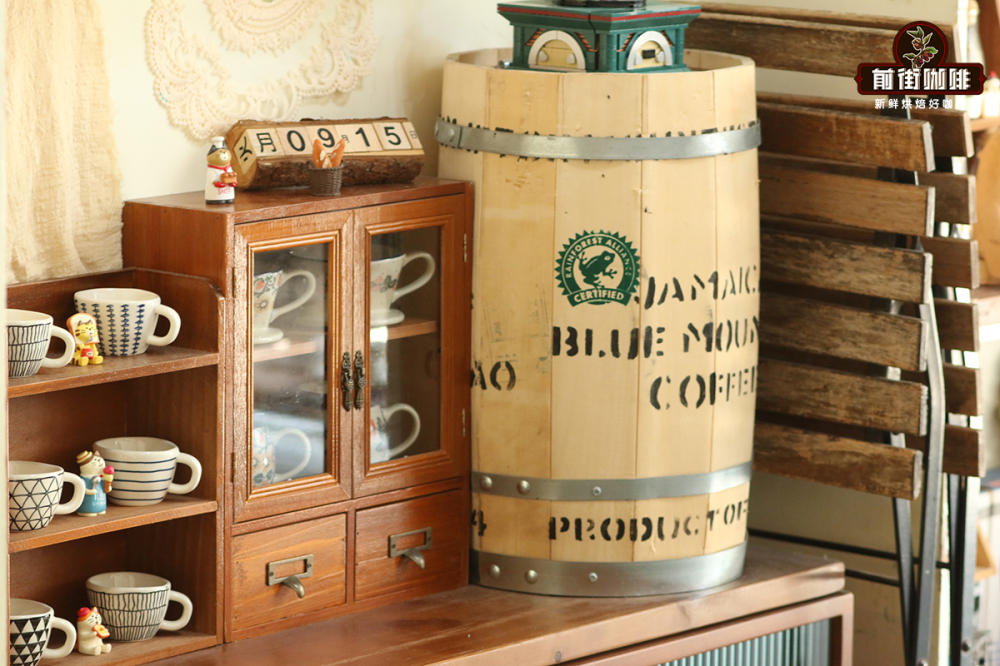
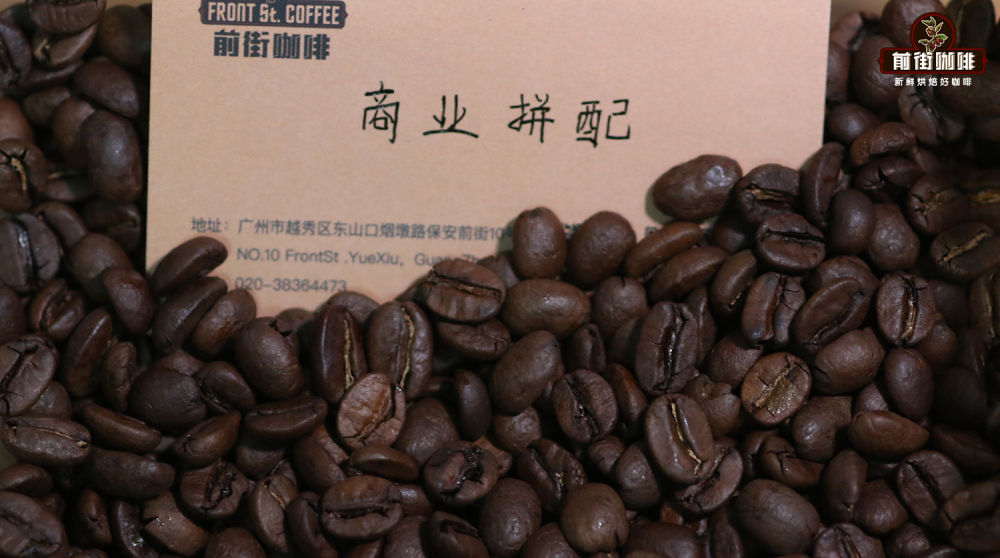
When making Americano, choosing the right coffee beans is crucial. Because Americano is based on espresso, and the flavor of the espresso determines almost the entire cup, one of the core factors affecting espresso performance is the coffee bean. Beans from different regions differ in variety, processing method and terroir, and thus in acidity, sweetness, body and aroma.
Common blended coffee beans combine the characteristics of several beans, giving more complex flavor layers, such as fruity acidity, berry notes, wine-like notes or chocolate aromas. Single-origin beans, by contrast, usually highlight the distinctive style of one region and suit enthusiasts seeking a single flavor. If you like a balanced, layered flavor, blended beans are a common choice for making Americano.
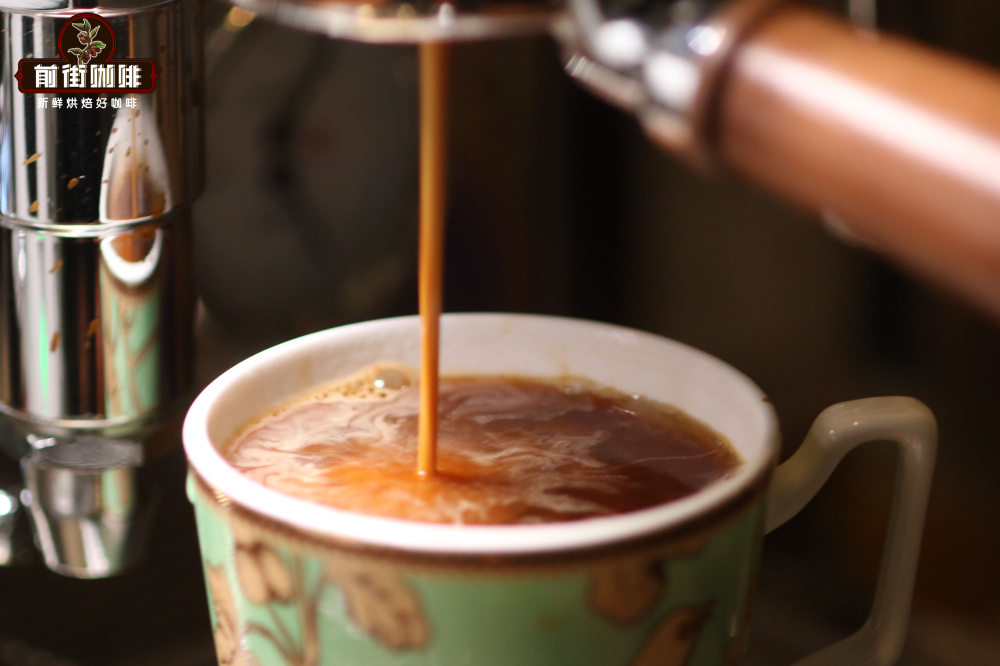
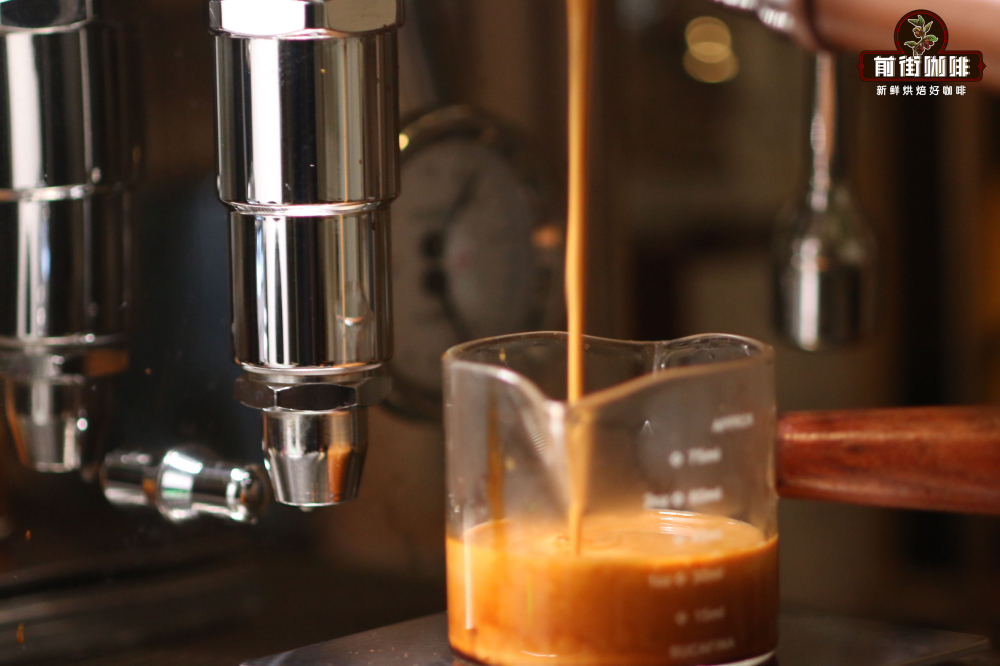
When brewing Americano at home, several key parameters affect the final taste experience. For example, with a grinder such as the Feima 900N, you can set the grind to 1.6, keep extraction pressure at about 9 bar, control water temperature at 90.5–96°C, use 20 grams of grounds (double espresso), extract for 20–30 seconds, and get about 40 ml of espresso. These parameters can be fine-tuned to personal taste.
As for the mixing ratio of Americano, a common practice is to dilute espresso with water at 1:8, but the flavor may then be rather weak. After many trials, adjusting the ratio to between 1:4 and 1:5 is recommended; this way it is neither too intense nor loses the aroma and body of the beans. If using a flavorful blended bean, such as one with wine-like notes and a cocoa finish, a ratio of 1:4.5 usually brings a more balanced taste.
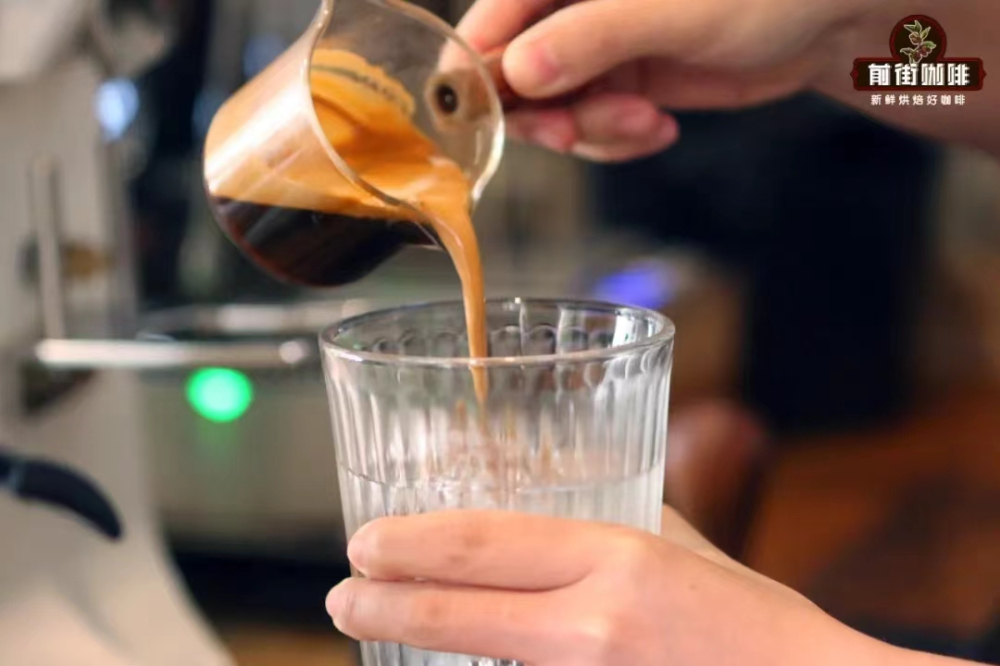
Iced Americano is made similarly: first extract a double espresso using the parameters above, then add ice water at a ratio of 1:7, stir well and enjoy. Drinking iced Americano in summer not only refreshes and sharpens the mind but also reduces calorie intake. Making iced Americano with beans that have rich flavor layers also lets you experience longer-lasting aroma and a smooth mouthfeel, such as a combination of chocolate finish and faint wine notes.
So, during weight loss, should you choose latte or Americano? In terms of calories, a standard Americano (about 240 ml) usually has fewer than 5 kcal, while an ordinary latte (with whole milk) can reach 150–220 kcal, a significant difference. If you are controlling your total daily calorie intake, Americano is undoubtedly the better choice. In addition, Americano usually has a higher caffeine content, which helps raise the metabolic rate in the short term and promote fat breakdown.
Note, however, that coffee itself cannot directly “burn fat”; its role is more about supporting metabolism and suppressing appetite. To truly achieve fat loss, you still need to combine sensible diet and regular exercise. Also, try to choose black coffee with no sugar or additives to avoid extra calorie intake.
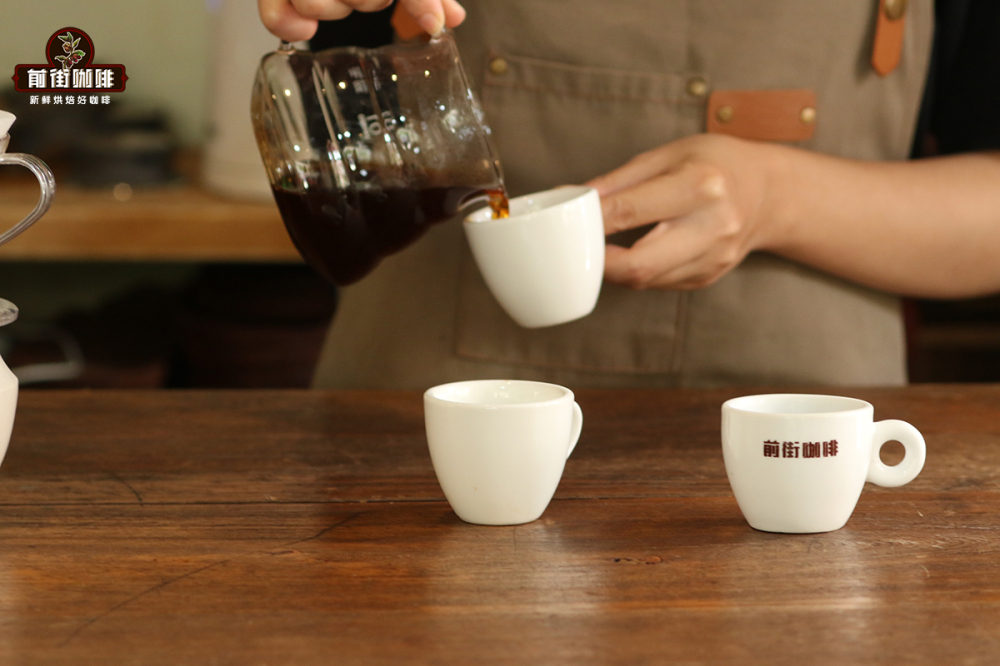
Tasting a cup of coffee is similar to tasting tea or wine; it requires sensing from multiple dimensions. The first step is smelling the aroma: use your sense of smell to catch the dry and wet aromas of the coffee and judge whether it has fruity, floral, nutty or chocolate flavors. The second step is observing the color: high-quality coffee is usually dark brown, clear and bright, not cloudy. The third step is tasting: note whether the acidity, bitterness and sweetness are balanced on the palate and whether there is any astringency. High-quality coffee often has bright but not sharp acidity, moderate bitterness and a clear sweet aftertaste; some blended beans, for example, have berry, wine and chocolate flavors with a long finish.
Common misconceptions include believing that all black coffee aids weight loss, or mistakenly thinking that a latte with milk has less caffeine. In fact, caffeine content is mainly determined by the coffee beans and the extraction method, not by whether milk is added. Latte, because of the added milk, is higher in calories and fat and is not conducive to fat loss. Therefore, if your goal is weight control, it is advisable to choose Americano, or to choose low-fat or skim milk in a latte and minimize added sugar.
Finally, a reminder: whichever coffee you choose, drink it in moderation. Excessive caffeine intake may cause palpitations, insomnia or gastrointestinal discomfort. A general recommendation is no more than 400 mg of caffeine per day, roughly equivalent to 2–3 standard Americanos. If you are sensitive to caffeine, you can choose decaf or reduce your intake.
By choosing coffee types sensibly and mastering brewing parameters and tasting techniques, you can not only improve your daily coffee experience but also better align it with health and fat-loss goals. While enjoying the aroma of coffee, make every sip more scientific and lighter.