Yunnan Small-Bean Coffee Guide: Starbucks Varieties, Regional Flavors, and Pour-Over Parameters
Introduction: An in-depth analysis of the cultivation history, main variety characteristics, and core production region distribution of Chinese Yunnan coffee beans, revealing the story of Yunnan small-bean coffee behind Starbucks' classic Phoenix Mountain series. From the virus resistance advantages of the Catimor variety to the influence of different processing methods on flavor, it provides a reference comparison of altitude, roast level, and cupping flavor, and includes practical pour-over parameters and flavor descriptions to help coffee enthusiasts fully understand the specialty potential of this distinctive Chinese production region.
Yunnan Coffee's Global Position and Variety Foundation
As one of Asia's three major coffee production regions, China's Yunnan, with its unique highland climate, has become an emerging force that cannot be ignored on the global coffee map. Currently, the province's planted area accounts for 70% of the country's total, and its output accounts for more than 83%, of which more than 90% is Arabica small-bean coffee. The most common Catimor variety was cultivated by the Portuguese in 1959 by crossing the Bourbon mutation Caturra with Tim, which has Robusta lineage, combining strong resistance to leaf rust and high productivity, and has become the main force supporting Yunnan's coffee industry.
The Origins of Starbucks' Collaboration with Yunnan
In 2009, Starbucks launched its first blend incorporating Yunnan small-bean coffee, "Phoenix Mountain." Its packaging design hides Eastern aesthetics—the phoenix totem symbolizes reverence for nature and prosperity, while the high mountains and deep valleys in the background echo the geographical features of Yunnan's growing regions. This coffee marked international recognition of the quality of China's domestic coffee beans and also helped raise Yunnan coffee's profile in the international market.
A Century of Cultivation History: From Missionary Introduction to Large-Scale Production
The story of Yunnan coffee began in 1892, when a French missionary planted the first coffee tree in Zhukula Village. After the 1930s, when overseas Chinese leader Liang Jinshan introduced cultivation in Pupiao and Luoming, and the large-scale expansion in Lujiang in 1952 under the guidance of experts from the Baoshan Tropical and Subtropical Economic Crops Research Institute, nearly 60 years of large-scale cultivation history have precipitated a stable quality foundation. In the 1990s, the planted area once reached 4,000 hectares, and by the end of 1997 the province had expanded to 7,800 hectares, establishing its position as the country's main production region.
Core Variety Analysis: The Legacy of Catimor and Typica
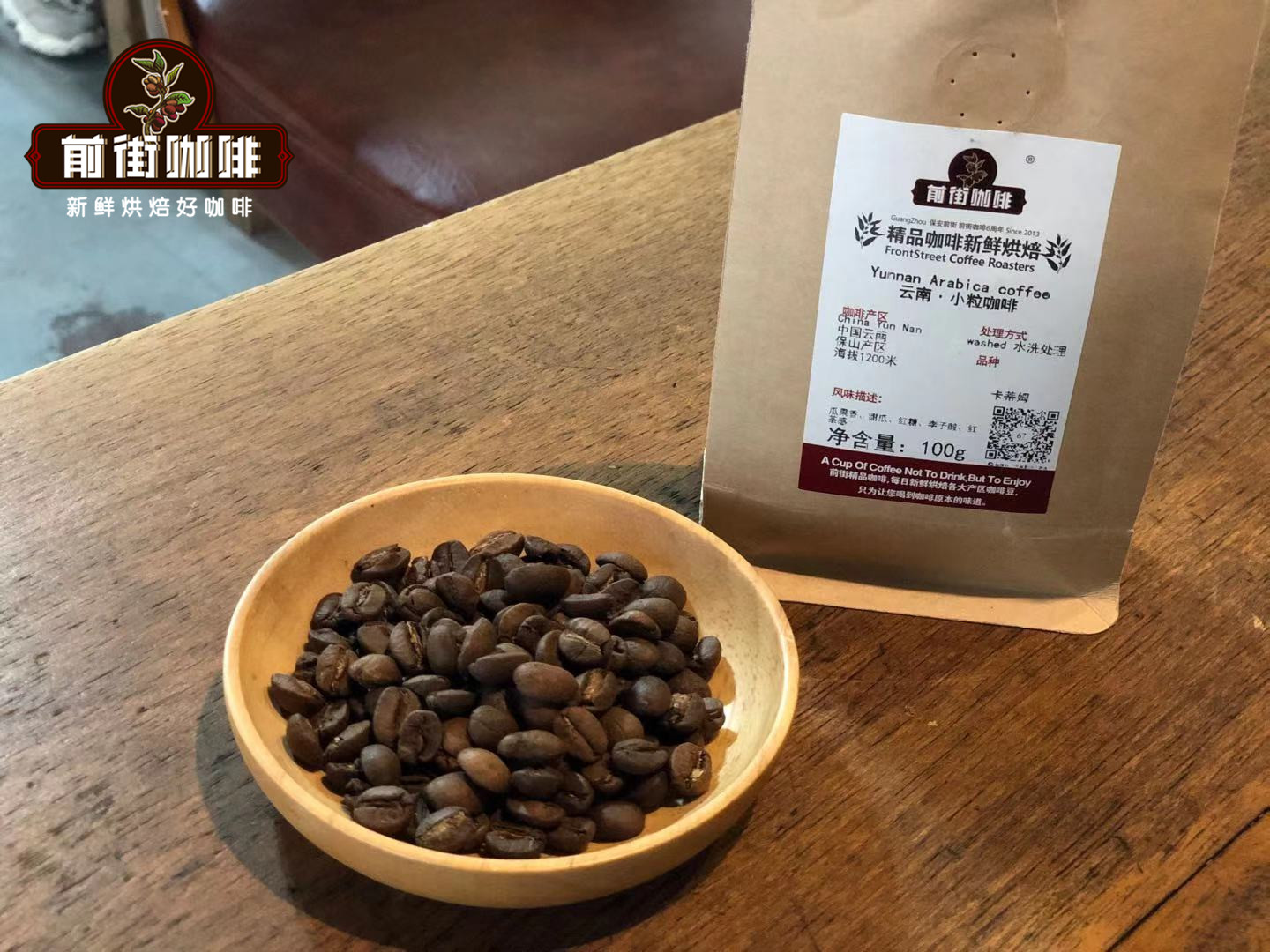
The main variety currently planted in Yunnan is the Catimor series, whose 3-4 year fruiting cycle adapts to short-day conditions, with flowering concentrated from March to May and fruit taking 8-10 months to mature (October to December). The older Typica, as a native Ethiopian variety, is known for its elegant flavor but has gradually been replaced due to weak disease resistance and low yield. Note: although Catimor inherits the name 'small-bean coffee,' it actually exists as a commercial variety distinct from specialty beans; together the two form the variety foundation of Yunnan coffee.
Grading Standards and Quality Control
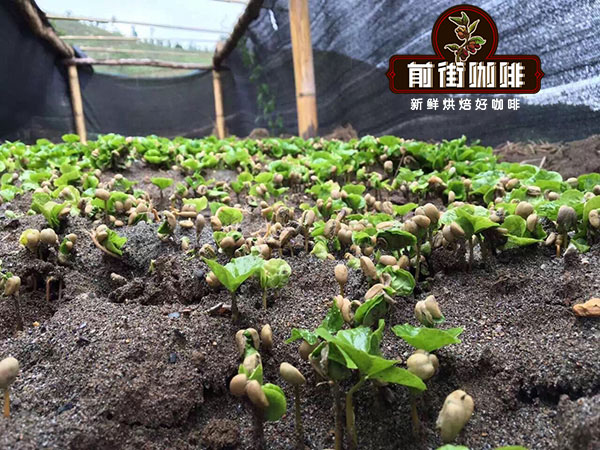
Yunnan coffee uses the internationally common round-hole screen grading (e.g., 14/64 inch corresponds to screen size 14), while also implementing the domestic five-grade standard: Grade 1 beans (≥6.5mm) are plump and intact, while Grade 5 beans (≤5.0mm) must have an intact rate above 30%. Defective bean identification is based on the number of impurities in a 300-gram sample, ensuring flavor purity. This dual standard ensures quality control throughout the process from cultivation to trade.
Five Major Production Regions and Their Terroir Codes
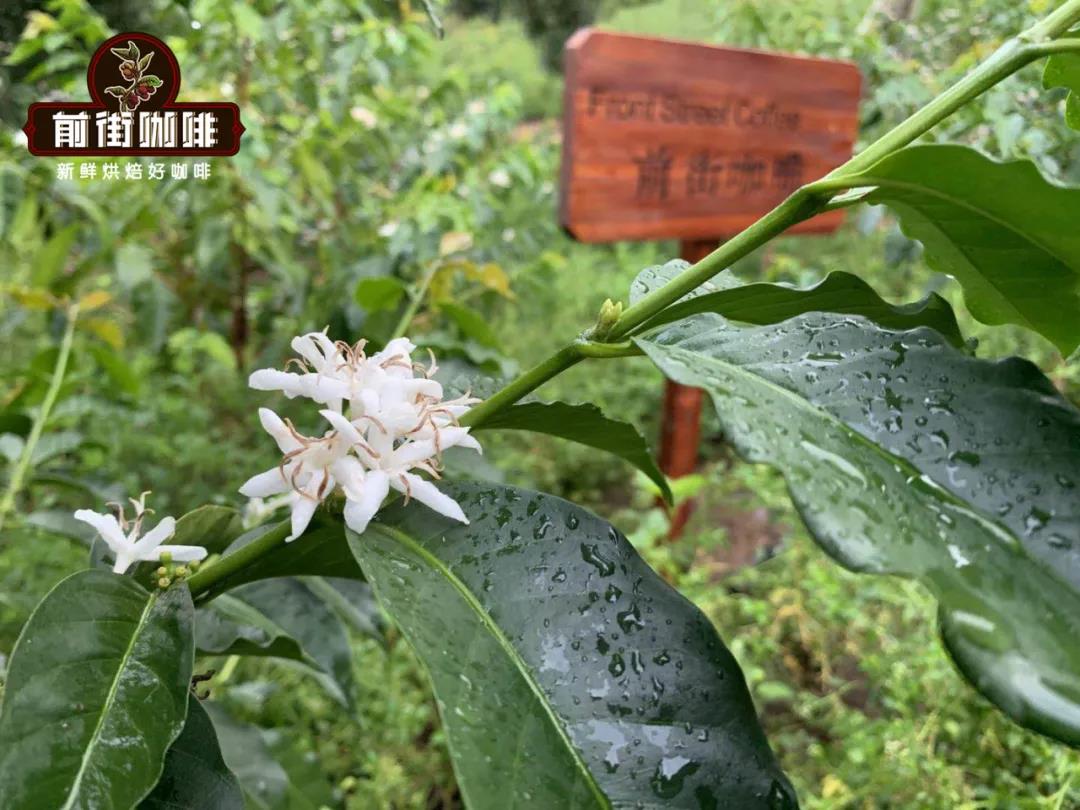
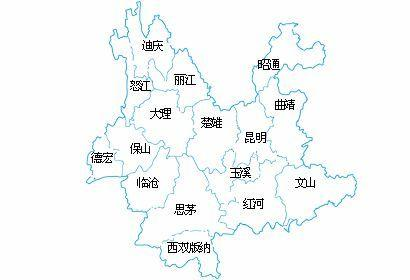
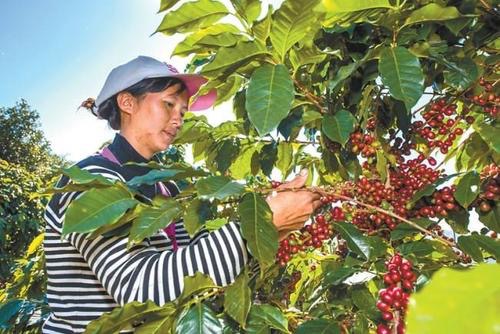
Yunnan coffee is concentrated in the highlands between 15°N and the Tropic of Cancer, where mountain slopes at 1,000-2,000 meters, large day-night temperature differences, ample sunshine, and abundant rainfall create the unique flavor of 'rich without bitterness, fragrant without harshness, with a slight fruity note.' The main production regions include:
• Dehong Prefecture (1,000-1,600 meters): the birthplace of Chinese coffee, with 2,000 hectares of organic plantations
• Pu'er (formerly Simao): annual output of 36,500 tons, accounting for an important national share
• Baoshan: won the title 'Crown of National Coffee' in 1980 and passed national geographical indication certification in 2010

Processing Innovation and Flavor Shaping
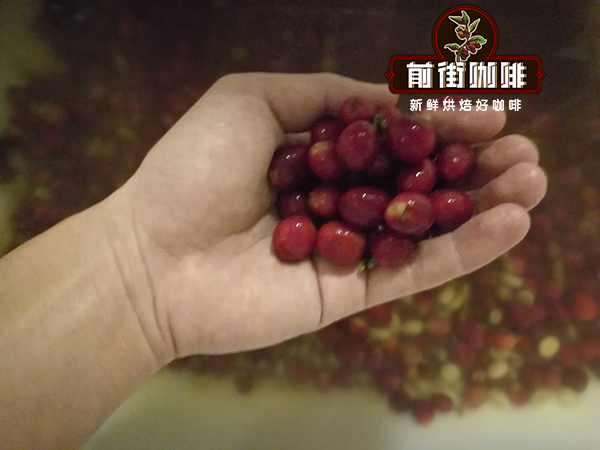
In addition to traditional washed (bright fruit acidity, clean mouthfeel) and natural (prominent sweet aroma, obvious fermented character) processing, Yunnan has recently experimented with special processes such as barrel fermentation. It should be emphasized that any change in processing method should be premised on preserving the region's basic flavor; for example, washing can strengthen nutty and chocolate notes, while natural processing enhances caramel sweetness. When choosing, you can balance flavor complexity and stability according to drinking preference.
Practical Guide to Yunnan Small-Bean Coffee
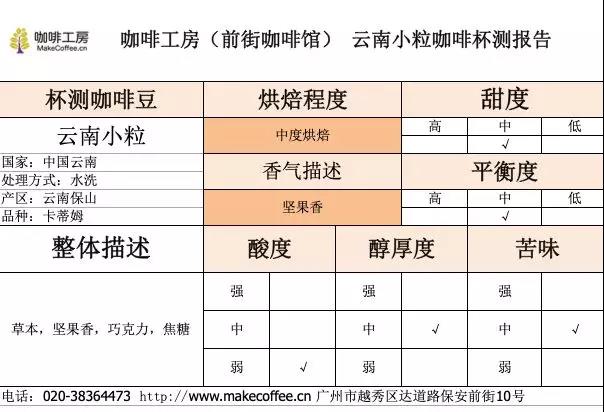
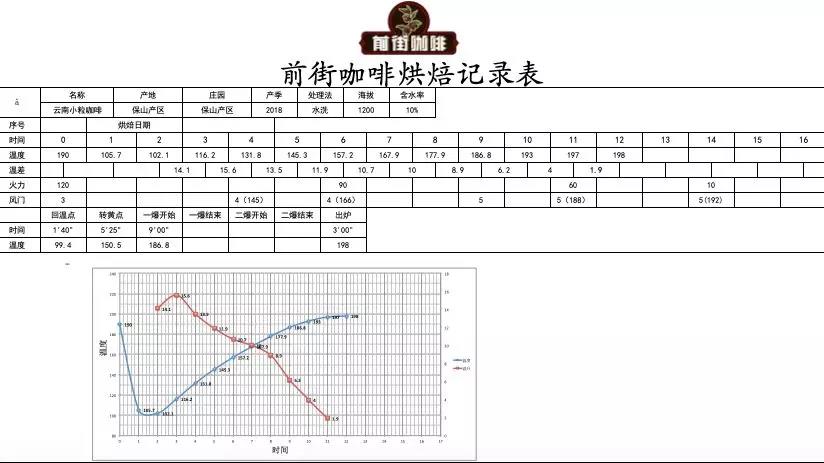
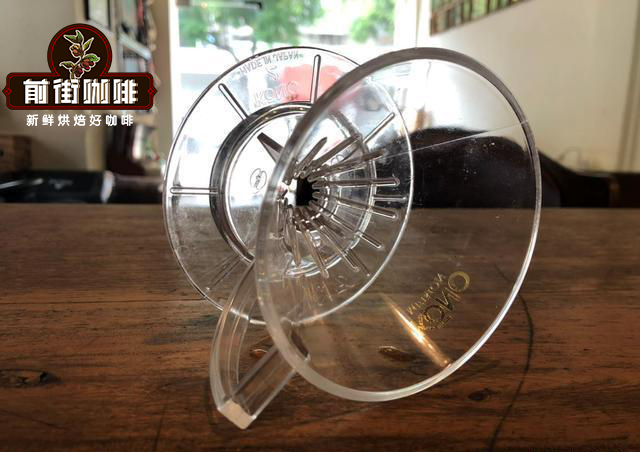
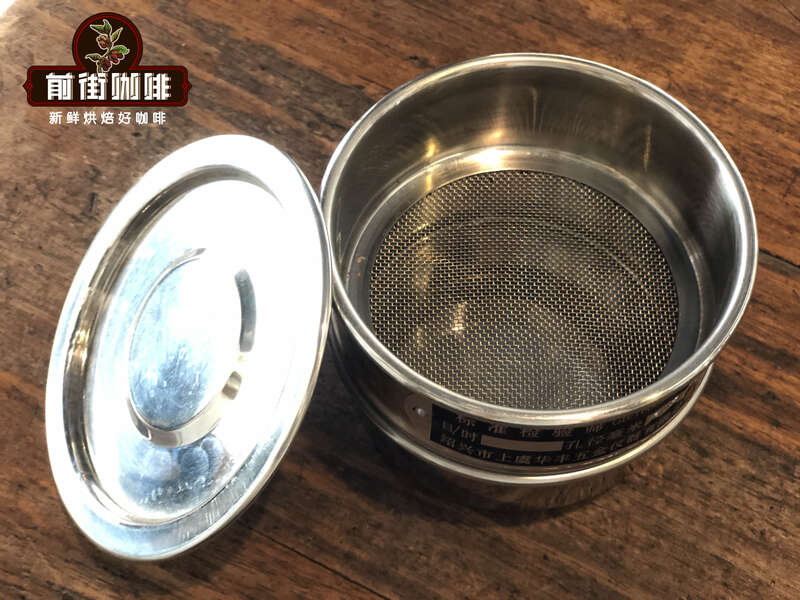
Taking a washed Catimor from the Baoshan region as an example (1,200 meters altitude, medium roast), cupping shows herbal and nutty aromas with a caramel finish. Medium roast is recommended to balance overall balance with nutty and brown-sugar sweetness and to avoid over-extraction that releases off-flavors. Pour-over recommendation: Kono dripper + 88°C water temperature + 1:15 coffee-to-water ratio (15g coffee/225ml water), with grind size matching 80% passing through the Chinese standard No. 20 sieve. Staged extraction (30g water bloom for 30 seconds → 125g in stages → 225g to finish) with a total time of 2 minutes can fully release a rich mouthfeel. Note: fresh beans need 3 days of resting to bring out the full flavor layers.